Window Film Manufacturer
Window films have become an essential solution for enhancing energy efficiency, privacy, safety, and aesthetics in residential, commercial, and automotive applications. At the heart of this growing industry are window film manufacturers, the innovators and producers who design and create these versatile products. From solar control films to decorative and security films, manufacturers play a critical role in meeting the diverse needs of consumers and businesses worldwide. This article explores the world of window film manufacturing, delving into the production processes, technological advancements, market trends, and the impact of these products on sustainability and design. By understanding the operations and innovations of window film manufacturers, we gain insight into an industry that blends science, engineering, and environmental consciousness to deliver solutions that transform how we interact with glass surfaces.
The Role of Window Film Manufacturers
Window film manufacturers are specialized companies that design, produce, and distribute thin, adhesive films applied to glass surfaces. These films serve multiple purposes, including reducing heat gain, blocking UV rays, enhancing privacy, improving safety, and adding decorative elements. Manufacturers cater to a wide range of industries, including architecture, automotive, and aerospace, with products tailored to specific performance requirements.
The primary role of a window film manufacturer is to develop high-quality films that meet stringent standards for durability, optical clarity, and functionality. This involves research and development (R&D) to innovate new materials and coatings, as well as rigorous testing to ensure products withstand environmental factors like UV exposure, temperature fluctuations, and physical stress. Manufacturers also collaborate with architects, contractors, and automotive companies to provide customized solutions, ensuring films align with specific design or performance goals.
Beyond production, manufacturers are responsible for educating the market about the benefits of window films. They work with distributors, installers, and end-users to promote proper application techniques and highlight energy-saving potential. Leading manufacturers also prioritize sustainability, developing eco-friendly films and adopting green production practices to reduce their environmental footprint.
The Manufacturing Process
The production of window films is a sophisticated process that combines advanced materials science with precision engineering. The process typically involves several key stages:
1. Material Selection: Window films are primarily made from polyester (PET), a durable and flexible material. Manufacturers select high-grade PET for its optical clarity and strength. Additional materials, such as adhesives, UV inhibitors, and metal or ceramic coatings, are chosen based on the film's intended function.
2. Film Coating: The core of window film manufacturing lies in applying specialized coatings to the polyester base. Techniques like sputtering, vacuum deposition, or dye infusion are used to add layers that provide solar control, UV protection, or decorative effects. For example, metalized films use thin layers of aluminum or titanium to reflect heat, while ceramic films incorporate non-metallic compounds for superior clarity and performance.
3. Lamination: Multiple layers of coated polyester are laminated together to create a single, durable film. This step enhances the film's strength and functionality, ensuring it can withstand long-term exposure to sunlight and physical stress. Adhesive layers are also added during lamination to enable easy application to glass surfaces.
4. Quality Control: Manufacturers conduct rigorous testing to ensure films meet industry standards. Tests include measuring UV rejection, heat reduction, tensile strength, and adhesion properties. Advanced manufacturers use automated systems to detect defects, ensuring consistency across batches.
5. Cutting and Packaging: Once produced, films are cut into rolls of varying widths and lengths to suit different applications, such as residential windows or automotive windshields. The rolls are then packaged and distributed to installers, retailers, or end-users.
This intricate process requires state-of-the-art facilities and skilled technicians to ensure the final product meets the high expectations of customers and regulatory bodies.
Types of Window Films
Window film manufacturers produce a variety of films, each designed for specific applications. The main categories include:
· Solar Control Films: These films reduce heat gain and glare by reflecting or absorbing solar energy. They are widely used in buildings and vehicles to improve energy efficiency and comfort. Advanced solars films can block up to 99% of UV rays, protecting interiors from fading.
· Security and Safety Films: Designed to hold glass together in the event of breakage, these films enhance safety in homes, offices, and vehicles. They are particularly valuable in areas prone to natural disasters or vandalism, as they reduce the risk of injury from shattered glass.
· Privacy Films: These films obscure visibility while allowing light to pass through, making them ideal for bathrooms, offices, or storefronts. Frosted, tinted, or patterned designs offer both functionality and aesthetic appeal.
· Decorative Films: Used for aesthetic purposes, decorative films come in various patterns, colors, and textures. They allow architects and designers to customize glass surfaces without the expense of custom glass.
· Anti-Graffiti Films: These protective films are applied to public-facing glass to prevent damage from vandalism. They can be easily removed and replaced, saving costs on glass replacement.
· Automotive Films: Tailored for vehicles, these films provide UV protection, heat reduction, and privacy while meeting legal tinting regulations.
Manufacturers continuously innovate to expand these categories, introducing films with enhanced durability, self-cleaning properties, or smart technologies that adjust tint based on sunlight intensity.
Technological Advancements in Window Film Manufacturing
The window film industry has seen significant technological advancements, driven by the demand for high-performance, sustainable products. Manufacturers are leveraging cutting-edge technologies to improve film functionality and production efficiency.
One major advancement is the development of nanotechnology-based films. Ceramic and nano-ceramic films, for instance, offer superior heat rejection and clarity compared to traditional metalized films. These films use microscopic particles to achieve high performance without compromising visibility, making them popular in both architectural and automotive applications.
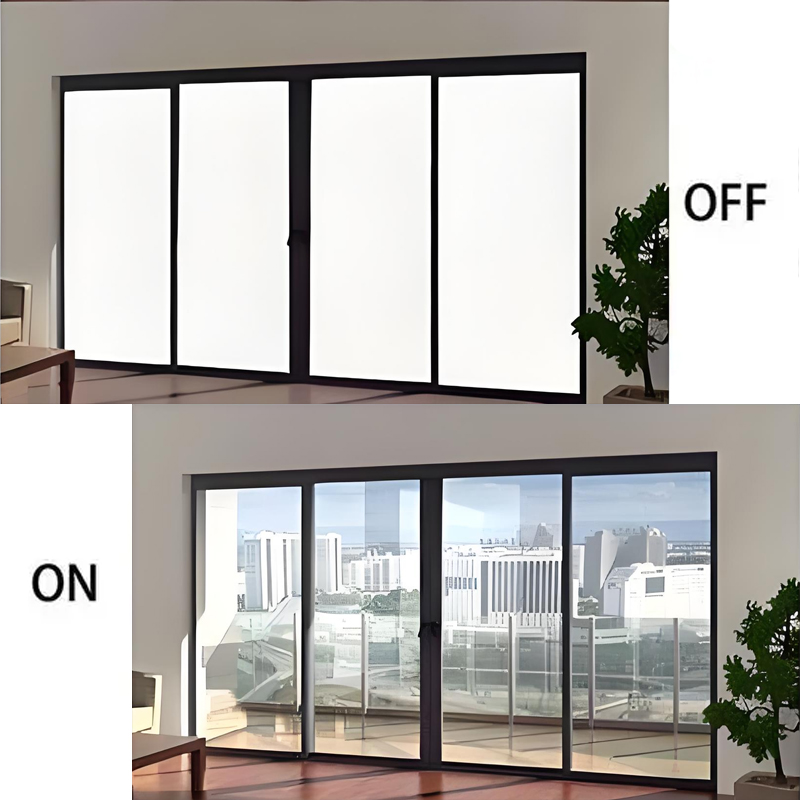
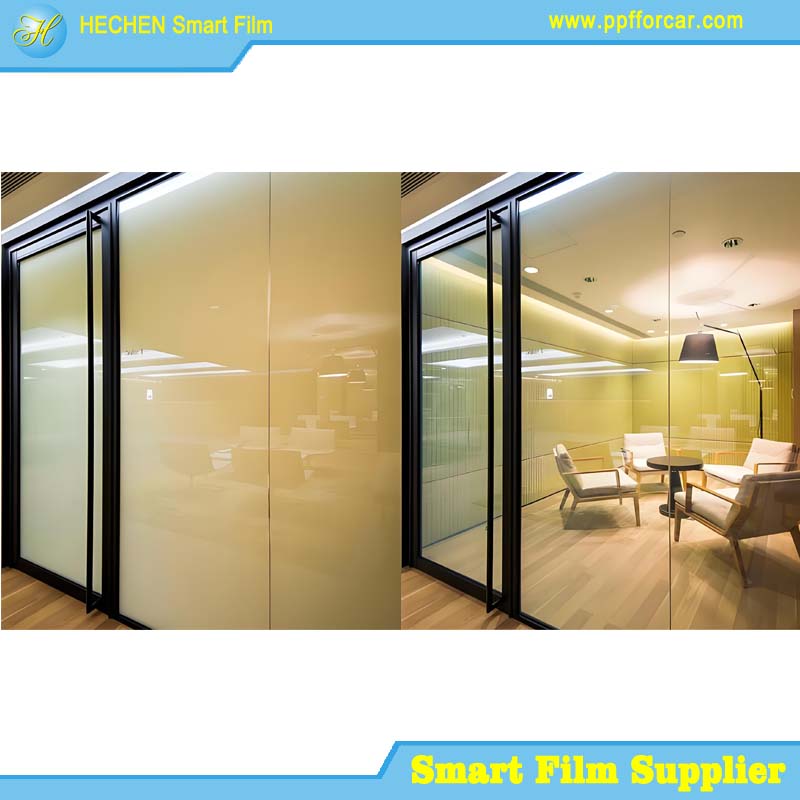
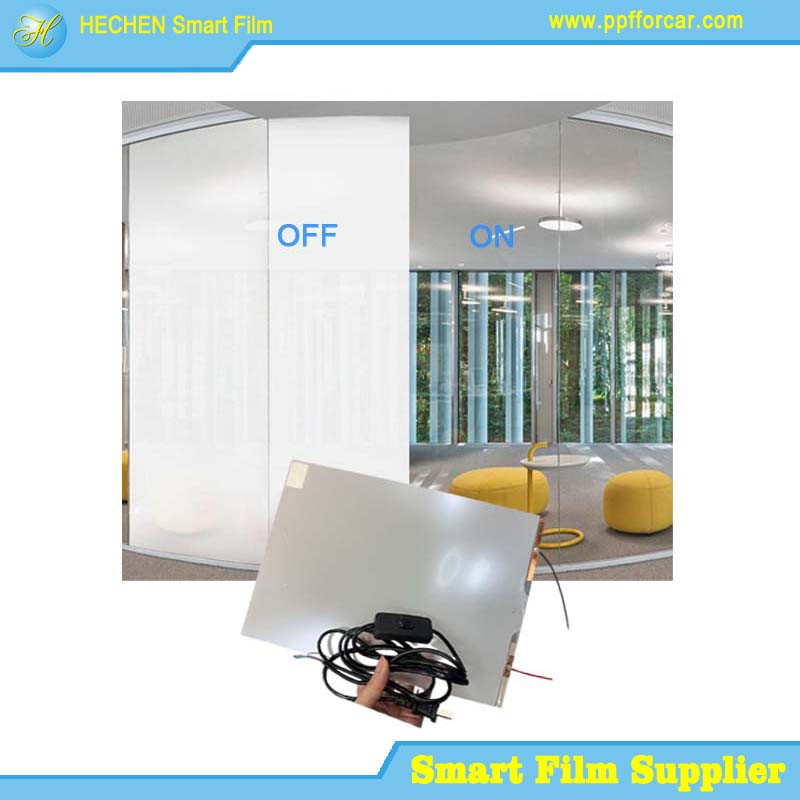
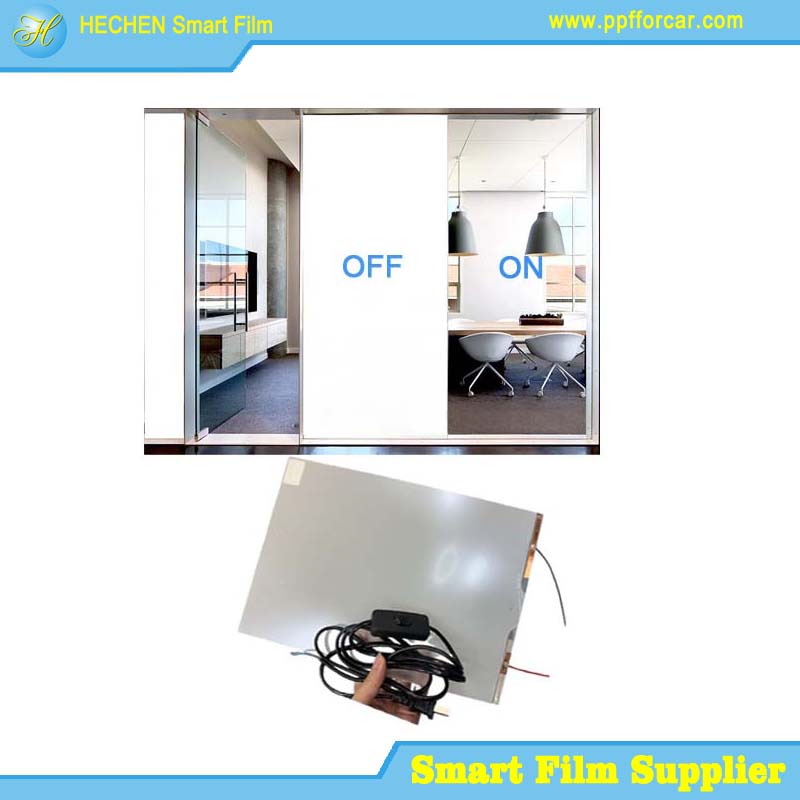
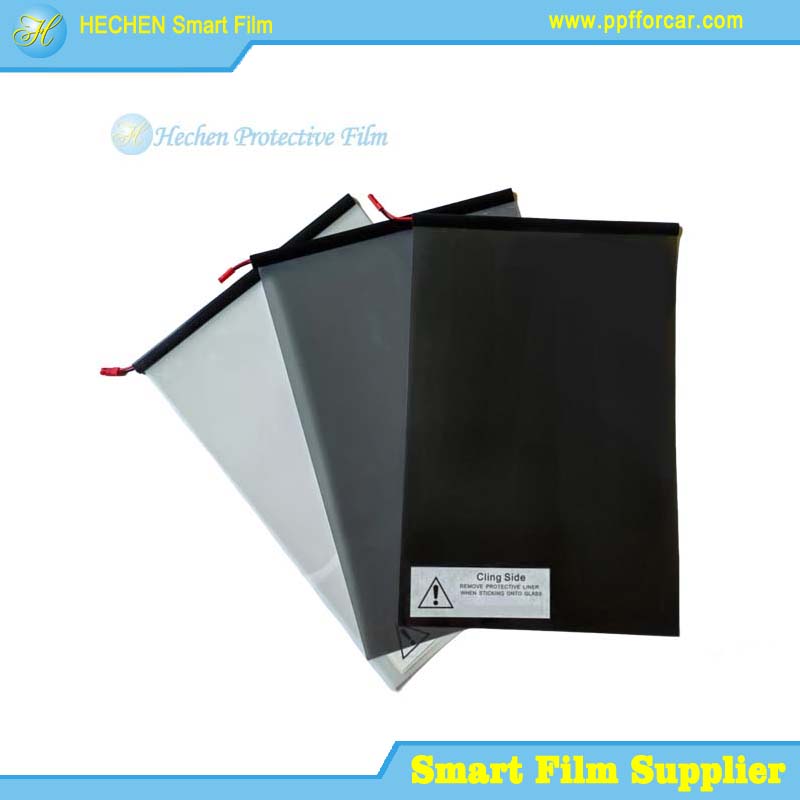
Another breakthrough is the rise of smart window films. These films, often incorporating liquid crystal or electrochromic technology, can switch between transparent and opaque states with the application of an electric current. Manufacturers are exploring these films for dynamic privacy and energy management solutions in smart buildings.
Eco-friendly manufacturing is also a priority. Many manufacturers are adopting solvent-free adhesives and recyclable materials to reduce environmental impact. Some are investing in energy-efficient production processes, such as using renewable energy sources in their factories.
Automation and AI are transforming production lines. Automated coating and lamination systems ensure precision and consistency, while AI-driven quality control detects defects in real-time, reducing waste. Additionally, manufacturers are using digital tools to simulate film performance, allowing them to design products that meet specific climate or architectural needs.
These advancements are enabling manufacturers to produce films that are more durable, versatile, and environmentally friendly, positioning the industry for continued growth.
Market Trends and Industry Outlook
The global window film market is experiencing robust growth, driven by increasing awareness of energy efficiency and sustainability. According to industry reports, the market is projected to grow at a compound annual growth rate (CAGR) of around 5-6% through the next decade, fueled by demand in residential, commercial, and automotive sectors.
Key trends include the rising popularity of energy-saving films in response to stricter building codes and environmental regulations. Governments and organizations are promoting window films as a cost-effective way to reduce energy consumption in buildings, particularly in regions with extreme climates.
The automotive sector is another growth driver, with consumers seeking films that enhance comfort and protect vehicle interiors. The trend toward electric vehicles (EVs) is also influencing demand, as films that reduce heat gain can extend EV battery range by lowering air conditioning use.
Customization is gaining traction, with manufacturers offering bespoke designs for decorative and branding purposes. This is particularly evident in commercial spaces, where businesses use window films to create visually appealing storefronts or office interiors.
Challenges in the industry include competition from low-cost manufacturers and the need for skilled installers to ensure proper application. However, leading manufacturers are addressing these issues by investing in training programs and certifications for installers, as well as emphasizing the superior quality of their products.
Sustainability and Environmental Impact
Window film manufacturers are increasingly focused on sustainability, recognizing their role in combating climate change. Energy-saving films reduce the need for air conditioning, lowering carbon emissions in buildings and vehicles. Some manufacturers estimate that their films can reduce energy consumption in buildings by up to 30%, contributing to greener urban environments.
In production, companies are adopting eco-friendly practices, such as using water-based adhesives and reducing waste through efficient manufacturing processes. Some are also exploring biodegradable or recyclable films to minimize environmental impact at the end of the product’s life cycle.
By promoting the longevity of glass surfaces (e.g., through anti-graffiti or safety films), manufacturers reduce the need for frequent glass replacements, further conserving resources. These efforts align with global sustainability goals and appeal to environmentally conscious consumers.
Conclusion
Window film manufacturers are at the forefront of an industry that combines innovation, functionality, and sustainability. Through advanced materials, cutting-edge technologies, and a commitment to environmental responsibility, they produce films that enhance the performance and aesthetics of glass surfaces across various applications. As demand for energy-efficient and customizable solutions grows, manufacturers are poised to play a pivotal role in shaping the future of architecture, automotive design, and sustainability. By continuing to invest in R&D, eco-friendly practices, and market education, window film manufacturers will not only meet the needs of today’s consumers but also contribute to a more sustainable and visually appealing world. Whether it’s reducing energy costs, enhancing safety, or adding a touch of style, the impact of window films—and the manufacturers behind them—cannot be overstated.
For more about the window film manufacturer , you can pay a visit to Hechen PDLC Smart Film Manufacturers for more info.