You Can Understand the Switchable Privacy Glass Installation Cost in Seconds
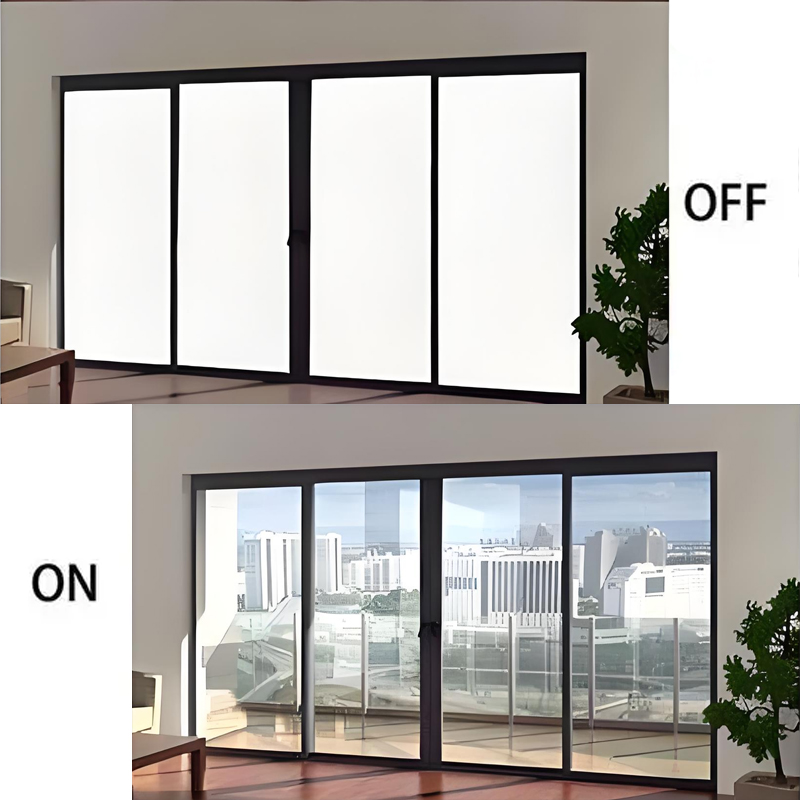
In an era where privacy, energy efficiency, and modern aesthetics converge, switchable privacy glass has become a sought-after solution for homes, offices, and commercial spaces. As of August 30, 2025, this innovative technology allows users to transform transparent glass into an opaque barrier with the simple flip of a switch, a remote control, or even a voice command via smart home integration. Often referred to as smart glass, it eliminates the need for traditional blinds or curtains, offering on-demand privacy while maintaining natural light flow.
The demand for switchable privacy glass has surged in recent years, driven by advancements in materials like Polymer Dispersed Liquid Crystal (PDLC) and electrochromic films. According to industry reports, the global smart glass market is projected to reach $15 billion by 2028, with residential and commercial installations leading the growth. However, one of the primary concerns for potential adopters is the cost—particularly installation expenses, which can vary widely based on factors such as glass type, size, location, and additional features like automation.
This article delves into the intricacies of switchable privacy glass installation costs in 2025. We'll explore what switchable privacy glass entails, the different types available, the step-by-step installation process, key factors influencing pricing, a detailed cost breakdown, real-world examples, and tips to optimize your investment. Whether you're retrofitting an existing window in your home or outfitting a corporate boardroom, understanding these elements will empower you to make informed decisions. By the end, you'll have a clear picture of the financial commitment involved and how it translates to long-term value through energy savings and enhanced functionality.
What is Switchable Privacy Glass?
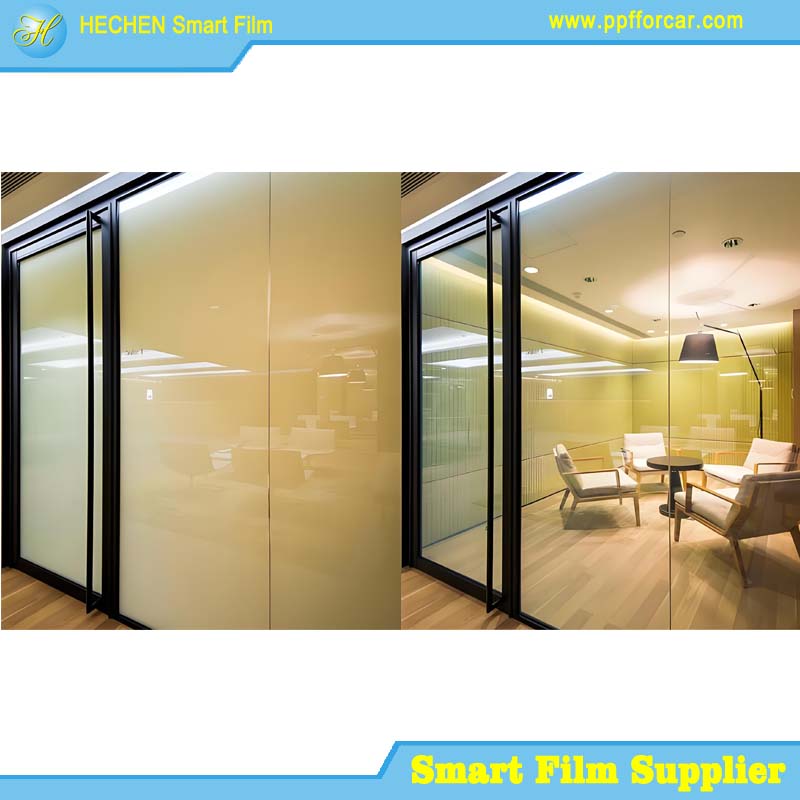
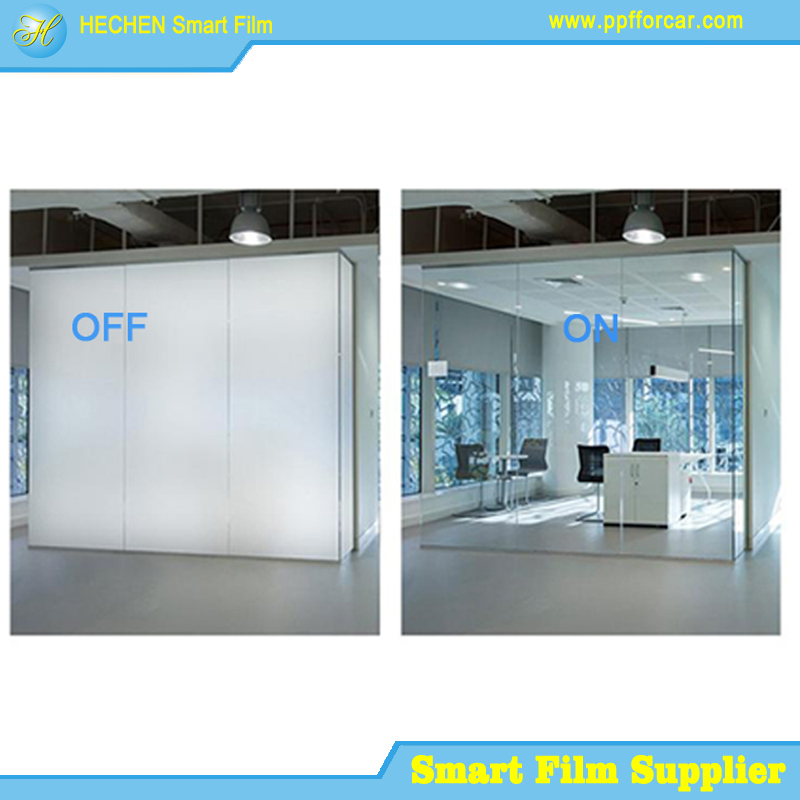
Switchable privacy glass, also known as smart glass or privacy glass, is a type of glazing that can change its appearance from transparent to translucent or opaque on demand. This transformation is achieved through the application of an electric current, which alters the alignment of particles within the glass or film layers. The technology has roots in liquid crystal displays (LCDs) but has been adapted for architectural use, providing versatile applications in windows, doors, partitions, and even automotive windshields.
At its core, switchable privacy glass consists of multiple layers: typically, two panes of glass sandwiching a switchable layer, such as PDLC film, suspended particle device (SPD) material, or electrochromic coatings. In the "off" state (no power applied), the glass appears frosted or tinted, scattering light to obscure views while allowing diffused illumination. When powered on—usually with a low-voltage supply of 24-110V—the particles align, rendering the glass clear with high optical transparency, often exceeding 80-90%.The appeal lies in its multifunctionality. Beyond privacy, it blocks up to 99% of UV rays, reduces glare, and contributes to thermal insulation, potentially lowering energy bills by 10-20% in heating and cooling costs.
In residential settings, it's ideal for bathrooms, bedrooms, or home offices where instant seclusion is desired without sacrificing light. Commercially, it's used in conference rooms, hospitals, and retail displays to create dynamic spaces. Recent innovations in 2025 include integration with IoT systems like Amazon Alexa or Google Home, enabling voice or app control, and even solar-powered variants for eco-friendly installations.
However, switchable privacy glass isn't without limitations. It requires a reliable power source, and in power outages, it reverts to its opaque state, which could be inconvenient in certain scenarios. Maintenance is minimal, but improper installation can lead to issues like bubbling or electrical failures. Environmentally, the production involves polymers and conductive materials, but many manufacturers now use recyclable components to align with sustainable building standards like LEED certification.
Overall, switchable privacy glass represents a fusion of technology and design, transforming static windows into interactive elements that enhance user experience and property value.
Types of Switchable Privacy Glass
Switchable privacy glass comes in several varieties, each with unique mechanisms, benefits, and cost implications. The three primary types are PDLC, SPD, and electrochromic glass, differing in how they achieve the switchable effect and their suitability for various applications.
PDLC (Polymer Dispersed Liquid Crystal) glass is the most common and affordable option. It embeds liquid crystals in a polymer matrix between conductive layers. When unpowered, the crystals scatter light for opacity; electricity aligns them for clarity. PDLC offers rapid switching (under a second) and is excellent for privacy, with transparency rates up to 98% in premium models.
It's versatile for indoor use but less effective for tinting against solar heat. Costs for PDLC glass range from $85 to $130 per square foot, making it popular for retrofits and new constructions.
SPD (Suspended Particle Device) glass uses microscopic particles suspended in a fluid layer. Power aligns these particles for transparency, while off-state randomness creates a tinted, opaque effect. SPD excels in variable tinting, blocking up to 99% of light for superior glare control and energy efficiency, ideal for exteriors like skylights or facades. However, it's more expensive, typically $100 to $150 per square foot, due to its advanced light-modulating capabilities.
Brands like Research Frontiers dominate this segment, offering durability in harsh weather.
Electrochromic glass employs a thin film that changes color via ion movement when voltage is applied. It transitions gradually (seconds to minutes) from clear to tinted states, providing excellent solar control and UV protection without full opacity. This type is energy-efficient, consuming power only during transitions, and integrates well with building management systems. Prices are higher, around $75 to $150 per square foot, reflecting its sophisticated nanotechnology. Companies like SageGlass and View Inc. lead in electrochromic solutions, often used in high-end commercial buildings for their aesthetic and functional balance.
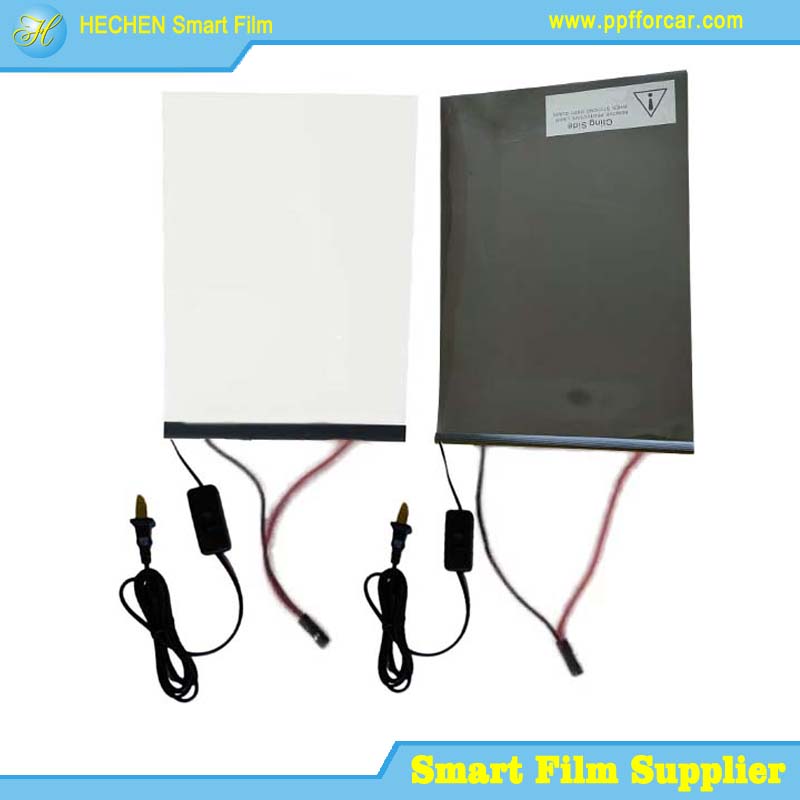
Additionally, there's a distinction between full smart glass panels (laminated with the switchable layer inside) and smart films (adhesive appliques for existing glass). Films are cheaper ($25-$55 per square foot) but may require more labor for installation. Hybrid options combining PDLC with electrochromic features are emerging in 2025, offering customizable tint levels at a premium cost.
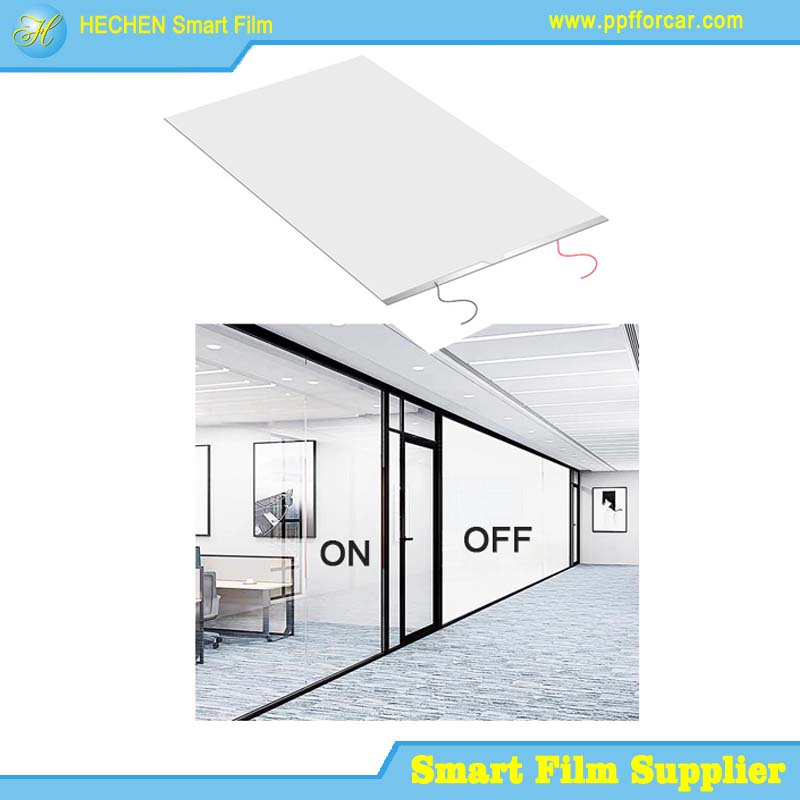
Choosing the type depends on needs: PDLC for quick privacy, SPD for light control, and electrochromic for gradual shading. Each impacts installation complexity and overall expenses.
Installation ProcessInstalling switchable privacy glass involves precise steps to ensure functionality and longevity. The process varies between new glass panels and retrofit films but generally requires professional expertise to handle electrical components safely.
For full smart glass panels, installation begins with site assessment: measuring windows, checking structural integrity, and planning electrical routing. Panels arrive pre-laminated with the switchable layer, busbars (electrical connectors), and sometimes integrated wiring. Installers remove existing glass if retrofitting, then frame the new panels using standard glazing techniques like silicone sealing or mechanical fasteners. Electrical connections follow, linking busbars to a low-voltage transformer (typically 48-60V) and controller. This may involve running concealed wires through walls or ceilings to a power source, often requiring an electrician for compliance with building codes. Testing ensures seamless switching, and final touches include edge sealing to prevent moisture ingress.
Retrofit smart films are simpler but demand cleanliness. The glass surface is thoroughly cleaned with isopropyl alcohol to remove residues. The film, cut to size, has its protective liner peeled, then applied using a spray solution or dry method, squeegeed to eliminate bubbles. Busbars are attached along edges, soldered or clipped, and connected to the power supply. For large areas, zoning allows sectional control. The entire process takes 1-4 hours per window, depending on size.
Professional installation is recommended for both, as DIY errors can void warranties or cause failures. Costs include labor ($10-$20 per square foot), materials like transformers ($120-$200 each), and permits if needed. Post-installation, calibration with smart apps ensures integration, and maintenance involves occasional cleaning with non-abrasive cloths.Safety is paramount: installers must adhere to electrical standards to avoid shocks or shorts. In 2025, advancements like wireless controls reduce wiring complexity, streamlining the process.
Factors Influencing Installation CostSeveral variables determine the installation cost of switchable privacy glass, making it essential to evaluate them for accurate budgeting.
Project scale is primary: larger areas benefit from economies of scale, reducing per-square-foot costs. A single window might cost $100-$150 per square foot, while whole-building installations drop to $70-$100.
Type of glass—PDLC, SPD, or electrochromic—affects pricing due to material differences and complexity.
Location and accessibility play roles; urban areas with high labor rates (e.g., $50-$100/hour for glaziers) inflate costs, while remote sites add travel fees. Retrofitting existing structures is cheaper than new builds but may involve demolition ($200-$500 per window).
Customization adds premiums: curved glass, colored tints, or IoT integration can increase expenses by 20-50%. Electrical requirements, like dedicated circuits or solar backups, add $500-$2,000. Brand quality varies; premium manufacturers like Gauzy or Smart Tint offer warranties (5-10 years) but at higher prices.Market fluctuations in 2025, influenced by supply chain issues or raw material costs (e.g., indium for conductive layers), can shift prices 5-10%. Bulk discounts for commercial projects lower rates, while residential ones face markups.
Finally, installer expertise: certified professionals ensure compliance but charge more than general contractors. Factoring these ensures realistic expectations.
Cost Breakdown
A comprehensive cost breakdown for switchable privacy glass installation in 2025 reveals expenses across materials, labor, and extras.
Material costs dominate: PDLC smart glass panels range $85-$130 per square foot, SPD $100-$150, and electrochromic $75-$150. Smart films are budget-friendly at $25-$55 per square foot. For a 10-square-foot window, this translates to $250-$1,500 in materials alone.Labor constitutes 20-35% of total costs, averaging $10-$20 per square foot for installation, plus $50-$100/hour for electricians. A standard job might add $200-$500.
Accessories include transformers ($120-$200), controllers ($100-$300), and wiring ($50-$200). Permits and inspections: $100-$300.Total installed costs: $70-$150 per square foot for glass, $50-$100 for films.A 20-square-foot office partition: $1,400-$3,000; a home setup for five windows: $5,000-$15,000.Long-term, energy savings offset 10-20% annually, with ROI in 5-7 years.
Examples and Case Studies
Real-world examples illustrate costs. A 2023 office retrofit with PDLC film cost $17,000 for 170 square feet ($100/sq ft). A 2025 residential project: $20,000 for smart glass panels in a modern home ($135/sq ft). Tips to Save MoneyOpt for films over panels, buy in bulk, choose local installers, and integrate during renovations to cut costs.
Conclusion
Switchable privacy glass offers transformative benefits, with installation costs in 2025 ranging $50-$150 per square foot. By understanding factors and types, you can budget effectively for a worthwhile investment.
For more about you can understand the switchable privacy glass installation cost in seconds, you can pay a visit to Hechen PDLC Smart Film Manufacturers for more info.