Best Removable Tint for Car Owners in 2026
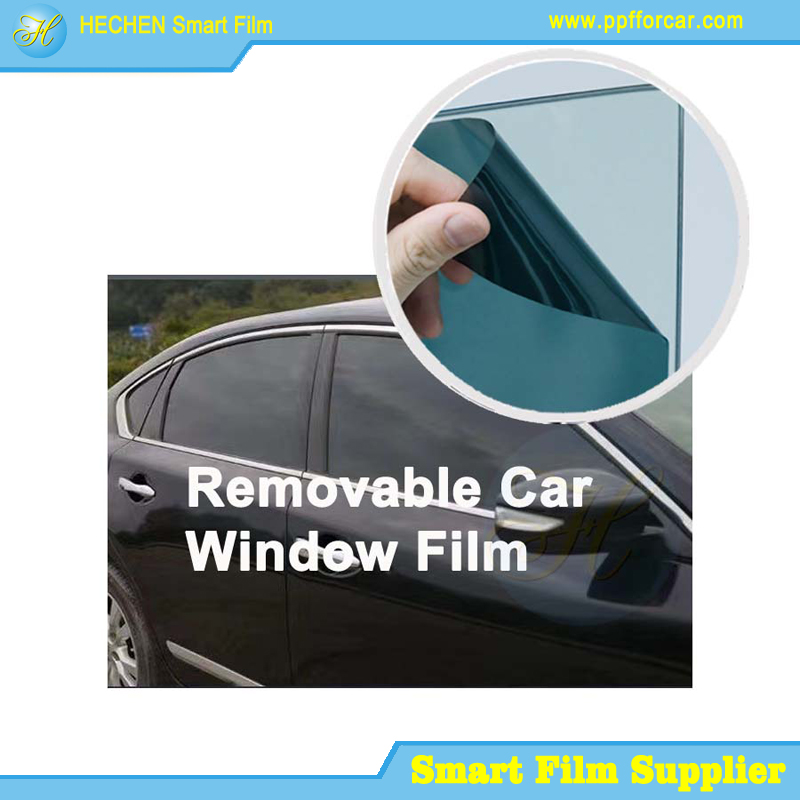
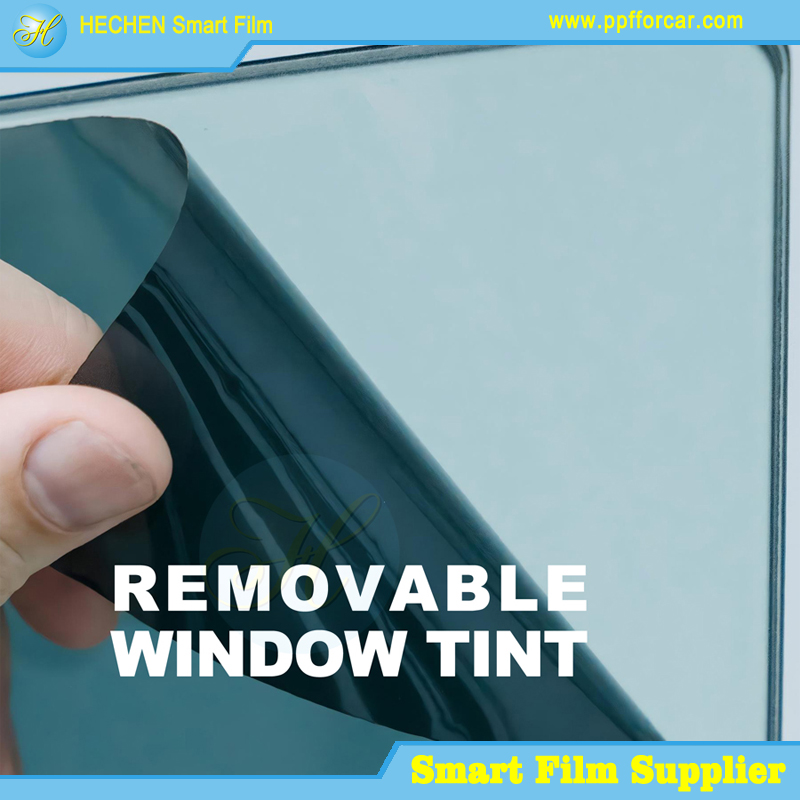
As automotive consumers increasingly seek flexible privacy and sun-control solutions, the demand for removable tint for car applications continues to grow. Unlike traditional adhesive tint films, modern reusable car window film utilizes electrostatic adsorption technology, allowing drivers to install, remove, and reuse window tint without damaging glass or leaving adhesive residue.
For rental vehicle users, fleet operators, outdoor enthusiasts, and drivers who prefer DIY solutions, temporary window tint for cars offers significant advantages in convenience, flexibility, and cost efficiency.
But with many products entering the market, how do you identify the best removable tint for car owners in 2026?
This technical buying guide examines the key performance indicators that determine the quality of reusable electrostatic tint films and helps buyers select the right solution for their vehicles.
What to Look for in Reusable Window Tint
Not all removable window films offer the same performance. High-quality products are distinguished by their materials, optical clarity, UV protection capabilities, and electrostatic adhesion stability.
When evaluating a reusable car window film, buyers should focus on the following criteria:
Key Purchasing Factors
Heat rejection efficiency
UV protection performance
Electrostatic adsorption strength
Optical transparency
Privacy levels
Durability and reusability
Ease of installation
Compliance with local tint regulations
Selecting the right combination of these features ensures both driving comfort and long-term value.
Heat Rejection Performance
One of the primary reasons drivers install window tint is to reduce cabin temperatures.
The best removable tint for car applications should effectively block solar heat while maintaining visibility.
Understanding Heat Rejection
Solar energy reaching vehicle windows consists of:
Ultraviolet (UV) radiation
Visible light
Infrared (IR) radiation
Infrared energy is responsible for most heat buildup inside vehicles.
Premium removable tint products often incorporate:
Nano-ceramic coatings
Infrared reflective layers
Multi-layer PET structures
These technologies significantly improve thermal insulation.
Benefits of High Heat Rejection
Effective heat control helps:
Reduce air conditioning usage
Improve passenger comfort
Protect interior materials
Lower fuel or battery consumption
For hot climate regions, high infrared rejection should be a top priority when choosing a temporary window tint for cars.
UV Protection Standards
Heat reduction is important, but UV protection is equally critical.
Extended exposure to ultraviolet radiation can cause:
Dashboard fading
Leather cracking
Interior discoloration
Skin damage during driving
Recommended UV Performance
The best reusable car window film products should block:
99% or more of UV-A rays
99% or more of UV-B rays
Premium electrostatic tint films achieve these levels through advanced UV-absorbing coatings integrated into the film structure.
Why UV Protection Matters
Benefits include:
Longer interior lifespan
Reduced fading
Enhanced passenger protection
Improved vehicle resale value
UV performance should always be verified through independent testing specifications.
Electrostatic Adsorption Strength
The defining feature of temporary window tint for cars is its electrostatic attachment system.
Unlike traditional adhesive tint, electrostatic films rely on molecular attraction to remain attached to the glass surface.
Characteristics of High-Quality Electrostatic Tint
Premium products should provide:
Stable adhesion during driving
Resistance to vibration
Reliable performance under temperature changes
Easy repositioning during installation
Instant removal when required
Signs of Poor Electrostatic Performance
Low-quality films often:
Slide on the glass
Develop edge lifting
Lose adhesion after repeated use
Attract excessive dust contamination
For long-term reusable performance, electrostatic layer quality is one of the most important purchasing factors.
Visibility and Privacy Options
Different users require different levels of privacy and visibility.
The best removable tint for car owners depends largely on intended use.
Privacy-Oriented Applications
Suitable for:
Camping vehicles
Ride-share vehicles
Family SUVs
Fleet transportation
These applications often prefer darker films.
Visibility-Oriented Applications
Suitable for:
Daily commuting
Commercial fleets
Long-distance driving
These users generally prefer lighter tint percentages.
Balancing Privacy and Safety
The ideal solution should provide:
Reduced glare
Enhanced privacy
Safe nighttime visibility
Regulatory compliance
Choosing the appropriate Visible Light Transmission (VLT) level is essential.
How to Choose the Right VLT Percentage
Visible Light Transmission (VLT) measures the percentage of light that passes through the film.
Lower VLT values produce darker tint.
Common VLT Options
| VLT | Appearance | Application |
|---|---|---|
| 70% | Very Light | Windshields (where legal) |
| 50% | Light | Daily driving |
| 35% | Medium | Balanced privacy |
| 20% | Dark | Increased privacy |
| 5% | Very Dark | Maximum privacy |
Recommended VLT Selection
70% VLT
Ideal for drivers seeking UV and heat protection while maintaining factory-like appearance.
50% VLT
Offers moderate heat rejection with excellent visibility.
35% VLT
One of the most popular choices for balancing privacy and safety.
20% VLT
Suitable for users prioritizing privacy.
5% VLT
Typically used for specialized privacy applications and may be restricted in some regions.
Always verify local tint regulations before selecting VLT levels.
Best Tint for Sedans, SUVs, and Trucks
Different vehicle categories often benefit from different tint specifications.
Sedans
Recommended Features:
35%–50% VLT
High optical clarity
Strong UV protection
Sedan owners often prioritize aesthetics and driving visibility.
SUVs
Recommended Features:
20%–35% VLT
Enhanced privacy
High heat rejection
SUVs frequently transport families and benefit from increased solar protection.
Pickup Trucks
Recommended Features:
Durable PET construction
Strong electrostatic adhesion
Flexible removal capability
Truck owners often use removable tint for work-related or seasonal applications.
Fleet Vehicles
Recommended Features:
Consistent appearance
Easy replacement
Fast installation
Bulk purchasing availability
Electrostatic tint is particularly attractive for fleet management due to its reusable nature.
Wholesale and OEM Options
The growing popularity of temporary window tint for cars has created significant opportunities for distributors, wholesalers, and automotive accessory brands.
OEM Manufacturing Services
Professional manufacturers typically offer:
Custom film dimensions
Private label branding
Custom VLT configurations
Packaging design
Technical certification support
Wholesale Advantages
Bulk buyers can benefit from:
Lower unit costs
Consistent quality control
Faster inventory turnover
Product differentiation
Growing Market Demand
The increasing adoption of:
Rental vehicles
Car-sharing platforms
Fleet operations
DIY automotive accessories
continues to drive demand for reusable car window film worldwide.
For distributors seeking innovative alternatives to traditional adhesive tint, electrostatic removable tint represents a fast-growing category with strong market potential.
Conclusion
The best removable tint for car owners in 2026 combines advanced electrostatic adsorption technology with excellent UV protection, effective heat rejection, strong optical clarity, and long-term reusability.
When evaluating temporary window tint for cars, buyers should focus on:
Heat rejection performance
UV blocking capability
Electrostatic adhesion strength
VLT selection
Reusable lifespan
Vehicle compatibility
Whether you are a vehicle owner looking for a flexible DIY solution or a distributor exploring emerging automotive accessories, reusable car window film offers a practical and innovative alternative to traditional adhesive tint.
Recommended linking:
The Complete Guide to Removable Tint for Car Windows
Recommend related products:
removable car window tints 5.2mil