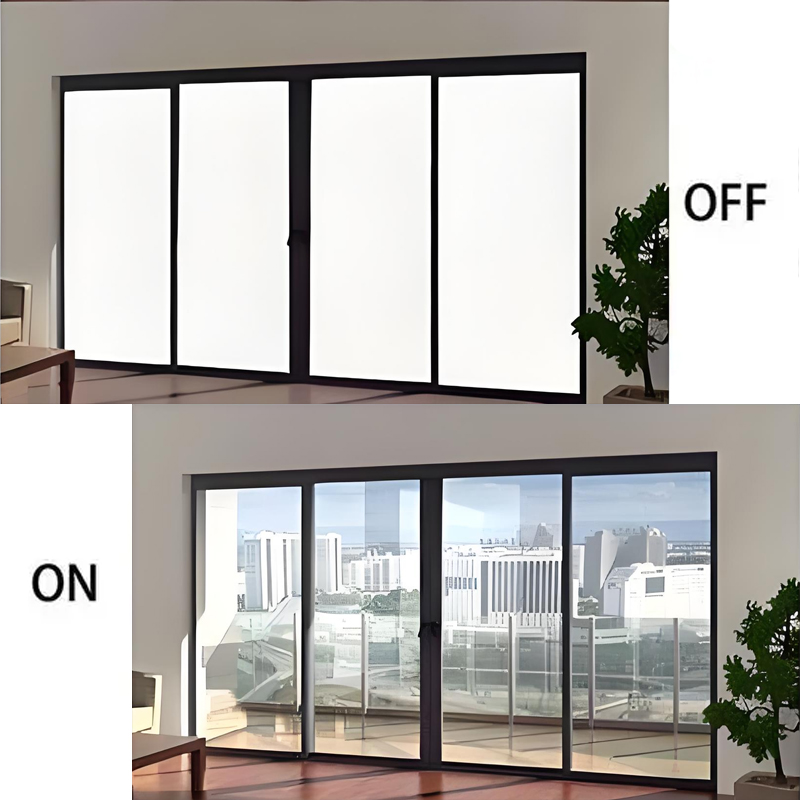
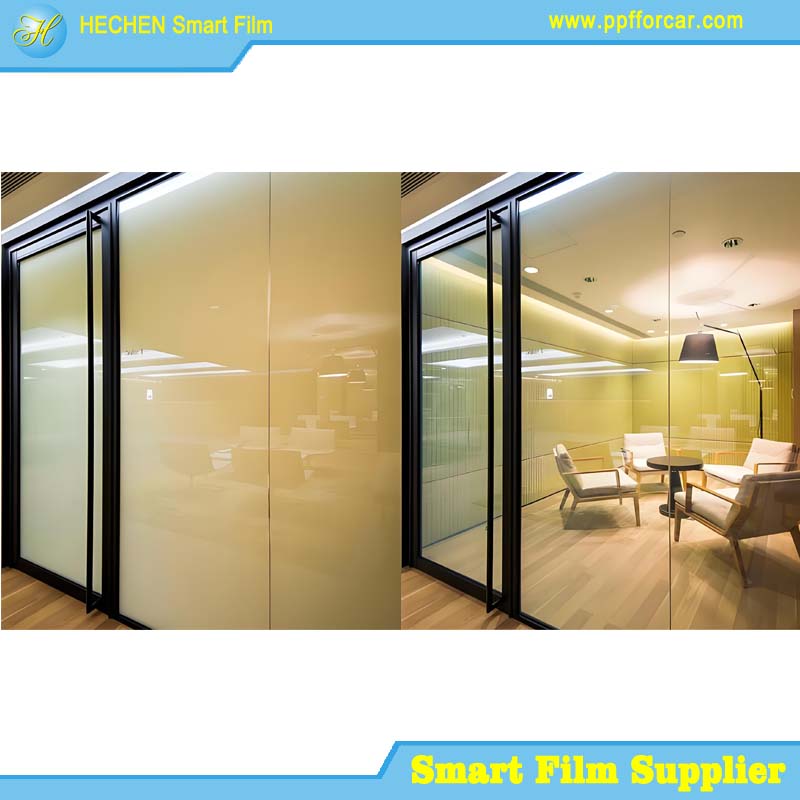
How to Choose the Best PDLC Smart Film for Cars
As intelligent automotive technology continues evolving, more vehicle owners, automotive customization companies, and distributors are investing in PDLC smart film for cars. From luxury sedans and executive vans to electric vehicles and commercial transportation, smart glass technology is rapidly becoming a premium automotive upgrade.
However, not all smart films are the same.
Many buyers searching for the best PDLC smart film for cars focus only on price, while ignoring critical technical factors that directly affect:
Transparency performance
Durability
Heat resistance
Switching speed
Installation stability
Long-term reliability
Choosing the wrong product can result in:
Poor clarity
Slow switching
Film delamination
Electrical instability
Reduced lifespan
In this technical guide, we’ll explain how to choose high-quality automotive smart film by analyzing the most important specifications, including:
Thickness
Clarity
UV rejection
IR rejection
Response speed
Adhesive quality
Lifespan
If you plan to buy PDLC smart film for automotive applications, this guide will help you make a professional purchasing decision.
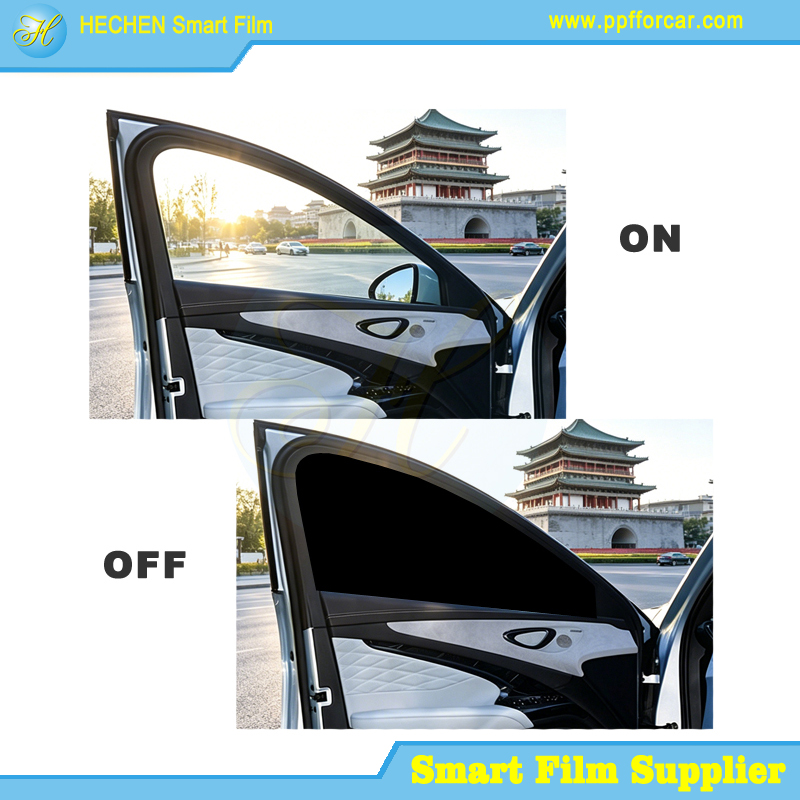
Why Product Quality Matters in Automotive Applications
Automotive environments are much more demanding than architectural installations.
Vehicle smart film must withstand:
High temperatures
UV exposure
Constant vibration
Curved glass surfaces
Electrical fluctuations
Humidity changes
Low-quality products often fail prematurely.
That’s why selecting the best PDLC smart film for cars requires evaluating several critical technical indicators.
1. Thickness: Why It Matters
Film thickness is one of the most overlooked specifications in the smart film industry.
Standard PDLC Film Thickness
Automotive PDLC film generally ranges between:
0.3 mm to 0.5 mm
Thickness directly affects:
Flexibility
Durability
Optical performance
Installation compatibility
Thin vs Thick Smart Film
| Feature | Thin Film | Thick Film |
|---|---|---|
| Flexibility | Better | Lower |
| Curved Glass Compatibility | Excellent | Moderate |
| Mechanical Strength | Lower | Higher |
| Installation Difficulty | Easier | Harder |
| Weight | Lighter | Heavier |
Best Thickness for Cars
For automotive applications, medium-thickness film is usually ideal because it balances:
Durability
Curved surface adaptability
Optical clarity
Professional automotive smart film suppliers typically optimize thickness specifically for vehicle environments.
2. Clarity: One of the Most Important Factors
Clarity is a critical quality indicator when selecting PDLC smart film for cars.
Low-quality smart film often appears:
Hazy
Cloudy
Yellowish
Distorted
This significantly reduces vehicle aesthetics and driver visibility.
What Affects Clarity?
Several factors influence film transparency:
Liquid Crystal Quality
Premium liquid crystals provide:
Better alignment
Higher transparency
Lower haze
ITO Conductive Layer Quality
Uniform conductive coating improves:
Voltage distribution
Optical consistency
Transparency performance
Manufacturing Precision
Advanced production technology ensures:
Smooth surface appearance
Stable switching
High visible light transmission
Why High Clarity Matters
High transparency is essential for:
Driving safety
Passenger comfort
Luxury appearance
Smart vehicle aesthetics
The best PDLC smart film for cars should provide excellent visibility in transparent mode.
3. UV Rejection Performance
UV rejection is one of the most valuable benefits of automotive smart film.
High-quality PDLC film can block up to:
99% UV radiation
Why UV Protection Is Important
Continuous UV exposure damages:
Leather seats
Dashboard materials
Interior plastics
Electronic surfaces
UV protection also improves:
Passenger comfort
Skin protection
Interior lifespan
What to Look For
When you buy PDLC smart film, ask suppliers for:
UV rejection test reports
Technical specifications
Performance certifications
Reliable automotive smart film suppliers usually provide professional testing data.
4. IR Rejection and Heat Control
IR rejection refers to infrared heat blocking capability.
This is especially important for:
Hot climates
Electric vehicles
Luxury transportation
Commercial fleets
Benefits of IR Rejection
Effective infrared blocking helps:
Reduce cabin temperature
Improve AC efficiency
Increase passenger comfort
Lower energy consumption
For EVs, heat reduction can improve battery efficiency.
Smart Film vs Traditional Tint for Heat Reduction
| Feature | PDLC Smart Film | Traditional Tint |
|---|---|---|
| Dynamic Privacy | Yes | No |
| Smart Control | Yes | No |
| IR Rejection | High | Medium |
| UV Blocking | Excellent | Moderate |
| Premium Appearance | High | Standard |
5. Response Speed: A Key Luxury Indicator
Response speed refers to how quickly the film changes between:
Transparent state
Opaque state
High-quality PDLC film technology switches within milliseconds.
Why Fast Switching Matters
Fast switching improves:
Luxury user experience
Smart functionality
Professional appearance
Slow switching often indicates:
Inferior liquid crystal materials
Weak voltage control
Poor manufacturing quality
Factors Affecting Response Speed
Liquid Crystal Purity
Higher purity improves molecular alignment speed.
Stable Voltage Supply
Reliable transformers ensure smooth switching.
Film Structure Optimization
Premium manufacturing improves electrical efficiency.
6. Adhesive Quality: Critical for Long-Term Stability
Adhesive quality is one of the most important factors in automotive installations.
Poor adhesive systems can cause:
Edge peeling
Bubble formation
Delamination
Moisture penetration
Automotive Conditions Are Challenging
Vehicle windows experience:
Continuous vibration
Heat expansion
Temperature cycling
Humidity changes
The adhesive must remain stable under these conditions.
Features of High-Quality Adhesives
Professional automotive smart film uses adhesives with:
Strong bonding strength
Heat resistance
UV resistance
Moisture resistance
Why Cheap Smart Film Often Fails
Many low-cost films fail because manufacturers use:
Weak adhesive materials
Low-grade conductive layers
Poor lamination processes
This is why choosing a reliable automotive smart film supplier is extremely important.
7. Lifespan: Long-Term Investment Value
Lifespan is a major purchasing factor for automotive projects.
High-quality PDLC smart film for cars should maintain:
Stable transparency
Fast switching
Electrical reliability
Strong adhesion
for many years.
Factors Affecting Smart Film Lifespan
UV Stability
UV-resistant materials prevent yellowing.
Electrical Stability
Reliable conductive layers improve long-term operation.
Environmental Resistance
Automotive-grade films resist:
Heat
Moisture
Vibration
Weather exposure
Why Automotive Certification Matters
Professional suppliers often provide:
Automotive-grade testing
Reliability reports
Quality certifications
These indicators help ensure longer product lifespan.
How to Evaluate an Automotive Smart Film Supplier
Choosing the right supplier is just as important as choosing the product itself.
Look for Technical Expertise
Professional suppliers should understand:
Automotive voltage systems
Curved glass applications
Installation challenges
Smart film integration
Ask About OEM Support
Reliable manufacturers usually provide:
OEM customization
Custom dimensions
Branding support
Bulk production
Request Technical Documentation
Professional automotive smart film suppliers should provide:
Installation manuals
Wiring diagrams
Test reports
Product specifications
Evaluate Production Capacity
A strong supplier should have:
Stable production capability
Consistent quality control
International shipping experience
Why the Automotive Smart Film Market Is Growing
The global automotive industry is shifting toward:
Intelligent mobility
Smart electronics
Luxury customization
Energy-efficient technologies
As a result, more businesses are investing in:
Smart glass systems
Switchable privacy technology
Intelligent automotive upgrades
This creates significant opportunities for:
Distributors
Installers
Vehicle customization companies
Automotive electronics suppliers
Frequently Asked Questions
What is the best PDLC smart film for cars?
The best automotive PDLC film should offer:
High clarity
Fast response speed
Strong UV/IR rejection
Stable adhesive performance
Long lifespan
How thick should automotive smart film be?
Most automotive smart films range between 0.3 mm and 0.5 mm depending on application requirements.
Why is clarity important in PDLC film?
High clarity improves:
Driving safety
Passenger comfort
Luxury appearance
Optical performance
Does PDLC smart film block UV rays?
Yes. High-quality smart film can block up to 99% of UV radiation.
What affects smart film lifespan?
Lifespan depends on:
Material quality
Adhesive performance
Electrical stability
Installation quality
Why is adhesive quality important?
Automotive environments involve vibration, heat, and humidity, making adhesive stability essential for long-term durability.
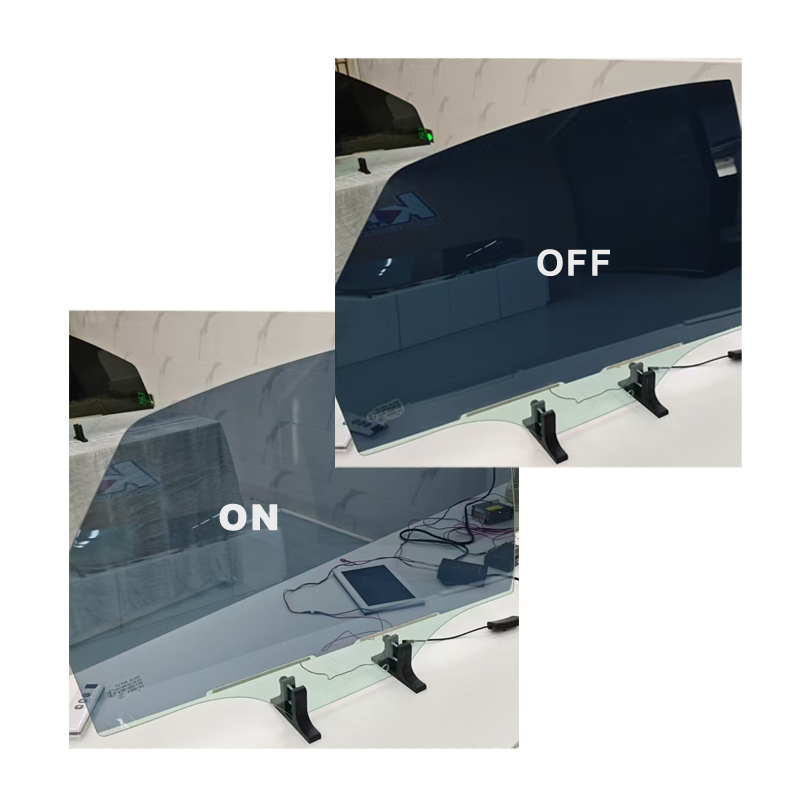
Final Thoughts
Choosing the best PDLC smart film for cars requires much more than comparing prices.
Professional buyers should carefully evaluate:
Thickness
Clarity
UV rejection
IR rejection
Response speed
Adhesive quality
Lifespan
High-quality PDLC film technology delivers:
Intelligent privacy
Luxury aesthetics
Energy efficiency
Long-term reliability
Whether you are planning to:
Buy PDLC smart film
Launch a distribution business
Upgrade luxury vehicles
Develop automotive smart glass projects
working with a reliable automotive smart film supplier is essential for long-term success.