2025 Buyer's Guide to PDLC Smart Film for Home Windows
Imagine transforming your bedroom window from clear glass to instant privacy with the flick of a switch—no curtains, no blinds, just pure light when you want it and complete seclusion when you don't. This is the promise of PDLC smart film, a technology that is rapidly moving from luxury hotels and executive boardrooms into mainstream homes. If you are considering a home upgrade in 2025, this guide will walk you through everything you need to know to make an informed purchase.
What Is PDLC Smart Film and How Does It Work?
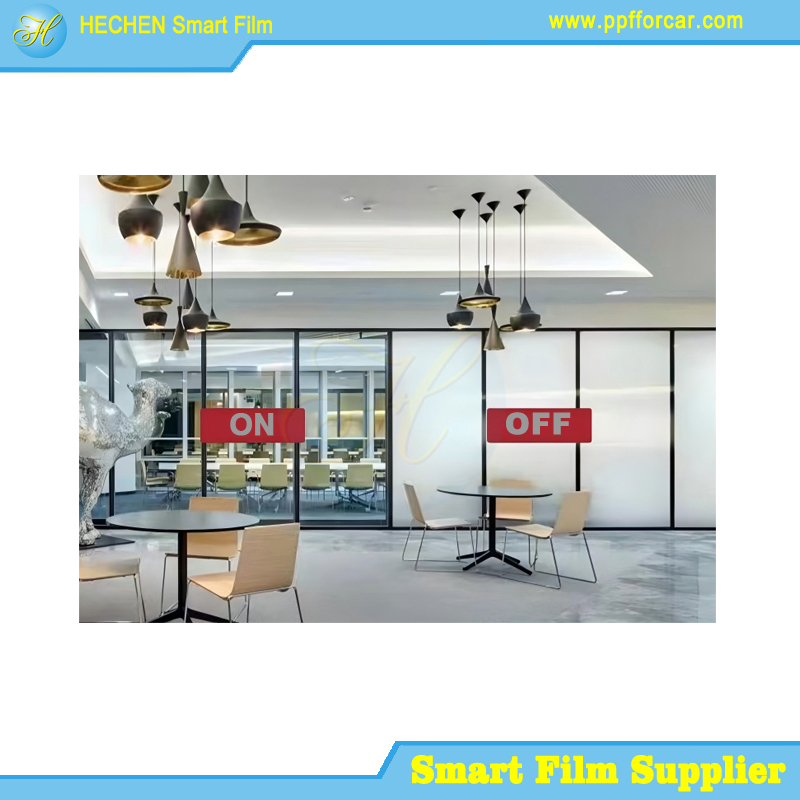
PDLC stands for Polymer Dispersed Liquid Crystal. At its core, the technology consists of liquid crystal droplets dispersed within a polymer matrix, sandwiched between two transparent conductive layers. Think of it as an "electronic curtain" that operates at the speed of electricity.
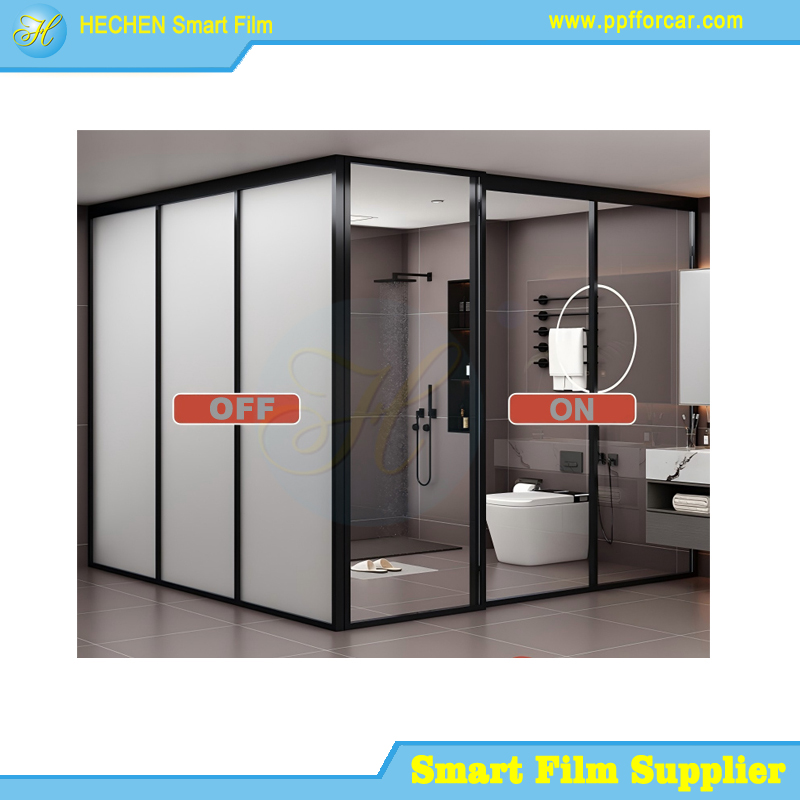
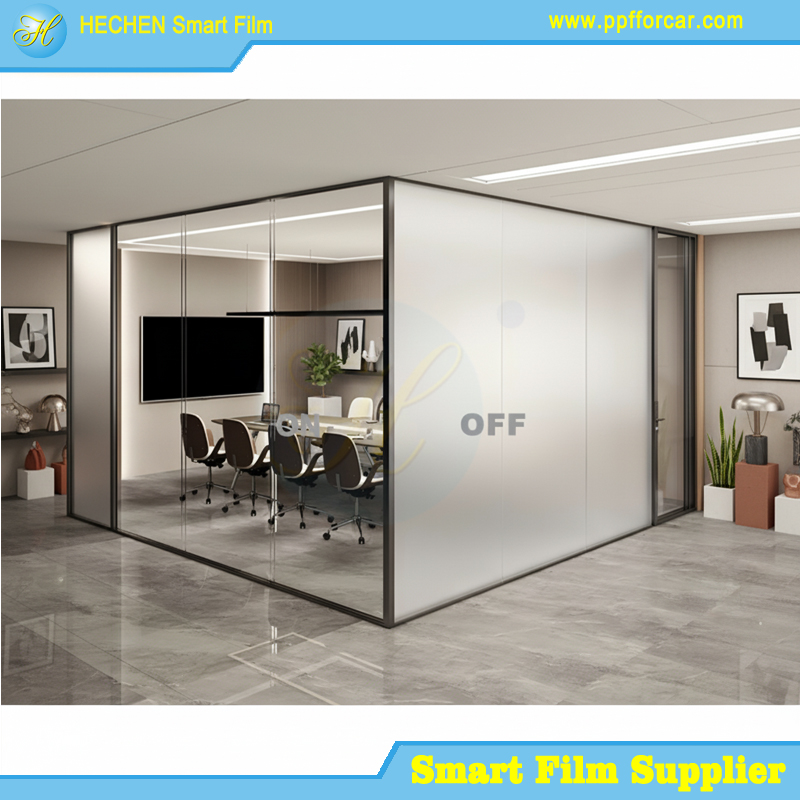
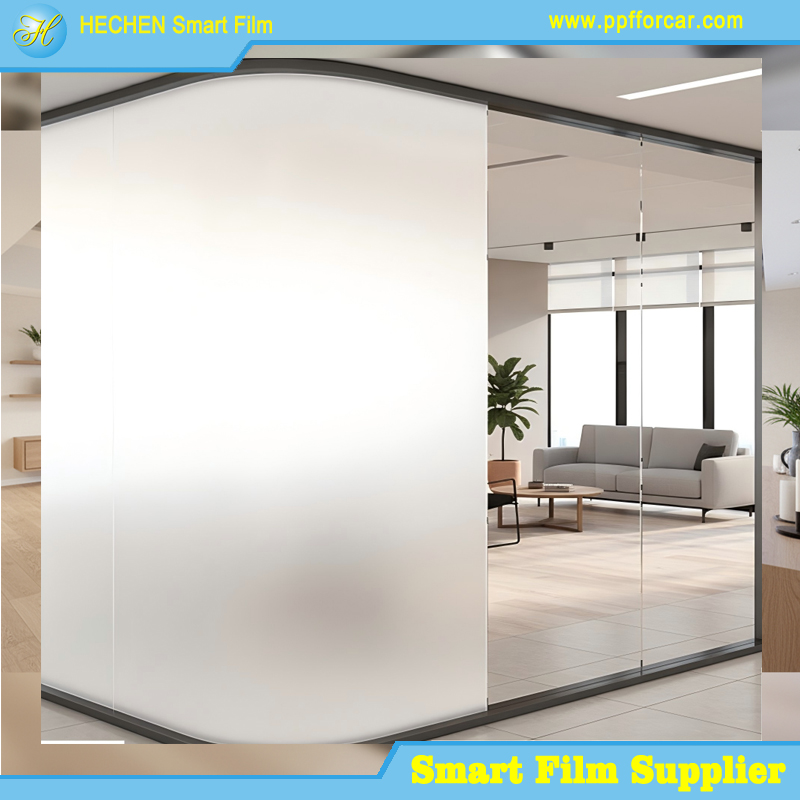
When no voltage is applied, the liquid crystals are randomly oriented, scattering light and giving the film a frosted, opaque appearance that provides complete privacy. When you flip a switch or activate a smart home command, an electric current aligns the crystals, allowing light to pass through and rendering the film transparent. This transformation happens almost instantaneously—typically within milliseconds—and can be controlled manually, via remote, or integrated into your home automation system.
Unlike fully integrated smart glass, which requires complete window replacement, PDLC film is designed as a retrofit solution. It adheres directly to your existing glass surfaces using pressure-sensitive adhesives, much like traditional window tinting. This makes it an accessible upgrade for homeowners who want smart functionality without the cost and disruption of new windows.
Key Performance Parameters: What the Numbers Mean
Before you start shopping, you need to understand the technical specifications that separate high-quality film from inferior alternatives. These numbers tell the real story.
Light Transmission
Light transmission measures how clear the film becomes when powered on. Quality PDLC films typically achieve 75% to 85% visible light transmission in their transparent state. The higher the percentage, the closer the film gets to the appearance of ordinary glass. Some premium products can exceed 85%, but be wary of any claim approaching 100%—the polymer matrix inherently causes some minimal light scattering.
Haze and Optical Clarity
Even in the transparent state, PDLC film retains a slight haze, typically between 2% and 5%. This is a normal characteristic of the technology and is barely noticeable in most residential settings. However, if you plan to use the film for applications requiring perfect clarity—such as viewing through to a carefully landscaped garden—you should evaluate samples under your specific lighting conditions.
Haze Uniformity in Opaque State
When privacy is activated, the film should become uniformly frosted across its entire surface. Inexpensive films may develop spots, streaks, or uneven patterns that are both noticeable and unsightly. Quality control during manufacturing ensures consistent droplet distribution, which translates to uniform opacity.
Switching Speed
Most PDLC films switch from opaque to clear in under one second. Slower switching times—several seconds or noticeable delay—often indicate lower-quality materials or inadequate power delivery systems. For residential use, fast switching enhances the "magic" experience, but even budget options typically perform adequately in this regard.
Power Consumption
When in the transparent state, PDLC film consumes electricity—typically 3 to 5 watts per square meter. This is remarkably efficient; a large residential window might cost only a few dollars per year to operate. When the film is in its opaque privacy state, it consumes no power at all.
UV Blocking
One of the significant benefits of PDLC film is its ability to block harmful ultraviolet radiation. Quality films block 98% to 99% of UV rays, protecting your furniture, artwork, and flooring from fading. This protection is active in both transparent and opaque states.
Understanding the Price Landscape
PDLC smart film represents a significant investment, but it is considerably more affordable than full smart glass replacement. Understanding the cost structure helps you budget realistically.
Price Ranges for 2025
For residential applications, you can expect to pay between $25 and $50 per square foot for the film material itself. This wide range reflects differences in quality, thickness, and included features. Basic films suitable for bedrooms or bathrooms fall toward the lower end, while premium products with enhanced clarity, better warranties, and smart home integration capabilities command higher prices.
Professional installation typically adds another $35 to $80 per square foot, depending on your location and the complexity of the installation. Electrical work to bring power to each window—including running wires, installing switches, and potentially integrating with home automation—can add several hundred dollars to the total project cost.
What Your Money Buys
At the entry level, you can expect:
Basic PDLC film with standard optical performance
Simple manual switching (wall switch or remote)
5- to 7-year expected lifespan
Limited warranty coverage
At the premium level, you receive:
Higher light transmission and lower haze
Uniform opacity with better aesthetics
Full smart home integration (Alexa, Google Home, Control4)
10- to 15-year expected lifespan
Comprehensive warranties covering performance and adhesion
Hidden Costs to Anticipate
Beyond the obvious material and installation expenses, several hidden costs can affect your budget. If your existing windows are old, damaged, or dirty, they may require professional cleaning or restoration before film application. Imperfections in the glass surface can cause bubbles or poor adhesion, leading to premature failure.
Electrical work can become expensive if your windows are far from existing power sources or if you desire complex control systems. Retrofitting wiring into finished walls is always more costly than rough-in during construction.
Finally, consider the cost of replacement. Even the best PDLC films eventually degrade and will need replacement after 10 to 15 years. Budget options may need replacement in as little as 5 to 7 years.
Types of PDLC Film for Residential Use
Not all PDLC smart films are created equal. Understanding the different configurations helps you match the product to your specific application.
Self-Adhesive Film for Retrofit
This is the most common choice for homeowners. The film comes with a pressure-sensitive adhesive backing and is applied directly to existing glass. It preserves your current windows and frames, requires no structural modifications, and can be installed with minimal disruption. Professional installation is strongly recommended for best results, but skilled DIYers can attempt small projects.
Laminated Film (Integrated into Glass Units)
Some homeowners choose to have PDLC film laminated between glass panes as part of new insulated glass units. This approach requires full window replacement but offers superior durability and a completely seamless appearance. The film is protected from environmental exposure, and the glass unit can incorporate additional features like low-E coatings and gas fills for enhanced energy performance.
Pre-Laminated Film (Glass-Free)
For temporary applications or non-traditional surfaces, glass-free pre-laminated film offers flexibility. It consists of the PDLC layer bonded between flexible plastic films, making it lightweight and easy to cut. However, it lacks structural strength, is less durable, and is best suited for indoor decorative applications rather than permanent window installations.
Dye-Doped (Blackout) Films
Emerging in 2025 are dye-doped PDLC films that address a traditional limitation: the milky white appearance in opaque state. These films incorporate dyes that create a darker, more sophisticated gray-black privacy appearance while maintaining excellent projection capability. They offer higher contrast and better light blocking for bedrooms or home theaters.
Step-by-Step Selection Process
Choosing the right PDLC film involves a systematic evaluation of your needs, your home, and your budget.
Step 1: Assess Your Privacy Needs
Consider each window or glass surface where you might install smart film. Do you need instant privacy at certain times of day? Is this for a bathroom where privacy is critical whenever occupied? A bedroom facing a busy street? A home office where video calls require a professional background?
Rank your needs on a scale from occasional to critical. This assessment directly influences the quality and features you should prioritize.
Step 2: Evaluate Energy Efficiency Goals
If reducing your cooling bills is a priority, look for films with better thermal performance. South-facing windows that receive intense afternoon sun may justify premium films that offer superior heat rejection. Calculate your current energy costs related to window heat transfer to understand potential savings.
Step 3: Consider Aesthetic Requirements
How important is the film's appearance in both states? In transparent mode, does a slight haze bother you? In opaque mode, do you prefer the traditional milky white or the newer gray-black aesthetic? Consider how the film looks from both inside and outside your home—curb appeal matters.
Step 4: Plan Your Control System
Decide how you want to operate your smart film. Simple wall switches are reliable and cost-effective. Remote controls offer convenience. Full smart home integration allows programming, voice control, and automation based on time of day or occupancy. More complex control systems increase costs but enhance the experience.
Step 5: Measure and Quantify
Carefully measure all windows where film will be installed. Note any non-standard shapes or sizes, as custom-cut film costs more. Document your electrical situation—are there outlets or junction boxes near each window? This information is essential for accurate quotes.
Step 6: Get Multiple Quotes
Obtain detailed quotes from at least three reputable installers. Each quote should specify:
Film type, thickness, and specifications
Light transmission and haze specifications
Warranty terms and duration
Installation timeline and process
Electrical work scope and cost
Total project cost with no hidden fees
Installation Considerations: DIY or Professional?
The question of DIY versus professional installation deserves careful consideration.
DIY Installation
Self-adhesive films are technically suitable for DIY application. If you have experience with automotive window tinting or large-format vinyl graphics, you may succeed. The process requires:
Meticulously clean glass surfaces free of any debris
Precise cutting and trimming
Bubble-free application using squeegees
Proper electrical connections for the power supply
However, even small imperfections can cause bubbles, poor adhesion, or uneven switching. Electrical mistakes can damage the film or create safety hazards. For all but the smallest, simplest projects, professional installation is strongly recommended.
Professional Installation
Professional installers bring specialized tools, experience, and knowledge. They ensure perfect alignment, bubble-free adhesion, and safe electrical connections. They can also advise on optimal film placement, control system design, and integration with your existing home infrastructure. Most importantly, professional installation typically includes warranty coverage that would be voided by DIY mistakes.
Maintenance and Longevity
Once installed, PDLC smart film requires minimal maintenance but benefits from proper care.
Daily Care
Clean the film surface with standard non-abrasive glass cleaners and soft cloths. Avoid harsh chemicals or scrubbers that could scratch the film or damage the adhesive edges. The film's durability means it withstands normal cleaning without yellowing or degradation.
Expected Lifespan
Quality PDLC films are rated for 100,000 or more switching cycles, which translates to many years of daily use. Under normal residential conditions, expect 10 to 15 years of reliable performance from premium films, while budget options may need replacement in 5 to 7 years.
Signs of Aging
Over time, you may notice:
Slight yellowing, especially in areas with high UV exposure
Slower switching response
Uneven opacity or dead spots
Adhesive failure at edges
When these signs become noticeable, replacement is the only option—the film cannot be repaired.
Making Your Final Decision
PDLC smart film represents a meaningful investment in your home's comfort, privacy, and technology. The decision ultimately balances your needs against your budget.
For homeowners who value instant privacy, clean aesthetics without curtains or blinds, and the "wow factor" of smart technology, quality PDLC film delivers exceptional value. The combination of privacy control, UV protection, and potential energy savings creates tangible daily benefits.
For those on tighter budgets or with less critical privacy needs, consider whether traditional window treatments or static privacy films might suffice. While they lack the dynamic functionality, they cost significantly less.
If you decide to proceed, prioritize quality over the lowest price. The difference between a film that performs beautifully for a decade and one that disappoints within a few years often comes down to an initial cost difference that seems small in retrospect. Choose products with transparent specifications, insist on professional installation, and verify warranty coverage before committing.
Your windows are among your home's most important features. With PDLC smart film, they become something more: an intelligent interface between your private sanctuary and the outside world, responding instantly to your needs and enhancing your daily life in ways traditional glass never could.
For more about 2025 Buyer's Guide to PDLC Smart Film for Home Windows. Everything you need to know, you can pay a visit to https://www.ppfforcar.com/product/PDLC-Smart-Film/ for more info.