The PDLC Film Integrated into Smart Homes Is Redefining Space Partitions
In the rapidly evolving landscape of smart home technology, Polymer Dispersed Liquid Crystal (PDLC) film is emerging as a game-changer, particularly in how we design and utilize interior spaces. This innovative material, often referred to as switchable smart film or privacy film, allows glass surfaces to transition between transparent and opaque states with the simple flip of a switch or a voice command. Integrated into smart homes, PDLC film is redefining space partitions by offering dynamic, adaptable solutions that enhance privacy, energy efficiency, and aesthetic appeal. As homeowners increasingly seek customizable and intelligent living environments, PDLC film stands out as a versatile tool that transforms static walls and dividers into multifunctional elements.
The integration of PDLC film into smart homes represents a shift toward more flexible and user-centric designs. Traditional partitions, such as walls or curtains, are fixed and often limit natural light or openness. PDLC film, however, enables on-demand privacy without sacrificing the benefits of open-plan living. This article explores the fundamentals of PDLC film, its working mechanism, benefits in smart homes, applications in space partitions, integration methods, leading manufacturers, future trends, and practical considerations for adoption. By the end, you'll understand why PDLC film is not just a technological novelty but a transformative force in modern home design.
What Is PDLC Film and How Does It Work?
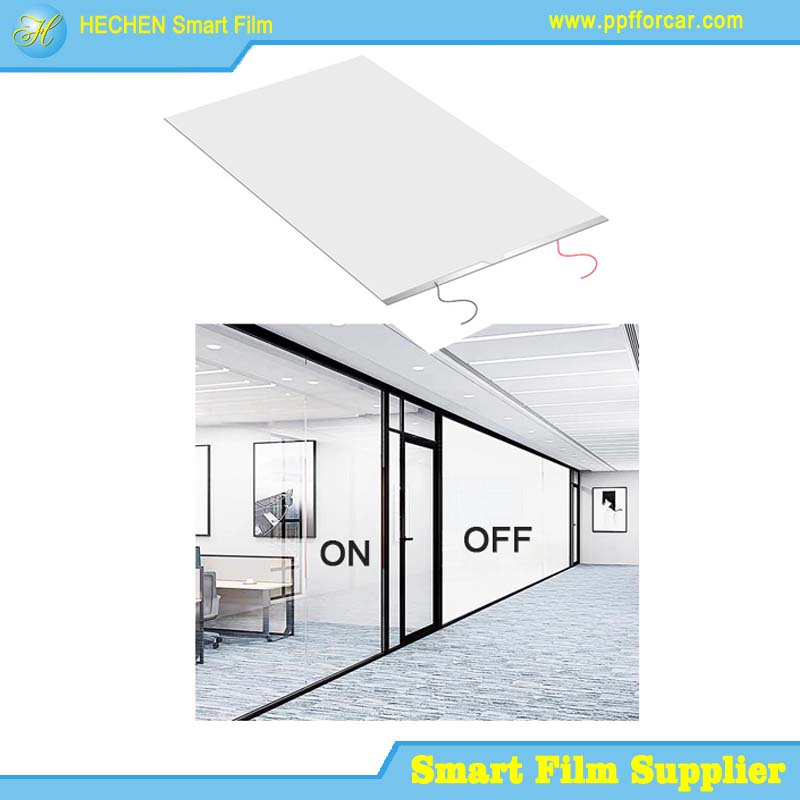
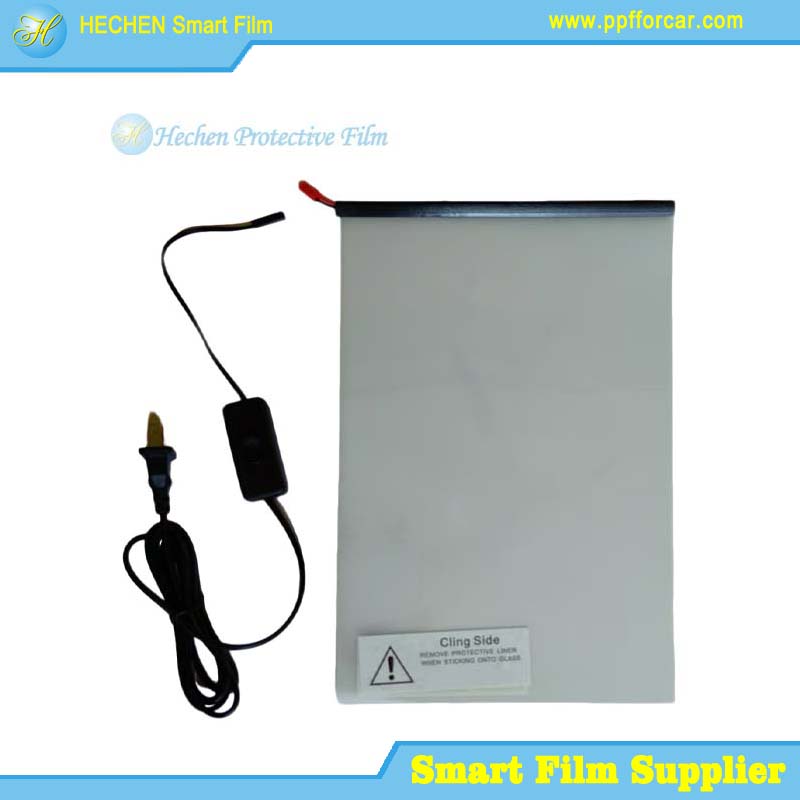
PDLC film, short for Polymer Dispersed Liquid Crystal film, is a type of smart film technology that can change its transparency in response to an electrical current. It consists of a thin layer of liquid crystals dispersed within a polymer matrix, sandwiched between two conductive films or ITO (Indium Tin Oxide) coated layers. This structure is typically laminated between glass panels or applied as a self-adhesive film to existing surfaces.
How PDLC Film Works: A Step-by-Step Explanation
The functionality of PDLC film is based on the alignment of liquid crystals in response to electricity:
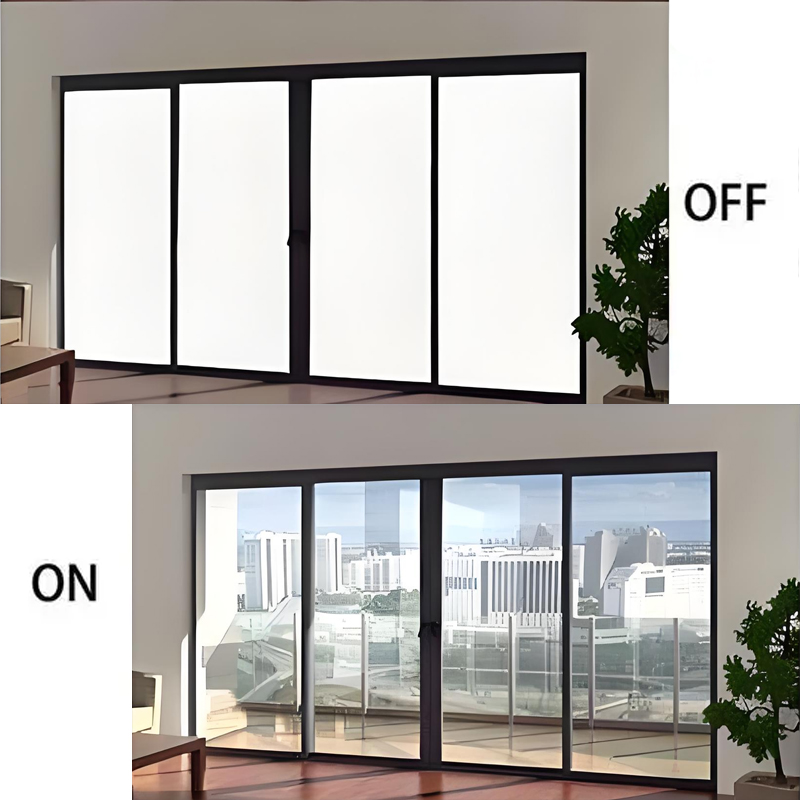
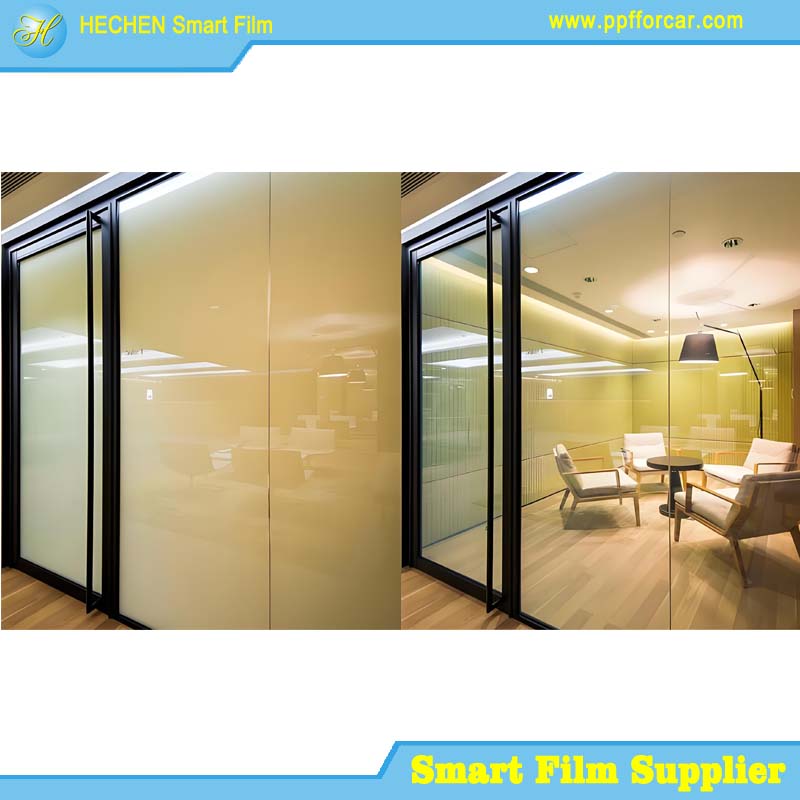
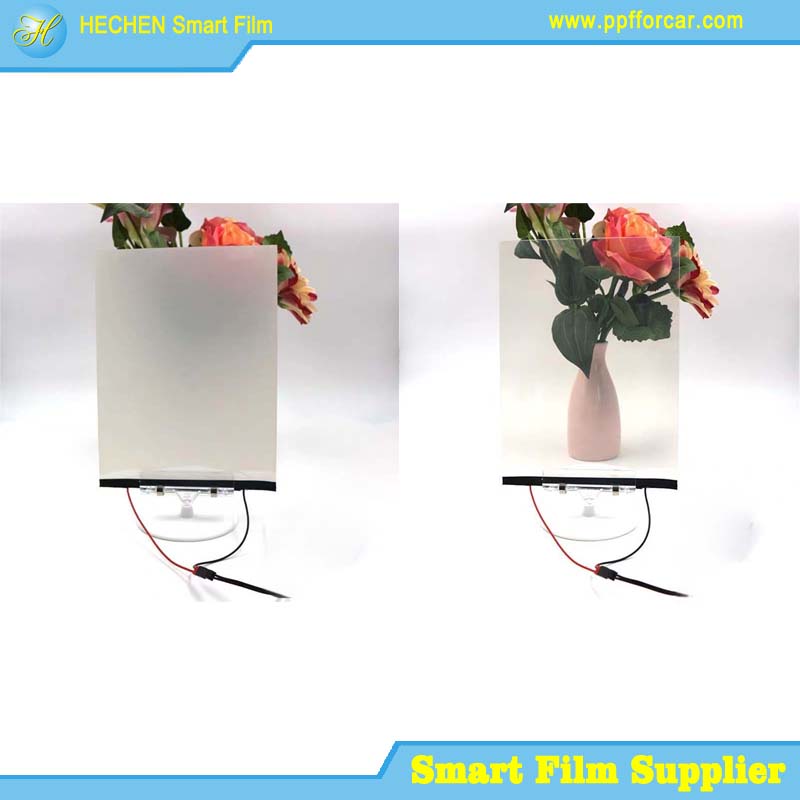
1. Off State (Opaque Mode): When no voltage is applied, the liquid crystals are randomly oriented within the polymer droplets. This scattering alignment disrupts the passage of light, making the film appear frosted or opaque. In this state, the film provides privacy by blocking visibility while still allowing diffused light to pass through, maintaining natural illumination in the room.
2. On State (Transparent Mode): When an electric current (typically low voltage, around 24-110V AC) is applied, the liquid crystals align in a uniform direction. This alignment allows light to pass through unimpeded, rendering the film transparent. The transition is nearly instantaneous, taking less than a second, and can be controlled via switches, remotes, or smart home systems.
3. Power Consumption: PDLC film consumes minimal energy—about 3-5 watts per square meter in the transparent state—and zero power in the opaque state, making it energy-efficient.
4. Hybrid Variations: Some PDLC films are hybrid, combining with other technologies like thermochromic or photochromic elements for additional functionalities, such as automatic tinting based on temperature or light.
This switchable property is what makes PDLC film so revolutionary for space partitions in smart homes. Unlike traditional blinds or curtains, it doesn't require physical movement, offering a sleek, modern alternative that integrates seamlessly with glass surfaces.
Benefits of PDLC Film in Smart Homes
The integration of PDLC film into smart homes offers a multitude of benefits, making it an attractive option for homeowners, architects, and interior designers. Here’s a detailed look at the advantages:
1. On-Demand Privacy and Flexibility
PDLC film provides instant privacy control, allowing users to switch from transparent to opaque as needed. This is particularly useful in smart homes with open-plan layouts, where it can create private zones without permanent walls. For example, a glass partition in a living room can be transparent during the day for an open feel and opaque in the evening for privacy.
2. Energy Efficiency and Cost Savings
One of the standout benefits is improved energy management. By controlling light transmission, PDLC film reduces glare and heat gain from sunlight, lowering the need for air conditioning and artificial lighting. Studies show it can cut cooling costs by up to 40% in warm climates. In smart homes, integration with systems like HomeKit or Alexa allows automated adjustments based on time, weather, or occupancy, further optimizing energy use.
3. Enhanced Comfort and Well-Being
PDLC film helps create more comfortable living spaces by reducing glare, blocking harmful UV rays (up to 99%), and allowing natural light to diffuse even in opaque mode. This promotes better indoor lighting, which can improve mood, productivity, and sleep quality. In home offices, for instance, it can transform a glass wall into a private workspace during calls.
4. Aesthetic and Design Flexibility
PDLC film enables sleek, modern designs without bulky partitions. It can be applied to windows, doors, or glass walls, creating dynamic spaces that adapt to user needs. Patterned or colored versions add a decorative element, redefining interior aesthetics.
5. Noise Reduction and Security
The film’s structure provides mild sound insulation, dampening external noise for quieter homes. In opaque mode, it enhances privacy and security by obscuring views from outside, deterring potential intruders while maintaining light flow.
6. Health and Hygiene Benefits
In smart homes, PDLC film reduces the need for curtains or blinds, which can harbor dust and allergens. Its smooth surface is easy to clean, promoting better indoor air quality.
7. Sustainability
PDLC film contributes to green building practices by reducing energy consumption. Its long lifespan (up to 20 years) and low maintenance needs further minimize environmental impact.
These benefits make PDLC film a versatile tool for redefining space partitions in smart homes.
Applications of PDLC Film in Space Partitions
PDLC film is particularly transformative for space partitions, turning static glass into dynamic elements. Here are key applications:
1. Living Rooms and Open-Plan Areas
In open-concept homes, PDLC film on glass partitions creates flexible spaces. During the day, transparent mode keeps areas open and bright; at night, opaque mode provides privacy for family activities.
2. Home Offices
PDLC film partitions allow for dedicated workspaces without permanent walls. Switch to opaque during meetings for privacy, then transparent to reconnect with the household, reducing glare and enhancing focus.
3. Bathrooms and Bedrooms
Applied to shower enclosures or bedroom dividers, PDLC film offers on-demand privacy while allowing light to flow, creating spa-like bathrooms or serene sleeping areas.
4. Kitchens and Dining Areas
PDLC partitions separate cooking spaces from dining areas, controlling odors and noise while maintaining an open feel when needed.
5. Multi-Functional Rooms
In small homes, PDLC film turns a single room into multiple spaces—e.g., a living room into a guest bedroom—maximizing utility without renovations.
6. Home Gyms or Playrooms
Partitions with PDLC film create dedicated zones that can open up for family gatherings, providing flexibility for dynamic lifestyles.
These applications showcase how PDLC film redefines space partitions by offering adaptability and modernity.
Integration of PDLC Film into Smart Home Systems
Integrating PDLC film into smart homes elevates its functionality, allowing seamless control via automation.
1. Voice and App Control
PDLC film connects to systems like Amazon Alexa, Google Home, or Apple HomeKit, enabling voice commands (e.g., "Alexa, frost the living room glass") or app-based adjustments from anywhere.
2. Sensor-Based Automation
Integrate with motion sensors, light sensors, or thermostats. For example, film switches to opaque when rooms are occupied or to reduce heat gain during sunny hours.
3. Scheduling and Scenes
Set schedules via smart hubs—e.g., transparent during the day for natural light, opaque at night for privacy—or create "scenes" like "Movie Mode" for dimmed partitions.
4. Energy Management Integration
Link with smart thermostats (e.g., Nest) to optimize energy use by adjusting opacity based on temperature or sunlight.
5. Security Features
Integrate with home security systems to switch to opaque mode when alarms trigger or during vacations, enhancing privacy and deterrence.
6. Installation and Compatibility
Professional installation ensures proper electrical wiring. PDLC film is compatible with most smart home protocols (Zigbee, Z-Wave), making integration straightforward.
This integration turns PDLC film into a smart home staple, enhancing convenience and energy savings.
Leading PDLC Film Manufacturers
Several companies specialize in PDLC film, offering high-quality products for smart homes:
1. Gauzy (Israel): A global leader in PDLC technology, Gauzy produces switchable films with fast response times and high transparency. Their films are used in residential and commercial partitions.
2. Polytronix (USA): Based in Texas, Polytronix pioneered PDLC film since the 1980s, offering films with excellent clarity and durability for home partitions.
3. Smart Films International (USA): A Florida-based manufacturer, SFI provides customizable PDLC films for privacy partitions in smart homes, with options for patterns and colors.
4. Huichi Industrial (China): A top exporter, Huichi offers affordable PDLC films with German technology, ideal for large-scale home installations.
5. UniteGlass (China): Specializes in ITO-coated PDLC films for smart partitions, with self-adhesive options for easy retrofit in homes.
6. Hechen New Materials (China): Focuses on switchable PDLC films for office use, offering energy-efficient solutions for space partitions.
These manufacturers ensure high-quality PDLC films for smart home applications.
Future Trends in PDLC Technology
PDLC technology is evolving rapidly:
· Energy Efficiency: Hybrid films with better insulation reduce power use, aligning with sustainable smart homes.
· Faster Switching: Innovations like improved liquid crystals enable sub-second transitions.
· Customization: Patterned or colored films add aesthetic value to partitions.
· Integration with Renewables: Solar-powered PDLC films eliminate wiring needs.
· Cost Reduction: As production scales, prices are dropping, making PDLC accessible for more homes.
· Smart Ecosystems: Deeper integration with AI for predictive opacity based on weather or occupancy.
These trends promise to further redefine space partitions in smart homes.
Practical Considerations for PDLC Film in Smart Homes
To adopt PDLC film successfully:
· Cost: Film costs $50–$100 per square foot, plus installation ($200–$500 per panel).
· Installation: Professional glaziers apply self-adhesive films or laminate glass; ensure electrical wiring is safe.
· Maintenance: Clean with soft cloths; avoid abrasives to prevent scratches.
· Power Needs: Low consumption (3-5 W/sq m), but plan for wiring or batteries.
· Legal Aspects: Check local regulations for window tinting or electrical installations.
These considerations ensure smooth integration.
Conclusion
The PDLC film integrated into smart homes is indeed redefining space partitions by offering dynamic privacy, energy efficiency, and aesthetic flexibility. From its liquid crystal mechanism to benefits like glare reduction and noise insulation, PDLC film transforms fixed glass into adaptable elements. Applications in living rooms, offices, and bathrooms showcase its versatility, while integration with smart systems like Alexa elevates home automation. Future trends like faster switching and sustainability promise even greater impact. By considering costs, installation, and maintenance, homeowners can harness PDLC film to create modern, user-centric spaces. Embrace this technology to redefine your home—where privacy and openness coexist at the touch of a button.
For more about the PDLC film integrated into smart homes is redefining space partitions, you can pay a visit to Hechen PDLC Smart Film Manufacturers for more info.