2025 Energy-Efficient Smart Window Film vs. Regular Heat-Insulating Film
In an era where energy conservation and sustainable living are paramount, window treatments have evolved from simple aesthetic enhancements to sophisticated technologies that actively contribute to building efficiency. As we navigate through 2025, the demand for solutions that reduce energy consumption while enhancing comfort has never been higher. Two prominent options in this space are energy-efficient smart window films and regular heat-insulating films. These products address the common challenges of heat gain, UV exposure, and privacy, but they do so in markedly different ways.
Regular heat-insulating window films, often referred to as static tints or solar control films, have been a staple in residential and commercial buildings for decades. They are designed to block a portion of the sun's infrared radiation and ultraviolet rays, thereby reducing indoor temperatures and protecting interiors from fading. On the other hand, energy-efficient smart window films represent the cutting edge of window technology. These dynamic films can change their properties—such as tint level, opacity, or heat transmission—in response to external stimuli like electricity, temperature, or light. This adaptability allows for real-time optimization of energy use, making them particularly appealing in a world grappling with climate change and rising energy costs.
The comparison between these two types of films is crucial for homeowners, architects, and facility managers looking to make informed decisions. In 2025, advancements in nanotechnology, electrochromic materials, and integration with smart home systems have propelled smart films into the spotlight. For instance, modern smart films can achieve up to 99.9% UV blockage, surpassing many traditional options.
Meanwhile, regular films remain popular due to their affordability and simplicity. This article delves into the mechanics, benefits, drawbacks, and direct comparisons of both, drawing on the latest trends and data from 2025. By understanding these technologies, readers can better assess which film aligns with their needs for energy efficiency, cost-effectiveness, and overall performance.
As global energy prices fluctuate and environmental regulations tighten, windows—which account for up to 30% of a building's heat loss or gain—become a focal point for innovation.
Whether you're retrofitting an old home or designing a new eco-friendly office, the choice between smart and regular films could significantly impact your carbon footprint and utility bills.
Understanding Regular Heat-Insulating Window Film
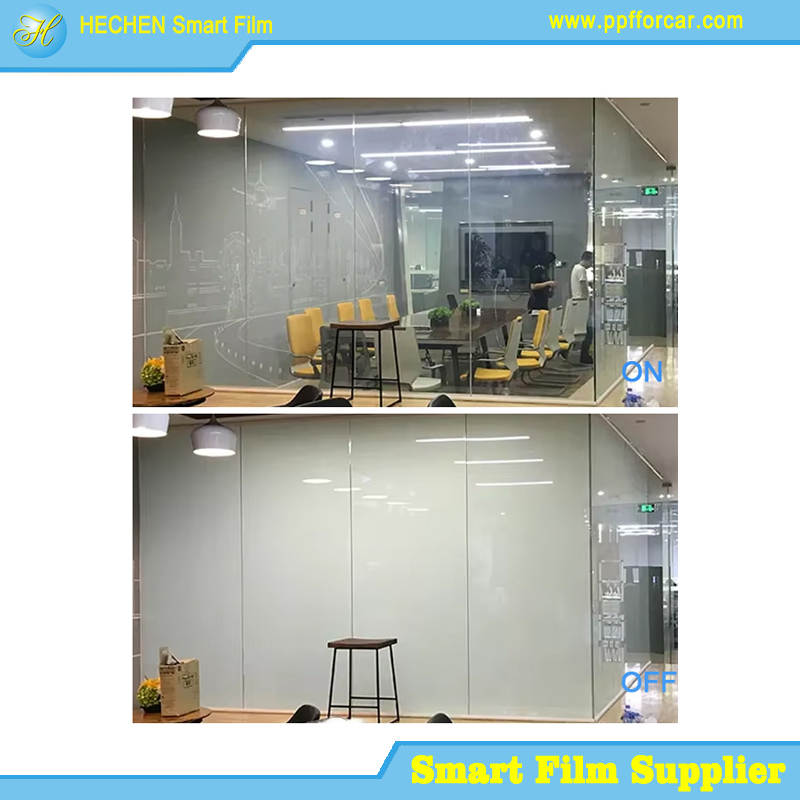
Regular heat-insulating window films are passive solutions that provide consistent protection against solar heat and UV radiation. These films are typically made from polyester layers embedded with dyes, metals, or ceramics that reflect or absorb incoming solar energy. Introduced in the mid-20th century, they gained popularity in the 1980s as energy crises highlighted the need for better insulation. By 2025, these films have seen incremental improvements, such as enhanced durability and better optical clarity, but their core function remains unchanged.
How do they work? The films are applied directly to the interior surface of windows using adhesives. Once installed, they reduce heat transfer by rejecting infrared rays, which are responsible for much of the warmth that enters through glass. High-quality regular films can block up to 80-90% of infrared heat and 99% of UV rays, helping to maintain cooler indoor environments during summer months. In winter, they can also minimize heat loss by acting as a barrier, though this effect is less pronounced compared to specialized low-emissivity (low-e) coatings.
The advantages of regular heat-insulating films are straightforward. They are cost-effective, with prices ranging from $3 to $7 per square foot, including installation.
This makes them accessible for budget-conscious consumers. Installation is relatively simple and can often be done as a DIY project, requiring only basic tools like squeegees and spray solutions. They also enhance privacy by reducing visibility from outside during daylight hours, while preserving outward views. Energy savings are notable; studies show that these films can lower cooling costs by 10-20% in hot climates by decreasing the load on air conditioning systems.
However, regular films have limitations. They are static, meaning their tint level doesn't adjust to changing conditions. On cloudy days or in winter, a dark tint might block too much natural light, necessitating artificial lighting and potentially offsetting energy savings. Durability is another concern—cheaper films may bubble, peel, or fade over time, lasting only 5-10 years before needing replacement. Additionally, they don't offer on-demand privacy; once applied, the effect is permanent unless removed.
In 2025, eco-friendly variants of regular films have emerged, incorporating recycled materials and low-VOC adhesives to appeal to sustainability-focused buyers.
Brands like 3M and LLumar continue to dominate this market, offering warranties up to 15 years for premium products. For many, these films represent a reliable, no-frills approach to heat insulation, ideal for regions with consistent sunny weather.
Exploring Energy-Efficient Smart Window Film
Energy-efficient smart window films mark a revolutionary shift from passive to active window management. Unlike their regular counterparts, smart films can dynamically alter their optical and thermal properties, providing customizable control over light, heat, and privacy. By 2025, this technology has matured significantly, with innovations in polymer-dispersed liquid crystal (PDLC), electrochromic, and thermochromic materials driving widespread adoption.
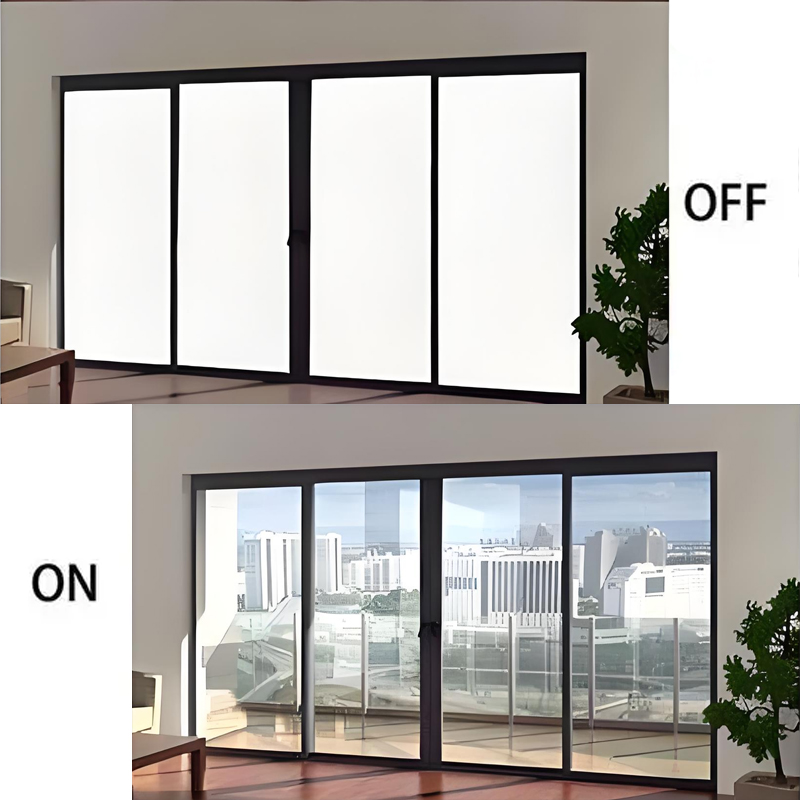
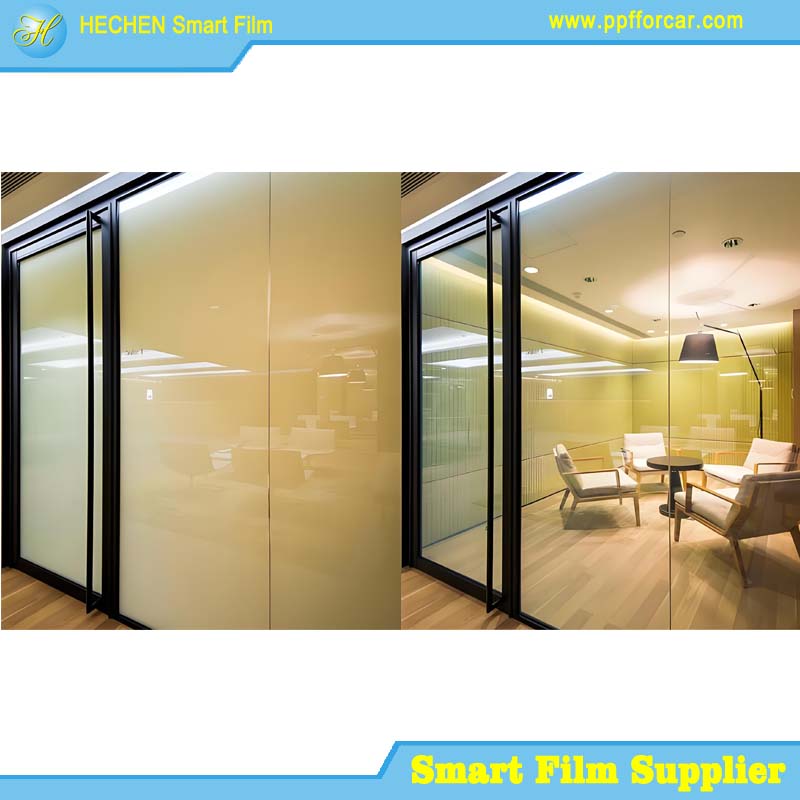
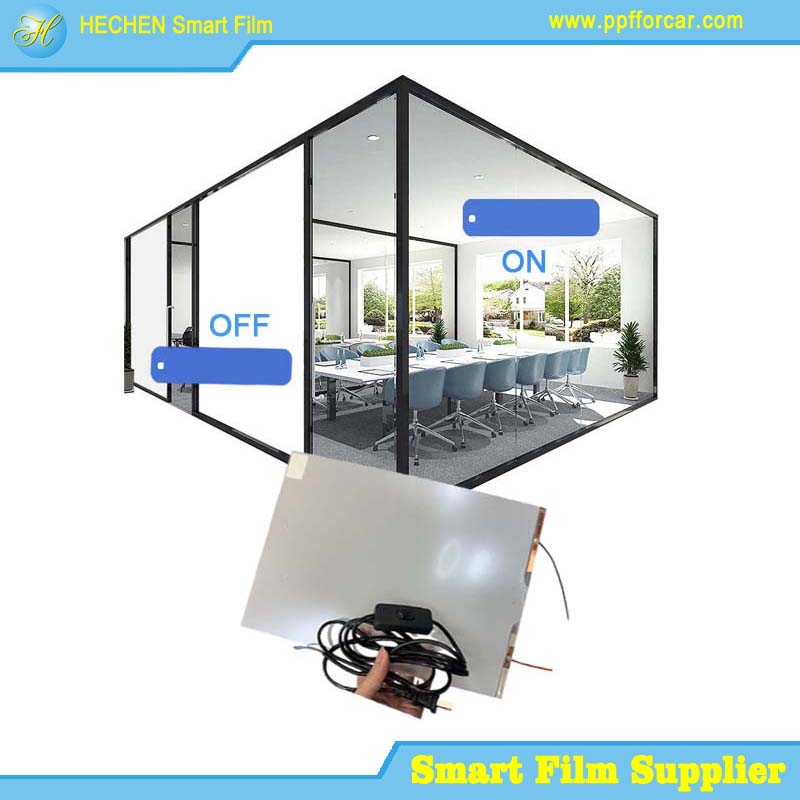
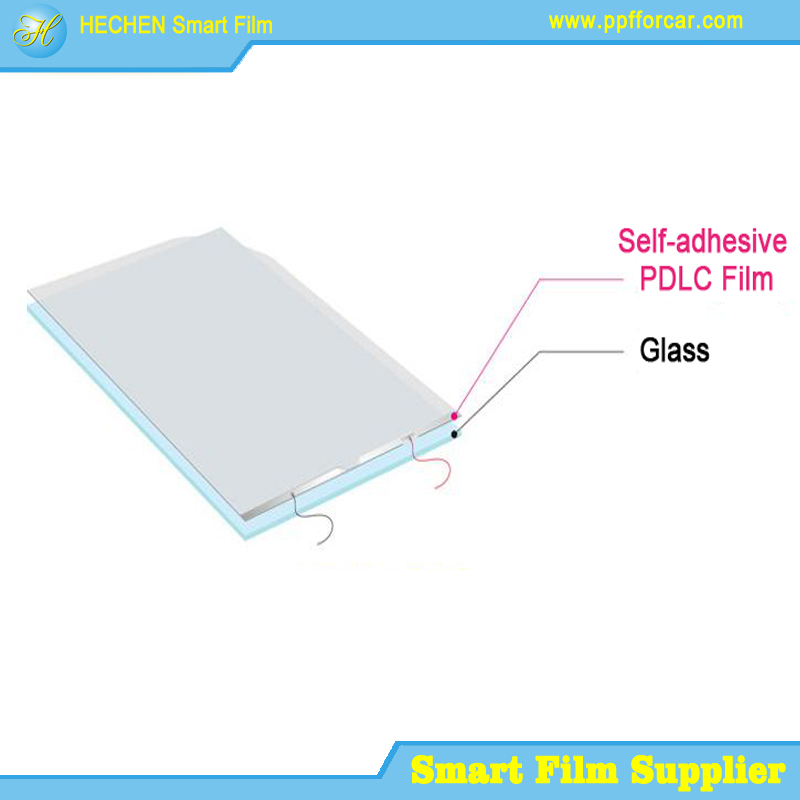
At the heart of smart films is their ability to switch states. PDLC films, for example, turn from opaque to transparent when an electric current is applied, offering instant privacy. Electrochromic films change tint in response to voltage, blocking heat and glare as needed. Thermochromic variants react to temperature, automatically darkening in hot conditions. These films are often retrofittable, applied to existing glass surfaces, distinguishing them from smart glass, which integrates the technology between glass panes.
Energy efficiency is a standout feature. Smart films can reduce HVAC energy consumption by up to 30% by optimizing solar heat gain.
In 2025, tri-band electrochromic windows outperform traditional low-e glass in most climate zones, allowing for selective control of near-infrared, visible, and UV light.
Integration with smart home systems like Alexa or Google Home enables automated adjustments based on weather data or occupancy, further enhancing savings.
Pros abound: superior UV protection (up to 99.9%), faster response times (under a second for some models), and improved color stability.
They maintain natural light when clear, reducing the need for artificial illumination. For commercial spaces, they offer branding opportunities through programmable patterns. Solar-powered options eliminate wiring needs, making them versatile for remote installations.
Yet, challenges persist. Initial costs are higher, typically $25-$80 per square foot installed, due to advanced materials and electronics.
Installation often requires professionals to handle electrical connections, adding to expenses. Power dependency means potential failures during outages, though battery backups mitigate this. Lifespan is 10-20 years, but maintenance for electronic components can be needed.
In 2025, trends include nano-ceramic integrations for better durability and photovoltaic smart windows that generate energy while insulating.
Companies like View and SageGlass lead, with market growth projected at 8% annually in North America.
Smart films are ideal for modern buildings prioritizing adaptability and long-term efficiency.
Key Differences and Comparison
When pitting 2025 energy-efficient smart window films against regular heat-insulating films, the distinctions boil down to dynamism versus simplicity. Regular films provide fixed performance: consistent heat rejection (60-80%) and UV blockage, but no adjustability.
Smart films, conversely, offer variable control, with heat rejection up to 90% in tinted states and transparency when needed.
Energy efficiency favors smart films. While regular films cut cooling costs by 10-20%, smart variants achieve 30% reductions through adaptive behavior, especially in variable climates.
For instance, smart photovoltaic windows enhance grid friendliness by balancing energy loads.
Cost-wise, regular films are budget-friendly at $3-7/sq ft, versus $25-80 for smart.
However, ROI for smart films can be realized in 3-5 years through energy savings. Installation for regular is DIY-friendly, taking hours; smart often needs electricians, spanning days.
Durability: Both last 10+ years, but smart films may require tech upkeep. Privacy: Smart offers on-demand opacity; regular provides daytime one-way visibility.
In applications, regular suits static environments like sunny homes, while smart excels in offices or homes with smart integrations.
Pros and Cons
Pros of Regular Heat-Insulating Film:
· Affordable and easy to install.
· Reliable heat and UV reduction.
· Low maintenance.
Cons:
· Non-adjustable tint.
· Potential light blockage.
· Shorter lifespan in harsh conditions.
Pros of Smart Window Film:
· Adaptive energy savings up to 30%.
· Customizable privacy and light control.
· Integration with IoT for automation.
Cons:
· Higher upfront costs.
· Requires power source.
· Complex installation.
Cost and Installation Considerations
Costs for regular films average $3-7/sq ft, with DIY kits under $100 for small windows.
Professional installation adds $2-5/sq ft. Smart films range $25-80/sq ft, with electrochromic models at the higher end; wiring can add $10-20/sq ft.
Installation: Regular involves cleaning, cutting, and applying—doable in an afternoon. Smart requires precise alignment and electrical setup, best left to pros to avoid voids.
In 2025, hybrid DIY-professional options for smart films are emerging.
Future Trends in 2025
Looking ahead, 2025 sees smart films incorporating AI for predictive tinting and eco-materials for sustainability.
Regular films focus on nano-enhancements for better efficiency. Market growth favors smart, with automotive crossovers.
Conclusion
In summary, while regular heat-insulating films offer reliable, low-cost performance, 2025's energy-efficient smart window films provide superior adaptability and savings for those investing in the future. The choice depends on budget, needs, and tech comfort—both contribute to a greener planet.
For more about 2025 energy-efficient smart window film vs. regular heat-insulating film, you can pay a visit to Hechen PDLC Smart Film Manufacturers for more info.