
2025 New Trend in Car Modification! Custom PDLC Privacy Film for Your Car


As we cruise into 2025, the automotive world is accelerating towards smarter, more personalized modifications that blend cutting-edge technology with everyday practicality. Gone are the days when car customizations were limited to rims, spoilers, or basic window tints. Today, enthusiasts and everyday drivers alike are turning to innovative solutions that enhance not just aesthetics but also functionality. One standout trend dominating the scene is the adoption of custom Polymer Dispersed Liquid Crystal (PDLC) privacy film for car windows. This switchable smart film, often referred to as "smart tint" or "electrochromic film," allows users to toggle between transparent and opaque states at the flick of a switch or via a mobile app, offering on-demand privacy while maintaining a sleek, futuristic vibe.PDLC film represents a convergence of privacy needs, safety enhancements, and technological sophistication—hence the "tech-sense" appeal that's captivating millennials and Gen Z drivers who crave gadgets in their rides. According to industry projections, the PDLC smart film market for automotive applications is booming, estimated to grow from USD 500 million in 2024 to USD 1.2 billion by 2033, driven by a compound annual growth rate (CAGR) of 10.5%. This surge is fueled by rising concerns over personal privacy in an era of constant surveillance, coupled with demands for energy-efficient vehicles that reduce heat buildup and UV exposure. In urban jungles where traffic cams and prying eyes are ubiquitous, PDLC film lets drivers shield their interiors without sacrificing visibility when needed.But what makes PDLC a balanced choice? Traditional window tints are static, often leading to visibility issues at night or in low-light conditions, which can compromise safety. PDLC, on the other hand, dynamically adjusts, ensuring drivers can see clearly while blocking outsiders' views. It also adds a layer of tech-savvy allure, integrating seamlessly with smart car systems like voice assistants or IoT devices. As 2025 unfolds, this trend is not just about modification; it's about redefining the driving experience. In this article, we'll dive deep into how PDLC works, its benefits, customization options, installation processes, legal hurdles, and why it's set to become a staple in car culture.
2025 New Trend in Car Modification! Custom PDLC Privacy Film for Your CarWhat is PDLC Privacy Film and How Does It Work?

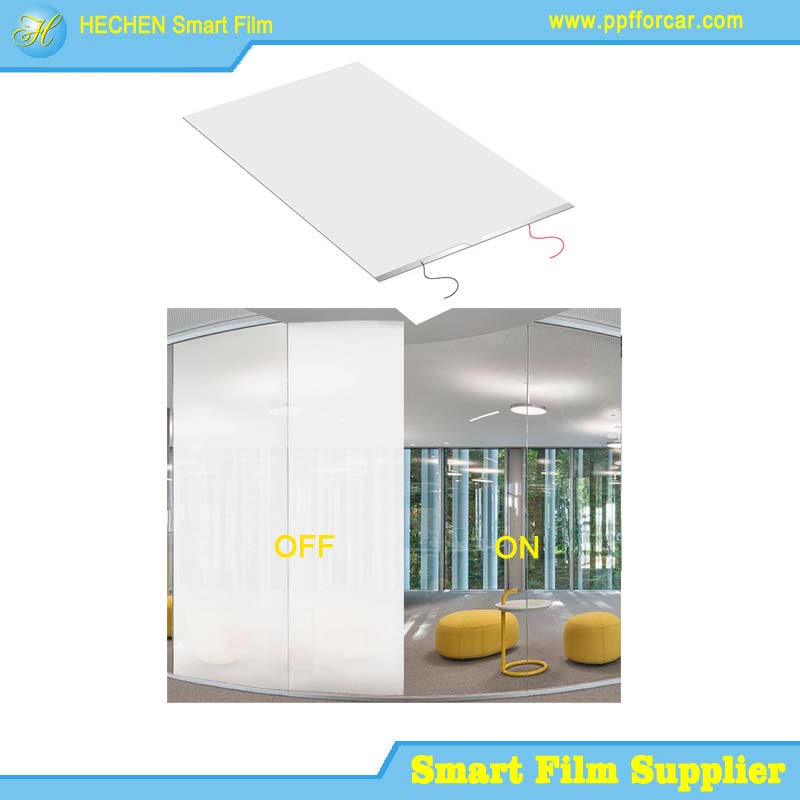
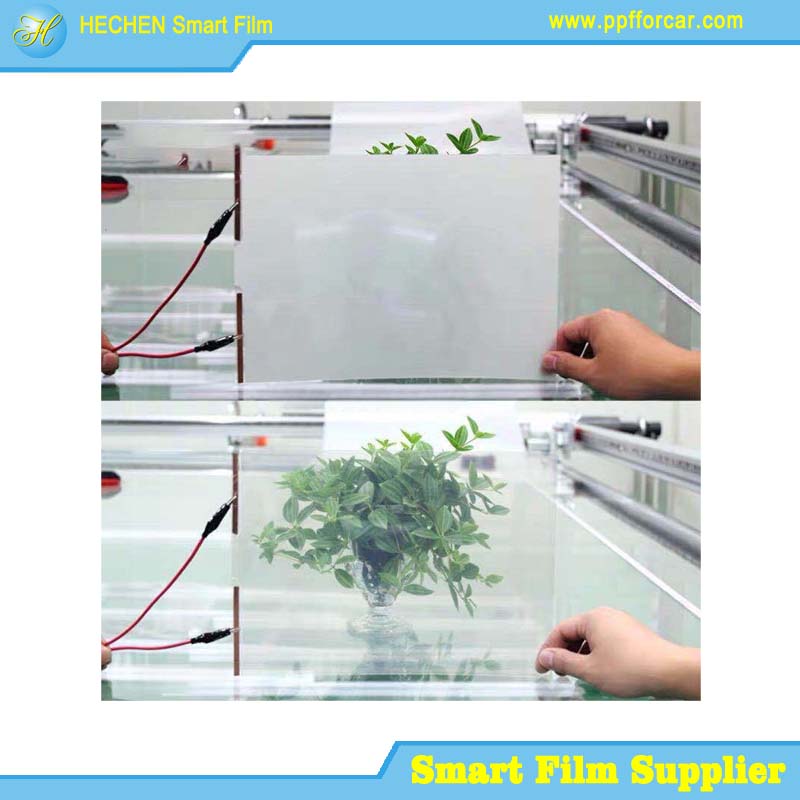
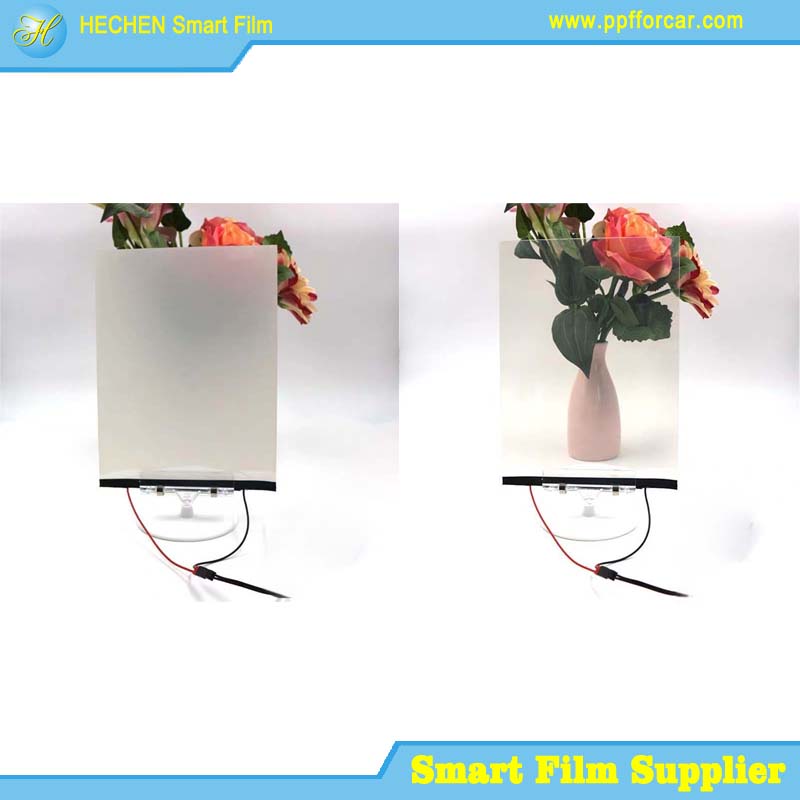
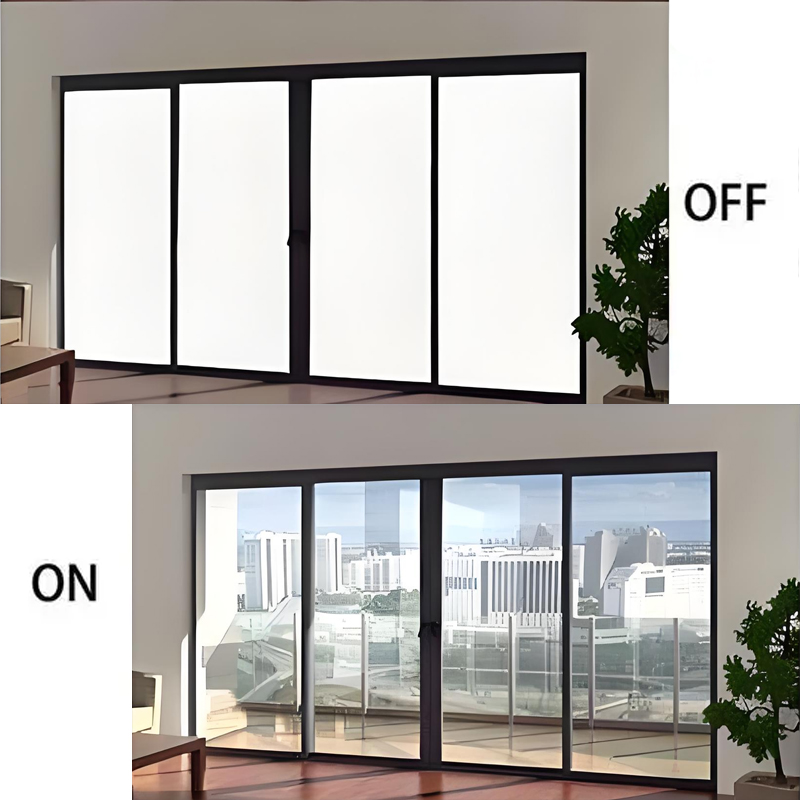
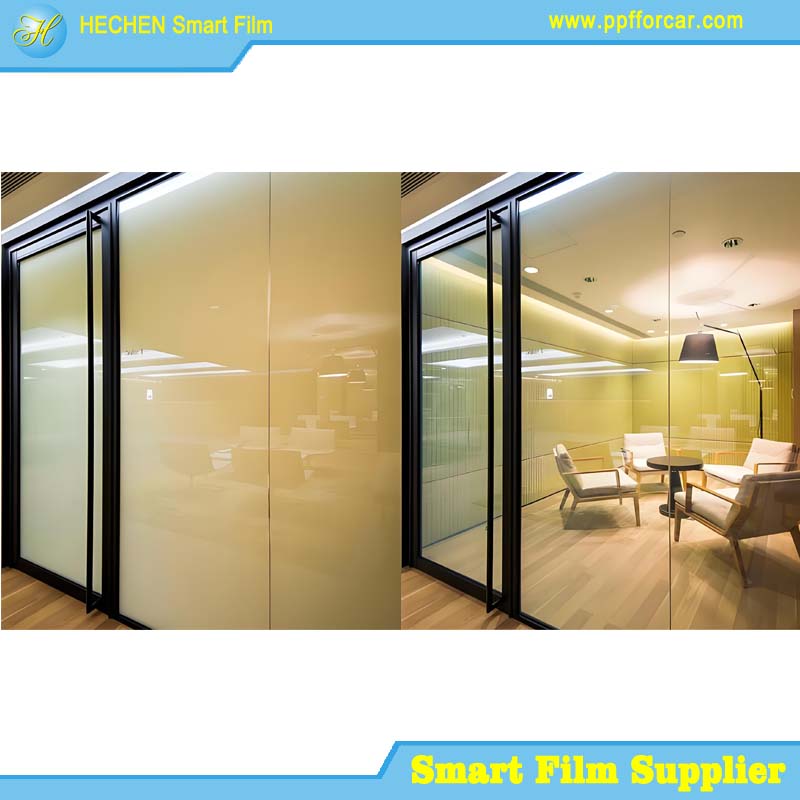
At its core, PDLC privacy film is a thin, flexible layer embedded with liquid crystal molecules suspended in a polymer matrix. When no electricity is applied, these crystals scatter light, rendering the film opaque or frosted, much like a privacy screen on a laptop. Apply a low-voltage current—typically 24-110 volts—and the crystals align, allowing light to pass through unimpeded, making the glass transparent. This switch happens in milliseconds, providing instant control over visibility.In automotive applications, PDLC film is laminated onto or between glass layers in car windows, side panels, or even sunroofs. Brands like Gauzy, Smart Tint, and Ghost Glass have pioneered versions tailored for vehicles, emphasizing durability against vibrations, temperature fluctuations, and UV degradation. Unlike conventional tints, which use dyes or metals to block light permanently, PDLC is "smart"—it responds to user input via switches, remotes, or apps. For instance, some systems integrate with vehicle electronics, automatically frosting windows when parked to deter thieves or during hot days to keep interiors cool.The technology's roots trace back to the 1980s, but advancements in nanomaterials and manufacturing have made it affordable and reliable for consumer use by 2025. A key feature is its energy efficiency: in opaque mode, it blocks up to 99% of UV rays and 86% of infrared (IR) light, reducing cabin heat and air conditioning load, which can improve fuel efficiency in electric and hybrid vehicles. Safety-wise, the film acts as a shatter-resistant barrier, holding glass together during impacts, similar to laminated windshields. Privacy is paramount; from inside, visibility remains clear even in frosted mode, while outsiders see only a milky white surface, preventing "smash and grab" thefts.Customization elevates PDLC beyond basics. Users can choose film shades like grey for a subtle look or integrate patterns, logos, or even color shifts. High-end models from companies like Accio offer dimmable options, where opacity levels can be adjusted from 0% to 100%, not just on/off. This versatility makes PDLC ideal for luxury sedans, SUVs, and even commercial fleets, where privacy for passengers (think VIP transports) is crucial without compromising the driver's field of view.


The Rise of PDLC in 2025 Car Modifications
2025 marks a pivotal year for car modifications, with smart technologies leading the charge. Industry reports highlight PDLC as a top trend, alongside nanotechnology tints and eco-friendly films. Why now? Post-pandemic shifts have amplified privacy desires—people spend more time in cars for work, leisure, or as mobile offices—and rising fuel costs push for energy-saving mods. Car tinting trends emphasize "smart tinting" for its adaptability, with PDLC at the forefront due to its seamless integration with connected vehicles.Market data underscores this: automotive PDLC adoption is exploding in regions like North America and Europe, where regulations favor dynamic solutions over dark static tints. In Asia, luxury brands like Mercedes and Tesla are incorporating factory-installed PDLC in models like the EQS and Cybertruck variants, setting a benchmark for aftermarket mods. Enthusiast communities on platforms like Reddit and automotive forums buzz about DIY kits from SmartFilm.com, praising the tech for transforming mundane commutes into high-tech experiences.Compared to 2024, 2025 sees broader accessibility. Prices have dropped—basic kits start at $200 per window—thanks to scaled production, making it viable for mid-range cars like Hondas or Fords, not just exotics. Influencers and auto shows, such as CES 2025, showcase PDLC-integrated builds, from matte black Audis with app-controlled privacy to eco-vans with solar-powered films. This trend aligns with broader shifts towards sustainable mods: PDLC reduces reliance on AC, lowering emissions, and uses recyclable materials in newer iterations.Moreover, the "tech-sense" factor is irresistible. In a world of AR dashboards and autonomous driving, PDLC feels like an extension of the car's brain, syncing with ambient lighting or even weather apps to auto-adjust opacity during rain for better glare control. As modifications evolve from cosmetic to intelligent, PDLC stands out for its multifunctionality, appealing to tech-savvy modifiers who prioritize innovation over tradition.

2025 New Trend in Car Modification! Custom PDLC Privacy Film for Your CarBalancing Privacy with Safety

Privacy is a double-edged sword in vehicles: too much can endanger drivers, too little exposes them. PDLC strikes an elegant balance. In transparent mode, it meets or exceeds visibility standards, transmitting over 70% of visible light—far above the 35-50% required by most laws for side windows. When opaque, it provides seclusion without blinding the interior, as the frosted effect diffuses light softly, maintaining outward visibility from inside.Safety benefits abound. UV blocking prevents skin damage and interior fading, while IR rejection keeps cabins 10-15°C cooler, reducing driver fatigue on long hauls. In accidents, the film's adhesive layer enhances glass integrity, minimizing shards and ejection risks. It's also a theft deterrent: opaque mode hides valuables, and some variants include shatterproof properties that resist break-ins.However, balance requires mindful use. Experts warn against frosting front windows while driving, as it could impair vision—most systems lock this out via software. For rear and side applications, it's safer than dark tints, which reduce night visibility. Studies from the National Highway Traffic Safety Administration (NHTSA) suggest dynamic tints like PDLC could lower glare-related crashes by 20%, as users adjust in real-time to conditions like sunset or oncoming headlights.Privacy-wise, PDLC empowers users in sensitive scenarios: parents shielding kids from paparazzi-like stares, executives conducting calls without exposure, or women drivers enhancing security in parking lots. Yet, it's not foolproof—regulations ensure minimum transparency to aid law enforcement. In essence, PDLC's adaptability fosters a safer, more private drive without extremes.


Enhancing Tech-Sense in Vehicles

"Tech-sense" encapsulates the futuristic allure PDLC brings to cars, turning them into extensions of smart homes. Integration with IoT is key: imagine voice commands like "Hey Google, privacy mode" frosting windows, or apps linking to GPS for auto-opacity in high-traffic areas. This elevates modifications from passive to interactive, appealing to a demographic where 60% of new car buyers prioritize connectivity.Aesthetically, PDLC adds a premium feel—grey or colored variants complement modern designs, while dimmable features allow mood-setting, like semi-transparent for scenic drives. In electric vehicles (EVs), it pairs with solar panels, using excess energy to power the film, enhancing range. Brands like BenQ Materials offer automotive-specific films that sync with infotainment systems, displaying notifications on windows when opaque.The wow factor is undeniable at car meets or social media, where PDLC demos go viral. It's not just tech; it's sensory— the smooth transition evokes sci-fi films, boosting owner satisfaction. As 2025 pushes towards Level 4 autonomy, PDLC could enable "cocoon modes" for passengers, blurring lines between transport and leisure spaces.


Customization and Installation

Customization is PDLC's strength. Options include film thickness (for durability), opacity levels, and integrations like wireless controls or solar powering. Kits from HOHOFILM allow patterns or branding, ideal for fleet vehicles. Professional installation is recommended: clean glass, apply adhesive film without bubbles, wire to power source—taking 2-4 hours per car. DIYers use self-adhesive versions, but pros ensure warranty compliance.Costs range from $500-$2000 for full vehicles, with ETL-certified films for safety. Maintenance is minimal—wipe clean, avoid abrasives.


Legal Considerations and Future Outlook
Legally, PDLC must comply with visibility laws: e.g., Florida allows 35% VLT for rear windows, so clear mode must meet this. Check DOT or ECE standards; opaque use while driving is often restricted. Future-wise, 2025 heralds AI-integrated PDLC, predicting user needs, and biodegradable films for sustainability.

2025 New Trend in Car Modification! Custom PDLC Privacy Film for Your CarConclusion

Custom PDLC privacy film epitomizes 2025's car mod trends: smart, safe, and stylish. By balancing privacy, safety, and tech-sense, it transforms vehicles into personalized sanctuaries. As adoption grows, expect even more innovations, making driving not just a commute, but a tech-infused adventure.
For more about 2025 new trend in car modification! custom PDLC privacy film for your car, you can pay a visit to Hechen PDLC Smart Film Manufacturers for more info.

Quickly Inquiry