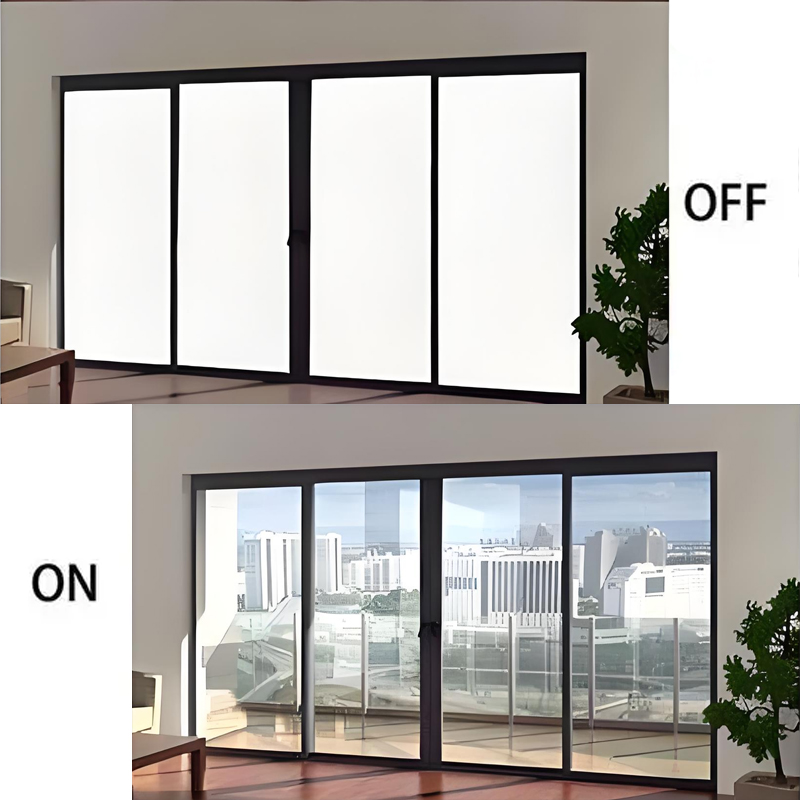
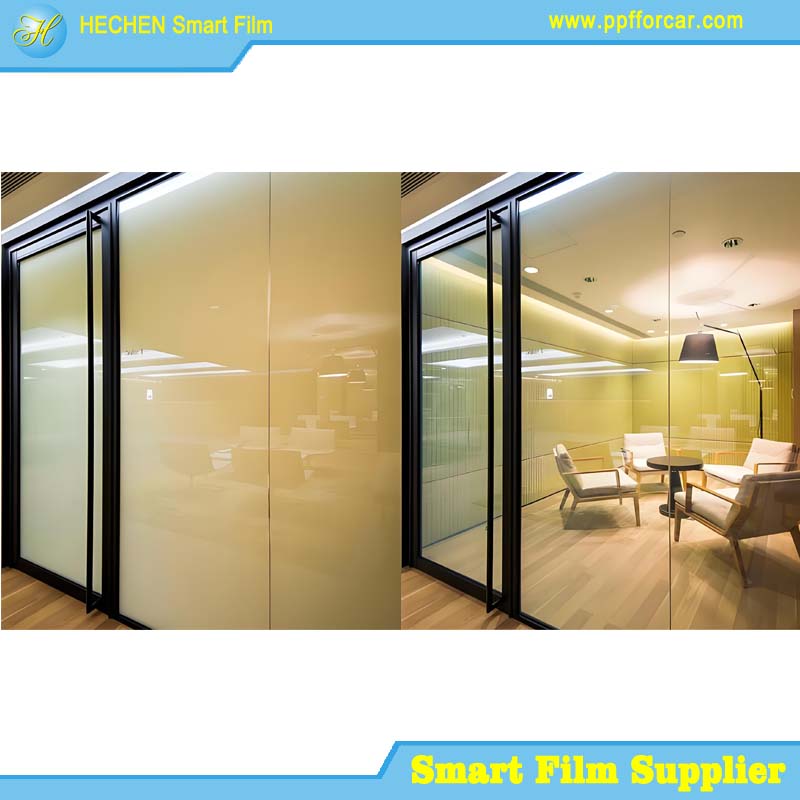
In the fast-paced world of modern business, where collaboration and confidentiality often collide, the design of your meeting spaces can make or break productivity. Imagine a conference room that seamlessly shifts from an open, inviting environment flooded with natural light to a private sanctuary at the touch of a button. No more fumbling with dusty blinds or outdated curtains that scream inefficiency. Enter switchable smart glass – a revolutionary technology that's transforming how we think about office spaces in 2025. This isn't just glass; it's a smart investment in your team's focus, your company's image, and your overall well-being. You deserve a workspace that adapts to you, not the other way around.
Switchable smart glass, also known as electrochromic or privacy glass, is at the forefront of architectural innovation this year. It's designed to change its transparency on demand, offering instant privacy without sacrificing aesthetics or functionality. As we delve deeper into this article, we'll explore how this technology works, its latest advancements, and why it's the upgrade your meeting rooms have been waiting for. With the global market for switchable glass projected to grow from $6.42 billion in 2025 to $10.42 billion by 2030, it's clear that businesses are catching on. Whether you're a startup founder, a corporate executive, or an office designer, this is the solution that elevates your space to the next level.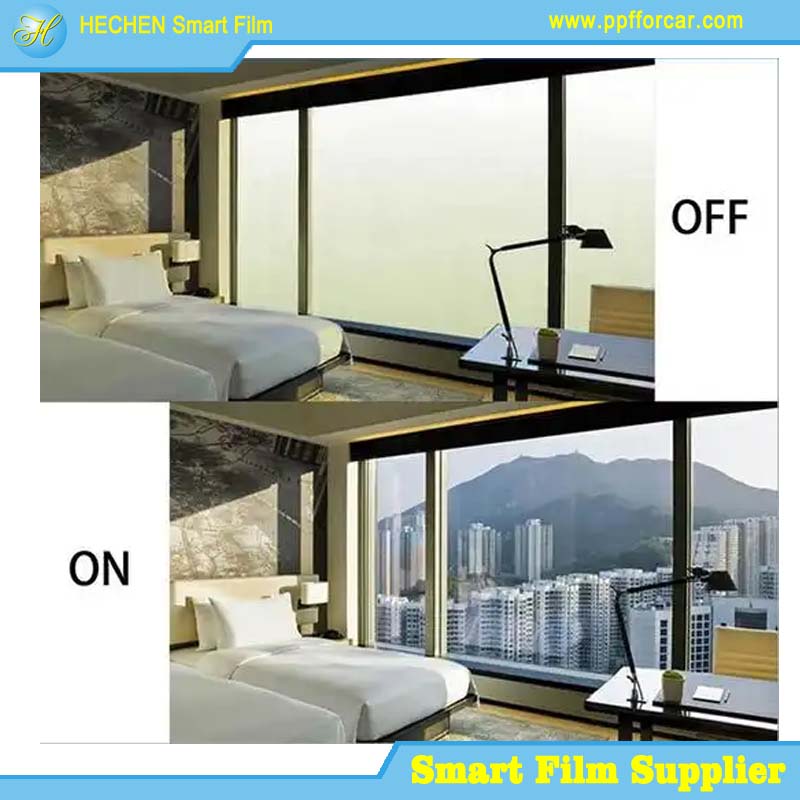 What is Switchable Smart Glass?
At its core, switchable smart glass is a type of advanced glazing that can alter its light transmission properties in response to an external stimulus, typically electricity. Unlike traditional glass, which is static and unchanging, smart glass gives you control over visibility and light flow. There are several types of smart glass technologies, each with unique mechanisms and applications.The most common type for office use is Polymer Dispersed Liquid Crystal (PDLC) glass. In PDLC technology, liquid crystal molecules are dispersed within a polymer matrix sandwiched between two layers of glass. When no voltage is applied, these molecules are randomly oriented, scattering light and rendering the glass opaque or translucent – perfect for blocking views during sensitive discussions. Apply a low-voltage electric current (typically 48-110 volts, stepped down via a transformer), and the molecules align, allowing light to pass through unimpeded, making the glass crystal clear. This switch happens in milliseconds, providing on-demand privacy without mechanical parts that could wear out.Another popular variant is electrochromic glass, which uses a thin film of materials like tungsten oxide that change color or opacity when an electric charge is applied. This type is often used for tinting windows to reduce glare and heat gain, but it can also provide privacy by darkening to an opaque state. Suspended Particle Device (SPD) glass works similarly, with microscopic particles suspended in a liquid that align under voltage to control light transmission. Each type has its strengths: PDLC for instant privacy switches, electrochromic for gradual tinting, and SPD for variable light control.For meeting rooms, PDLC is particularly favored because of its binary on/off privacy mode. Imagine partitioning a large open-plan office with glass walls that turn frosted during brainstorming sessions, then revert to transparent for team huddles. This flexibility isn't just convenient; it's a game-changer for dynamic work environments.
The Evolution and Latest Developments in 2025
Smart glass isn't a new invention – its roots trace back to the 1980s with early electrochromic prototypes – but 2025 marks a pivotal year for its mainstream adoption in commercial spaces. Advances in manufacturing have made it more affordable and versatile, with companies like Smart Glass Technologies announcing record-breaking growth and new product lines at their 2025 annual meeting. What's new? Integration with smart building systems, such as IoT devices and voice assistants, allowing control via apps, remotes, or even gestures.In architectural trends for 2025, smart glass is redefining versatility in design, especially for interior partitions and facades. For instance, businesses in regions like Colorado Springs are increasingly adopting it for energy-efficient offices. New developments include customizable patterns, such as embedded logos or artistic designs that appear when the glass is opaque, adding a branding element to meeting rooms. Additionally, retrofittable smart films – thin adhesive layers applied to existing glass – are gaining traction for cost-effective upgrades without full replacements.One exciting breakthrough is the enhanced durability and energy efficiency of these systems. Modern smart glass now consumes minimal power (less than 5 watts per square meter when active) and can integrate with solar control to reduce HVAC loads by up to 20%. In 2025, we're seeing hybrid models that combine PDLC with electrochromic layers for multi-functional use, allowing not just privacy but also adaptive shading based on sunlight intensity.
Applications in Meeting Rooms
Meeting rooms are where ideas are born, deals are sealed, and strategies are forged – but they often suffer from a lack of adaptability. Switchable smart glass addresses this by turning static spaces into dynamic ones. Install it as walls, doors, or even windows, and you can create private enclaves within open offices without permanent barriers.For example, in a typical corporate setup, glass partitions with smart technology allow teams to collaborate visually when transparent, fostering a sense of unity. When a confidential client call begins, a simple voice command like "Hey Siri, frost the glass" turns the room opaque, ensuring privacy. This is especially useful in hybrid work environments where virtual meetings demand uninterrupted focus – no more awkward interruptions from passersby.Beyond walls, smart glass can double as projection screens when in opaque mode, enhancing presentations without additional equipment. In hospitality or co-working spaces, it's used for versatile rooms that switch from conference setups to lounges. A real-world example comes from a Dayton, Ohio company that upgraded their office with smart glass, creating a modern, efficient space that impressed clients and boosted employee morale.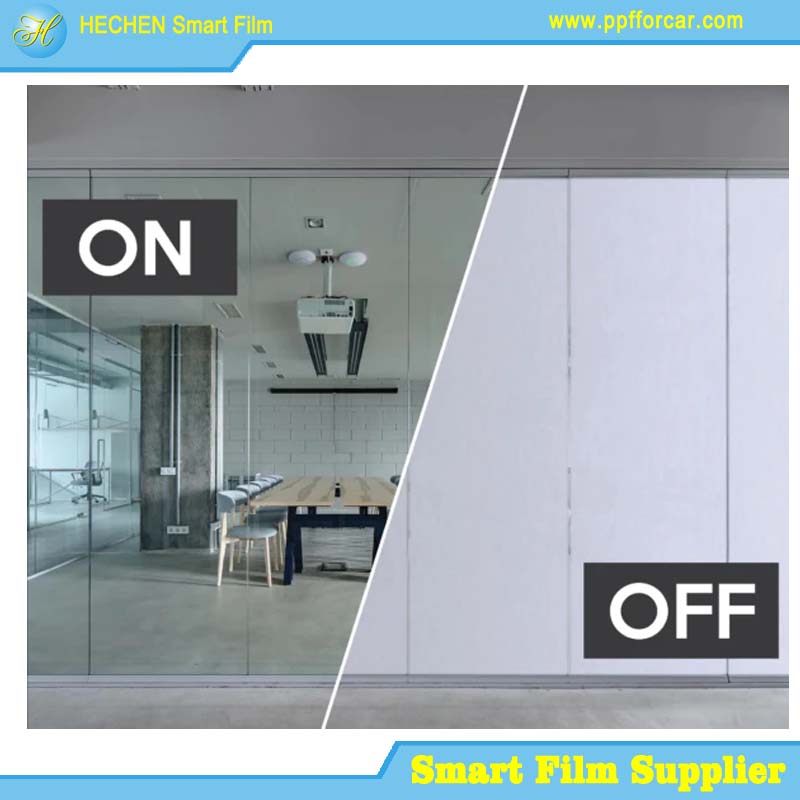 The Multifaceted Benefits
Why invest in switchable smart glass? The benefits extend far beyond privacy, making it a worthwhile upgrade for any meeting room.First, privacy on demand is the star feature. In an era of open offices, maintaining confidentiality during HR discussions or negotiations is crucial. Smart glass eliminates the need for blinds, which can harbor dust and allergens, promoting a healthier workspace. It also reduces visual distractions, allowing teams to concentrate better and increase productivity by up to 15%, according to office design studies.Second, energy efficiency. By controlling light and heat ingress, smart glass can lower cooling costs in summer and heating in winter. It blocks UV rays, protecting furniture and reducing glare on screens – ideal for video conferences.Third, aesthetic appeal. Gone are the clunky dividers; smart glass offers a sleek, modern look that makes offices feel larger and brighter. Custom designs, like switchable logos, add a wow factor that impresses visitors and reinforces brand identity.Fourth, versatility and maintenance. Unlike mechanical shades, there's no wear and tear – just reliable electronic control. It's easy to clean and integrates with smart home/office systems for automated scheduling.Finally, sustainability. With recyclable materials and energy savings, it aligns with green building standards like LEED, appealing to eco-conscious businesses.
Comparison with Traditional Solutions
Traditional privacy methods – blinds, curtains, or frosted films – pale in comparison. Blinds collect dust, require manual adjustment, and can break easily, leading to maintenance headaches. Permanent frosted glass lacks flexibility, making spaces feel closed off permanently. Switchable smart glass, however, offers the best of both worlds: transparency when you want connection, opacity when you need seclusion.Cost-wise, while initial installation might be higher (around $100-200 per square foot), long-term savings on energy and maintenance make it economical. Plus, the intangible benefits – like enhanced employee satisfaction and client impressions – are priceless.
Real-World Case Studies
Consider a tech firm in Silicon Valley that retrofitted their boardroom with PDLC smart glass. Previously plagued by distractions from an open layout, they now enjoy seamless transitions, reporting a 20% uptick in meeting efficiency. Or take the Dayton example: A company transformed their conference area, using smart glass for branding and projections, turning heads and streamlining operations.In residential-turned-office hybrids, designers are using it for home meeting spaces, blocking neighborhood views during Zoom calls. These stories highlight how smart glass isn't just functional; it's transformative.
Installation and Control Options
Installation is straightforward: For new builds, smart glass panels are fitted like standard glazing. Retrofitting involves applying smart film to existing surfaces, though professional wiring is needed for electrical integration. Control options abound – wall switches, apps, voice commands via Alexa or Google, or even motion sensors for hands-free operation. Ensure proximity to power outlets, as it requires a constant low-voltage supply.
Future Trends
Looking ahead, 2025 trends point to AI-integrated smart glass that anticipates needs, like auto-frosting during scheduled meetings. Biophilic designs incorporating patterns that mimic nature, and even health-monitoring features (e.g., UV filtering for well-being), are on the horizon. As the market doubles by 2030, expect wider accessibility and innovations like self-healing films.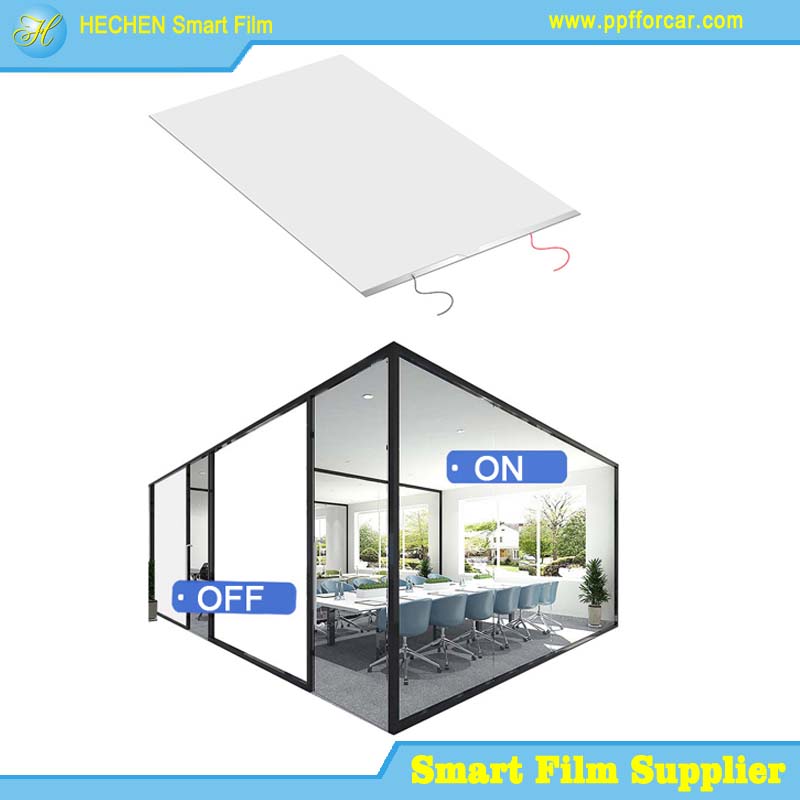 Why You Deserve It
In conclusion, a new switchable smart glass for your meeting rooms isn't a luxury – it's what you deserve in 2025. It empowers you to create adaptable, efficient, and inspiring spaces that reflect your commitment to innovation. Don't settle for outdated designs; embrace this technology to boost productivity, save energy, and impress stakeholders. Contact a provider today and step into the future of office design. Your team – and your bottom line – will thank you.
For more about a new switchable smart glass for meeting rooms – you deserve it, you can pay a visit to Hechen PDLC Smart Film Manufacturers for more info.