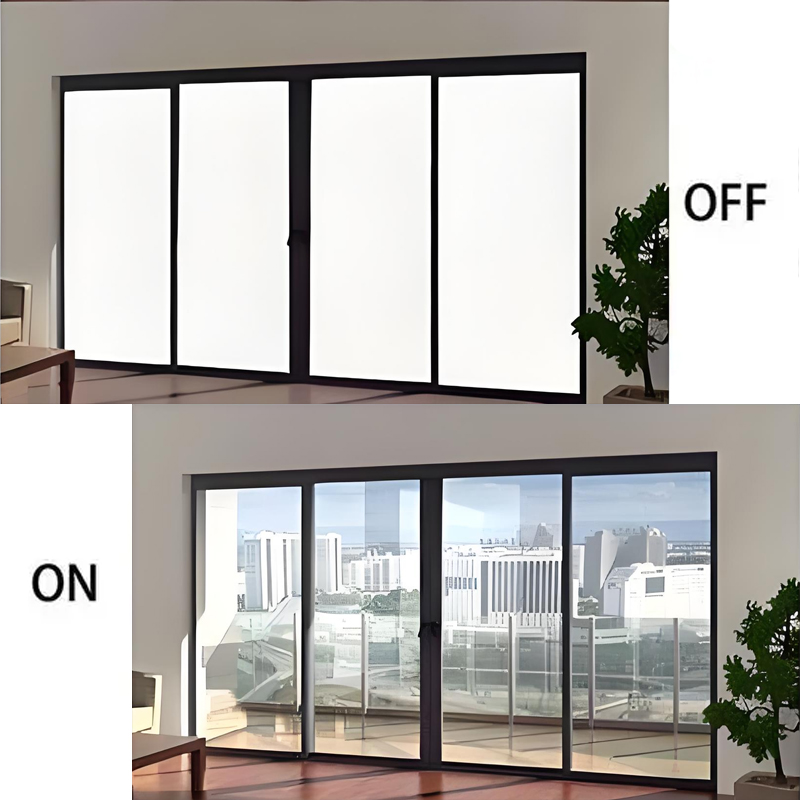
Office Electrochromic Smart Glass: One-touch Switching Light Adjustment and Privacy Protection
In the rapidly evolving world of office design, where functionality meets aesthetics, electrochromic smart glass has emerged as a transformative technology. This innovative material, capable of changing its tint or opacity in response to an electrical stimulus, is revolutionizing how offices are designed, operated, and experienced. From enhancing energy efficiency to improving occupant comfort, electrochromic smart glass offers a versatile solution for modern workplaces. This article explores the technology behind electrochromic glass, its applications in office settings, the benefits it brings, the challenges it faces, and its potential to shape the future of office environments.
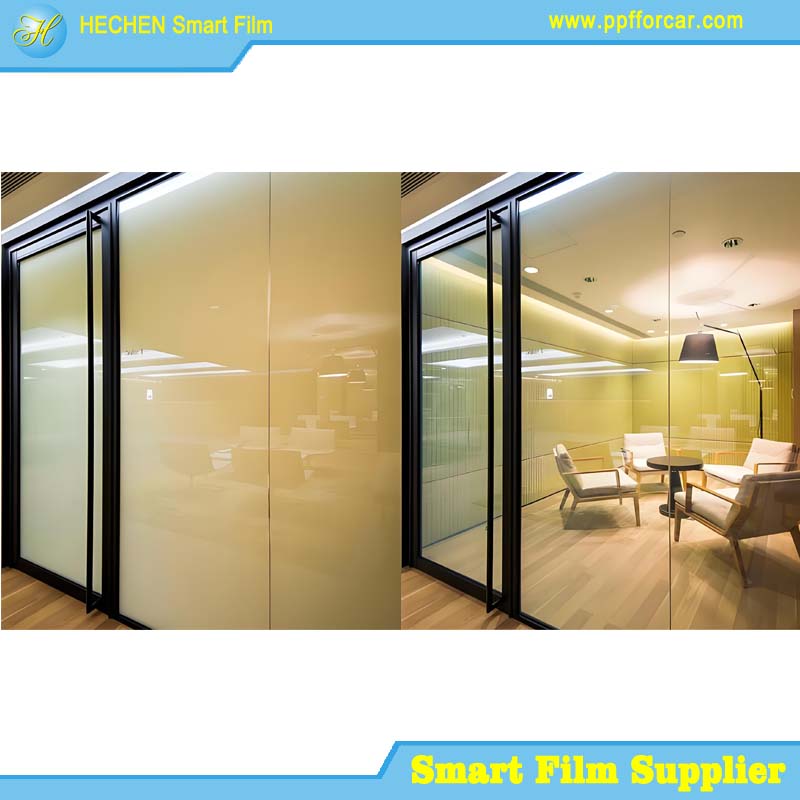
What is Electrochromic Smart Glass?
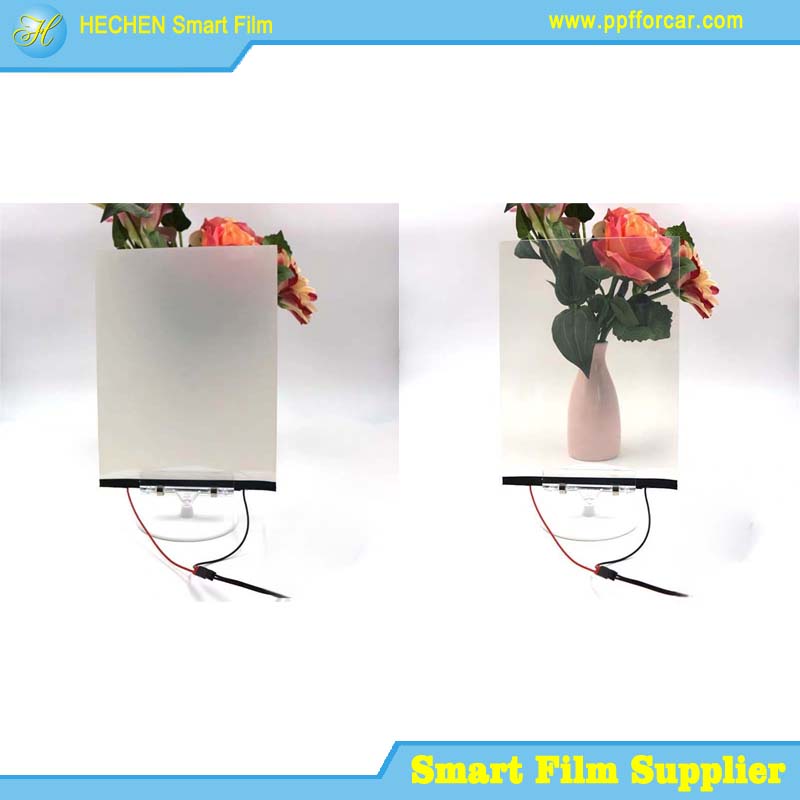
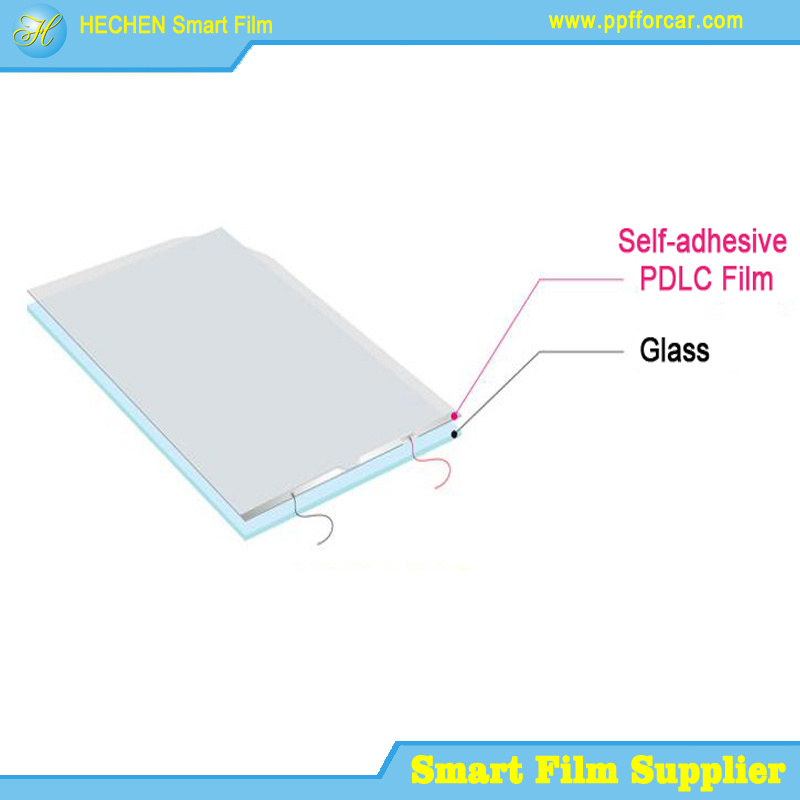
Electrochromic smart glass is a type of dynamic glazing that can alter its optical properties—such as tint, opacity, or light transmission—when an electric voltage is applied. Unlike traditional glass, which has fixed properties, electrochromic glass can switch between transparent, tinted, or opaque states, allowing for real-time control of light, heat, and privacy. This capability is achieved through a thin, multi-layered coating embedded within or applied to the glass. The core components typically include:
· Transparent Conductive Layers: These facilitate the flow of electricity across the glass surface.
· Electrochromic Layer: This is the active layer that changes color or opacity when voltage is applied.
· Ion Conductor/Electrolyte: This layer allows ions to move between the electrochromic layer and an ion storage layer, enabling the tinting process.
· Ion Storage Layer: Stores ions when the glass is in its clear state.
· Counter Electrode: Works in tandem with the electrochromic layer to balance the charge.
When a small voltage is applied, ions move from the storage layer to the electrochromic layer, causing a change in the glass’s appearance. Reversing the voltage returns the glass to its original state. This process is seamless, silent, and typically takes a few seconds to minutes, depending on the size of the glass and the specific technology used.
Electrochromic glass is part of a broader category of “smart” or “dynamic” glazing technologies, which also includes photochromic (light-responsive) and thermochromic (heat-responsive) glass. However, electrochromic glass stands out for its user-controlled functionality, making it particularly suitable for office environments where adaptability is key.
Applications in Office Settings
Electrochromic smart glass is increasingly being integrated into office buildings, offering a range of applications that enhance both functionality and aesthetics. Below are some of the primary ways this technology is used in workplaces:
1. Windows and FacadesThe most common application of electrochromic glass in offices is in exterior windows and building facades. By dynamically controlling the amount of sunlight entering the building, electrochromic glass helps regulate indoor temperatures and reduce glare, creating a more comfortable workspace. For example, on a bright summer day, the glass can tint to block excess heat and light, while on overcast days, it can remain clear to maximize natural daylight.
2. Interior PartitionsElectrochromic glass is also used for interior office partitions, such as those separating meeting rooms, private offices, or collaborative spaces. By switching from transparent to opaque, these partitions offer instant privacy without the need for blinds or curtains. This feature is particularly valuable in open-plan offices, where flexible spaces are needed to accommodate different activities, from focused work to client meetings.
3. Skylights and AtriumsIn offices with skylights or large atriums, electrochromic glass can manage overhead light to prevent overheating and reduce glare on computer screens. This ensures that natural light enhances the workspace without compromising comfort or productivity.
4. Interactive DisplaysSome advanced electrochromic glass systems can double as interactive surfaces, integrating with digital displays or touch-sensitive technologies. In boardrooms or creative spaces, this allows for dynamic presentations or brainstorming sessions directly on the glass surface.
5. Energy Management SystemsElectrochromic glass is often integrated with building management systems (BMS) to optimize energy use. Sensors and automation systems can adjust the glass’s tint based on real-time data, such as outdoor light levels, temperature, or occupancy, ensuring the office operates at peak efficiency.
Benefits of Electrochromic Smart Glass in Offices
The adoption of electrochromic smart glass in office environments offers a multitude of benefits, addressing both practical and aesthetic considerations. These advantages make it an appealing choice for architects, facility managers, and business owners alike.
1. Energy EfficiencyOne of the most significant benefits of electrochromic glass is its ability to reduce energy consumption. By controlling the amount of solar heat gain, the glass minimizes the need for air conditioning in warmer months. Studies suggest that electrochromic windows can reduce cooling costs by up to 20-30% in commercial buildings. Additionally, by allowing natural light to penetrate when desired, the glass reduces reliance on artificial lighting, further lowering energy bills.
2. Enhanced ComfortElectrochromic glass improves occupant comfort by reducing glare and maintaining optimal indoor temperatures. This is particularly important in offices, where prolonged exposure to glare can cause eye strain and reduce productivity. The ability to customize light levels also creates a more pleasant and adaptable work environment.
3. Privacy on DemandIn open-plan offices or spaces with glass-walled meeting rooms, electrochromic glass provides instant privacy without sacrificing aesthetics. Unlike traditional blinds or frosted glass, which are static, electrochromic glass can switch states as needed, offering flexibility for dynamic workplace needs.
4. Aesthetic AppealElectrochromic glass contributes to a sleek, modern office design. Its clean lines and absence of mechanical components (like blinds or shades) create a minimalist aesthetic that aligns with contemporary architectural trends. Additionally, the ability to customize tint levels allows designers to create visually striking effects, such as gradient tints or synchronized patterns across multiple panes.
5. Sustainability and Green Building CertificationsAs businesses increasingly prioritize sustainability, electrochromic glass supports green building goals. By reducing energy consumption and improving occupant comfort, it contributes to certifications like LEED (Leadership in Energy and Environmental Design) or BREEAM (Building Research Establishment Environmental Assessment Method). This can enhance a company’s reputation and attract environmentally conscious tenants or clients.
6. Increased Property ValueOffice buildings equipped with cutting-edge technologies like electrochromic glass are often more attractive to high-end tenants and buyers. The combination of energy savings, occupant comfort, and modern aesthetics can increase the market value of a property and reduce vacancy rates.
Challenges and Limitations
While electrochromic smart glass offers significant advantages, it also comes with challenges that must be addressed for widespread adoption in office settings.
1. High Initial CostsThe upfront cost of electrochromic glass is significantly higher than traditional glazing. This includes the cost of the glass itself, installation, and integration with building management systems. For smaller businesses or budget-conscious projects, this can be a barrier, despite the long-term energy savings.
2. Switching SpeedThe time it takes for electrochromic glass to transition between states (e.g., from clear to tinted) can range from a few seconds to several minutes, depending on the size of the pane and the technology used. In fast-paced office environments, slower switching speeds may be seen as a limitation, particularly for interior partitions where instant privacy is desired.
3. Maintenance and DurabilityWhile electrochromic glass is designed to be durable, the long-term performance of its thin-film coatings and electrical components can be a concern. Regular maintenance and potential repairs may add to the overall cost, particularly in large installations.
4. Integration ComplexityIntegrating electrochromic glass with existing building systems, such as HVAC or lighting controls, requires careful planning and expertise. In older buildings, retrofitting may involve significant upgrades to electrical infrastructure, adding to project costs.
5. Limited Color OptionsMost electrochromic glass systems offer a limited range of tints, typically shades of blue, gray, or green. While functional, this may restrict design flexibility for architects seeking specific aesthetic outcomes.
The Future of Electrochromic Smart Glass in Offices
As technology advances and market demand grows, electrochromic smart glass is poised to become a standard feature in office buildings.
Several trends and innovations are shaping its future:
1. Cost ReductionOngoing research and economies of scale are driving down the cost of electrochromic glass. As production techniques improve and competition among manufacturers increases, the technology is becoming more accessible to a wider range of office projects.
2. Improved PerformanceAdvancements in materials science are leading to faster-switching electrochromic glass with greater durability and a broader range of tint options. Newer generations of the technology may also require less power, making them even more energy-efficient.
3. Integration with Smart TechnologiesThe rise of the Internet of Things (IoT) and smart building technologies is enhancing the capabilities of electrochromic glass. For example, integration with AI-driven building management systems can optimize tinting schedules based on weather forecasts, occupancy patterns, or energy tariffs, maximizing efficiency and comfort.
4. Hybrid SolutionsResearchers are exploring hybrid systems that combine electrochromic glass with other technologies, such as photovoltaic coatings that generate electricity or thermochromic layers that respond to temperature changes. These innovations could further enhance the functionality of smart glass in offices.
5. Sustainability FocusAs companies prioritize net-zero goals, electrochromic glass will play a key role in reducing the carbon footprint of office buildings. Its ability to optimize energy use aligns with global efforts to combat climate change and meet stringent environmental regulations.
Case Studies: Electrochromic Glass in Action
Several high-profile office buildings have already adopted electrochromic smart glass, demonstrating its real-world impact:
· The Edge, Amsterdam: Often cited as one of the world’s most sustainable office buildings, The Edge uses electrochromic glass to optimize daylight and reduce energy consumption. The system is integrated with a smart building platform that adjusts tinting based on real-time environmental data.
· Salesforce Tower, San Francisco: This iconic skyscraper incorporates electrochromic windows to manage solar heat gain and enhance occupant comfort, contributing to its LEED Platinum certification.
· Microsoft Redmond Campus: Microsoft’s headquarters features electrochromic glass in select areas, providing privacy for meeting rooms and reducing glare in open workspaces.
Conclusion
Electrochromic smart glass is transforming the modern office by offering a dynamic, energy-efficient, and aesthetically pleasing solution for managing light, heat, and privacy. Its ability to adapt to changing conditions makes it an ideal choice for creating comfortable, sustainable, and future-ready workplaces. While challenges such as high costs and switching speeds remain, ongoing advancements are making the technology more accessible and versatile. As businesses continue to prioritize employee well-being, sustainability, and innovative design, electrochromic smart glass is set to become a cornerstone of office architecture. By blending cutting-edge technology with practical benefits, it is paving the way for smarter, greener, and more inspiring work environments.
For more about the PDLC Smart Film Manufacturers: Innovators of Switchable Glass Technology, you can pay a visit to Hechen PDLC Smart Film Manufacturers for more info.