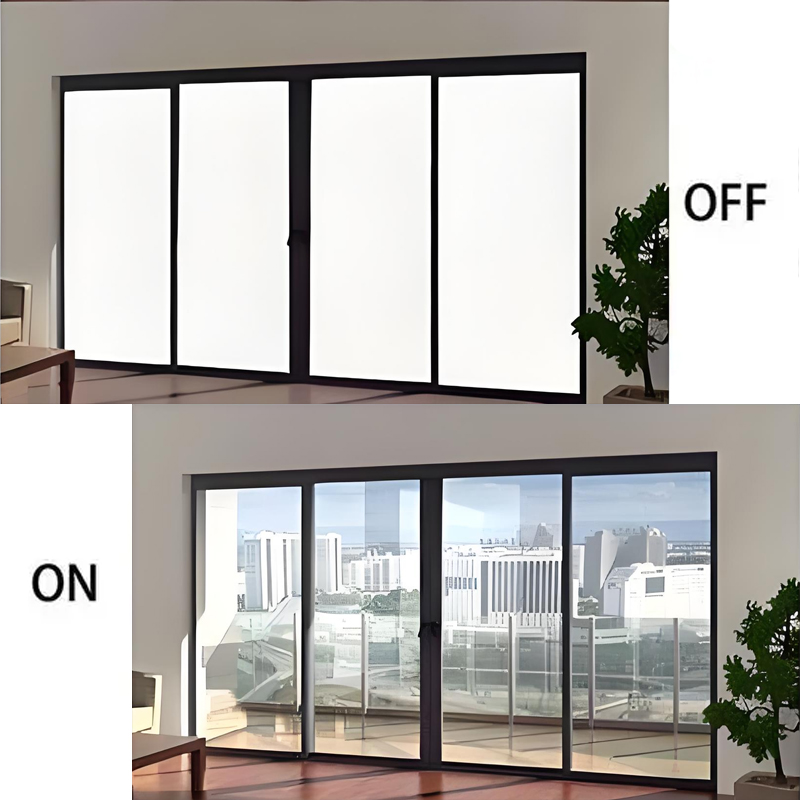
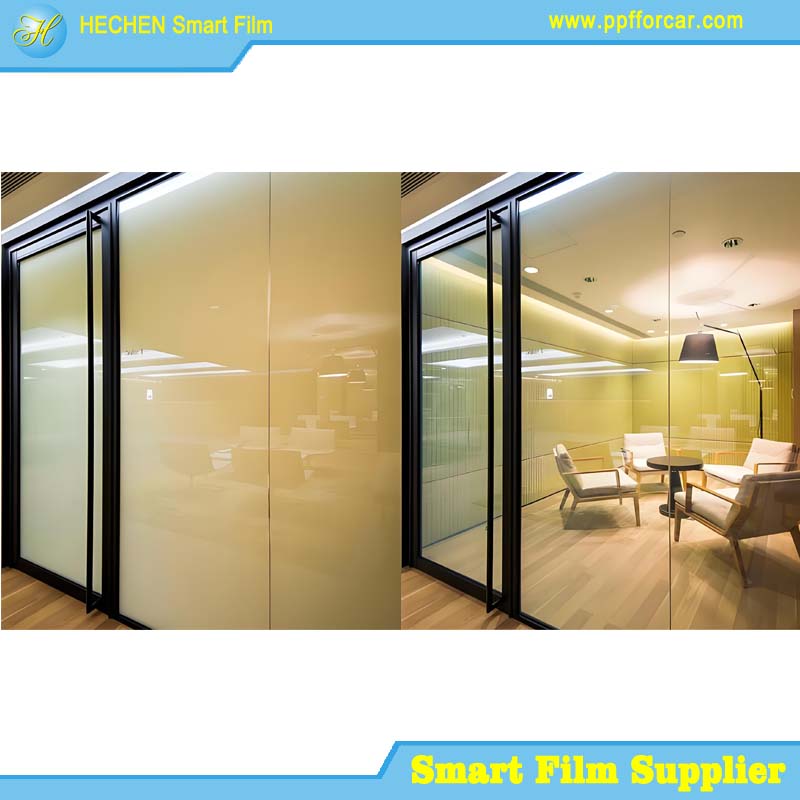
The Best Smart Car Window Film for Your Privacy You Want in 2025
In an era where privacy is paramount, especially on the road, smart car window films have emerged as a revolutionary solution for vehicle owners seeking control over their visibility and comfort. Unlike traditional static tints, smart window films allow users to adjust the opacity or tint level on demand, providing instant privacy while maintaining clear views when needed. These films utilize advanced technologies to switch between transparent and opaque states, blocking prying eyes, reducing glare, and even enhancing energy efficiency by minimizing heat entry. As of 2025, the market for smart car window films has expanded significantly, driven by advancements in materials science and increasing consumer demand for customizable automotive accessories.
Smart window films are particularly appealing for privacy-conscious drivers, such as families, professionals, or those in urban areas where traffic and pedestrians can compromise personal space. They offer a blend of functionality and aesthetics, transforming ordinary car windows into dynamic barriers that adapt to various situations—be it parking in a busy lot, shielding from sunlight during long drives, or creating a secluded environment for passengers. According to industry trends, the adoption of smart tints is on the rise, with features like UV protection and integration with vehicle systems making them a must-have upgrade.This article explores the best smart car window films available in 2025, delving into their types, key considerations, top recommendations, installation tips, maintenance, and legal aspects to help you make an informed choice.
The benefits of smart window films extend beyond mere privacy. They can block up to 99% of harmful UV rays, protecting both passengers and interior upholstery from fading and damage. Additionally, by reducing solar heat gain, these films contribute to better fuel efficiency in gas-powered vehicles and extended battery life in electric ones, as less energy is required for air conditioning. In a world increasingly focused on sustainability, smart films align with eco-friendly practices by lowering overall energy consumption. Moreover, their aesthetic flexibility allows for seamless integration with modern car designs, enhancing the vehicle's appeal without permanent alterations.
However, choosing the right smart film involves understanding the underlying technologies and evaluating factors like cost, durability, and compatibility with your vehicle. With the market projected to grow at a CAGR of 8% in North America alone, it's essential to stay updated on the latest options. Whether you're retrofitting an existing car or customizing a new one, smart window films represent a smart investment in privacy and comfort.
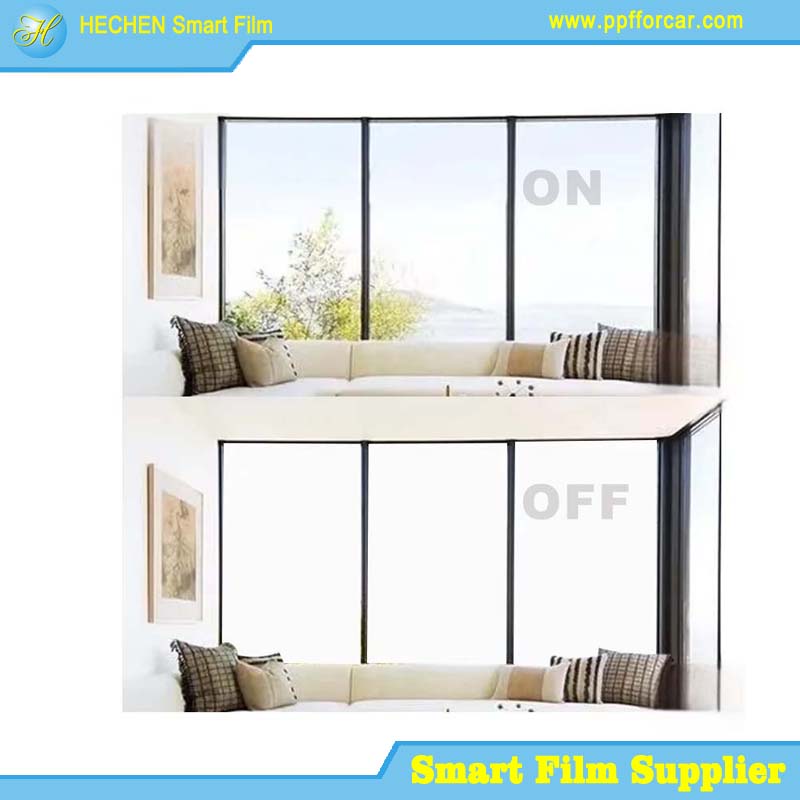
Types of Smart Car Window Films
Smart car window films come in several varieties, each leveraging different mechanisms to achieve switchable privacy. The most common types include Polymer Dispersed Liquid Crystal (PDLC), Suspended Particle Device (SPD), Electrochromic (EC), and Thermochromic films. Understanding these can help you select the best fit for your needs.
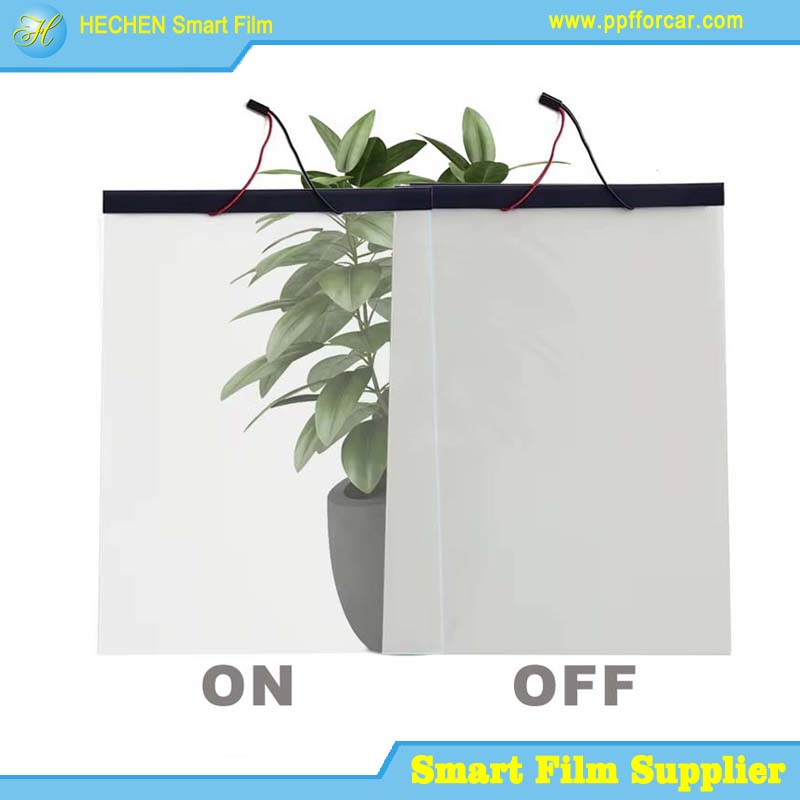
PDLC films are the most popular for automotive applications due to their rapid switching capabilities. In this technology, liquid crystals are dispersed in a polymer matrix. When no electricity is applied, the crystals scatter light, making the film opaque for privacy. Applying a low voltage aligns the crystals, turning the film transparent. PDLC films switch in milliseconds, offering on-demand privacy ideal for side windows or sunroofs.
They provide excellent UV blocking and can be controlled via apps, remotes, or vehicle integration. However, they consume power in the transparent state, which might be a consideration for battery-dependent setups.
SPD films work by suspending microscopic particles in a liquid between two layers of glass or film. Without power, the particles are randomly oriented, blocking light for a tinted effect. Electricity aligns them, allowing light to pass through. SPD offers gradual dimming, blocking up to 99% of visible light while maintaining outward visibility.
This makes it suitable for sunroofs and windshields in luxury vehicles, as seen in models from BMW. SPD is energy-efficient, using power only when changing states, but it's typically more expensive and used in OEM installations.
Electrochromic films use a chemical reaction triggered by electricity to change tint levels. They can darken gradually, similar to transition lenses in eyewear, providing variable shading from clear to deeply tinted. EC films are durable and offer superior heat rejection, making them great for hot climates. They integrate well with smart systems but may take seconds to minutes to fully switch, which could be a drawback for instant privacy needs.
Thermochromic films, on the other hand, respond to temperature changes without electricity. They darken as heat increases, providing passive privacy and heat control. While energy-free, they lack manual control, limiting their versatility for privacy-focused users. These are often combined with other types for hybrid solutions in 2025 trends.
Each type has its niche: PDLC for quick privacy switches, SPD for premium shading, EC for adjustable tinting, and thermochromic for low-maintenance operation. For cars, PDLC and SPD dominate due to their automotive compatibility, with films like those from Gauzy offering integrated solutions for passenger vehicles.
Factors to Consider When Choosing Smart Car Window Film
Selecting the best smart car window film requires evaluating several key factors to ensure it meets your privacy needs while fitting your budget and vehicle.
First, consider the level of privacy and light control. Visible Light Transmission (VLT) ratings indicate how much light passes through—lower VLT means darker tint for better privacy. Switchable films should offer a clear state with high VLT (over 70%) and an opaque state under 5% for maximum seclusion.
Also, check UV and infrared rejection rates; top films block 99% UV and up to 49% solar heat.
Durability is crucial for automotive use. Look for films with scratch-resistant coatings, temperature tolerance from -13°F to 186°F, and warranties up to 10 years. Automotive environments expose films to vibrations, moisture, and extreme weather, so opt for ETL-certified products conforming to UL standards.
Installation type matters—self-adhesive films like Smart Cling are DIY-friendly, while others require professional wiring for electrical controls. Compatibility with curved windows is essential for cars, and integration with smart home or vehicle systems (e.g., Alexa, car apps) adds convenience.
Cost varies widely: Basic PDLC films start at $59 per square foot, with custom kits for cars reaching $500–$2000 depending on size and features.
Factor in installation fees, which can add 20–50%. Energy efficiency can offset costs through savings on AC use.
Finally, legality is non-negotiable. In the US, tint laws vary by state; switchable films must comply in their tinted state, often requiring clear mode for front windows. Always verify local regulations to avoid fines.
Top Smart Car Window Films for Privacy in 2025
Based on reviews, features, and market trends, here are the best smart car window films for privacy. These selections prioritize switchable technologies, user feedback, and automotive suitability.
1. Smart Tint Smart Film by Smart Tint Inc.
Smart Tint leads the market with its PDLC-based switchable film, ideal for retrofitting car windows. It switches from clear (99% transparency) to frosted opaque in seconds via remote, app, or switch, offering on-demand privacy. Features include 99% UV blocking, 49% solar reduction, and dimmable control. Available in colors like white and gray, it fits curved surfaces with self-adhesive installation.
Pros: High clarity, energy-efficient (0.3–0.39 Watts/sq ft), compatible with smart systems like Crestron. Durable with temperature tolerance up to 186°F.
Cons: Requires power for clear state; custom sizing needed for cars.
Pricing: Starts at around $50–$70 per sq ft, with quotes for automotive kits.
Reviews praise its reliability, with over 150,000 satisfied users noting easy integration and effective privacy.
2. Ghost
Glass Smart Film Car Kit by Ghost Glass LLC
Designed specifically for vehicles, this PDLC kit provides privacy for side windows and RVs. It transitions from opaque to clear in 0.1 seconds, powered by a 12V car battery converter. Includes installation tools like silver paste and copper tape for DIY setup.
Pros: 99.99% UV protection, heat insulation for energy savings, enhances security. Customizable for curved glass, reduces HVAC costs.
Cons: Not recommended for windshields; professional help advised for wiring.
Pricing: Custom quotes, typically $400–$800 per kit depending on vehicle size.
Users appreciate the quick switch and UV benefits, though some note installation complexity in reviews.
3. Filmbase PDLC Smart Film Switchable Adhesive
Filmbase offers an adhesive PDLC film tailored for automotive use, allowing clear views inside-out while blocking external visibility when opaque. It enhances privacy spaces in cars, with easy application to existing windows.
Pros: One-way vision effect, UV protection, simple remote control. Affordable for DIY enthusiasts.
Cons: Limited dimming options; may require trimming for fit.
Pricing: Around $30–$50 per sq ft on platforms like Amazon.
Customer reviews highlight its effectiveness for privacy, with high ratings for value and ease of use.
4. Gauzy Automotive Smart Glass (PDLC/SPD)
Gauzy provides OEM-level solutions with PDLC and SPD films for passenger vehicles, used in sunroofs and windows. PDLC offers instant opacity, while SPD provides dimmable shading with 99% light blocking.
Pros: Integrates with car systems for automatic control, reduces glare and UV, improves thermal comfort. High-contrast for HUDs.
Cons: Primarily for new vehicles or professional installs; higher cost.
Pricing: Custom, often $1000+ per window set.
Reviews from automotive integrations, like in Ferrari models, commend its luxury feel and safety enhancements.
5. ElectraTint PDLC Film
ElectraTint's PDLC film applies to glass surfaces, switching to opaque for privacy with 60V AC power. It blocks 99% UV and allows projections for added utility.
Pros: Energy-efficient (2 amps/100 sq ft), versatile controls including voice commands. Cost-effective compared to laminated glass.
Cons: Not explicitly automotive-focused; wiring needed.
Pricing: $59 per sq ft, plus accessories.
Feedback emphasizes its affordability and quick privacy switch, though some users mention installation challenges.
These top picks represent a range from budget-friendly DIY options to premium integrations, all excelling in privacy provision.
Installation Guide for Smart Car Window Films
Installing smart window films requires precision, especially for electrical types. Start by cleaning windows thoroughly with alcohol wipes. Measure and cut the film to size, peeling the backing for adhesive application. For PDLC/SPD, connect wiring to a power source like the car's 12V system, using transformers for safe voltage.
Apply silver paste and copper tape for connections, then solder wires. Test the switch before finalizing. Professional installation is recommended for complex setups, costing $200–$500. DIY kits save money but risk bubbles or failures if not done carefully.
Maintenance and Care
Maintaining smart films is straightforward: Clean with soft cloths and non-abrasive solutions, avoiding harsh chemicals. Inspect wiring periodically for wear. With proper care, they last 10+ years, retaining UV protection and switchability.
Legal Considerations
Switchable films are legal in the US if they comply with state VLT laws—typically 70% for front windows in clear mode. When opaque, they may violate rules, so use clear settings during drives or inspections. Check DMV guidelines; states like California limit tint depth.
Conclusion
Smart car window films offer unparalleled privacy, comfort, and efficiency in 2025. From Smart Tint's versatile PDLC to Gauzy's advanced SPD, there's an option for every driver. By considering types, factors, and top products, you can enhance your vehicle's sanctuary while staying legal and sustainable. Invest in one today for a more private drive.
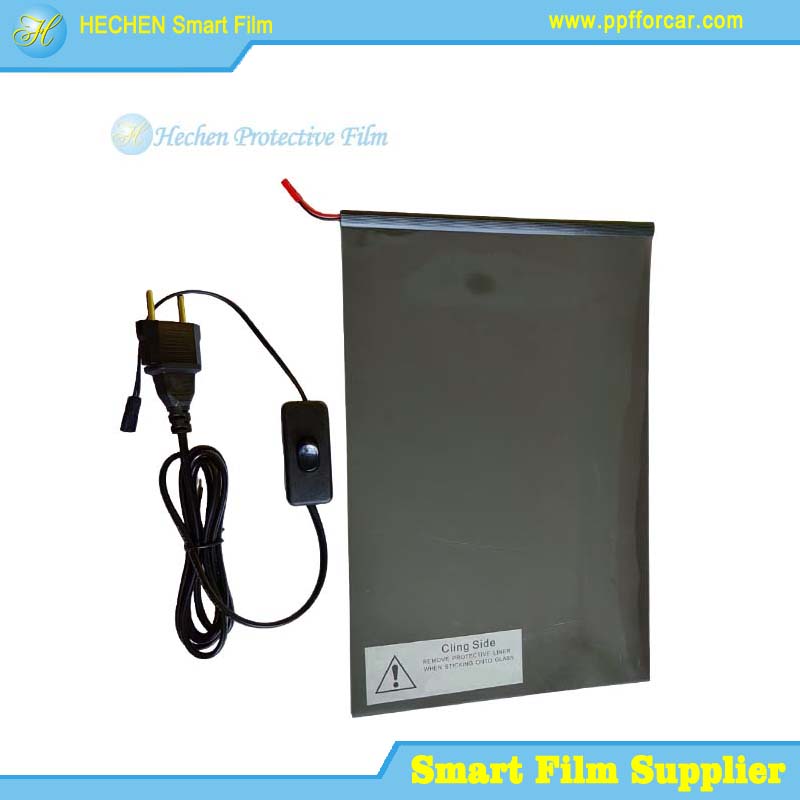
For more about the best smart car window film for your privacy you want in 2025, you can pay a visit to Hechen PDLC Smart Film Manufacturers for more info.