Cleaning Smart Tint Window Film: Dos and Don’ts to Avoid Damage
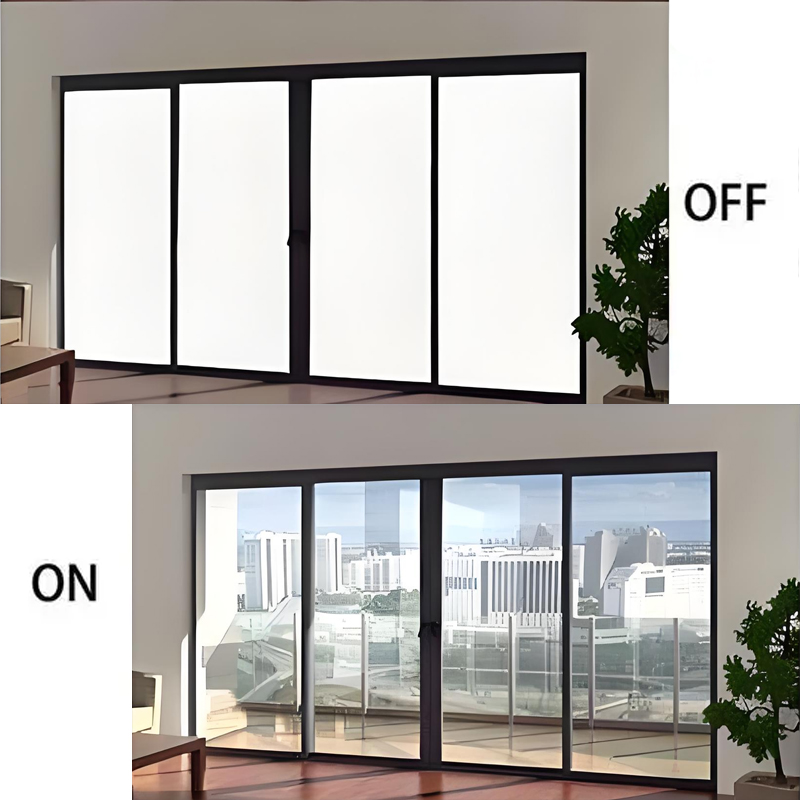
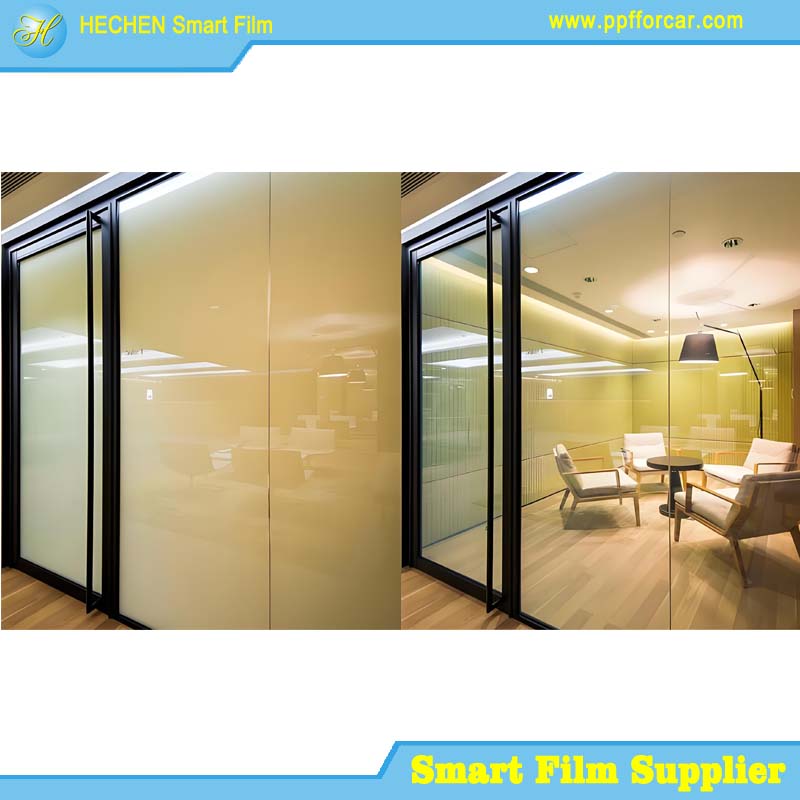
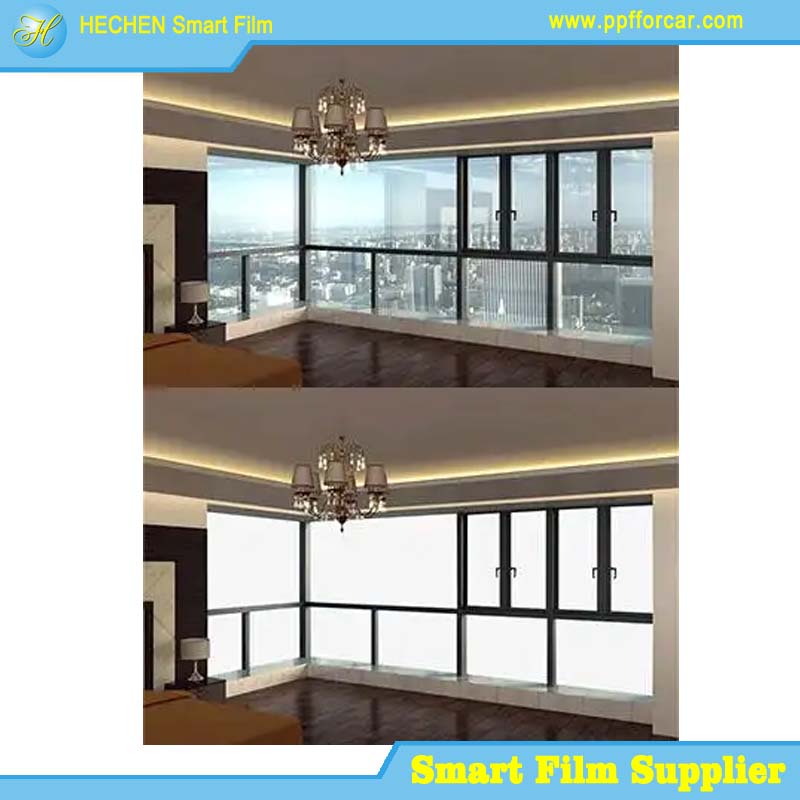
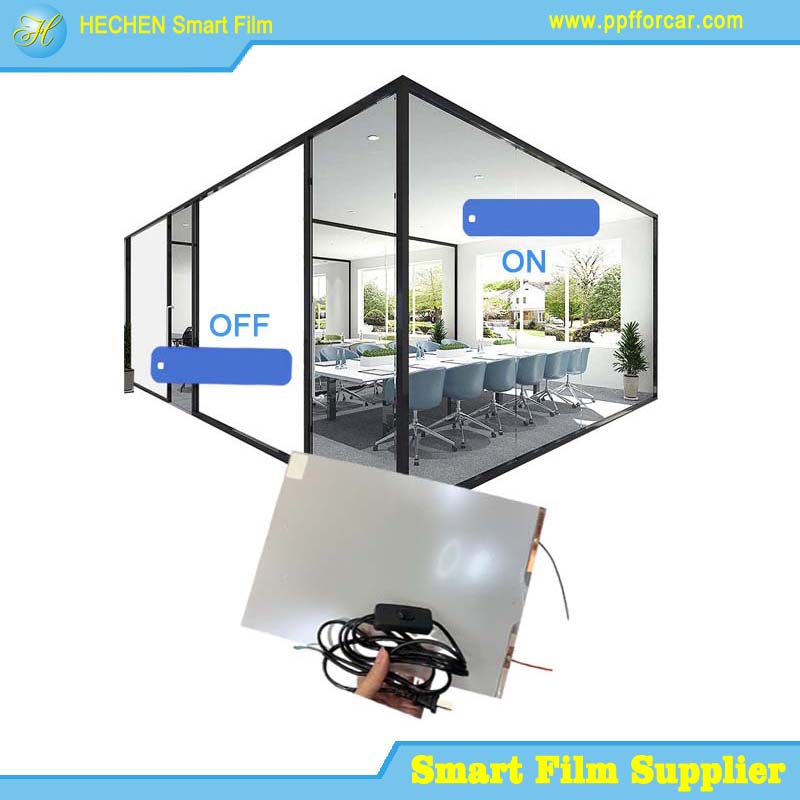
In the world of modern architecture and smart homes, switchable smart tint window film (often known as PDLC film—Polymer Dispersed Liquid Crystal) has emerged as a revolutionary technology. With the flick of a switch or a tap on an app, it transitions from a frosted, private state to a crystal-clear window, offering dynamic control over privacy, light, and heat. This marvel of innovation adorns corporate boardrooms, luxury residences, hospital privacy rooms, and high-end retail spaces. However, its sophisticated construction—sandwiched layers of film, conductive layers, and liquid crystal droplets—demands a specific and careful approach to cleaning. Treat it like ordinary glass, and you risk irreparably damaging this significant investment. This comprehensive guide will walk you through the essential dos and don’ts to keep your smart tint film pristine and fully functional for years to come.
Understanding the Vulnerability: Why Smart Tint Isn’t Just "Glass"
Before diving into cleaning routines, it's crucial to understand what you're caring for. A typical smart tint window film is a laminated composite:
Outer Protective Layers: Usually made of PET or similar polyester, these are tougher than they appear but can be scratched.
Conductive Coating: A microscopically thin, transparent layer that carries the electrical current. This is highly sensitive to abrasion and corrosive chemicals.
PDLC Layer: The heart of the film, containing liquid crystal droplets suspended in polymer. Harsh chemicals can degrade this layer.
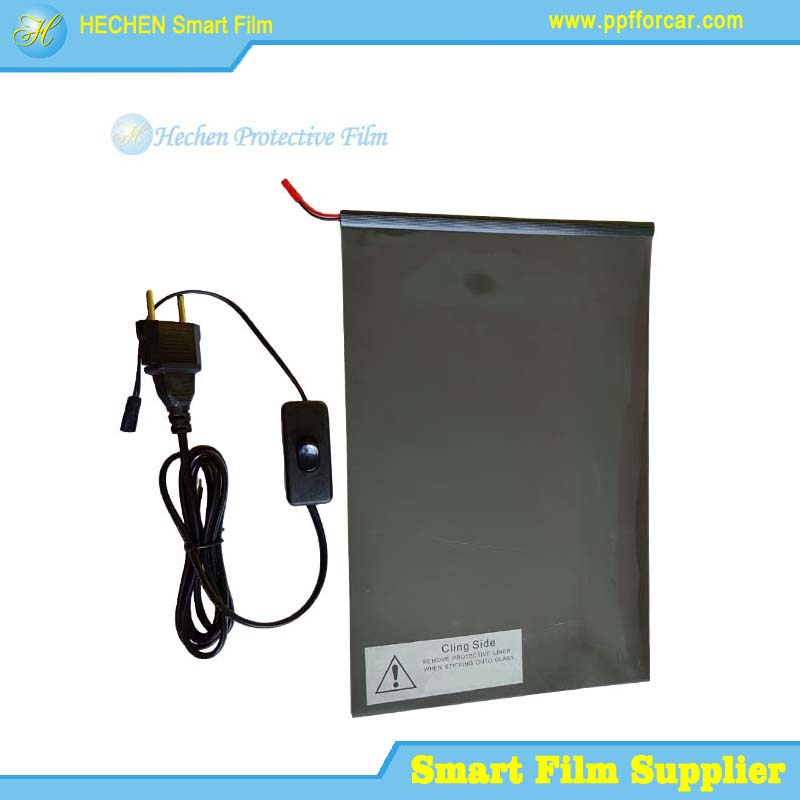
Adhesive Layer & Power Source: The film is bonded to your existing glass and connected to a power supply.
The primary risks during cleaning are:
Scratches: Abrasive materials can permanently mar the surface, creating visible lines that disrupt clarity.
Seal Breach: Harsh solvents or excessive moisture at the edges can seep in, damaging the internal layers and electrical components, leading to malfunctions, discoloration, or dead spots.
Chemical Degradation: Ammonia, alcohol, and other strong cleaners can break down the conductive coating, cause delamination (separation of layers), or create a permanent haze.
Electrical Damage: Soaking the film, especially near the edges where electrodes are often located, can short-circuit the system.
With this in mind, let's establish the golden rules of smart tint film maintenance.
The Dos: Your Prescription for Safe and Effective Cleaning
1. DO Consult the Manufacturer’s Instructions First.
This is the non-negotiable first step. The installer or manufacturer may have specific recommendations based on the exact film type and brand (e.g., SageGlass, View, SmartGlass International). Their guidelines always supersede general advice.
2. DO Use a Dry, Soft, and Lint-Free Cleaning Approach First.
For daily or weekly dust removal, often all you need is a clean, soft microfiber cloth. Gently wipe the surface in a single direction to lift dust without grinding it in. A quality microfiber cloth is ideal because its ultra-fine fibers trap dust and particles without scratching. For slightly more stubborn dust, a soft, natural-hair duster (like lamb’s wool) can be effective.
3. DO Use the Right Cleaning Solution.
When a damp clean is necessary, your cleaner should be mild, neutral, and free of harsh additives.
The Ideal Mix: Warm, distilled or de-ionized water is best to prevent mineral spots. If needed, add a single drop of mild, non-detergent, non-abrasive dish soap (like Ivory or Dawn Original) per quart of water. Mix thoroughly in a spray bottle.
Commercial Alternatives: Look for cleaners specifically formulated for plasma/LCD/TV screens, anti-glare coatings, or optical lenses. These are designed for sensitive, coated surfaces. Phrases like "ammonia-free," "alcohol-free," and "streak-free" are key.
4. DO Employ the Correct Tools and Technique.
Tools: Use a clean, high-quality microfiber cloth. Have two on hand: one for applying the solution and one for buffing dry. A soft, non-abrasive sponge can also beused for the initial wipe.
Technique:
Spray the cloth, not the film. Never spray cleaner directly onto the smart tint. This prevents liquid from pooling and seeping into the edges, seals, or electrical connections.
Gently wipe the dampened cloth over the film in straight, overlapping strokes. Avoid circular motions which can leave swirl marks.
Never scrub or apply pressure. Use a light touch.
Immediately buff the area dry with your second clean, dry microfiber cloth. This prevents streaking and moisture dwell time.
5. DO Clean the Surface Gently and Regularly.
Regular, gentle cleaning prevents the buildup of grime that might later require more aggressive (and risky) cleaning methods. A light monthly cleaning with the soapy water solution is often sufficient for interior applications.
6. DO Pay Special Attention to Edges and Seals.
Be extra cautious around the perimeter of the film. Keep this area as dry as possible. When cleaning near edges, ensure your cloth is damp, not wet, and dry the edges thoroughly immediately after.
7. DO Power Off During Cleaning (If Recommended).
Some manufacturers recommend turning the film to its transparent state for cleaning, as any imperfections are more visible. Others may suggest turning the power off entirely to eliminate any minimal electrical risk from moisture. Check your manual.
The Don’ts: The Cardinal Sins of Smart Tint Care
1. DON’T Use Abrasive Tools or Materials.
This is the fastest way to scratch your film. Ban these items from your cleaning kit:
Paper towels, newspaper, or tissue paper (contain wood fibers that scratch).
Abrasive sponges (Scotch-Brite pads, etc.).
Stiff-bristled brushes, squeegees with nicks, or rough fabrics.
2. DON’T Use Harsh or Solvent-Based Cleaners.
These chemicals are the arch-nemesis of the film’s coatings and adhesives. Absolutely avoid:
Glass cleaners containing Ammonia (e.g.,Windex): Highly corrosive to the conductive layers and can cause permanent yellowing or haze.
Cleaning products containing Acetone, Alcohol (Isopropyl or Ethyl), or Laquer Thinner: These are powerful solvents that will degrade the film’s layers.
Abrasive Powders (e.g., baking soda, commercial scouring powders).
All-Purpose Cleaners, Bleach, or Acidic Cleaners (vinegar, while natural, is acidic and can degrade coatings over time. Some manufacturers explicitly forbid it).
3. DON’T Spray Liquids Directly Onto the Film or Glass.
As emphasized, direct spraying creates a high risk of liquid infiltration. It also makes it difficult to control the amount of moisture used.
4. DON’T Scrub or Apply Excessive Pressure.
Never use elbow grease on smart film. Stubborn spots should be addressed by holding a damp cloth over the area for a minute to loosen the debris, then gently wiping. If it doesn’t come off, stop. Do not scrub.
5. DON’T Let Liquids Pool or Dwell on the Surface.
Always dry the film immediately after wiping with a damp cloth. Prolonged moisture exposure is a primary cause of edge failure and electrical issues.
6. DON’T Use Steam Cleaners or High-Pressure Washers.
The intense heat, pressure, and moisture from steam cleaners or pressure washers (for exterior-facing film) will almost certainly force water past the seals and destroy the film.
7. DON’T Attempt to Peel, Pick, or Separate Layers.
If you notice edge lifting or delamination, do not try to fix it yourself. Contact your installer immediately. Tampering will void warranties and worsen the damage.
Troubleshooting Common Issues
Streaks: Caused by unclean cloths, too much soap, or not buffing dry. Re-wipe with a clean, damp cloth (water only) and buff immediately with a dry microfiber.
Hazy Film After Cleaning: This is a red flag. You may have used a forbidden cleaner that has damaged the coating. Stop all cleaning and contact the manufacturer. A professional assessment is needed.
Spots or Stains That Won’t Budge: Do not escalate to stronger cleaners. Consult a professional cleaning service experienced with smart film or contact your installer.
Film Not Switching Properly After Cleaning: If cleaning coincides with a malfunction, liquid ingress may have occurred. Immediately power down the system and contact your installer.
Creating a Long-Term Care Regimen
A proactive approach ensures longevity:
Prevention: Use blinds or shades during the harshest sunlight to reduce heat and UV exposure on the film. Ensure window frames are well-sealed to prevent environmental moisture.
Regular Inspection: Periodically check the edges of the film for any signs of lifting, bubbling, or discoloration.
Professional Maintenance: For large commercial installations or for a deep clean, consider an annual or bi-annual service contract with the installer or a specialist.
Conclusion: Care is Key to Longevity
Smart tint window film is a fusion of materials science and electronic engineering, offering unparalleled functionality. Its care requires a shift in mindset—from treating a passive pane of glass to maintaining a sensitive, active component. By adhering to the simple dos and don’ts outlined above—embracing microfiber, mild solutions, gentle techniques, and a strict avoidance of harsh chemicals and abrasives—you protect not just the surface, but the sophisticated technology within.
The mantra is clear: when in doubt, gentle and dry is best. Your careful stewardship will ensure that your smart windows continue to provide dynamic light control, privacy, and modern elegance, flawlessly and reliably, for their entire lifespan. Remember, the cost of proper cleaning supplies is negligible compared to the cost of film replacement. Clean smart, to keep your smart tint brilliantly functional for years to come.
For more about cleaning smart tint window film: dos and don’ts to avoid damage, you can pay a visit to Hechen PDLC Smart Film Manufacturers for more info.