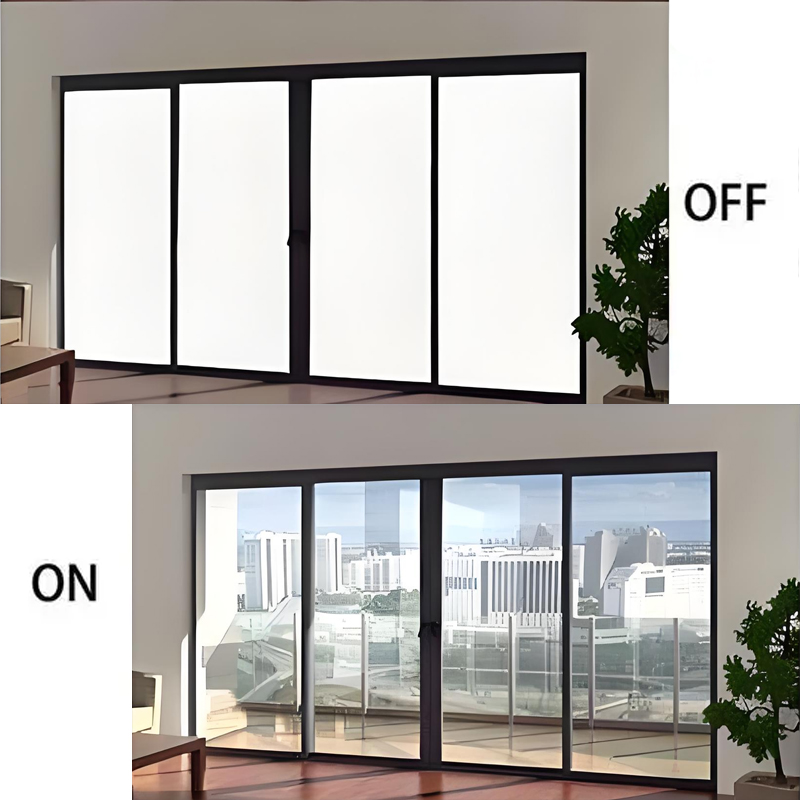
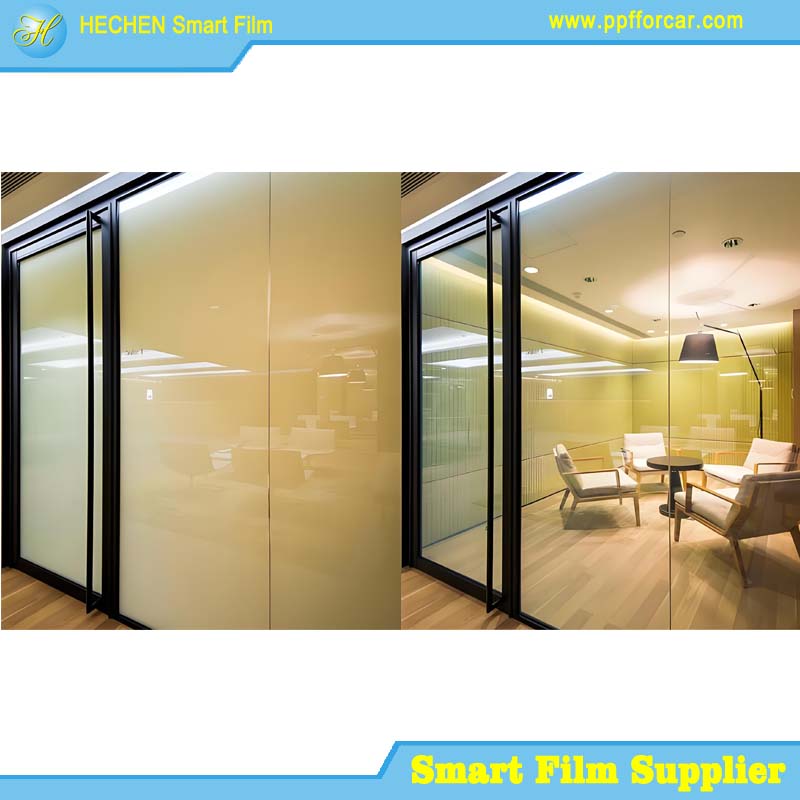
Custom Smart Glass Film for Upscale Residential Windows
In the realm of luxury home design, where innovation meets elegance, custom smart glass films are revolutionizing how affluent homeowners interact with their living spaces. These advanced materials transform ordinary windows into dynamic elements that offer on-demand privacy, energy efficiency, and aesthetic versatility. Unlike traditional window treatments such as curtains or blinds, smart glass films integrate seamlessly into upscale residential architecture, providing a sleek, modern solution that enhances both functionality and style.
Smart glass films, often referred to as switchable or intelligent films, allow windows to shift from transparent to opaque or tinted states at the touch of a button, via remote control, or through smart home integration. This technology is particularly appealing in high-end residences, where large glass facades, floor-to-ceiling windows, and open-concept layouts are common. Homeowners in upscale neighborhoods—from Beverly Hills mansions to New York penthouses—seek ways to maintain panoramic views while ensuring privacy from neighbors or passersby. Moreover, with rising energy costs and a growing emphasis on sustainable living, these films contribute to reducing utility bills by controlling solar heat gain and UV exposure.
The market for smart glass films is booming, driven by advancements in polymer dispersed liquid crystal (PDLC) and suspended particle device (SPD) technologies. Companies like Smart Tint and Gauzy lead the charge, offering customizable solutions tailored to individual architectural needs. For instance, custom cuts for irregular window shapes or integration with home automation systems like Alexa or Lutron elevate the luxury experience. This article delves into the intricacies of custom smart glass films, exploring their types, benefits, customization options, installation processes, and future trends. By understanding these elements, discerning homeowners can make informed decisions to elevate their upscale properties into smart, efficient sanctuaries.
As environmental consciousness grows among the elite, smart glass films align with green building standards, potentially increasing property values by up to 15% through enhanced energy performance and modern appeal. In an era where homes are extensions of personal style and technological prowess, custom smart glass films represent the pinnacle of residential innovation.
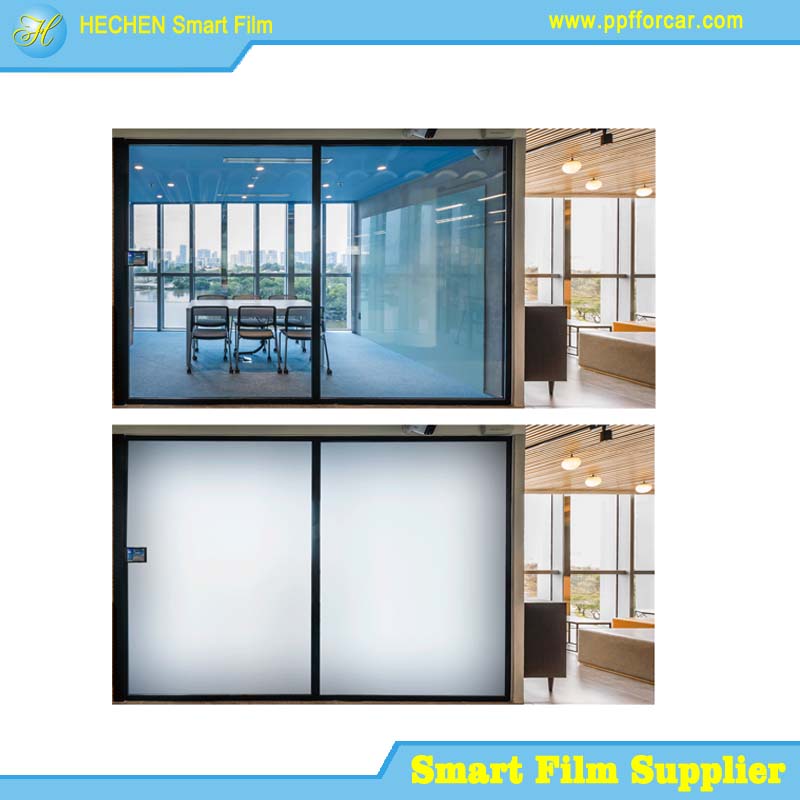
What is Smart Glass Film?
Smart glass film is a thin, adhesive layer applied to existing glass surfaces, enabling them to change optical properties in response to electrical stimuli or user commands. At its core, this technology uses liquid crystals or particles embedded in a polymer matrix to alter light transmission. When powered off, the film scatters light for opacity; when activated, it aligns to allow clarity.
Originating from commercial applications like office partitions, smart glass has transitioned into residential use, especially in upscale homes where privacy and light control are paramount. PDLC films, for example, switch from frosted to clear in milliseconds, providing instant privacy without sacrificing natural light. This is achieved through a low-voltage electrical current that reorients the liquid crystals.
For upscale residential windows, smart glass films address common challenges in luxury homes: maintaining unobstructed views while offering seclusion, reducing glare in sun-drenched rooms, and integrating with high-tech ecosystems. Unlike static tints, these films are dynamic, allowing homeowners to adjust transparency levels based on time of day, weather, or activity. In a high-end context, this means transforming a home office window into a private sanctuary during calls or dimming bedroom windows for better sleep.
The film's composition typically includes a conductive layer, liquid crystal dispersion, and protective coatings, ensuring durability against UV degradation and scratches. Custom versions can incorporate colors, patterns, or even projection capabilities, turning windows into media screens for entertainment in opulent living areas. Energy-wise, they block up to 99% of UV rays, protecting expensive furnishings from fading while minimizing heat transfer, which is crucial in climates with extreme temperatures.
Adoption in upscale residences is fueled by their retrofit-friendly nature—applied to existing glass without major renovations. This appeals to owners of historic or architecturally significant homes who wish to preserve original structures while adding modern amenities. Overall, smart glass film embodies the fusion of technology and luxury, offering a customizable, efficient alternative to traditional window solutions.
Types of Custom Smart Glass Films
Custom smart glass films come in various types, each suited to different upscale residential needs. The most prevalent is PDLC film, which uses polymer-dispersed liquid crystals to switch between opaque and transparent states. Ideal for interior windows like those in bathrooms or home gyms, PDLC provides instant privacy and can be customized in size, shape, and even with etched designs for a bespoke look.
SPD films, on the other hand, employ suspended particles that align under voltage to control tint levels, offering variable shading from clear to dark blue. This type excels in exterior applications, such as large patio doors in luxury estates, where solar control is key. Custom SPD films can be tailored for specific light modulation, integrating UV and IR blocking for enhanced energy efficiency.
Electrochromic films represent another category, changing color via ion migration when voltage is applied. These are slower to transition but maintain their state without continuous power, making them energy-efficient for whole-home systems in upscale properties. Customization includes multi-pane synchronization for uniform tinting across facades.
For transitional effects, photochromic or thermochromic films automatically adjust based on light or temperature, though less common in custom switchable setups. Hybrid films combine technologies, like PDLC with electrochromic layers, for multifaceted control in high-end homes.
In upscale residences, customization extends to thickness, haze levels, and integration with smart systems. For instance, films can be cut to fit curved or oversized windows, common in modern luxury architecture. Prices vary, with PDLC starting at $50 per square foot, while advanced custom SPD can reach $150, reflecting the premium materials and tailoring involved.
Selecting the right type depends on application: PDLC for privacy-focused interiors, SPD for exterior shading, and electrochromic for long-term energy management. Each offers unique customization to align with the sophisticated demands of luxury living.
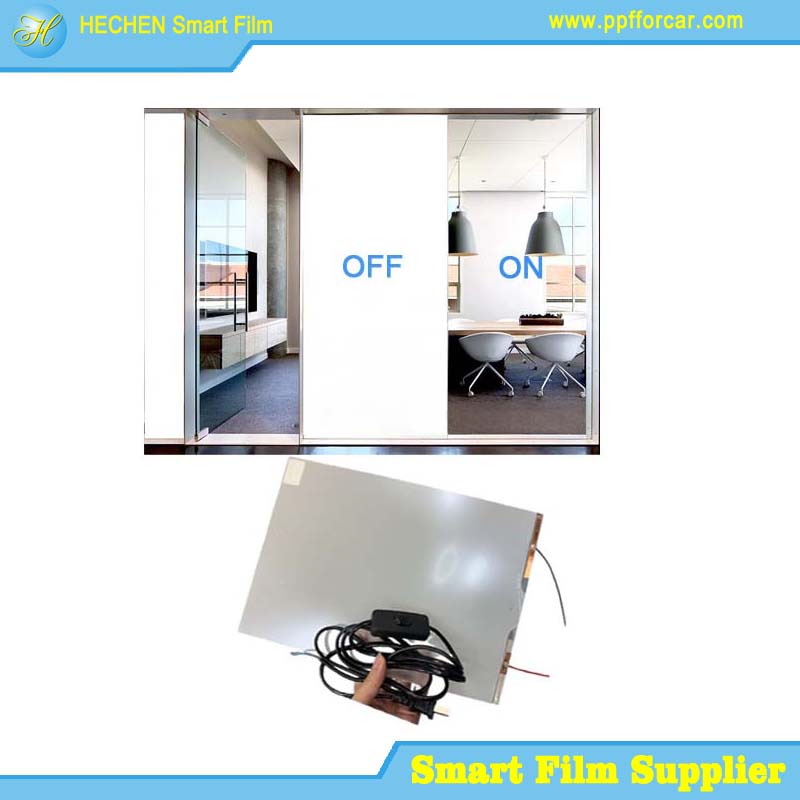
Benefits for Upscale Residences
The allure of custom smart glass films in upscale residential windows lies in their multifaceted benefits, starting with unparalleled privacy. In high-end homes with expansive glass elements, maintaining seclusion without curtains is a luxury. Smart films allow instant opacity, shielding interiors from prying eyes while preserving views when desired.
Energy efficiency is another cornerstone. By blocking solar heat and UV rays, these films reduce air conditioning needs, potentially cutting energy loads by 15-20%. In upscale properties with large windows, this translates to significant savings and aligns with sustainable luxury trends.
Aesthetically, smart films enhance modern design by eliminating bulky treatments, creating clean lines and open spaces. They can double as projection surfaces for home theaters, adding entertainment value. Integration with smart home systems like Lutron or Alexa allows voice or app control, fitting seamlessly into tech-savvy lifestyles. Health benefits include reduced glare for eye comfort and UV protection for skin and furnishings. In home offices or gyms, they create adaptable environments, boosting productivity and wellness.
Property value appreciates with these installations, as future buyers value the modern, efficient features. Drawbacks like initial costs are offset by long-term gains, making them a wise investment for upscale homes.
Customization Options
Customization is key to smart glass films' appeal in luxury residences. Homeowners can specify dimensions, from standard 20-47 inch panels to oversized cuts for panoramic windows. Shapes include curves or angles to fit unique architectures.
Color tints, patterns, or logos add personalization, while variable opacity levels cater to preferences. Integration options include remote controls, wall switches, or smart apps.
For exteriors, weather-resistant coatings ensure durability. Hybrid features like sound insulation enhance quiet in urban luxury settings. Manufacturers offer free custom sizing, making bespoke solutions accessible.
Installation and Maintenance
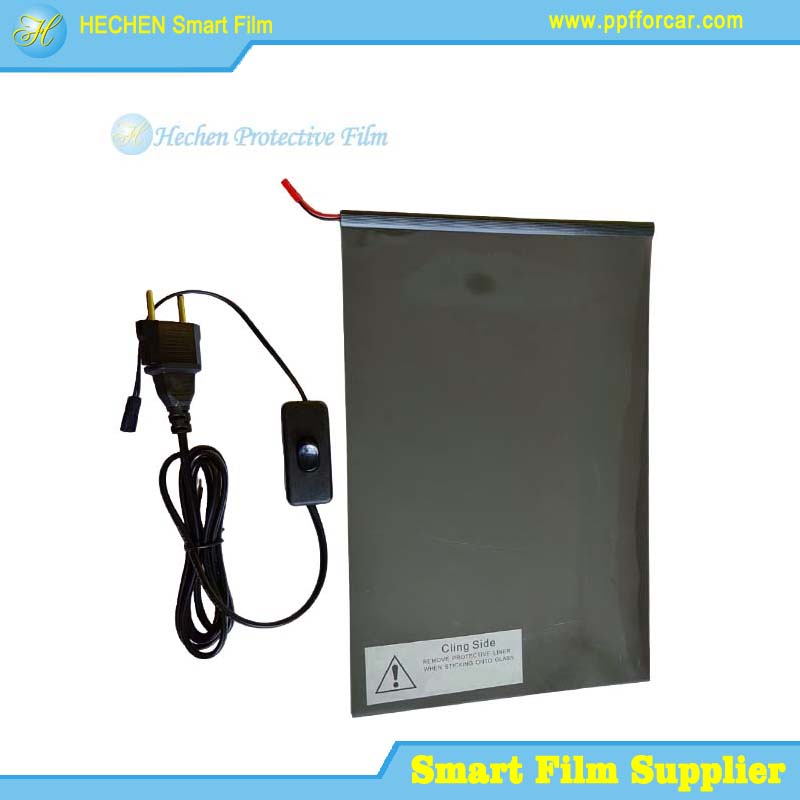
Installation is straightforward for custom films: clean the glass, apply the adhesive layer, and connect wiring. Professional installers handle upscale projects to ensure bubble-free application.
Maintenance involves simple cleaning with glass cleaners, avoiding abrasives. Lifespan exceeds 10 years with proper care, backed by warranties.
Case Studies and Examples
In a Los Angeles villa, PDLC films on bedroom windows provided privacy without compromising ocean views. A New York penthouse used SPD for sunroofs, reducing heat in summer.
These examples highlight how custom films elevate luxury living through practical innovation.
Future Trends
Advancements include self-powered films via solar harvesting and AI integration for predictive adjustments. Market growth projects widespread adoption in upscale homes by 2030.
Conclusion
Custom smart glass films redefine upscale residential windows, blending privacy, efficiency, and style. As technology evolves, they promise even greater luxury.
For more about the custom smart glass film for upscale residential windows, you can pay a visit to Hechen PDLC Smart Film Manufacturers for more info.