DIY Smart Film Self-Install: Step-by-Step Guide & Mistakes to Avoid
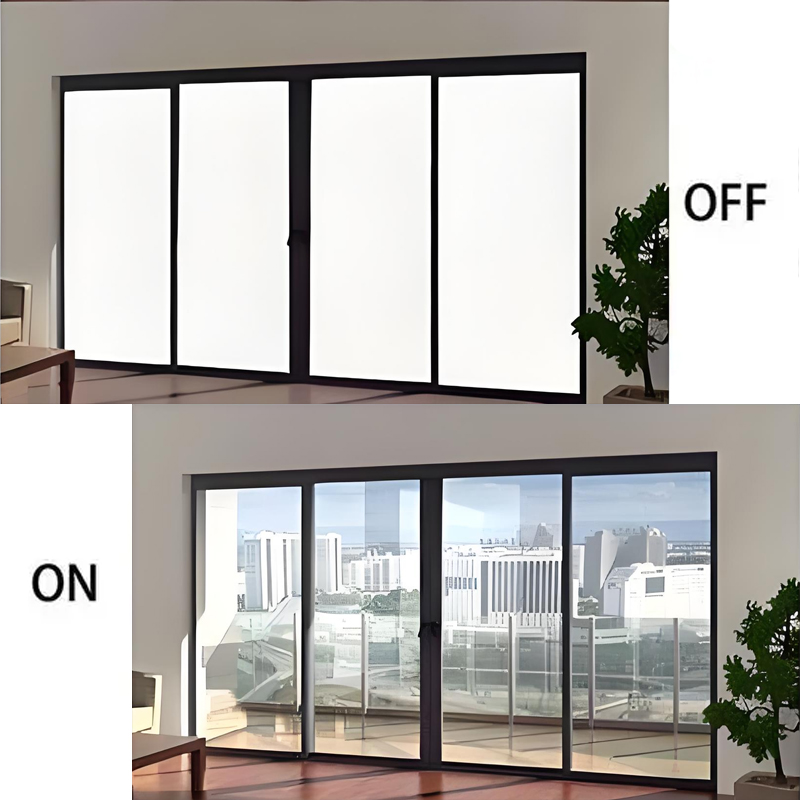
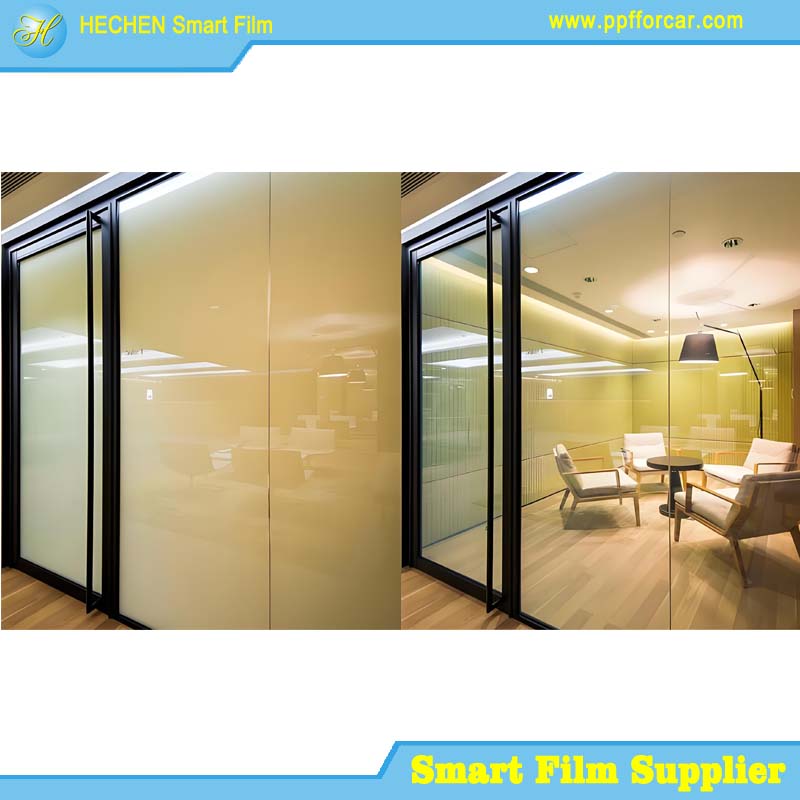
Imagine a window that transforms from crystal clear to frosted white at the touch of a button. Picture a glass partition that provides instant privacy, then disappears to let light flood in. This is the magic of smart film—a cutting-edge technology once reserved for high-end commercial spaces but now increasingly accessible to homeowners and DIY enthusiasts. The question many are asking is: Can you successfully install this futuristic material yourself? The answer is a cautious “yes,” but success hinges on preparation, precision, and avoiding a handful of critical errors. This comprehensive guide will walk you through the entire process, from assessing your project to applying the final trim, while highlighting the pitfalls that could turn a high-tech dream into a costly, bubbly mess.
What is Smart Film and How Does it Work?
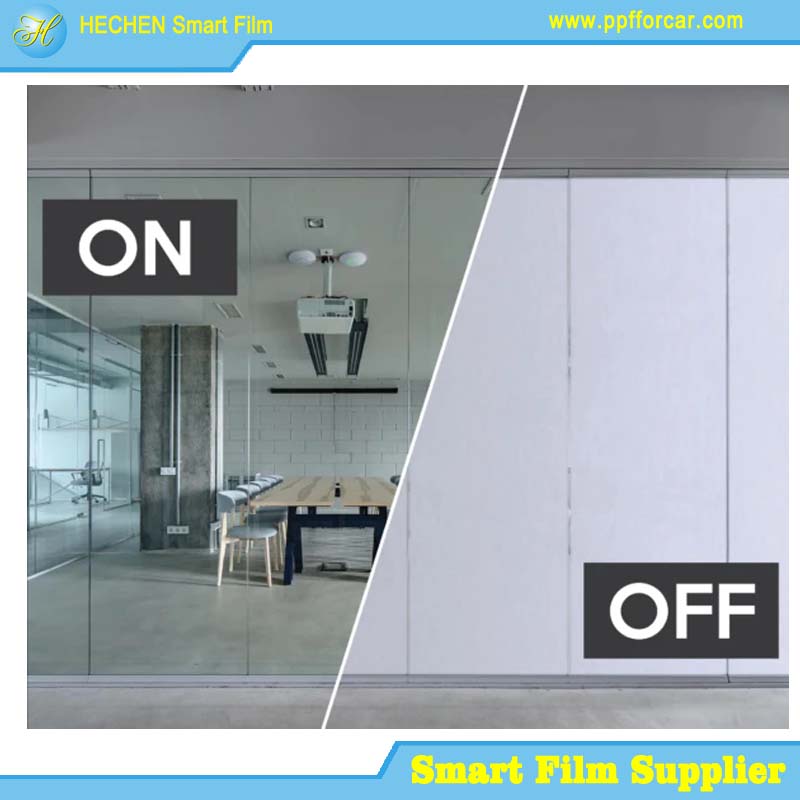
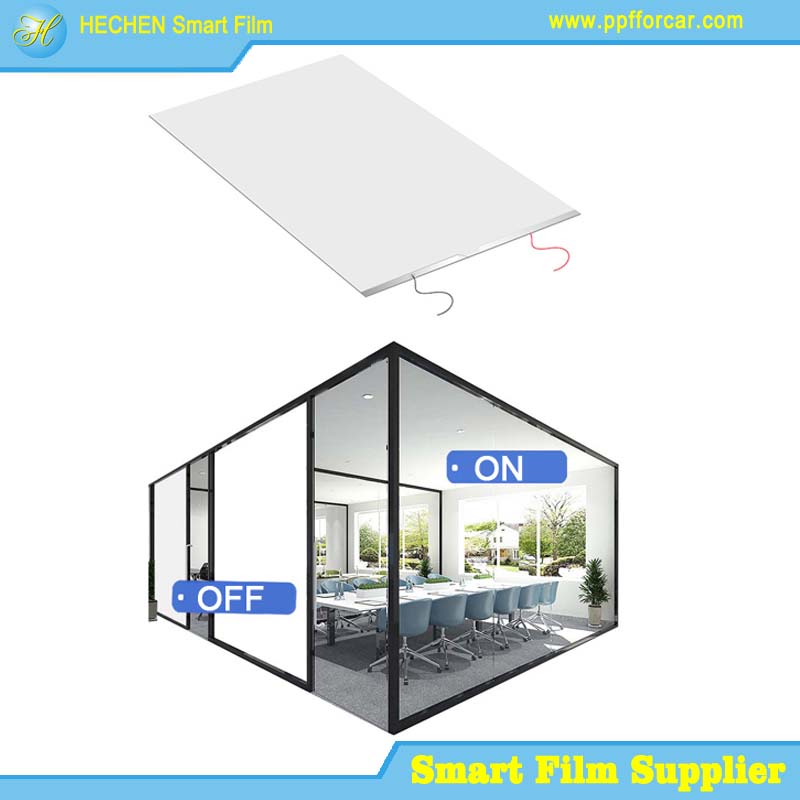
Before picking up a squeegee, it’s essential to understand what you’re working with. Smart film (also called switchable film, privacy film, or PDLC film) is a laminate that applies directly to glass. At its heart is a layer of Polymer Dispersed Liquid Crystals (PDLC). When the film is off, the crystals are randomly scattered, scattering light and creating a translucent, frosted effect. When you turn it on by applying an electrical current (typically 24V, 36V, or 110V), the crystals align, allowing light to pass through clearly.
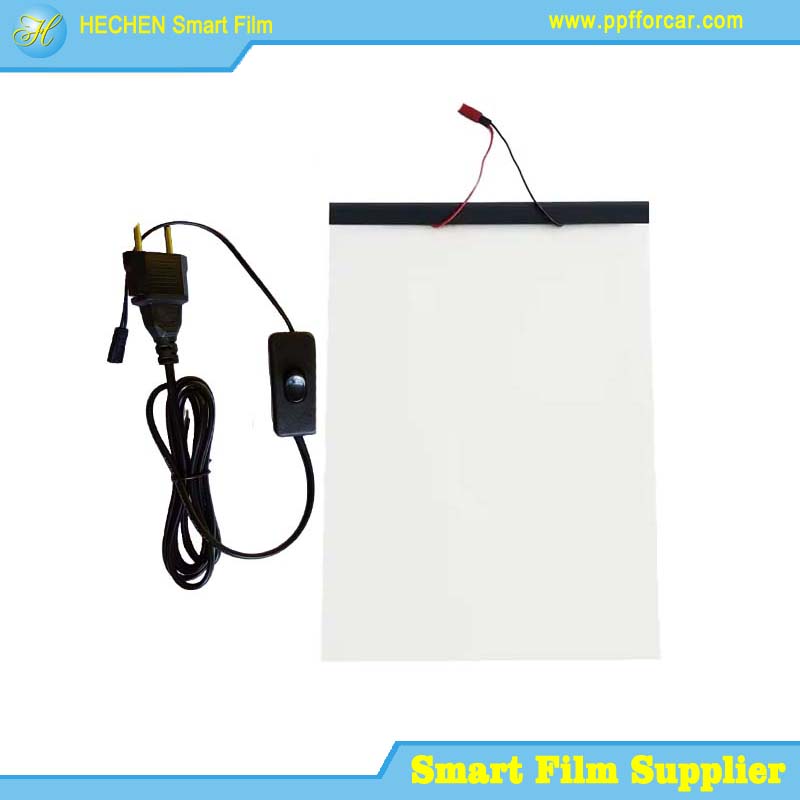
The DIY kit usually includes:
· The smart film roll: The core adhesive laminate.
· A power supply/controller: Plugs into a standard outlet.
· Busbars & leads: Thin conductive strips that carry current across the film.
· Application tools: A squeegee, cutting blade, and sometimes a spray bottle.
· Connectors and wire.
The allure is undeniable: modern aesthetics, space-saving privacy, and a serious "wow" factor. Professionally installed, it can cost $50-$100 per square foot. A DIY kit, however, can bring that down to $20-$40 per square foot, representing significant savings if you’re willing to invest your time and care.
Pre-Installation: The "Measure Twice" Phase
1. Suitability Check: Is Your Project a Good Candidate?
Not every glass surface is ideal. Smart film works best on smooth, non-tempered, clean glass. Tempered glass, often required for doors and large windows, can shatter if scored or drilled post-tempering. Check for a small etching in the corner of the glass; if it says "Tempered" or has a "bug," you cannot cut the film on-site to fit that pane. You must order it pre-cut to the exact size. The glass must also be in good condition—free of cracks, deep scratches, or significant imperfections.
2. The Critical Measurement
This is Mistake #1 to avoid: Incorrect measurements. Measure the height and width of the glass in multiple places. Glass can be slightly out of square. Use the smallest measurement for both dimensions when ordering your pre-cut film. It’s far better to have a tiny, consistent gap (which you can cover with trim) than film that’s too large and bubbles at the edges. Remember: film is flexible, but it doesn’t stretch.
3. Power & Control Planning
Decide how you want to control the film. Basic kits come with a simple plug-in toggle switch. More advanced setups can integrate with remote controls, wall switches, motion sensors, or even smart home systems like Alexa or Google Home via a relay. Before ordering, ensure you have a nearby power outlet or plan for professional electrical work to run a hidden wire. Map out where the wire will run from the film’s busbar to the power supply, considering both aesthetics and safety.
4. Environment Preparation
Installation is a dusty enemy. Choose a time to work when you can control the environment. The space should be:
· Clean: Vacuum and dust the entire room thoroughly.
· Humidity Controlled: Aim for 40-60% humidity. High humidity can affect adhesion and cause haze.
· Temperature Stable: Ideal room and glass temperature is between 60-80°F (15-27°C). Cold glass causes condensation; hot glass makes the adhesive too aggressive.
· Well-Lit: Have bright, angled lights ready to reveal dust and bubbles as you work.
Step-by-Step Installation Guide
Tools You’ll Need: Beyond the kit, have on hand: a high-quality glass cleaner (ammonia-free), lint-free microfiber cloths, a spray bottle with a soapy water solution (a few drops of baby shampoo or J&J in a liter of distilled water), a sharp utility knife, a straight-edge ruler or level, a plastic card or felt-wrapped squeegee for smoothing, and painter’s tape.
Step 1: Impeccable Glass Cleaning
This is the single most important step. Any speck of dust, grease, or hair becomes a permanent, magnified blemish under the film.
1. Spray the glass with ammonia-free cleaner.
2. Wipe thoroughly with a clean microfiber cloth.
3. Use a razor blade scraper at a 45-degree angle to remove any stubborn spots or old adhesive (be gentle!).
4. Spray with the soapy water solution.
5. Use a fresh, dry microfiber cloth to polish the glass until it is completely streak-free and flawless. The "squeaky clean" test is your friend.
Step 2: Dry Fit & Busbar Attachment
1. Dry Fit: With clean hands (preferably wearing cotton gloves), carefully unroll the pre-cut film near the window. Hold it up to the glass to confirm the fit. Identify the top/bottom and the side with the exposed busbar (usually a thin copper or silver strip along one edge).
2. Prepare the Busbar Connector: The kit’s wire lead will have a metal clip. Practice attaching it to a corner of the film’s busbar. It should snap on securely.
Step 3: The "Wet Application" – Peeling and Sticking
The wet method uses the soapy water solution as a lubricant to allow for repositioning.
1. Peel the Backing: Lay the film flat, adhesive-side up. Have a helper, or use painter’s tape to create a hinge. Starting at one corner, carefully peel down about 6-12 inches of the backing paper. Mist the exposed adhesive liberally with the soapy water.
2. Position and Adhere: Mist the clean glass liberally. Carefully lift the film and align it to the top of the glass pane, leaving a uniform, tiny gap (1-2mm) on all sides if it’s a perfect fit. Once the top edge is perfectly aligned, press it gently into place. The soapy water will allow it to hold but remain slide-able.
3. Squeegee from the Center: Using your squeegee or plastic card, begin firmly smoothing from the center of the adhered section outward toward the edges, pushing out water and air bubbles. Work your way down, progressively peeling the backing paper, misting both the film and glass, and smoothing as you go.
Step 4: Final Squeegee and Bubble Removal
Once the entire film is applied, go over the entire surface systematically with firm, overlapping strokes. Start from the center and push toward the edges. For stubborn water pockets or small bubbles, you can often push them to the nearest edge. Do not puncture bubbles. If a large air bubble is trapped, you may carefully lift that section of the film and re-squeegee.
Step 5: Sealing the Edges and Trimming
After all liquid is expelled, use a clean, dry microfiber to absorb the solution from the edges. Some kits include edge-sealing tape to prevent moisture ingress. Apply it carefully. If you must trim (e.g., for an irregular shape), use a brand-new blade and a straight edge, cutting with light pressure.
Step 6: Electrical Connection
1. Attach Leads: Snap the wire leads onto the exposed busbars at the designated connection points.
2. Route Wires: Run the wires discreetly to your power supply location. You can use subtle channel trim to hide them.
3. Power Up: Connect the leads to the power supply, plug it in, and test. The film should switch from frosted to clear. Let the film cure (usually 24-72 hours) before regular switching or cleaning.
Critical Mistakes to Avoid: Your DIY Safety Net
1. Skipping the Deep Clean: Wiping the glass with a cloth is not enough. Razor-scraping and a streak-free polish are non-negotiable. Mistake Outcome: Permanent dirt specks and poor adhesion.
2. Installing on Unsuitable Glass: Applying to tempered, cracked, or coated (Low-E) glass without verification. Mistake Outcome: Film failure, glass damage, or voided warranty.
3. Working in a Dirty/Dusty Environment: Airborne dust is your nemesis. Close windows/doors, turn off fans/AC after cleaning. Mistake Outcome: Dozens of tiny, unmovable bumps under the film.
4. Using the Wrong Solution or Tools: Never use ammonia-based cleaners (they can damage the film’s layers). Never use a metal squeegee directly on the film (use the provided plastic one or wrap it in a soft cloth). Mistake Outcome: Scratched, hazy, or damaged film.
5. Rushing the Application: The soapy water gives you time. Use it to get perfect alignment before final squeegeeing. Mistake Outcome: Crooked film, creases, and large edge bubbles.
6. Inadequate Squeegee Pressure: You must be firm and thorough to expel all the soapy water. Lingering moisture can cause hazy patches or delamination over time. Mistake Outcome: Milky appearance, bubbling weeks later.
7. Poor Electrical Planning: Not having a nearby outlet or a plan to hide wires. Mistake Outcome: Unsightly dangling cords that ruin the sleek look.
8. Not Ordering a Sample First: Always order a small sample to test clarity, frost level, and adhesion on your specific glass. Mistake Outcome: Unhappy with the final visual or performance result.
The Verdict: To DIY or Not to DIY?
Self-installing smart film is absolutely feasible for a meticulous, patient, and prepared DIYer with a good project (like a standard interior window or glass office partition). The rewards are substantial cost savings and the deep satisfaction of installing advanced technology yourself.
However, call a professional if:
· Your glass is very large, hard to access (like a skylight), or an irregular shape.
· You are uncomfortable with basic electrical connections.
· The project requires complex integration with smart home systems or hardwired switches.
· You cannot guarantee a perfectly clean, controlled environment.
Ultimately, DIY smart film installation is less about brute strength and more about surgical precision and obsessive cleanliness. By treating the process like a craft—respecting the materials, following the steps methodically, and heeding the common mistakes—you can successfully bring this dynamic, modern technology into your home and enjoy the magic of switching your world from private to transparent with just a click.
For more about the DIY smart film self-install: step-by-step guide & mistakes to avoid, you can pay a visit to Hechen PDLC Smart Film Manufacturers for more info.