The Cinema Black Technology: Smart Film Blackout for Cinemas
In the dimly lit halls of a modern cinema, where the magic of storytelling unfolds on massive screens, the quest for the perfect viewing experience has always been paramount. From the flickering projectors of silent films to today's immersive 4K and IMAX spectacles, cinemas have evolved dramatically. Yet, one constant challenge remains: achieving total darkness to eliminate distractions and enhance immersion. Enter "black technology"—a term borrowed from cutting-edge innovations that seem almost futuristic—specifically, smart film blackout systems designed for cinemas. This technology represents a leap forward in how we control light, privacy, and ambiance in entertainment venues.
What is Smart Film Blackout Technology?
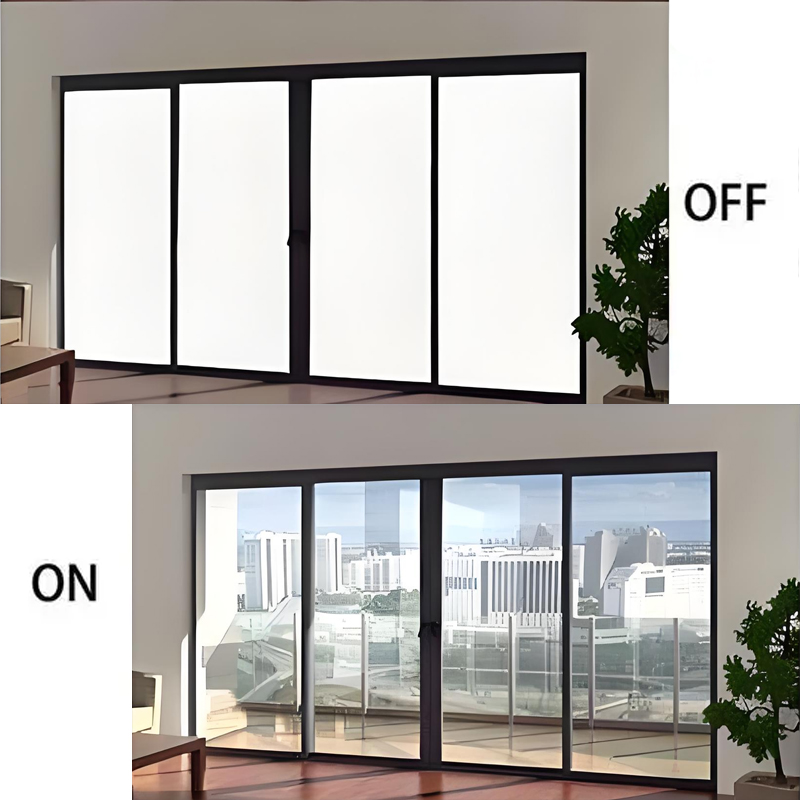
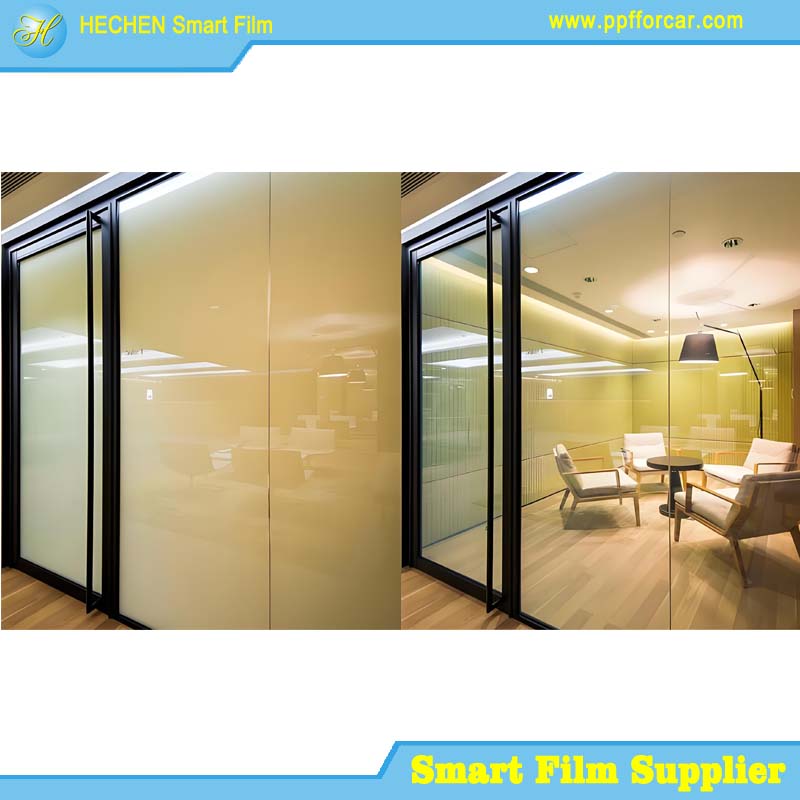
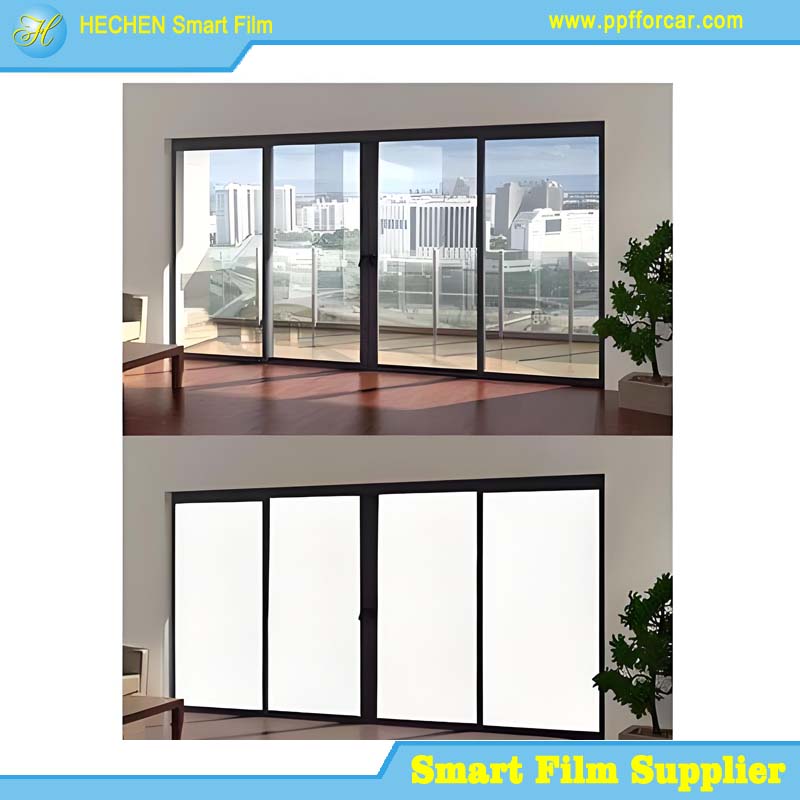
At its core, smart film blackout technology is a subset of switchable smart glass solutions that enable dynamic control over light transmission through glass surfaces. Unlike traditional tinted or frosted glass, which offers static properties, smart film can change its state in milliseconds, providing versatility unmatched by conventional materials.
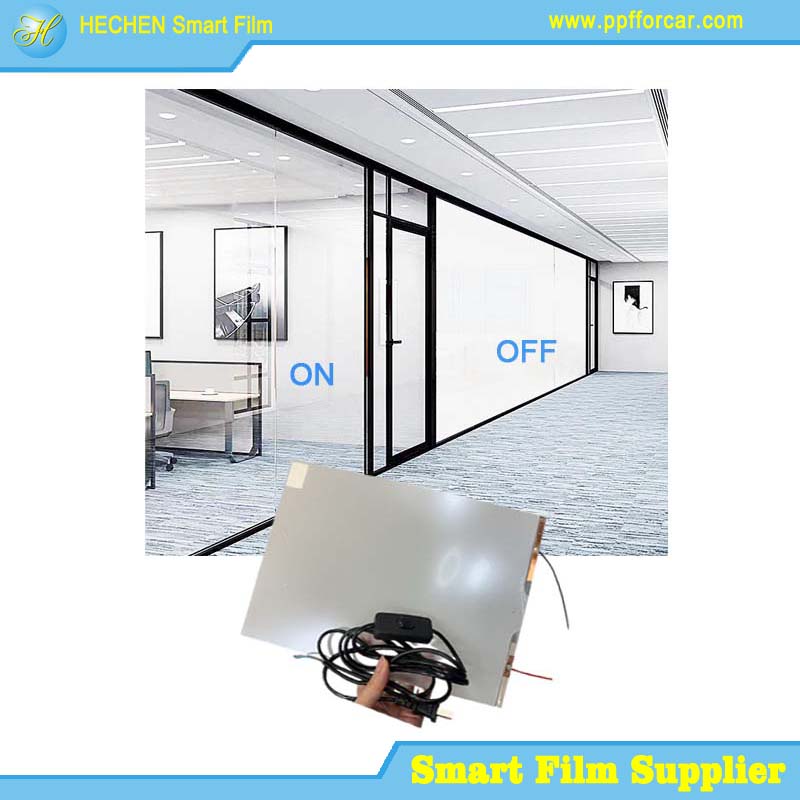
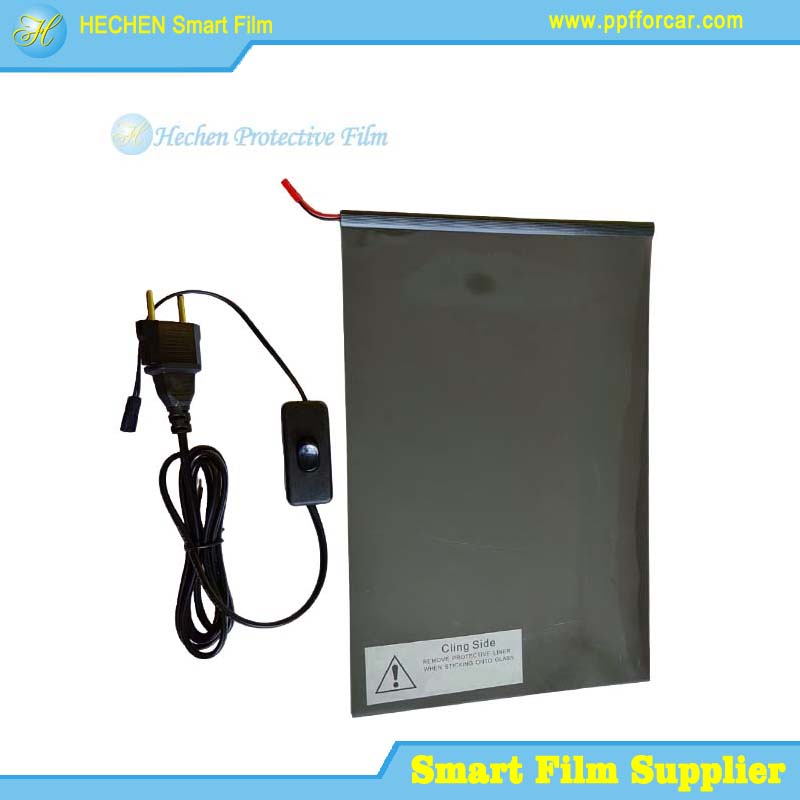
The primary mechanism behind this technology is PDLC, where liquid crystals are dispersed within a polymer matrix sandwiched between two conductive layers. When no electricity is applied, the crystals scatter light, making the film appear opaque or frosted. Applying a low-voltage current aligns the crystals, allowing light to pass through and rendering the surface transparent. Advanced variants, such as blackout smart glass, incorporate additional layers for enhanced opacity, achieving a complete "black-out" effect that blocks nearly 100% of visible light. This can include solar-tinted options that reduce UV rays and heat gain, or even colored films for aesthetic purposes.
Smart film is typically available in two forms: adhesive film that can be retrofitted onto existing glass, and laminated smart glass where the film is integrated during manufacturing. The former is cost-effective for upgrades, while the latter offers durability for new installations. Power requirements are minimal—often less than 5 watts per square meter—making it energy-efficient compared to mechanical blinds or curtains.
This technology's roots trace back to the 1980s with early electrochromic developments, but recent advancements in nanomaterials and IoT integration have made it practical for large-scale applications. In cinemas, where precise light control is essential, smart film blackout addresses issues like ambient light leakage from lobbies or external sources, which can wash out projections and diminish contrast ratios. By providing on-demand darkness, it ensures that every frame is viewed as the director intended, free from glare or distractions.
Historical Context of Blackout in Cinemas
The pursuit of darkness in cinemas dates back to the early 20th century, when movie houses first emerged as dedicated venues for film projection. In the silent era, theaters relied on heavy velvet curtains and manual blackouts to shield audiences from daylight, ensuring the silver screen's glow was the sole focus. As cinemas grew in size and sophistication during the Golden Age of Hollywood, motorized curtains and architectural designs with minimal windows became standard to combat light pollution.
However, these traditional methods had limitations. Curtains accumulate dust, require regular maintenance, and can fail mechanically, leading to disruptions. In urban settings, external light from streetlamps or adjacent buildings often seeped through, compromising the experience. The advent of multiplexes in the 1970s exacerbated this, as shared walls and lobbies introduced internal light bleed between auditoriums.
By the digital age, with laser projectors and high-dynamic-range (HDR) content, the need for absolute blackout intensified. Poor light control can reduce perceived brightness and color accuracy, undermining investments in premium screening technologies like Dolby Vision or IMAX. Enter smart film blackout as a modern solution, evolving from privacy applications in offices and homes to entertainment venues. Early adopters in the leisure sector experimented with switchable glass for projection screens and partitions, paving the way for cinema-specific uses.
 Applications in Cinemas
Smart film blackout technology finds diverse applications in cinemas, addressing both functional and experiential needs. One primary use is for window treatments in auditoriums or lobbies. In venues with exterior-facing glass—common in modern architectural designs—smart film can instantly blackout to prevent daylight intrusion during daytime screenings. This eliminates the need for bulky shades, maintaining a sleek aesthetic while ensuring optimal darkness.
Beyond windows, the technology excels in partitions between auditoriums or VIP sections. Acoustic switchable glass, which combines light control with soundproofing, reduces noise bleed from adjacent screens, enhancing immersion. For instance, in multiplexes, walls or doors fitted with smart film can opaque during films to block visual and auditory distractions, then transparent for cleaning or events.
A particularly innovative application is in projection systems. Rear-projection switchable film turns glass surfaces into high-definition screens when opaque, allowing for dynamic displays in lobbies or as part of the main auditorium setup. In theatres, this has been used for set backdrops, as seen in opera productions where screens switch states to reveal scenes or project imagery seamlessly. Extending this to cinemas, smart film could enable interactive pre-show content or even augmented reality overlays, blending physical and digital elements.
In home cinemas—a growing segment influenced by commercial trends—smart film provides on-demand blackout for dedicated rooms, blocking light from windows to create theater-like conditions without permanent alterations. For commercial cinemas, this extends to luxury lounges or private screening rooms, where privacy is paramount.
Additionally, smart film integrates with cinema management systems for automated control. Sensors detect audience presence or light levels, triggering blackout modes to optimize energy use and viewer comfort. In event spaces within cinemas, such as for corporate functions or live broadcasts, the versatility allows quick reconfiguration from open to private setups.
Benefits and Advantages
Energy efficiency is another key advantage. Smart film reduces solar heat gain by up to 40%, lowering cooling costs in summer and allowing natural light in off-hours to cut artificial lighting needs. Unlike motorized curtains, it requires no moving parts, minimizing maintenance and downtime.
Soundproofing properties add value, as laminated smart glass insulates against noise, improving acoustics in multiplexes. Privacy features protect against prying eyes, ideal for premium screenings, while UV blocking safeguards interiors from fading.
From an operational standpoint, the technology's durability—resistant to dust and easy to clean—outperforms fabric alternatives. Integration with IoT enables remote management, streamlining operations for chain cinemas.
Case Studies and Examples
Real-world implementations highlight smart film blackout's potential. In home cinemas, users report superior light control with PDLC film, though some note challenges in complete blackout for projections, favoring it over shades for its seamless integration.
In professional theatres, Opera North's "La Clemenza di Tito" utilized a 6m x 3m switchable screen for dynamic scene transitions, demonstrating how the technology streamlines productions and captivates audiences. Museums like the TATE have employed switchable film in exhibits for timed reveals, a concept adaptable to cinema pre-shows.
While direct commercial cinema case studies are emerging, leisure venues like casinos use smart glass for interactive elements, suggesting applications in cinema lobbies for advertising or events. Hypothetically, a multiplex could retrofit windows with blackout film, as explored in high-rise buildings for similar light management.
Challenges and Limitations
Despite its promise, smart film blackout faces hurdles. Initial costs—$25-100 per square foot—can deter budget-conscious cinemas, though long-term savings offset this. Installation requires expertise, especially for retrofits, and power dependency means backups are needed for outages.
Not all films achieve perfect blackout; some retain slight translucency, necessitating testing for cinema use. Exterior applications risk weather damage, limiting to indoor settings.
Future Prospects
Looking ahead, smart film blackout will integrate with AI-driven cinema systems, automating based on showtimes or occupancy. Combined with VR/AR, it could enable hybrid experiences where screens switch for immersive sessions.
 Conclusion
Smart film blackout technology epitomizes "black tech" in cinemas, offering transformative solutions for light control and beyond. As it evolves, it promises to keep the magic of movies alive in an ever-changing world.
For more about the cinema black technology: smart film blackout for cinemas, you can pay a visit to Hechen PDLC Smart Film Manufacturers for more info.