Does the Privacy Control Smart Window Film Kit Need a Separate Power, and Standby Power Consumption
Introduction to the Privacy Control Smart Window Film Kit
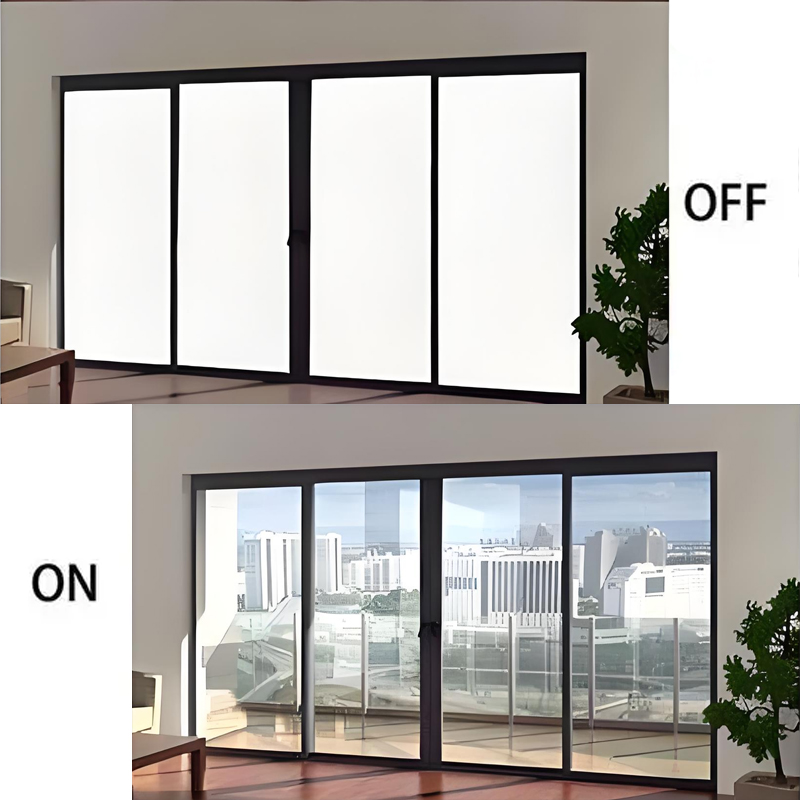
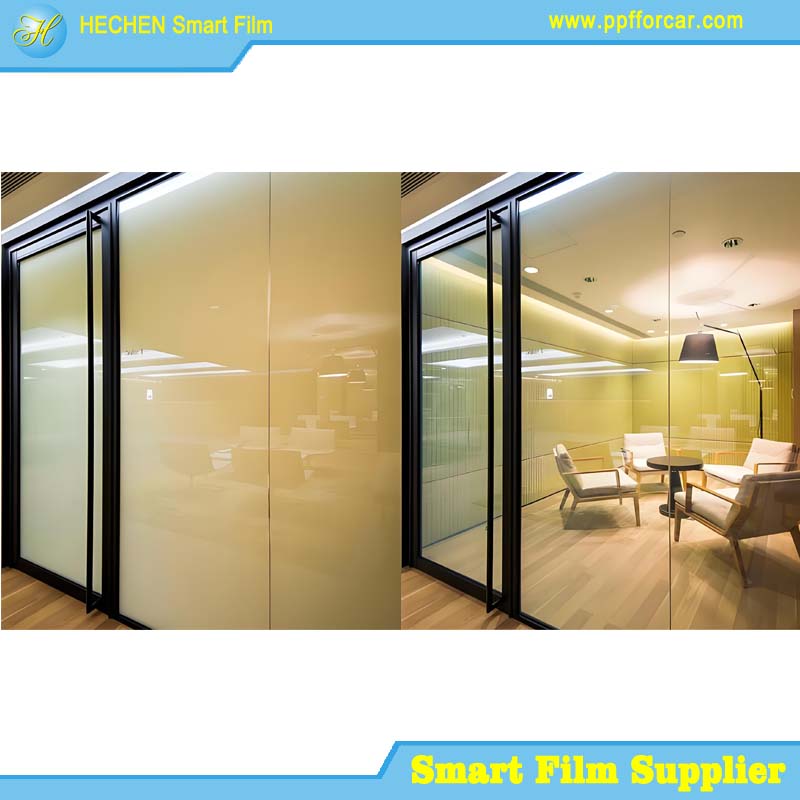
In an era where privacy, energy efficiency, and smart home integration are paramount, the Privacy Control Smart Window Film Kit emerges as a revolutionary solution for modern living spaces. This innovative product, often based on Polymer Dispersed Liquid Crystal (PDLC) technology, allows users to switch windows from transparent to opaque with the flick of a switch, remote, or app. But amid its appeal, key questions arise for potential buyers: Does this kit require a separate power supply? And what is its power consumption in standby mode? These inquiries are crucial, as they impact installation complexity, operational costs, and overall feasibility in residential or commercial settings.
The Privacy Control Smart Window Film Kit is typically a self-adhesive or laminated film applied to existing glass surfaces, transforming ordinary windows into dynamic privacy shields. Marketed under various brands like Smart Film or Electric Tint, these kits are designed for ease of use, offering instant privacy without the need for curtains or blinds. In the Philippines and globally, such products have gained traction due to rising urbanization and the demand for sustainable building materials. According to industry reports, the global smart glass market, including PDLC films, is expected to reach $15 billion by 2030, driven by applications in homes, offices, healthcare, and automotive sectors.
This article delves deeply into the technical aspects of the Privacy Control Smart Window Film Kit, answering the titular questions while exploring the underlying technology, installation processes, benefits, potential drawbacks, and comparisons with similar products. By examining reliable sources and product specifications, we aim to provide a comprehensive guide for consumers, architects, and installers. Whether you're retrofitting a home office or outfitting a corporate boardroom, understanding the power requirements is essential for seamless integration.
Understanding PDLC Technology: The Core of Smart Window Films
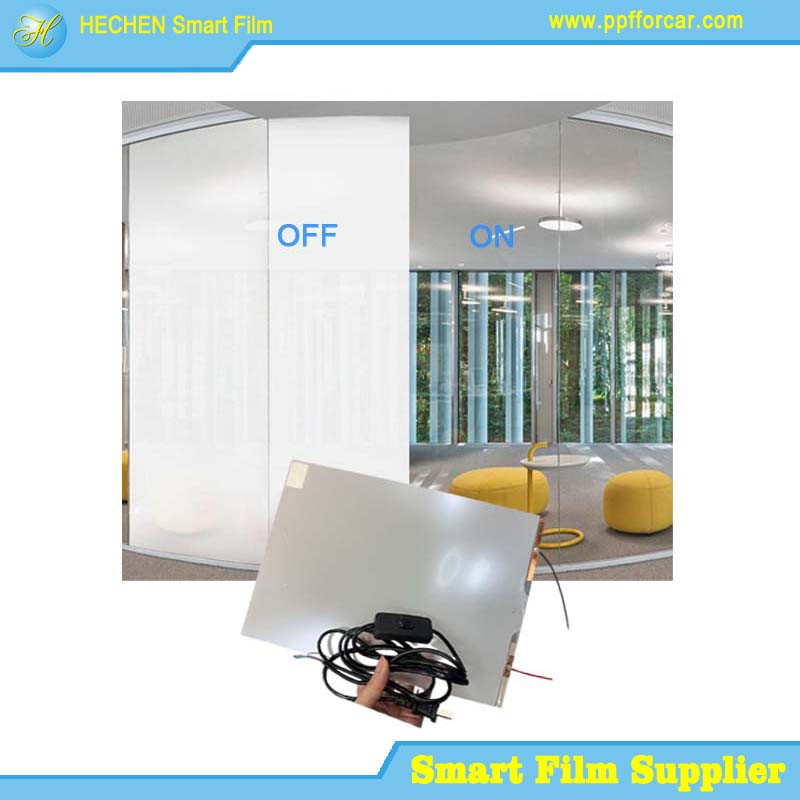
To address the power-related questions, it's vital to grasp how PDLC technology works. PDLC films consist of liquid crystals dispersed within a polymer matrix, sandwiched between two conductive layers. In its default state—without electricity—the crystals are randomly oriented, scattering light and creating an opaque, frosted appearance that ensures privacy. When an electric current is applied, the crystals align parallel to the field, allowing light to pass through and rendering the film transparent.
This switchable mechanism is what makes the Privacy Control Smart Window Film Kit so versatile. Unlike traditional window treatments, it offers on-demand control, blocking up to 99% of UV rays and reducing solar heat gain by 40-50%. However, this functionality inherently requires electrical input, leading us to the first question: does the kit require a separate power supply?
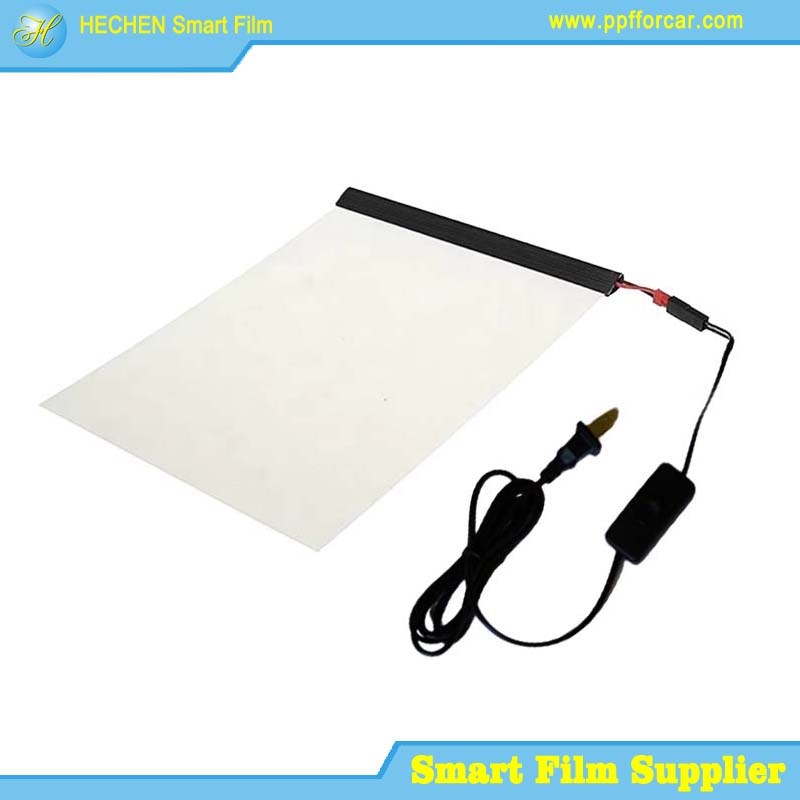
From product descriptions across various manufacturers, the answer is yes—the film needs a dedicated power source to operate. Standard household outlets provide 110-220V AC, but PDLC films typically run on low-voltage AC (around 48-60V) to ensure safety and efficiency. This necessitates a transformer or power adapter to step down the voltage, preventing overheating or electrical hazards. In most kits, this power supply is included, but it's "separate" in the sense that it's an external component connected via wiring to the film.
For instance, kits from brands like Smart Tint or VR Smart Glass often bundle a transformer rated between 5W and 300W, depending on the film's size. A small 12x12-inch kit might come with a 5W test power supply capable of handling up to 10 square feet, while larger installations require higher-wattage units. Without this separate power supply, the film remains perpetually opaque, defeating its smart purpose. Installation guidelines emphasize connecting the power supply to a stable outlet, often recommending professional electricians for compliance with local codes.
Power Supply Requirements: Inclusion and Installation Details
Diving deeper, the Privacy Control Smart Window Film Kit generally includes all necessary components for basic setup, minimizing the need to purchase additional items. Typical inclusions are the PDLC film itself, a low-voltage transformer, remote control or switch, wiring (red and black cables for positive/negative connections), a squeegee for application, and sometimes a practice sample sheet. For example, a 5-in-1 kit box might feature a 50W transformer, ensuring compatibility with films up to certain square footage.
However, "separate" power supply refers to the fact that the transformer is not integrated into the film; it's a standalone unit that must be wired and mounted discreetly, often near the window or in a control panel. Voltage conversion is key: input is standard 110-240V AC, output is 48-60V AC at 50-60Hz. This low-voltage operation enhances safety, as it reduces shock risks, but it still requires careful wiring to the film's busbars (conductive edges).
Installation involves applying the film to clean glass, connecting electrodes to the power supply, and testing the switch. For larger areas, multiple panels may need parallel wiring, and power consumption scales accordingly. If the kit's included transformer is insufficient for expansive installations (e.g., over 100 square feet), a separate, higher-capacity unit might be required. In automotive applications, like window tinting, a 12V DC to 60V AC inverter could be used, but for home kits, AC transformers are standard.
Potential challenges include ensuring waterproof connections in humid environments and integrating with smart home systems like Alexa or HomeKit, which may require additional controllers. Overall, while the kit provides the essentials, the power supply's separate nature adds a layer of setup complexity.
Power Consumption in Standby Mode: Efficiency and Operational Costs
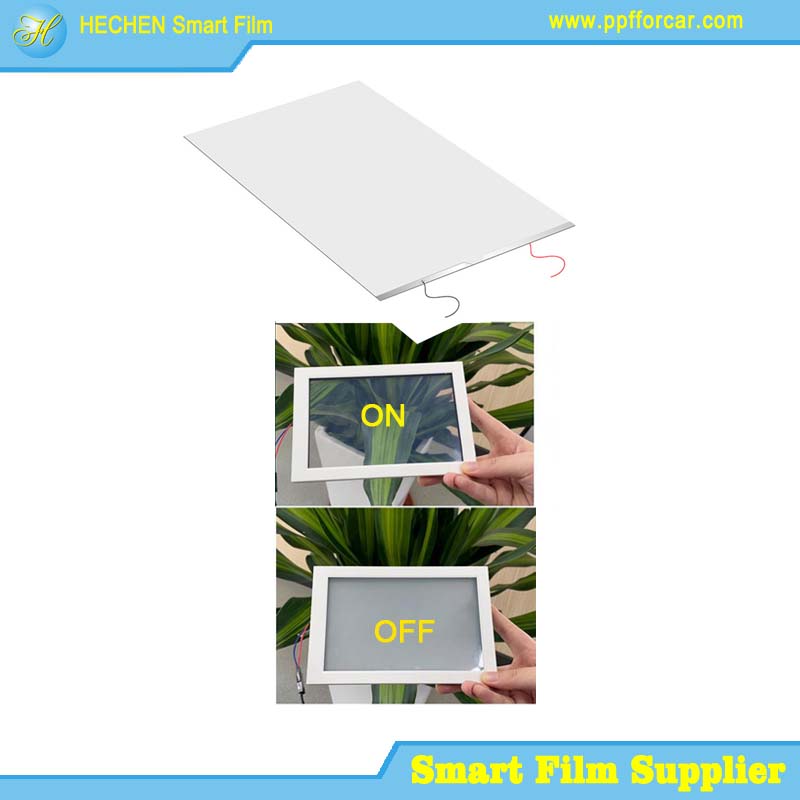
Now, to the second part of the query: what is the power consumption of the Privacy Control Smart Window Film Kit in standby mode? Standby mode typically refers to the film's default or inactive state, which for PDLC technology is the opaque (frosted) mode when no power is applied. In this state, power consumption is effectively zero watts, as no electricity is needed to maintain opacity. The liquid crystals remain scattered without an electric field, making it an energy-efficient "rest" mode.
When switched to transparent mode (powered on), consumption ranges from 0.3 to 0.39 watts per square foot, or approximately 3-4 watts per square meter. This low draw is one of the kit's selling points, comparable to a small LED bulb. For a standard 12x12-inch panel (1 square foot), that's under 0.4W when active. Larger kits scale linearly; a 10-square-foot installation might use 3-4W in transparent mode.
Importantly, power is consumed continuously while in transparent mode, not just during switching. Switching itself is instantaneous (under 0.1 seconds) and uses negligible extra energy. In standby (opaque), the zero consumption translates to no ongoing costs, ideal for privacy-focused uses where transparency is occasional. Annual energy costs for frequent use are minimal—estimated at less than $5 per year for a typical room, based on average electricity rates.
Factors influencing consumption include film quality, voltage stability, and environmental conditions. High-end kits with efficient transformers minimize losses, while integration with timers or sensors can optimize usage, further reducing bills.
Benefits and Applications of the Privacy Control Smart Window Film Kit
Beyond power aspects, the kit's appeal lies in its multifaceted benefits. Privacy on demand is paramount, especially in dense urban areas where close neighbors pose visibility issues. The film's ability to block views while allowing light diffusion creates bright, private spaces without darkness.
Energy savings are significant: by reducing heat gain, it lowers air conditioning needs by 15-30%, complementing the low power draw. UV protection preserves interiors from fading, and shatter resistance adds security. Applications span residential bathrooms, office partitions, hospital rooms, and retail displays, where dynamic control enhances functionality.
In smart homes, app integration via Wi-Fi controllers allows voice commands or scheduling, aligning with IoT trends. Durability is impressive, with lifespans over 10 years and 100,000+ switch cycles, even in tropical climates.
Potential Drawbacks and Considerations
Despite advantages, drawbacks exist. Initial costs range from $50-200 per square foot, including the kit, though ROI comes via energy savings. Installation requires precision to avoid bubbles or misalignment, and power wiring must comply with safety standards—potentially needing electricians.
In humid or extreme temperature settings, condensation could affect performance, though quality films are resistant. Maintenance is low, but dust accumulation on the surface needs regular cleaning.
Comparisons with Alternative Smart Window Solutions
Compared to electrochromic glass (which tints gradually and consumes power in both states), PDLC kits are faster and more energy-efficient in standby. Suspended Particle Device (SPD) films offer variable tinting but higher costs. The Privacy Control kit stands out for its affordability and retrofit ease, unlike full smart glass panels requiring replacement.
Brands like Gauzy or L.A. Window Films offer similar products with varying power specs, but the kit's inclusion of essentials makes it user-friendly for DIY enthusiasts.
Conclusion: Making an Informed Decision
In summary, the Privacy Control Smart Window Film Kit does require a separate power supply—typically a transformer included in the kit—to convert household voltage for safe operation. Its power consumption in standby mode (opaque state) is zero watts, ensuring cost-effectiveness, while active mode uses minimal energy at 0.3-0.39W per square foot. These features make it an excellent choice for privacy and efficiency.
For optimal use, consult product manuals and professionals. As smart technologies evolve, such kits represent a step toward sustainable, adaptable living. Whether for home or business, understanding these power dynamics empowers better choices.
For more about does the privacy control smart window film kit need a separate power, and standby power consumption, you can pay a visit to Hechen PDLC Smart Film Manufacturers for more info.