Dual-Shield Performance of PDLC Dimming Films: Mastering UV or IR Blocking for Interior Protection
The Multifunctional Marvel of Smart Glass Technology
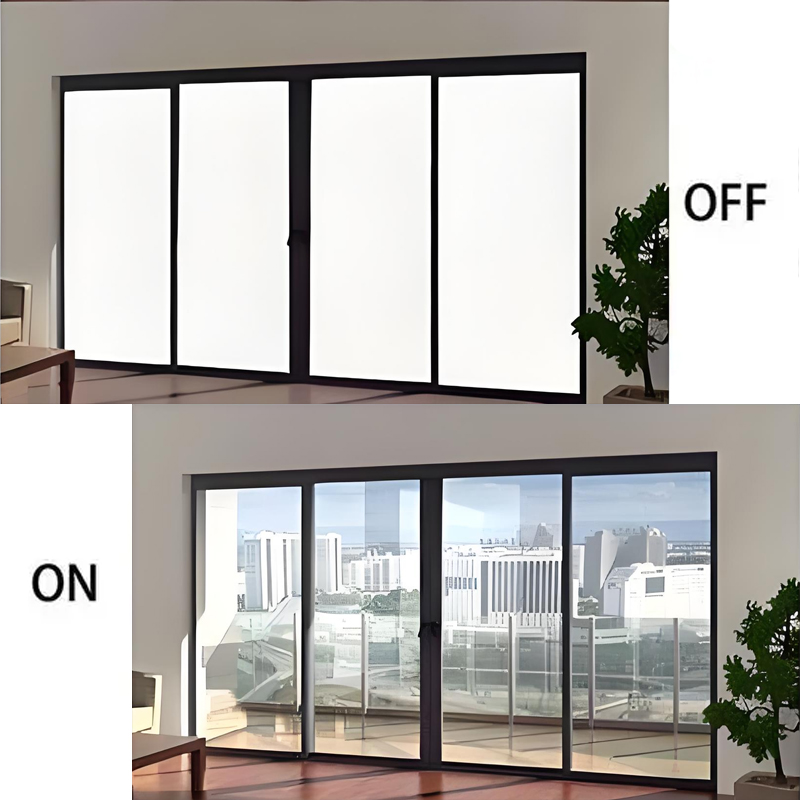
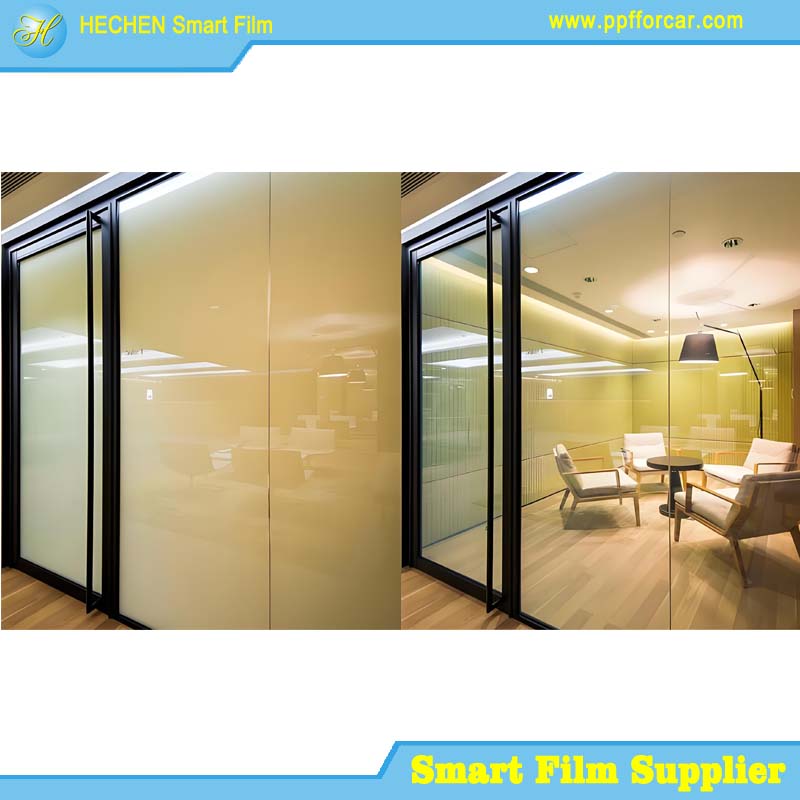
In an era where building efficiency, occupant comfort, and asset preservation converge as critical priorities, Polymer Dispersed Liquid Crystal (PDLC) dimming films have emerged as a sophisticated solution that extends far beyond their signature privacy function. While their transformative ability to switch between transparent and opaque states captures immediate attention, their less visible but equally valuable capabilities in spectral management represent a technological advancement of significant practical importance. These dynamic films act as intelligent optical filters, selectively blocking specific wavelengths of light to address two persistent challenges in architectural design: solar heat gain that strains cooling systems and ultraviolet radiation that gradually degaces interior furnishings.
The global smart glass market, projected to reach $13.8 billion by 2030 according to Grand View Research, increasingly recognizes that modern glazing solutions must deliver multifunctional performance. PDLC technology stands out in this landscape not merely for its dynamic opacity control but for its integrated approach to spectral filtering. This article examines the precise ultraviolet and infrared blocking capabilities of PDLC dimming films, unravels the materials science behind these properties, and provides a comprehensive guide to leveraging these films for effective heat insulation and furniture preservation—all through a single, elegantly integrated system that represents the convergence of optical engineering, materials science, and sustainable building design.
Part 1: The Spectral Blocking Performance of PDLC Dimming Films
1.1 Understanding the Electromagnetic Spectrum at Play
To appreciate PDLC film performance, we must first examine the three spectral regions critical to interior environments:
Ultraviolet Radiation (280-400 nm): The invisible aggressor responsible for approximately 40-60% of material fading and degradation. UV photons carry sufficient energy to break molecular bonds in dyes, polymers, and organic materials through photochemical reactions.
Visible Light (400-700 nm): The spectrum human vision detects, essential for illumination but contributing 30-50% of fading damage through photon absorption by colored materials. PDLC films must maintain high transmission in this region when in clear state.
Near-Infrared Radiation (700-2500 nm): The primary carrier of solar thermal energy, responsible for approximately 53% of total solar heat gain through windows. Blocking NIR represents the most effective strategy for reducing cooling loads.
PDLC films employ sophisticated materials engineering to address each spectral region according to application requirements, with particular focus on minimizing UV and NIR transmission while optimizing visible light management.
1.2 Ultraviolet Blocking: The Invisible Shield
Standard PDLC Film Performance:
Baseline PDLC constructions typically block 85-95% of ultraviolet radiation across the 280-400 nm spectrum. This performance stems from multiple integrated components:
PET Substrates: The polyethylene terephthalate layers that sandwich the active PDLC component inherently absorb UV-B and portions of UV-A due to their molecular structure, providing 50-70% UV blocking before enhancements.
Liquid Crystal/Polymer Matrix: The proprietary mixture of liquid crystals and polymer in the active layer provides additional UV absorption, particularly in the 300-380 nm range.
ITO Electrodes: The transparent conductive indium tin oxide layers offer minor UV attenuation due to their semiconductor properties.
Enhanced UV-Blocking Formulations:
Premium PDLC films incorporate specialized additives and coatings that elevate UV protection to 98-99.9%, achieving near-total ultraviolet rejection. These enhancements include:
UV-Absorbing Nanoparticles: Zinc oxide or cerium oxide nanoparticles (10-50 nm diameter) dispersed within the polymer matrix that efficiently absorb UV photons through their wide bandgap semiconductor properties.
Molecular UV Absorbers: Benzophenone or benzotriazole derivatives chemically bonded to polymer chains that dissipate UV energy as harmless heat through reversible molecular rearrangements.
Interfacial UV-Blocking Layers: Discrete adhesive or coating layers containing high concentrations of stabilized UV absorbers positioned at strategic interfaces.
Spectral Selectivity:
Advanced PDLC films demonstrate wavelength-specific blocking efficiency:
UV-B (280-315 nm): 99-99.9% blocking
UV-A (315-400 nm): 95-99% blocking
Critical 380-400 nm transition zone: 85-95% blocking (balancing UV protection with visible light transmission)
This spectral discrimination is crucial because while complete UV blocking is desirable for preservation, abrupt spectral cutoffs can create artificial color perception. The most sophisticated films maintain a gradual transition from blocking to transmission around 400 nm to preserve natural color rendering.
1.3 Infrared Blocking: The Thermal Regulator
NIR Rejection Mechanisms:
PDLC films employ multiple physical principles to attenuate infrared radiation:
Reflective Rejection: Metallic components in transparent conductive electrodes (primarily the thin silver layers in advanced conductive stacks) reflect infrared radiation through surface plasmon resonance and free-electron reflection.
Absorptive Attenuation: Organic dyes or inorganic nanoparticles selectively absorb specific NIR wavelengths, converting the energy to negligible heat that dissipates laterally through the film.
Interference Filtering: In multilayer PDLC constructions with precisely controlled thicknesses, optical interference effects selectively reflect infrared wavelengths while transmitting visible light.
Performance Spectrum:
Standard PDLC films provide 30-50% NIR rejection across the 700-2500 nm spectrum. This baseline performance already surpasses clear float glass (which transmits ~85% of NIR) but represents only the starting point for thermal management applications.
Thermally Enhanced PDLC Films:
Specialized heat-blocking PDLC formulations achieve 60-85% NIR rejection through several technological approaches:
Low-Emission Additives: Silver, gold, or aluminum nanoparticles (typically 5-20 nm) dispersed in specific layers create surface plasmon resonance effects that strongly reflect infrared while maintaining visible transparency through controlled particle size and distribution.
Spectrally Selective Dyes: Phthalocyanine or naphthalocyanine derivatives with absorption peaks tuned to the solar infrared spectrum (particularly the 800-1300 nm atmospheric window where solar irradiance peaks).
Multilayer Optical Stacks: Alternating high- and low-refractive-index layers with quarter-wave optical thicknesses designed to create a photonic bandgap in the infrared region.
Transparent Conductive Oxide (TCO) Optimization: Advanced TCO materials like aluminum-doped zinc oxide (AZO) or fluorine-doped tin oxide (FTO) engineered for higher free-electron concentrations that increase infrared reflectance without compromising visible transmission.
Solar Heat Gain Coefficient (SHGC) Correlation:
The NIR blocking performance directly determines the film's Solar Heat Gain Coefficient—the fraction of incident solar radiation admitted through the window as heat. While clear glass typically has SHGC values of 0.70-0.85, PDLC films can achieve:
Standard PDLC: SHGC 0.50-0.65
Thermally enhanced PDLC: SHGC 0.30-0.45
Premium solar control PDLC: SHGC 0.20-0.35
These reductions translate directly to decreased cooling loads, with modeling showing 15-35% reductions in peak cooling demand for commercial buildings in temperate climates.
1.4 The Dynamic Dimension: Voltage-Dependent Spectral Tuning
A unique advantage of PDLC technology is its dynamic spectral response. While UV blocking remains largely voltage-independent (primarily determined by static components), IR transmission exhibits voltage-dependent behavior:
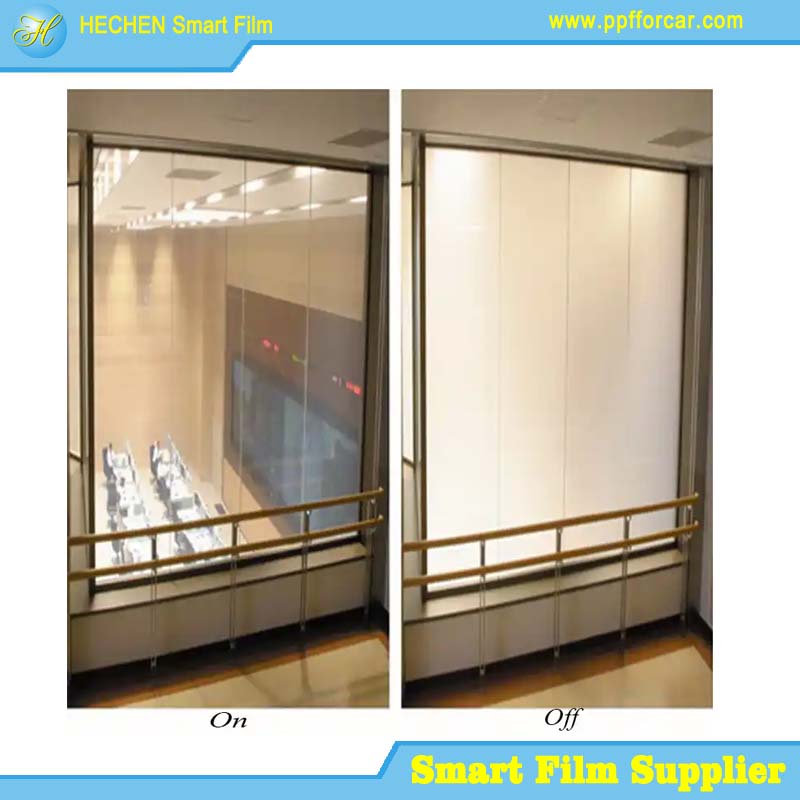
Transparent State (Voltage Applied): Liquid crystals align, minimizing light scattering. In this state, NIR blocking relies primarily on the film's inherent absorptive and reflective components. Premium films maintain 60-80% of their IR blocking capability in transparent state.
Opaque State (No Voltage): Randomly oriented liquid crystals scatter light. This scattering affects all wavelengths but shows wavelength dependence due to Mie scattering principles (scattering efficiency proportional to 1/λ⁴). Thus, shorter wavelengths (visible and NIR) scatter more efficiently than longer wavelengths (far infrared), creating a modest additional IR blocking effect of 5-15% beyond the film's baseline performance.
This dynamic behavior allows PDLC films to provide variable solar control, potentially optimizing between daylight harvesting (high visible transmission with moderate IR blocking) and solar rejection (reduced visible transmission with maximum IR blocking) according to time of day, season, or occupant preference.
Part 2: Achieving Effective Heat Insulation with PDLC Technology
2.1 The Physics of Thermal Management Through Windows
Heat transfer through windows occurs via three mechanisms that PDLC films address differently:
Solar Radiation Transmission (40-60% of heat gain): Addressed through NIR reflection/absorption as previously detailed.
Conductive/Convective Transfer (25-40% of heat gain): Addressed through the film's contribution to creating insulating air spaces and reducing surface temperatures.
Re-radiation of Absorbed Heat (15-25% of heat gain): Addressed through low-emissivity properties that reduce infrared emission from warm interior surfaces.
2.2 Integrated Thermal Performance Enhancement
Beyond spectral filtering, PDLC installations enhance thermal performance through several integrated approaches:
Insulating Glass Unit (IGU) Integration:
When installed as part of a sealed double- or triple-glazing system, PDLC films contribute to:
Reduced Glass Surface Temperatures: By rejecting solar radiation before it reaches the interior pane, PDLC films lower inner glass surface temperatures by 5-15°C, decreasing radiative heat transfer to interior spaces.
Convective Suppression: In multiple-cavity IGUs, the film can be positioned to create additional still air layers, reducing convective loops.
Edge Seal Protection: Some PDLC installations incorporate thermally broken edge seals that reduce conduction through the critical perimeter zone where traditional IGUs experience significant thermal bridging.
Low-Emissivity Synergy:
When combined with conventional low-E coatings (typically applied to glass surface #2 or #3 in IGU constructions), PDLC films create complementary effects:
Spectrally Selective Layering: The PDLC film primarily addresses solar infrared (700-2500 nm), while low-E coatings address long-wave infrared (3000+ nm) re-radiated from interior surfaces.
Angular Performance Optimization: Low-E coatings maintain performance at oblique angles better than many NIR-blocking films, creating complementary angular response profiles.
Seasonal Adaptability: In some advanced systems, the dynamic opacity of PDLC films allows seasonal optimization—maximizing solar gain in winter (transparent state) while rejecting it in summer (opaque or intermediate states).
2.3 Quantifying Energy Performance
Field studies and simulation data reveal the tangible energy impacts of PDLC thermal management:
Cooling Load Reduction:
Moderate climates: 20-35% reduction in cooling energy consumption
Hot climates: 25-40% reduction in cooling energy consumption
Peak demand reduction: 15-30% reduction in maximum cooling equipment sizing requirements
Comfort Enhancement:
Reduced mean radiant temperature: 2-5°C decrease in operative temperature
Mitigated thermal stratification: More uniform vertical temperature profiles
Reduced radiant asymmetry: Minimized discomfort from warm window surfaces
Whole-Building Impacts:
Downsized HVAC equipment: Potential for 10-20% smaller cooling systems
Extended equipment life: Reduced thermal cycling and operating hours
Demand charge management: Smoother electricity consumption profiles
2.4 Installation Considerations for Optimal Thermal Performance
Orientation-Specific Optimization:
South-facing windows: Prioritize maximum NIR rejection (SHGC 0.20-0.35)
East/West-facing windows: Balance NIR rejection with glare control, potentially using the PDLC opacity function adaptively
North-facing windows: Emphasize visible transmission with moderate UV/NIR protection
Climate-Adaptive Specifications:
Hot climates: Prioritize low SHGC (<0.30) and consider external installations or sun-shading integration
Temperate climates: Select moderate SHGC (0.35-0.50) with dynamic control capability
Cold climates: Consider switchable SHGC—higher in winter (0.50-0.60) when transparent, lower in summer when opaque
Complementary Technologies:
External shading integration: Automated blinds or louvers coordinated with PDLC state
Building automation system (BAS) integration: Weather-responsive control algorithms
Photovoltaic synchronization: Coordinated operation with building-integrated PV systems
Part 3: Furniture and Material Fading Prevention
3.1 The Science of Photodegradation
Understanding fading mechanisms clarifies how PDLC dimming films provide protection:
UV-Induced Damage Pathways:
Photolytic Scission: Direct bond breakage from high-energy UV photons
Photo-oxidation: Radical formation and reaction with atmospheric oxygen
Sensitized Degradation: Energy transfer from UV-excited impurities to sensitive materials
Visible Light Contributions:
While less energetic than UV, visible photons still drive fading through:
Direct absorption by colored molecules (particularly blues and violets)
Thermal effects from absorbed radiation
Catalytic reactions initiated at material surfaces
Environmental Amplifiers:
Heat: Accelerates all photochemical reactions (typically doubling reaction rates per 10°C increase)
Humidity: Facilitates hydrolysis and mold growth on organic materials
Pollutants: Ozone, nitrogen oxides, and sulfur compounds create synergistic degradation
3.2 PDLC Film Protection Mechanisms
Ultraviolet Elimination:
With 95-99.9% UV blocking, PDLC films address the primary fading mechanism. This performance level meets or exceeds museum conservation standards for most materials:
Textiles and dyes: 95%+ UV blocking sufficient for most applications
Paper and artwork: 98%+ recommended for valuable items
Wood finishes: 95%+ adequate with proper surface maintenance
Photographs: 99%+ required for archival preservation
Visible Light Management:
The dynamic opacity function provides unprecedented control over visible light exposure:
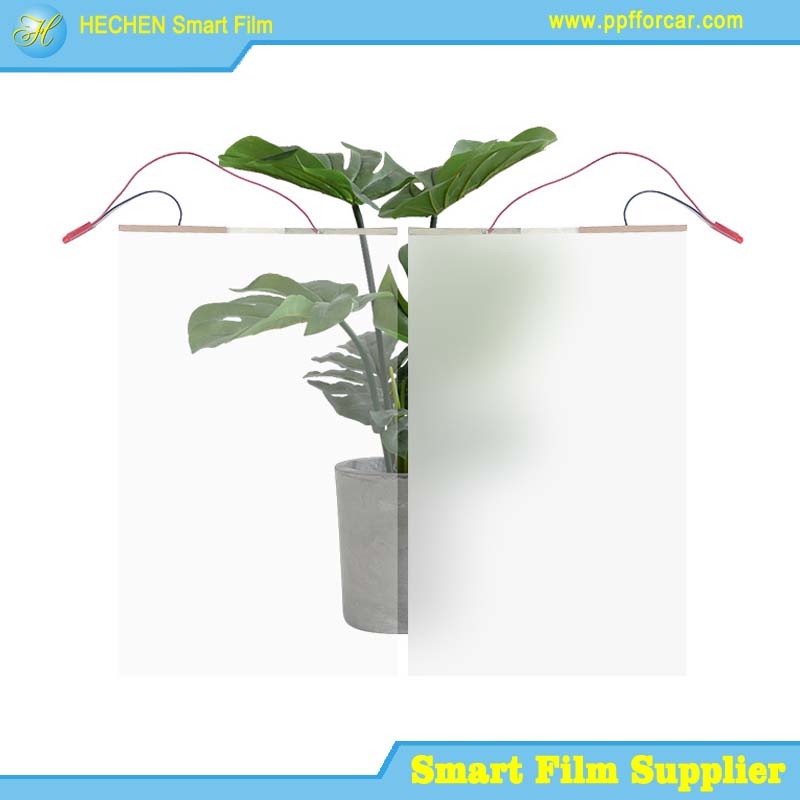
Intensity Control: Switching to opaque state reduces visible light transmission by 90-99%, effectively creating "blackout" conditions when spaces are unoccupied
Cumulative Exposure Management: Automated systems can limit daily light dosages for sensitive materials
Spectral Modification: Some advanced PDLC films incorporate subtle blue-light reduction to protect against the most damaging visible wavelengths
Thermal Regulation:
By reducing solar heat gain, PDLC films indirectly protect materials by:
Lowering surface temperatures of furnishings by 3-8°C
Reducing thermal cycling stress on materials
Creating less favorable conditions for heat-accelerated degradation
3.3 Application-Specific Protection Strategies
Residential Applications:
Living areas: 95% UV blocking with adaptive opacity for viewing vs. protection
Art display areas: 99% UV blocking with programmable "protection periods"
Furniture conservation: Integrated light sensors triggering opaque state during peak UV hours
Commercial and Hospitality:
Hotel furnishings: 98% UV blocking with occupancy-based control
Restaurant settings: 95% UV blocking with manual override for ambiance
Retail displays: 99% UV blocking with synchronized lighting controls
Cultural Institutions:
Museum galleries: 99.9% UV blocking with programmable opacity matching viewing hours
Archive areas: Permanent opaque setting with 99.9% UV blocking
Display cases: PDLC film integration with environmental monitoring
3.4 Quantifying Preservation Benefits
Material Lifetime Extension:
Accelerated fading tests (ASTM D4303, ISO 105-B02) demonstrate:
Textiles: 3-5× longer colorfastness with 95% UV blocking + light control
Wood finishes: 2-4× longer before refinishing needed
Paper products: 4-8× longer before noticeable yellowing
Photographs: 5-10× longer permanence ratings
Economic Value Preservation:
For commercial interiors with $100-300 per square foot in furnishings and finishes, comprehensive fading prevention can provide:
10-year replacement deferral for most soft furnishings
15-20-year extension for wood and leather finishes
Indefinite preservation of irreplaceable artwork and cultural items
Insurance and Valuation Benefits:
Many insurers recognize comprehensive fading protection through:
Reduced premiums for covered contents
Enhanced valuation of protected collections
Favorable loan conditions for exhibition items
Part 4: Implementation Guidelines and Best Practices
4.1 Installation Excellence
Surface Preparation Protocols:
Contaminant removal: Two-stage cleaning with ammonia-free solutions
Surface inspection: Cross-polarized light examination for subsurface defects
Environmental control: 18-24°C, 40-60% RH during installation
Static management: Ionized air treatment before film application
Application Techniques for Optimal Performance:
Wet application method: For large panes to ensure bubble-free installation
Progressive adhesion: Center-to-edge bonding to eliminate air entrapment
Edge sealing: UV-curing sealants for perimeter protection
Electrical integration: Professional wiring with surge protection
4.2 Maintenance for Sustained Performance
Routine Care:
Cleaning: Mild detergent solutions with microfiber cloths (avoid ammonia, abrasives)
Inspection: Quarterly visual checks for edge integrity, discoloration
Electrical verification: Annual controller and connection inspections
Performance Monitoring:
UV transmission spot checks: Annual verification with handheld meters
Thermal imaging: Biannual inspection for uniformity
Response time testing: Annual verification of switching performance
Predictive Replacement Indicators:
Visual haze >5% in clear state
UV transmission increase >3% from baseline
Adhesive edge lifting >2mm
Response time increase >50% from specification
Conclusion
PDLC dimming films represent a convergence of multiple protective technologies into a single dynamically controllable interface. With UV blocking reaching 99.9% in premium formulations and NIR rejection achieving 85% in thermally optimized versions, these films provide comprehensive spectral management that addresses both energy efficiency and material preservation simultaneously.
The true innovation lies not merely in these impressive blocking rates but in their integration with dynamic control capabilities. This allows buildings to adaptively optimize between competing priorities—maximizing daylight and views when desirable while providing maximum protection when spaces are unoccupied or during peak solar conditions.
As building standards evolve toward net-zero targets and circular economy principles gain prominence, the multifunctional nature of PDLC technology positions it as a key component in sustainable building envelopes. By reducing cooling energy requirements by 20-40% while extending the service life of interior materials by 200-500%, these films contribute both to operational efficiency and resource conservation.
For architects, designers, and building owners, the decision to incorporate PDLC technology represents an investment in long-term performance across multiple dimensions. The films transform ordinary glass from a building's thermal weakness into an intelligent adaptive interface that manages solar energy, protects valuable interiors, and enhances occupant comfort—all while maintaining the aesthetic transparency that connects interior spaces with the external environment.
Looking forward, ongoing advances in nanoparticle engineering, conductive material science, and smart control algorithms promise even greater performance. Future PDLC films may offer spectrally selective switching (blocking only specific wavelength bands), self-powering capabilities through integrated photovoltaics, and predictive operation through artificial intelligence. For now, current PDLC technology already delivers unprecedented control over the solar spectrum, making it an essential consideration for any project where energy efficiency, occupant comfort, and asset preservation converge as priorities.
The windows of our buildings have evolved from mere openings to complex environmental interfaces. PDLC dimming films represent the current pinnacle of this evolution—transforming passive glazing into active systems that see, sense, and respond to both environmental conditions and human needs, all while providing invisible protection against the slow but persistent forces of sunlight that would otherwise degrade both our comfort and our possessions.
For more about the dual-shield performance of PDLC dimming films: mastering UV/IR blocking for interior protection, you can pay a visit to Hechen PDLC Smart Film Manufacturers for more info.