Electric Tint for Cars: A Game-Changer in Comfort, Safety, and Aesthetics
For decades, automotive window tinting has been a static affair. A dark film is applied, a percentage of visible light transmission (VLT) is chosen, and that’s it—the tint is permanent until you peel it off. While effective for basic privacy and sun reduction, this passive approach has limitations. Enter the era of smart glass, specifically in its most accessible automotive form: electric tint for car (or switchable film). This transformative technology, once the preserve of luxury jets and high-concept architecture, is rapidly migrating into the automotive world, promising a revolutionary leap in how we interact with our vehicle’s environment. It’s not merely an upgrade; it’s a paradigm shift in comfort, safety, and aesthetics.
The Science Behind the Switch: How Electric Tint Works
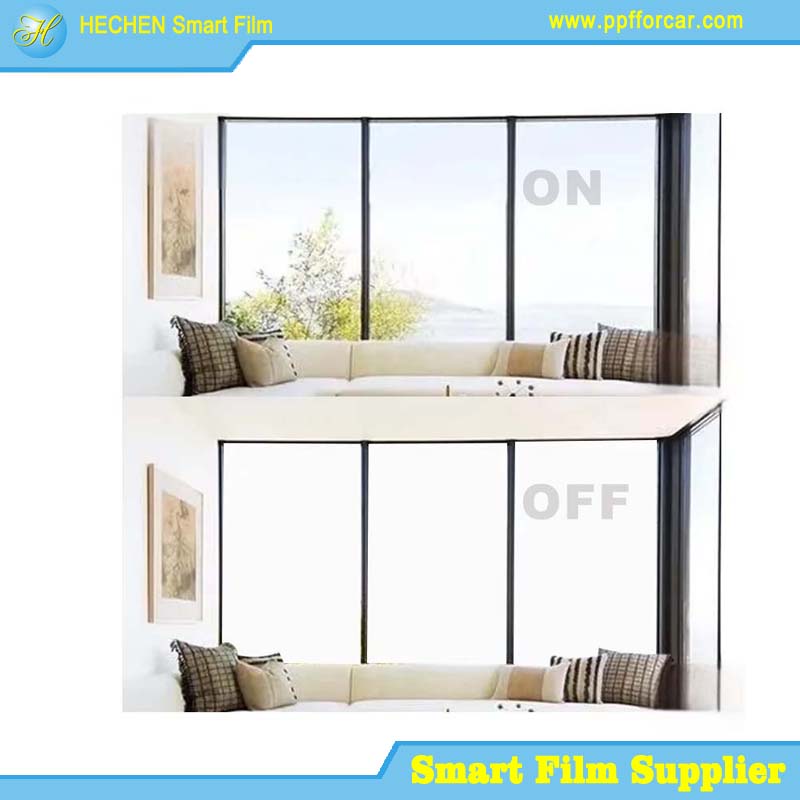
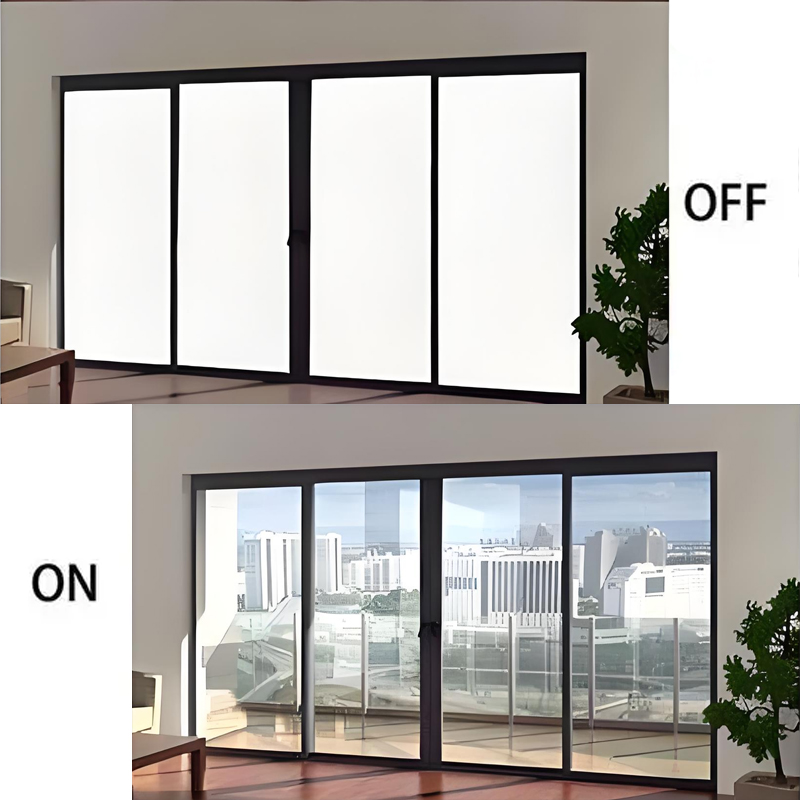
At its core, electric tint for car is a laminar composite technology that allows users to change the opacity of glass electronically, at the touch of a button. The most common and commercially viable technology for automotive applications is Polymer Dispersed Liquid Crystal (PDLC).
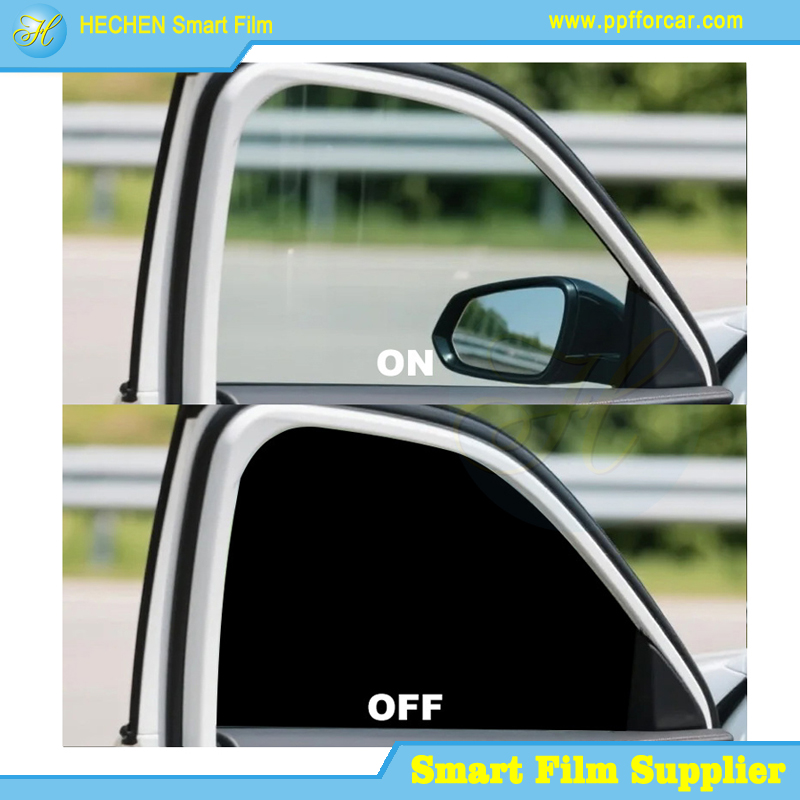
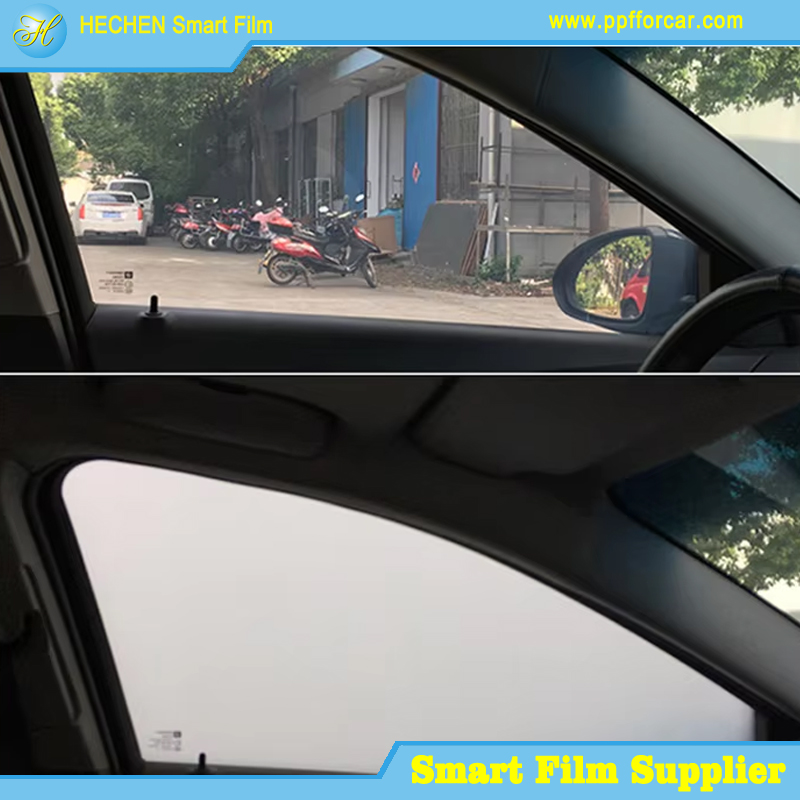
Imagine a thin film, thinner than a credit card, sandwiched between two layers of conductive material (typically transparent conductive oxides like ITO). Within this film are millions of microscopic liquid crystal droplets suspended in a polymer matrix. In their natural, off state, these crystals are randomly oriented. They scatter incoming light in all directions, rendering the film translucent or "milky white." When an electric current is applied (on state), the liquid crystals align in unison. This alignment allows light to pass through directly, making the glass clear.
This transition is near-instantaneous, requiring only a low-voltage electrical connection (often 12V or 48V, compatible with a car’s electrical system). The film can be applied to existing glass (retrofit) or integrated during manufacturing (OEM). Control is typically via a dedicated switch, integration with the car’s infotainment system, or even smartphone app in advanced setups. Some systems offer a simple on/off, while others provide variable control, allowing users to select any level of tint between fully clear and fully opaque.
The Comfort Revolution: Dynamic Climate and Privacy Control
The most immediate and tangible benefit of electric tint is in passenger comfort, fundamentally altering the in-cabin experience.
Dynamic Solar Heat & Glare Rejection: Traditional tint blocks a fixed percentage of solar energy. Electric tint allows dynamic management. On a scorching summer day, activating the tint significantly reduces Infrared (IR) and Ultraviolet (UV) radiation ingress. This directly translates to a cooler cabin, reducing the strain on the air conditioning system and improving energy efficiency, a critical factor for electric vehicles where range is paramount. Simultaneously, it eliminates blinding glare from the sun or reflections from other vehicles, drastically reducing eye strain and fatigue during long drives.
On-Demand Privacy: Privacy becomes a dynamic feature. Need to shield valuables on the back seat in a parking lot? Activate the tint. Want an unobstructed view while driving through scenic countryside? Switch it off. This eliminates the compromise inherent in traditional tinting, where a dark shade chosen for privacy at night can hinder visibility.
Personalized Zones: Advanced systems allow for zonal control. The rear passenger windows and rear windshield can be tinted for privacy and sun protection, while the driver and front passenger windows remain clear for optimal visibility—all controlled independently. This personalized environment caters to every occupant’s needs.
A Leap Forward in Active Safety and Driver Assistance
Beyond comfort, electric tint for car introduces novel safety dimensions that passive films cannot achieve.
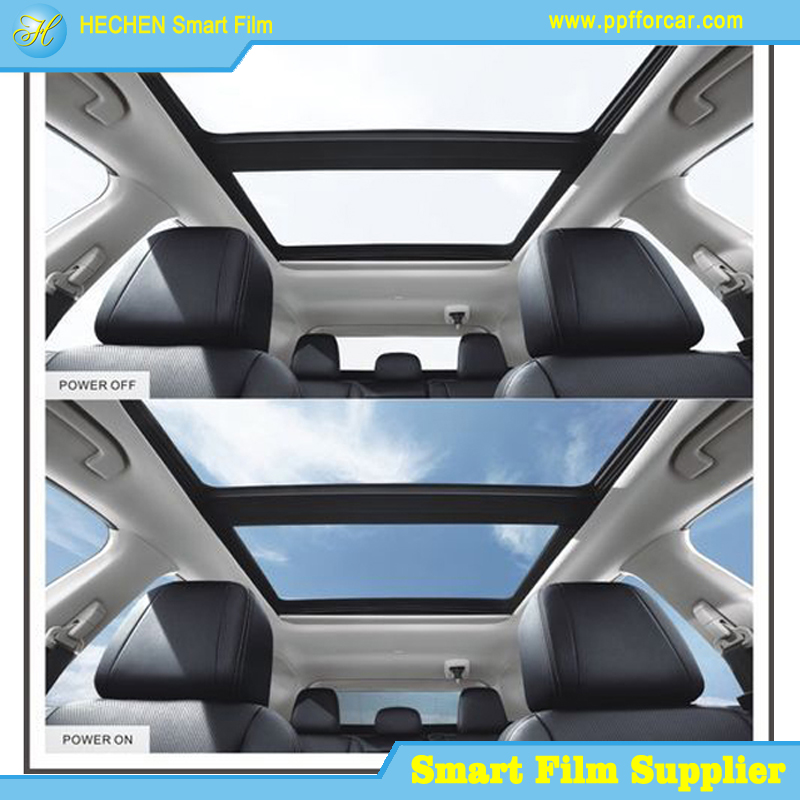
Enhanced Visibility in Adverse Conditions: Glare from low-angle sun, snow, or wet roads is a major safety hazard. The ability to instantly dim side or rear windows can mitigate this glare without the driver needing to fumble for a sun visor or be permanently impaired by dark static tint.
Reduced Distraction: By managing glare and creating a more visually stable cabin environment, electric tint helps reduce cognitive load on the driver. A comfortable, non-glaring environment allows for better concentration on the road.
Compatibility with Advanced Sensors: Modern vehicles are laden with cameras (for lane-keep assist, autonomous emergency braking, surround-view systems) and sensors that often reside behind the glass. Traditional metallic-based tints can interfere with radio, GPS, and sensor signals. High-quality electric tint films are designed to be sensor-friendly, ensuring ADAS (Advanced Driver-Assistance Systems) and communication systems function flawlessly.
Future-Proofing for Autonomy: In a fully autonomous vehicle, the occupants' relationship with the windows changes entirely. Passengers may want to work, watch a movie, or sleep without external visual distraction. Electric tint enables the cabin to transform into a private pod on demand, then clear instantly when a passenger wishes to view the outside world, seamlessly blending privacy with situational awareness.
The Aesthetic and Functional Transformation
Electrically switchable glass redefines vehicle aesthetics and functionality in profound ways.
Sleek, Minimalist Design: It eliminates the need for clumsy, manual pull-up sunshades or aftermarket static tints that can sometimes look uneven or bubbled. The vehicle maintains a clean, OEM-finished look whether clear or tinted.
The "Wow" Factor: The theatrical, instant transformation from clear to opaque has undeniable appeal. It elevates the perceived technology level of the vehicle, offering a luxury feature that is both useful and visually impressive.
Versatility for Multi-Purpose Vehicles: For SUVs, vans, or camper conversions, electric tint is transformative. It can create instant privacy for sleeping areas, conceal cargo, or serve as a projection screen for in-car entertainment. It blurs the line between vehicle and livable space.
Considerations and the Road Ahead
While revolutionary, the technology is not without its current considerations.
Cost: Electric tint film and its installation are significantly more expensive than traditional tint, placing it initially in the premium segment. However, as adoption increases and manufacturing scales, prices are expected to fall.
Power Draw: Although minimal, the system does draw power from the vehicle’s battery. In modern vehicles with robust electrical systems, this is negligible, but it remains a design consideration.
Durability and Maintenance: The long-term durability of the film against scratches, UV degradation (though it blocks UV for the cabin, the film itself is exposed), and extreme temperature cycles is still being proven in the mass market. Repairs can be more complex than with standard tint.
The "Translucent" State: In its opaque state, PDLC film scatters light, creating privacy but not total blackout. It appears as a bright white from the outside during the day and may allow silhouettes to be seen from outside at night if the cabin is lit.
The future of electric tint is bright and dynamic. Next-generation technologies like Suspended Particle Device (SPD) and Electrochromic glass, which can achieve variable, true darkening (not just translucent whitening), are on the horizon. Integration with vehicle telematics is imminent—imagine your car automatically tinting the windows based on GPS location (for privacy at home), external light sensors, or cabin occupancy. Biometric integration could allow tint settings tied to driver profiles.
Conclusion
Electric tint represents a fundamental shift from passive environmental management to an active, intelligent interface between the vehicle’s occupants and the outside world. It solves the ancient compromise of automotive glazing: the trade-off between view, privacy, and thermal comfort. By providing dynamic control over light, heat, and visibility, it delivers unparalleled improvements in passenger comfort, introduces new layers of active safety, and unlocks fresh possibilities for vehicle design and functionality.
It is more than just a fancy feature; it is a cornerstone technology for the future of automotive interiors, particularly as we move towards greater electrification and autonomy. As the technology matures and becomes more accessible, the sight of windows magically transforming from clear to opaque will cease to be a novelty and become an expected standard—a true game-changer in how we experience every journey. The car of the future won’t just take you places; it will actively and intelligently shape your environment along the way, and electric tint will be a central player in that transformation.
For more about the electric tint for cars: a game-changer in comfort, safety, and aesthetics, you can pay a visit to Hechen PDLC Smart Film Manufacturers for more info.