What is the Core Technology of Innovative Removable Window Tint?
In the ever-evolving world of automotive and architectural enhancements, removable window tint has emerged as a game-changer, offering flexibility, functionality, and ease of use that traditional permanent tints simply cannot match. At its heart, removable window tint refers to thin films applied to glass surfaces that can be easily installed and removed without leaving residue or causing damage. This innovation addresses key pain points for consumers, such as compliance with varying legal regulations, the need for temporary privacy, and the desire for customizable aesthetics. But what truly drives this product's appeal is its core technology—a blend of advanced adhesion methods, nanomaterials, and smart features that enhance performance while prioritizing user convenience.
The core technologies behind innovative removable window tints include static cling mechanisms, pressure-sensitive adhesives (PSAs), nano-ceramic particles for heat and UV rejection, and emerging smart electrochromic systems. These elements work in tandem to provide superior heat reduction, glare control, and privacy without the permanence of older tinting solutions. For instance, static cling technology relies on electrostatic forces to adhere the film to glass, eliminating the need for messy glues. Meanwhile, PSAs offer a removable bond that's strong yet releasable, and nano-ceramics embed microscopic particles to block infrared rays efficiently. As of 2025, trends point toward eco-friendly and smart integrations, making these tints not just accessories but intelligent additions to vehicles and buildings.
This article explores the foundational technologies powering removable window tints, their scientific underpinnings, and their implications for users. By understanding these cores, consumers can appreciate how these products balance innovation with practicality, revolutionizing how we interact with glass surfaces.
Evolution of Window Tint Technology
Window tinting has roots dating back to the mid-20th century, initially developed for automotive glare reduction using basic dyed films. Early tints were permanent, relying on acrylic adhesives that bonded irreversibly to glass, often requiring professional removal that risked surface damage. The 1980s introduced metallic films, incorporating aluminum particles for better heat reflection, but these interfered with electronics and were non-removable.
The shift toward removability began in the 1990s with the adaptation of static cling technologies from home decor applications. Static cling, borrowed from vinyl graphics, used electrostatic attraction instead of adhesives, allowing easy repositioning. By the 2000s, PSAs evolved from industrial uses, providing a tacky yet releasable bond for automotive tints.
The real innovation surged in the 2010s with nanotechnology. Nano-ceramic particles—tiny, non-metallic compounds like titanium dioxide or zirconium oxide—were integrated into films, offering superior infrared rejection without signal disruption. This paved the way for removable variants, where these particles are embedded in flexible polymers like polyvinyl chloride (PVC) or polyethylene terephthalate (PET).
By 2025, smart tints using electrochromic or photochromic materials represent the frontier, allowing dynamic tint adjustment via electricity or light. Eco-materials, such as recycled PET, further innovate by reducing environmental impact. This evolution underscores a move from static, permanent solutions to dynamic, user-controlled technologies.
Core Adhesion Technologies: Static Cling and Pressure-Sensitive Adhesives
Adhesion is the cornerstone of removable window tints, enabling secure attachment without permanence. Two primary technologies dominate: static cling and PSAs.
Static cling technology harnesses electrostatic forces—the same principle behind a balloon sticking to a wall after rubbing. These films, typically made from PVC or vinyl, have a smooth, non-porous surface that creates a vacuum-like seal when pressed against clean glass. No chemicals are involved; instead, molecular attraction holds the film in place. Innovations like hi-tack static cling incorporate specialized polymers to enhance grip, resisting slippage in humid or vibrating environments like car windows. Brands such as Gila and d-c-fix utilize this for easy DIY installation: simply clean the glass, spray a soapy solution, align the film, and squeegee out air bubbles. The reusability stems from the absence of degradation; films can be peeled, stored, and reapplied multiple times.
Pressure-sensitive adhesives, on the other hand, provide a more robust alternative for applications needing stronger hold. PSAs are viscoelastic materials—rubbery polymers like acrylics or silicones—that become tacky under pressure but release cleanly due to low cohesion. In removable tints, these are formulated with micro-grooved liners for air evacuation, preventing bubbles. Unlike dry adhesives used in permanent films, PSAs are "wet" applied, allowing repositioning during installation. Products like TintRebel employ unique PSAs that leave no residue, thanks to controlled tack levels. This technology excels in automotive settings, where vibrations demand durability, yet removability ensures compliance with lease terms or inspections.
Both technologies prioritize optical clarity and UV stability, ensuring the tint remains effective over time without yellowing or peeling prematurely.
Advanced Materials: Nano-Ceramic Particles
Beyond adhesion, the performance of removable tints hinges on embedded materials like nano-ceramic particles, which form the core of heat and UV rejection capabilities. Nano-ceramics are ultrafine particles (1-100 nanometers) of ceramic compounds, such as cerium oxide or indium tin oxide, dispersed evenly within the film's polymer matrix.
These particles work by absorbing and scattering infrared (IR) radiation, rejecting up to 95% of heat without darkening the film excessively. Unlike metallic tints, nano-ceramics are non-conductive, preserving GPS and radio signals. In removable formats, they are layered into PET films, maintaining flexibility for easy peeling. Brands like LLumar and 3M integrate multi-layered nanostructures, where particles are embedded in sputtering processes for uniform distribution.
UV protection is another key benefit; nano-particles block 99% of harmful rays, preventing skin damage and interior fading. Innovations include "nano carbon ceramic" hybrids, combining carbon for color stability with ceramics for heat control. This technology's scalability allows for lighter tints (e.g., 70% VLT) that still offer substantial performance, ideal for windshields.
Smart and Electrochromic Technologies
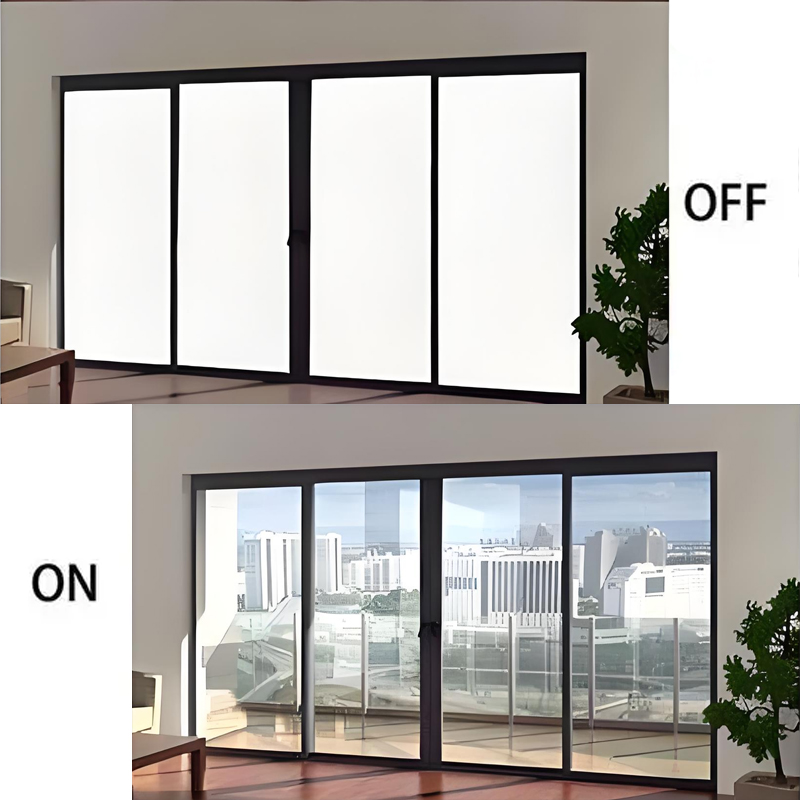
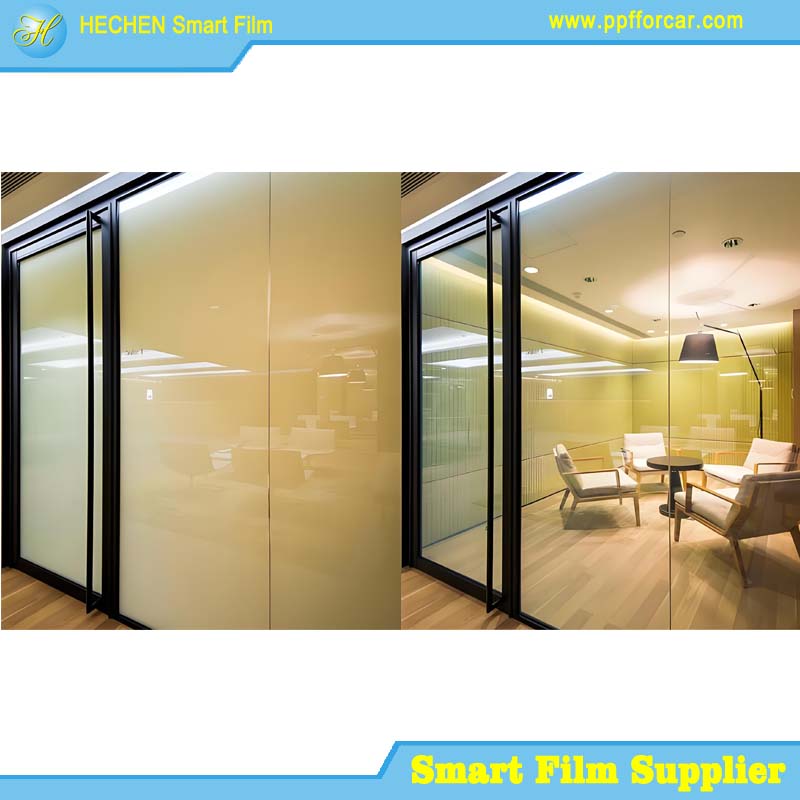
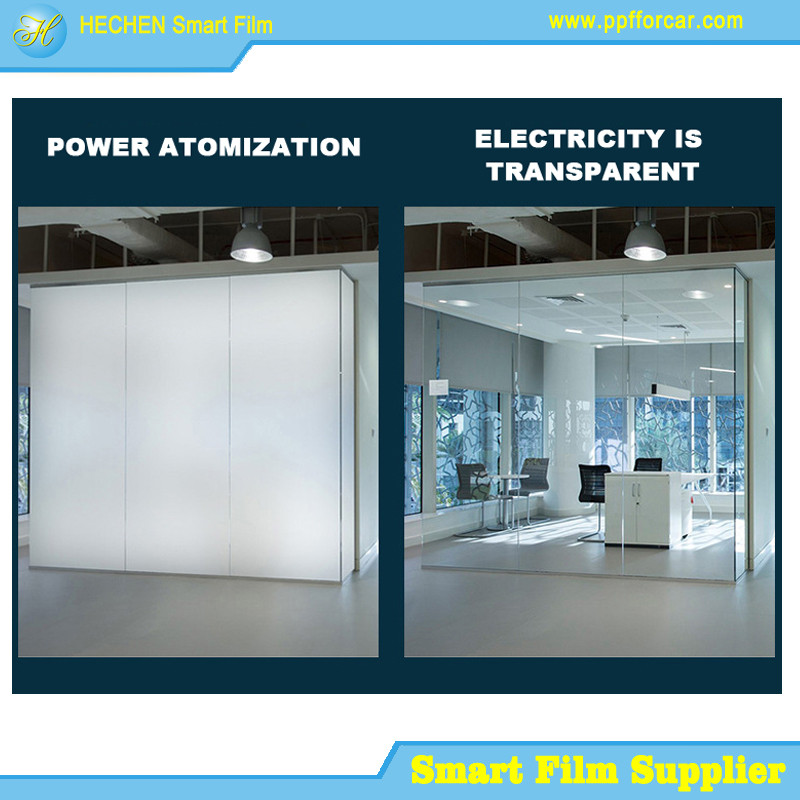
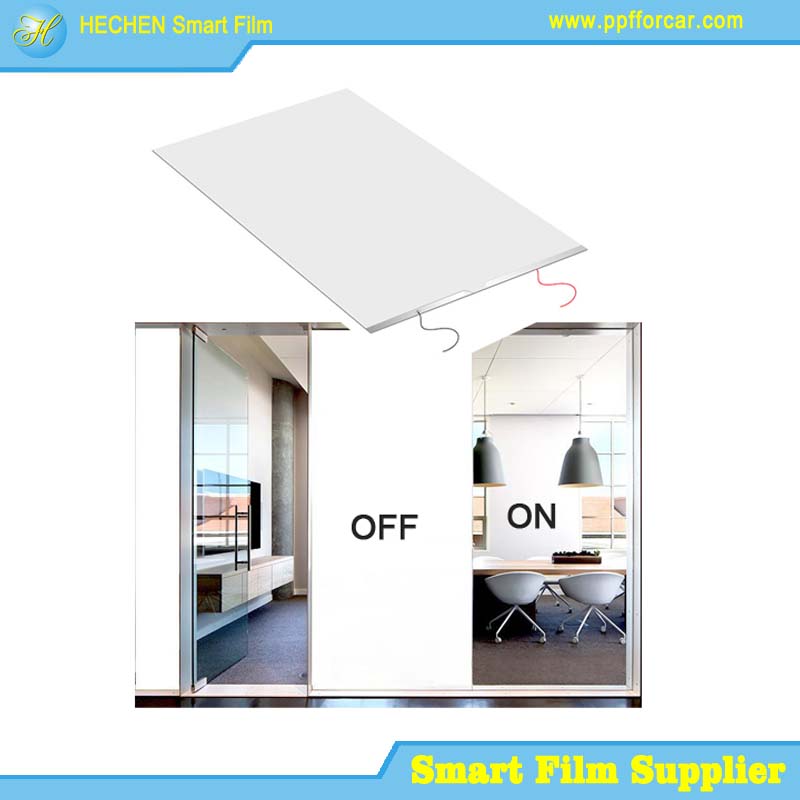
Pushing boundaries, smart removable tints incorporate electrochromic or photochromic materials, allowing on-demand opacity changes. Electrochromic films use polymer-dispersed liquid crystals (PDLC) or electro-optical polymers that switch from transparent to opaque with an electric current. Applied as removable laminates, they connect to a power source for control via apps or switches, offering privacy at the touch of a button.
Photochromic variants darken automatically in sunlight due to light-sensitive molecules, reverting in shade. These are integrated into static cling bases for removability, representing a fusion of chemistry and materials science.
Other Innovations: Magnetic and Eco-Friendly Materials
Magnetic tints use ferromagnetic particles in films that attach to magnetized frames, enabling instant removal—ideal for RVs but emerging in cars. Eco-innovations involve recycled PET or bio-based polymers, reducing carbon footprints while maintaining performance.
Self-healing films with polyurethane layers repair minor scratches, extending lifespan.
Manufacturing and Application Processes
Manufacturing involves extruding polymers, embedding nanoparticles via sputtering or coating, and applying adhesion layers. For static cling, surfaces are polished for optimal electrostatics; PSAs are calendered for even tack.
Application is user-friendly: clean glass, apply film with water or pressure, trim edges. Removal involves gentle peeling, often aided by heat.
Benefits and Applications
These technologies offer heat rejection (up to 87% IR), UV blocking, glare reduction, and energy savings. Applications span cars, homes, and offices, with removability suiting renters or seasonal users.
Challenges and Future Trends
Challenges include potential wrinkling in heat or lower durability compared to permanents.
Future trends lean toward AI-integrated smart tints and biodegradable materials, with market growth projected at rapid rates by 2030.
Conclusion
The core technologies of innovative removable window tints—static cling, PSAs, nano-ceramics, and smart systems—blend science and convenience, transforming glass into adaptive surfaces. As innovations continue, these tints promise enhanced sustainability and functionality for everyday use.
For more about what is the core technology of innovative removable window tint, you can pay a visit to Hechen PDLC Smart Film Manufacturers for more info.