Electric vs Static Window Tint: Key Differences
Window tinting has evolved significantly from the simple dark films of decades past. Today, two distinct technologies dominate the market: traditional static cling window tint and advanced electric (or smart) window tint. While both serve the fundamental purpose of controlling light, heat, and privacy, they operate on completely different principles and offer distinct advantages and limitations. This article explores the technical workings, performance characteristics, installation processes, cost considerations, and ideal applications of both technologies, providing a comprehensive guide for consumers, automotive specialists, and architects alike.
1. Technical Foundations: How They Work
Static Cling Window Tint
Static cling tint represents the more conventional approach to window tinting. This technology utilizes a multi-layer polyester film that adheres to glass through electrostatic attraction rather than permanent adhesive. The film typically consists of:
A scratch-resistant coating on the exterior-facing side
Multiple polyester layers that may contain dyes, metals, or ceramic particles
A static-charged layer that creates temporary adhesion to glass
The static cling effect works through van der Waals forces—temporary electrostatic attractions between molecules. When applied to clean glass, the film's charged surface creates sufficient attraction to hold it firmly in place while allowing for removal and repositioning during installation. The tinting effect comes from either dyes (carbon-based colorants), metalized particles (aluminum, nickel, or chromium), or ceramic nanoparticles embedded within the polyester layers. These materials absorb or reflect specific wavelengths of light, reducing visible light transmission (VLT) and blocking infrared (IR) and ultraviolet (UV) radiation.
Electric/Smart Window Tint
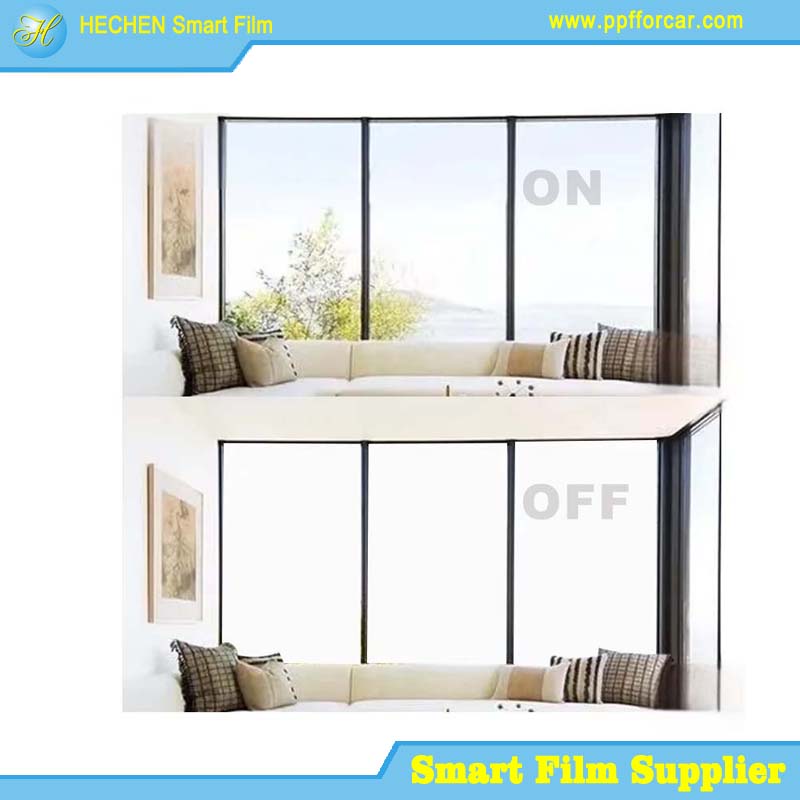
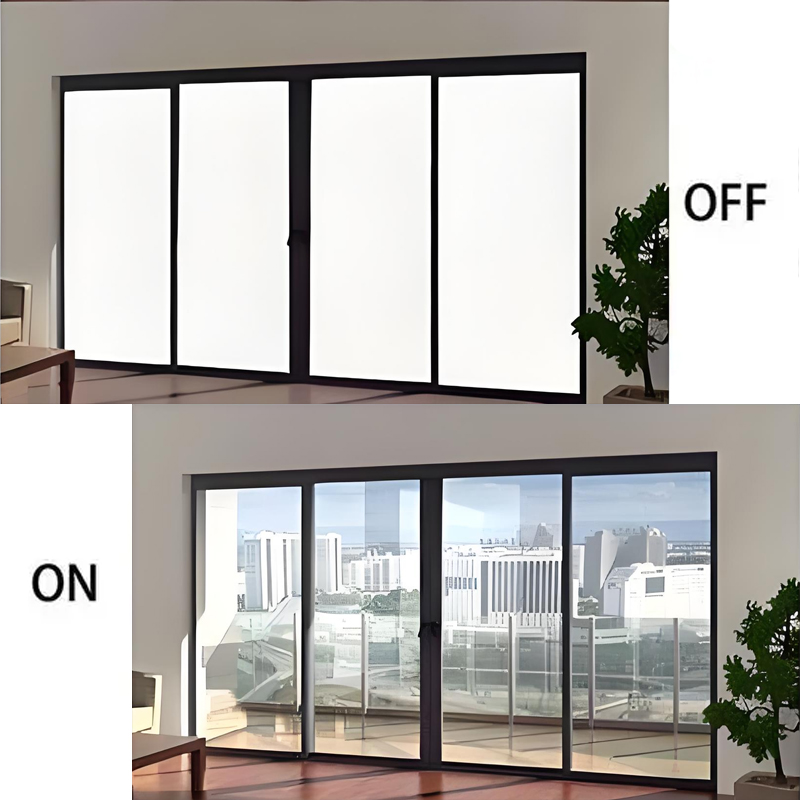
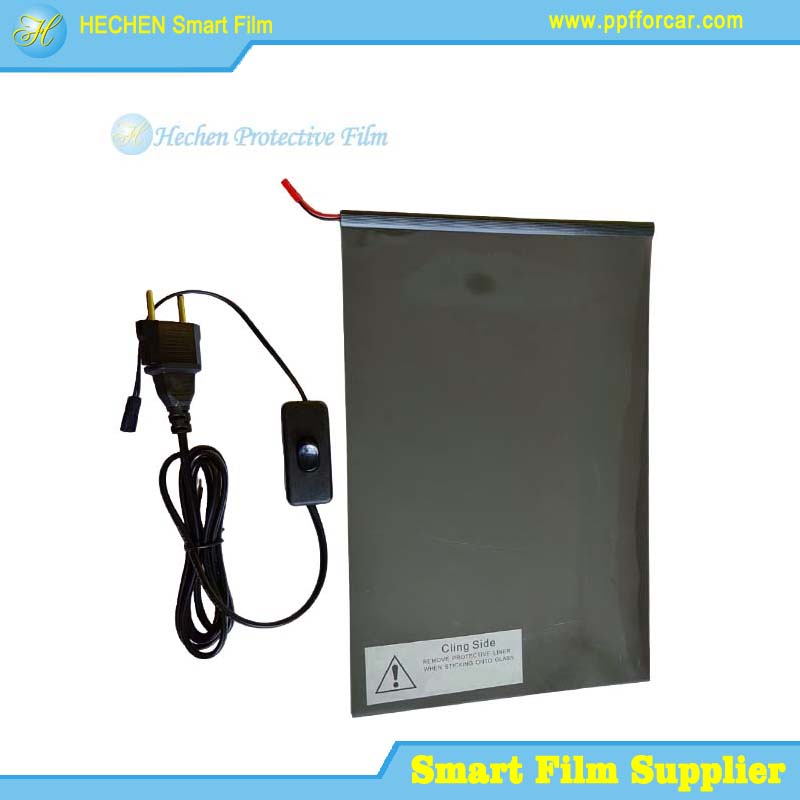
Electric window tint, often called "smart glass" or "switchable film," represents a significant technological leap. These systems utilize electrochromic, polymer-dispersed liquid crystal (PDLC), or suspended particle device (SPD) technologies that change their light transmission properties in response to electrical current.
Electrochromic tints work through ionic migration. A typical five-layer structure includes:
Transparent conductive layers (usually indium tin oxide)
An ion storage layer
An electrolyte
An electrochromic layer (often tungsten oxide)
Another conductive layer
When voltage is applied, lithium ions migrate from the storage layer through the electrolyte to the electrochromic layer, causing it to darken. Reversing the polarity returns the ions, making the layer transparent again.
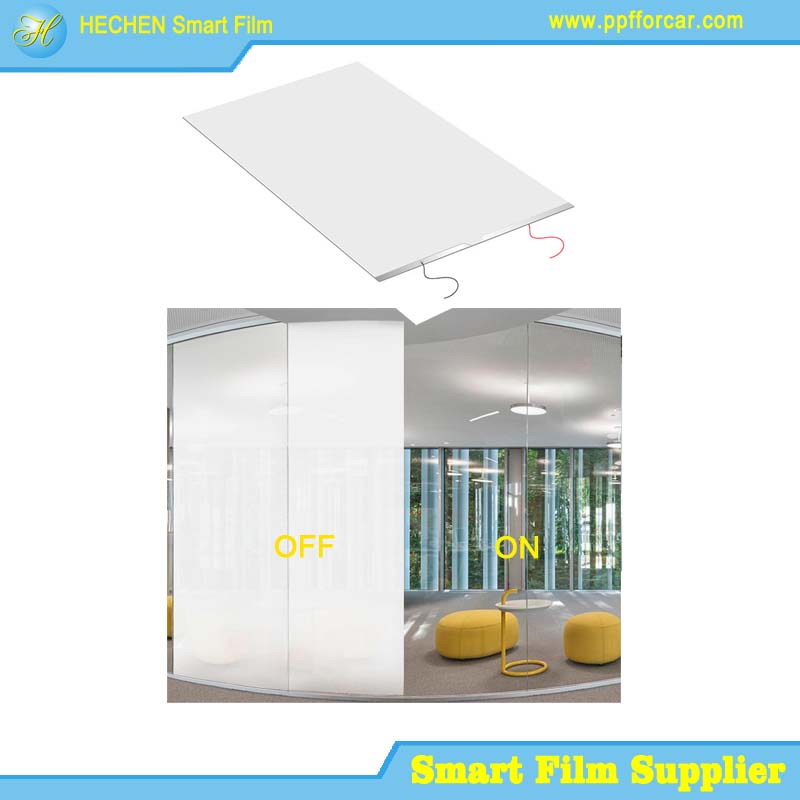
PDLC films contain liquid crystal droplets suspended in a polymer matrix. In their natural state without current, the crystals are randomly oriented, scattering light and creating an opaque, translucent appearance. When voltage is applied, the crystals align, allowing light to pass through clearly.
SPD technology uses suspended particles that align when voltage is applied, changing from a darkened state to transparent. Unlike PDLC, SPD films can achieve variable opacity levels rather than just clear and opaque states.
2. Performance Comparison
Light Control and Visibility
Static cling tints offer fixed light transmission determined during manufacturing. They typically reduce visible light by 5-50%, depending on the product. The tint darkness remains constant regardless of external conditions, which can be problematic at night or in low-light situations when visibility is reduced.
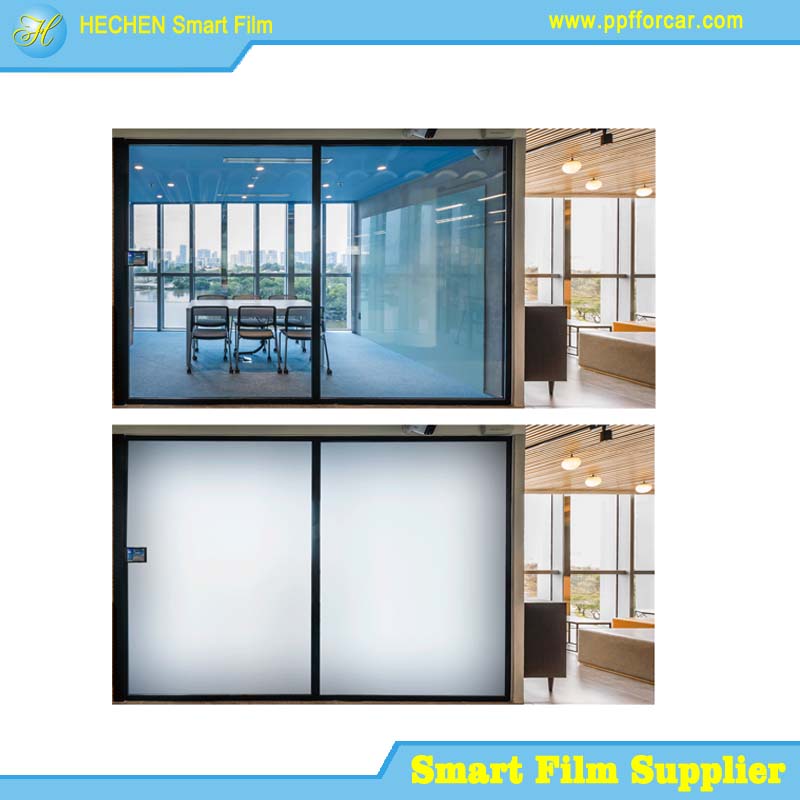
Electric tints provide dynamic control, typically transitioning between 1-5% VLT (darkest) to 60-80% VLT (clearest). This adjustability offers significant advantages: maximum privacy and heat rejection when needed, and clear visibility when required. The transition time varies by technology, with electrochromic films taking 30-180 seconds to change states, while PDLC and SPD films respond almost instantaneously (milliseconds to seconds).
Heat Rejection and Energy Efficiency
Both technologies offer thermal benefits, but through different mechanisms:
Static tints primarily reject heat through:
Absorption: Dyed films absorb solar energy, which can radiate inward
Reflection: Metalized and ceramic films reflect infrared radiation
Emissivity: Some advanced films re-radiate absorbed heat outward
High-quality static ceramic tints can block up to 70% of total solar energy, with infrared rejection rates exceeding 90%.
Electric tints offer variable heat rejection that correlates with their tint level. In their darkest state, they typically block 70-90% of solar heat gain. Some advanced electrochromic systems incorporate low-emissivity (low-E) coatings that provide additional thermal insulation, rejecting heat in both tinted and clear states. This dynamic control allows for optimization of heating and cooling loads in buildings, potentially reducing HVAC energy consumption by 20-30%.
UV Protection
Both technologies provide excellent UV protection. High-quality static tints typically block 99% of UVA and UVB rays. Electric tints offer comparable UV rejection in their darkened states, though some may have slightly reduced UV blocking in clear states depending on their specific construction.
Optical Quality
Static tints vary widely in optical quality. Lower-quality dyed films may appear hazy, show color shifts over time, or develop a reflective "mirror" effect. Premium ceramic and carbon films maintain excellent clarity without distortion or metallic reflection.
Electric tints generally offer exceptional optical clarity in their transparent state, comparable to untreated glass. In intermediate or opaque states, some technologies (particularly PDLC) may exhibit slight haziness or reduced resolution, though premium products minimize these effects.
3. Durability and Longevity
Static Cling Tint
Durability Factors:
Physical durability: High-quality static films feature scratch-resistant coatings but remain vulnerable to sharp objects and improper cleaning
Chemical resistance: Most resist common cleaners, though ammonia-based products can damage adhesive layers
Color stability: Dyed films may fade or change color over 5-10 years; ceramic and metalized films maintain color better
Adhesion lifespan: While static cling films are theoretically removable, long-term installation (beyond 1-2 years) can make removal difficult as temporary adhesives become more permanent
Lifespan: Premium static tints typically last 10-15 years with proper maintenance before requiring replacement.
Durability Factors:
Cycle life: Electrochromic films typically withstand 50,000-100,000 cycles; PDLC and SPD films often exceed 500,000 cycles
Environmental stability: Performance may degrade in extreme temperatures; operating ranges typically span -20°C to 60°C
Electrical reliability: Components must maintain consistent performance; most systems include 5-10 year warranties
Physical robustness: Similar to static tints, vulnerable to scratches and physical damage
Lifespan: Electric tint systems generally last 15-20 years with minimal performance degradation when properly installed and maintained.
4. Installation and Maintenance
Static Cling Tint Installation
Process:
Surface preparation: Glass must be meticulously cleaned and sometimes treated with application solution
Film cutting: Pre-cut to exact window dimensions or trimmed during installation
Application: Film is applied using a squeegee to remove bubbles and solution
Drying/curing: The film initially adheres through static; over 3-7 days, any residual moisture evaporates, improving adhesion
DIY Potential: Moderate to high—many static cling films are marketed as DIY products, though professional installation ensures optimal results without bubbles, creases, or misalignment.
Electric VS Static Window Tint Installation
Process:
Electrical assessment: Requires access to power source and potential electrical modifications
Film/glass application: Similar to static application but with added electrical connections
Electrical integration: Wiring must be connected to power source and control system
Control system setup: Installation of switches, sensors, or smart home integration
DIY Potential: Low to none—electric tint installation requires specialized knowledge of both film application and basic electrical systems. Improper installation can damage the film, electrical components, or vehicle/ building systems.
Maintenance Requirements
Static tints require gentle cleaning with ammonia-free solutions and soft cloths to avoid scratches. They may need periodic reapplication if edges lift or bubbles form.
Electric tints require all the care of static tints plus electrical system maintenance. Control mechanisms may need occasional calibration, and wiring connections should be periodically checked for corrosion or damage.
5. Cost Analysis
Initial Investment
Static cling tints range from $2-$15 per square foot for materials only, with professional installation adding $5-$10 per square foot. Automotive applications typically cost $150-$800 per vehicle, while residential installations range from $500-$3,000 depending on square footage.
Electric tints represent a significant premium: $50-$150 per square foot installed, depending on technology, size, and control complexity. Automotive applications start around $1,000 per window and can exceed $10,000 for full vehicle installation. Architectural applications typically range from $10,000-$100,000+ depending on scale.
Long-Term Cost Considerations
Static tints offer lower upfront costs but may require replacement every 10-15 years. Their energy-saving benefits can provide a return on investment through reduced cooling costs, typically achieving payback in 3-7 years in sunny climates.
Electric tints have much higher initial costs but potentially longer lifespans. Their dynamic control can optimize energy savings more effectively than static tints, particularly in climates with seasonal variation. Additional benefits like privacy control and reduced wear on interior furnishings may justify the premium for certain applications.
6. Applications and Ideal Use Cases
Static Cling Tint Applications
Ideal for:
Budget-conscious consumers seeking basic sun protection
Rental properties where temporary or removable solutions are required
Seasonal applications such as summer sun protection that can be removed in winter
DIY enthusiasts comfortable with self-installation
Vehicles where permanent modification is undesirable (leases, rentals)
Short-term privacy needs in residential or commercial settings
Limitations: Not suitable for applications requiring variable opacity, integration with smart systems, or where electrical control is desired.
Electric Tint Applications
Ideal for:
High-end residential properties where automation and luxury features are valued
Commercial buildings with smart energy management systems
Medical facilities requiring privacy control in examination rooms
Executive vehicles and luxury automobiles
Hospitality industry for privacy-controlled bathroom partitions
Retail displays requiring variable transparency for product presentation
Conference rooms needing instant privacy
Limitations: Cost-prohibitive for budget applications; requires professional installation and electrical infrastructure.
7. Environmental Considerations
Manufacturing Impact
Static tints generally have lower manufacturing energy requirements, though metalized films involve mining and processing of metals. Ceramic films use nano-materials with potentially higher production energy but superior performance.
Electric tints require more complex manufacturing with rare materials (indium for ITO coatings) and electronic components, resulting in higher embedded energy and more challenging end-of-life recycling.
Operational Energy
Static tints reduce cooling energy consumption year-round, though they may slightly increase heating requirements in winter by blocking passive solar gain.
Electric tints can optimize energy savings by adjusting to conditions, potentially outperforming static tints in overall annual energy reduction. Smart controls that integrate with building automation systems can maximize these benefits.
End-of-Life Considerations
Static films are primarily polyester, which can be recycled, though the process is not widely available. Most end up in landfills.
Electric films contain electronic components and potentially hazardous materials, requiring specialized recycling. Disposal regulations vary by jurisdiction.
Conclusion
The choice between electric and static window tint ultimately depends on specific needs, budget, and application. Static cling tints offer an affordable, effective solution for basic light, heat, and UV control with the advantage of removability and easier installation. Their limitations include fixed performance characteristics and potentially reduced nighttime visibility.
Electric tints represent the cutting edge of window technology, offering dynamic control, integration with smart systems, and potentially greater energy savings. However, these benefits come at a significant cost premium and require professional installation and maintenance.
For most residential and automotive applications, high-quality static ceramic tints provide excellent performance at a reasonable cost. For luxury applications, commercial buildings with advanced energy management, or situations requiring dynamic privacy control, electric tints offer capabilities that justify their expense.
As both technologies continue to evolve, we can expect static films to improve in performance and durability while electric systems decrease in cost and increase in reliability. The future may even see hybrid systems that combine the best attributes of both technologies, offering smart control at more accessible price points. For now, understanding these key differences enables informed decisions that balance performance, functionality, and budget for any window tinting application.
For more about the electric vs static window tint: key differences, you can pay a visit to Hechen PDLC Smart Film Manufacturers for more info.