How to Choose the Smart Tint Window Film with UV Protection Benefits
In an era where energy efficiency, privacy, and health protection are paramount, smart tint window films have emerged as a revolutionary solution for homes, offices, and vehicles. These innovative films allow users to control the transparency of their windows, switching from clear to opaque at the touch of a button or even automatically in response to sunlight. But beyond the convenience of on-demand privacy, one of the most compelling features of smart tint films is their ability to provide robust UV protection. Ultraviolet (UV) rays from the sun can cause skin damage, fade furniture, and increase indoor temperatures, leading to higher energy bills. Choosing a smart tint film with strong UV-blocking capabilities not only enhances comfort but also safeguards your health and investments.
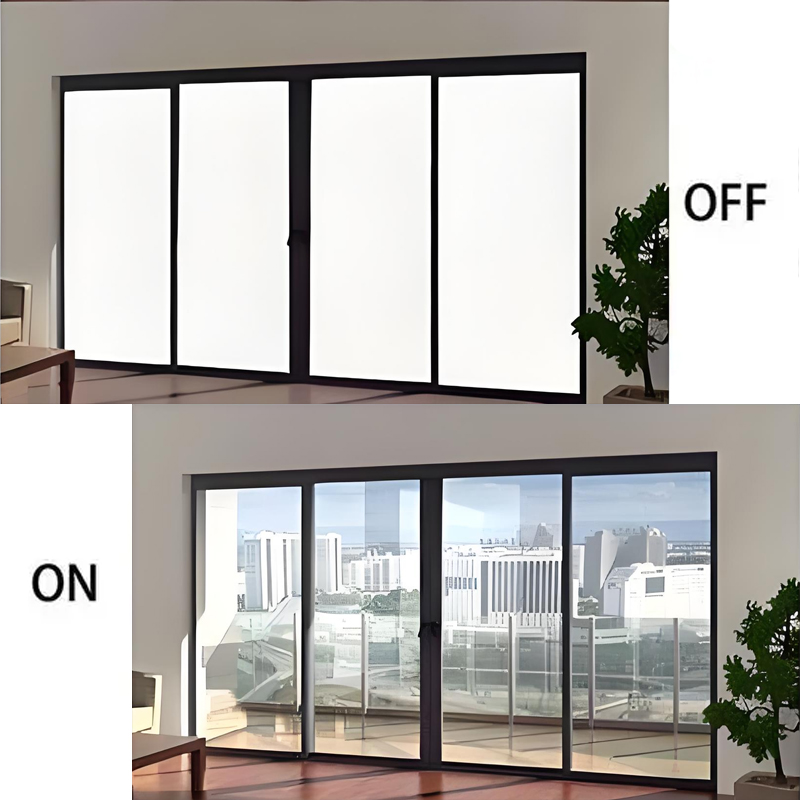
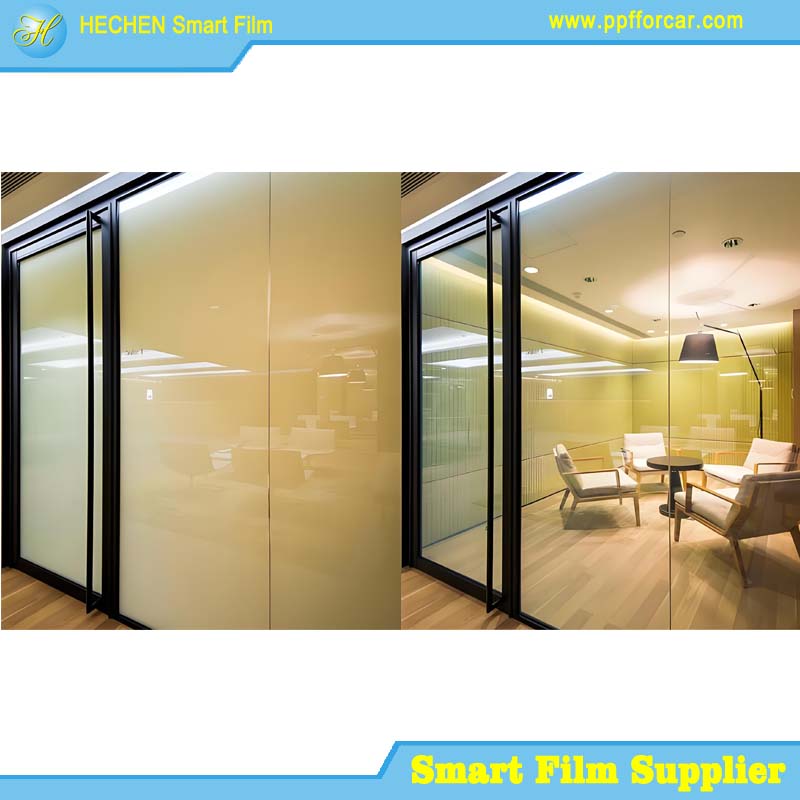
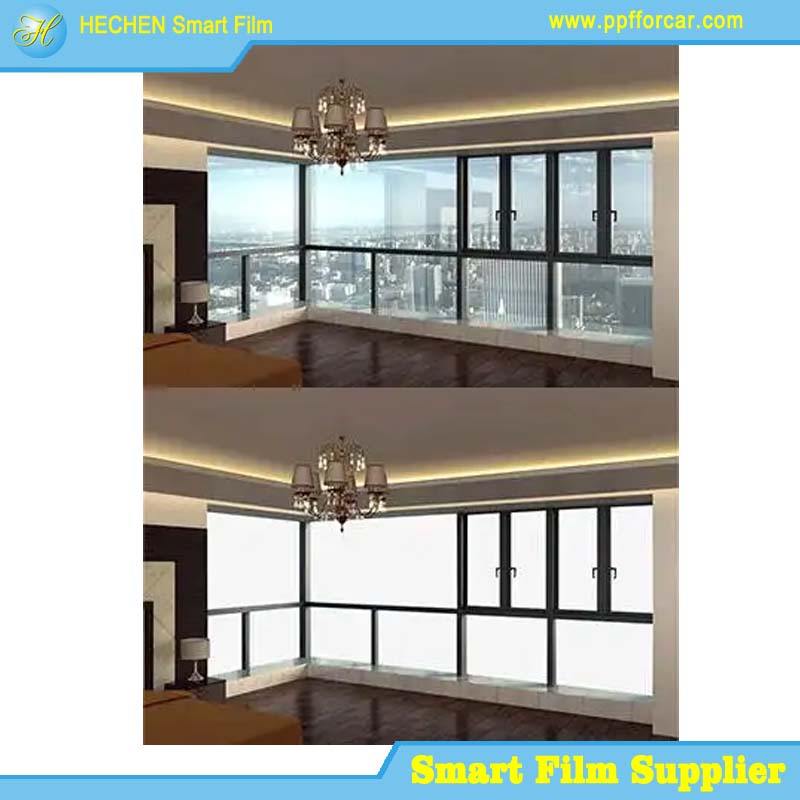
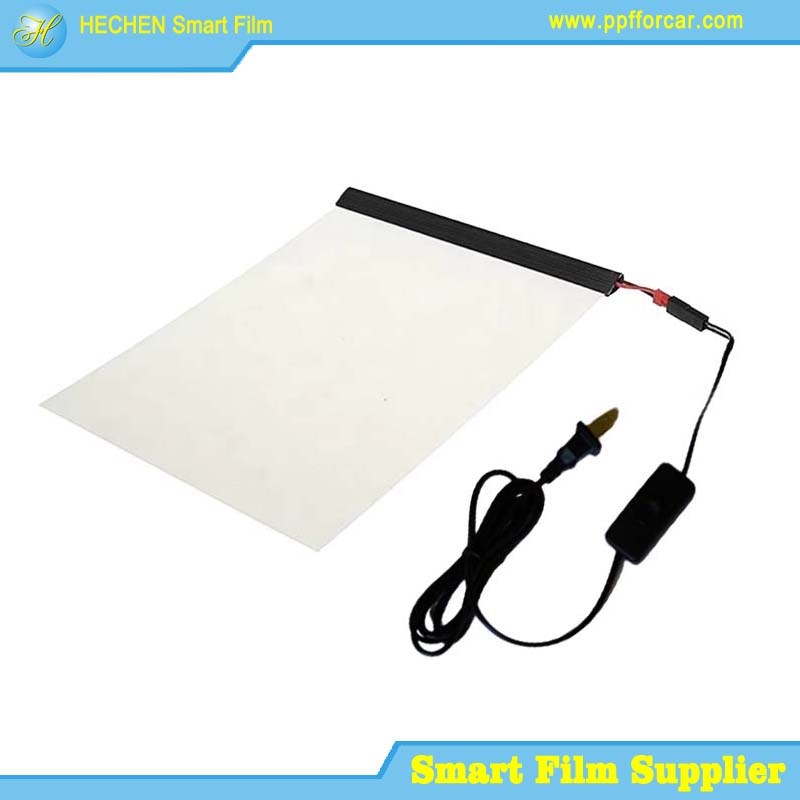
Smart tint window films, often referred to as switchable privacy films, use advanced technologies like Polymer Dispersed Liquid Crystal (PDLC) to alter their state. When powered off, they appear frosted for privacy; when powered on, they become transparent. Many high-quality options block up to 99% of harmful UV rays, making them ideal for sun-exposed areas. This dual functionality—privacy control combined with UV shielding—sets them apart from traditional static tints. As we navigate 2025, with rising awareness of UV-related health risks like skin cancer, selecting the right film involves evaluating factors such as UV rejection rates, installation ease, durability, and cost-effectiveness.
This comprehensive guide will walk you through everything you need to know about choosing smart tint window films with UV protection benefits. We'll explore the technology behind them, the importance of UV blocking, key selection criteria, installation and maintenance tips, and top recommendations based on current market trends. By the end, you'll be equipped to make an informed decision that balances functionality, aesthetics, and long-term value. Whether you're retrofitting existing windows or incorporating them into new builds, the right smart tint can transform your space into a smarter, safer environment.
The market for these films has grown significantly, driven by advancements in self-adhesive technologies that make DIY installation feasible. Brands like Smart Tint and ElectraTint offer products that not only provide privacy but also contribute to energy savings by reducing heat gain. However, not all films are created equal—some prioritize privacy over UV protection, while others excel in both. Understanding your specific needs, such as the level of natural light you want to preserve or the climate in your region, is crucial. For instance, in sunny areas like the Southwest U.S., UV protection becomes non-negotiable to prevent premature aging of interiors.
Moreover, with environmental concerns on the rise, many consumers are opting for films that enhance sustainability. By blocking UV and infrared rays, these films can lower cooling costs by up to 30%, according to industry estimates. This guide aims to demystify the selection process, ensuring you avoid common pitfalls like choosing low-quality films that yellow over time or fail to deliver promised UV benefits.
Understanding Smart Tint Window Film Technology
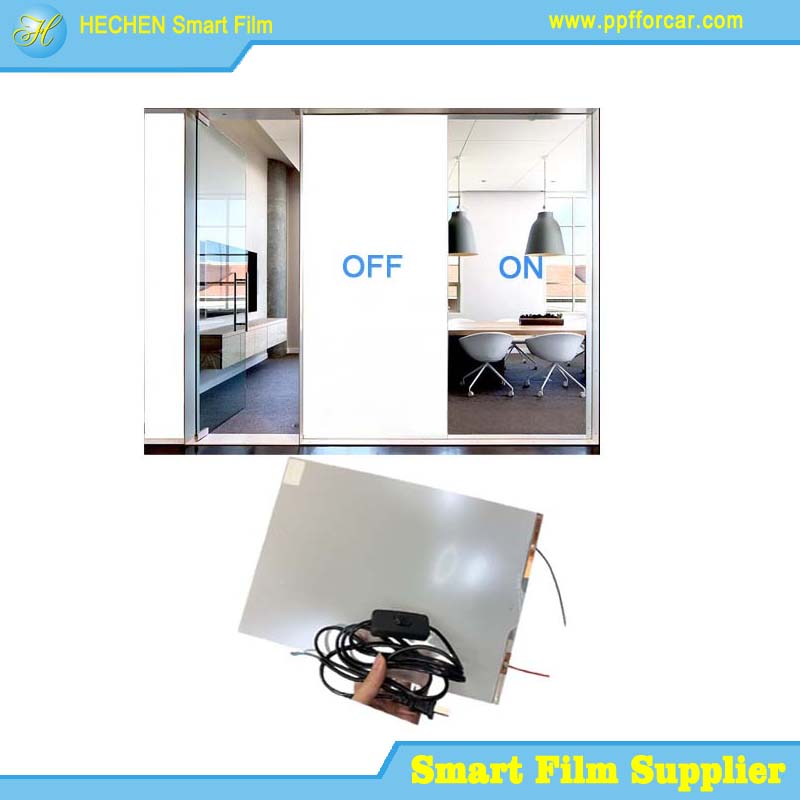
To choose the best smart tint window film, it's essential to grasp how the technology works and the various types available. At its core, smart tint film is a thin, flexible layer applied to glass surfaces. The most common type uses PDLC technology, where liquid crystals are dispersed in a polymer matrix. In the "off" state, these crystals scatter light, creating a frosted appearance for privacy. Applying a low-voltage electric current aligns the crystals, allowing light to pass through transparently. This switchable feature is what makes it "smart," offering control via switches, remotes, apps, or even voice commands integrated with smart home systems.
There are several types of smart tint films, each with unique benefits and drawbacks. Electrochromic films change tint in response to voltage, providing variable levels of shading and UV protection without fully obscuring views. They are energy-efficient but can be slower to transition, taking minutes rather than seconds. Photochromic or transitional films activate with sunlight, darkening automatically to block UV rays—ideal for passive UV protection but lacking manual privacy control. Thermochromic variants respond to temperature, offering heat-based tinting.
Benefits of smart tint films include enhanced privacy without curtains, reduced glare for better screen visibility, and significant UV blocking to protect against skin damage and fading. They also improve energy efficiency by reflecting heat, potentially cutting air conditioning use. Drawbacks? Higher upfront costs compared to static tints, the need for electrical wiring in switchable models, and potential for reduced clarity in the transparent state if not high-quality. Some users report yellowing over time or power consumption issues, though modern films mitigate these.
In terms of UV protection, most premium smart tints block 99% of UVA and UVB rays, which penetrate glass and cause long-term damage. This is achieved through embedded UV-absorbing layers that don't compromise the film's switchable properties. For vehicles, UV-blocking tints enhance safety by reducing interior heat and protecting occupants. However, ensure compliance with local laws, as some regions limit tint darkness.
When evaluating types, consider your application: Residential users might prefer self-adhesive PDLC films for easy retrofitting, while commercial spaces could benefit from electrochromic options for larger areas. Always check for certifications like those from the Skin Cancer Foundation, which endorse films that effectively block UV. Understanding these nuances ensures you select a film that aligns with your lifestyle and UV protection goals.
The Importance of UV Protection in Window Films
UV radiation is invisible but insidious, comprising UVA and UVB rays that pass through untreated glass. UVA rays, which make up 95% of UV exposure, penetrate deeply into the skin, accelerating aging and increasing skin cancer risk. Indoors, you're not safe—standard windows block little UV, leading to cumulative damage over time. Smart tint films with UV protection address this by incorporating blockers that reflect or absorb these rays, often achieving 99% rejection rates.
Beyond health, UV protection preserves interiors. Fabrics, artwork, and flooring fade due to photodegradation, costing homeowners thousands in replacements.
In museums or retail spaces, this is critical for protecting valuables. Energy-wise, UV-blocking films reduce solar heat gain, lowering cooling needs and carbon footprints.
In 2025, with climate change amplifying sun intensity, UV protection is more vital than ever. Studies show that consistent UV exposure indoors contributes to 10-20% of skin cancers.
Smart tints offer a proactive solution, combining this with privacy. However, verify claims—look for independent testing, as some films only block partial UV spectra.
Integrating UV protection elevates smart tints from novelty to necessity.
Key Factors to Consider When Choosing Smart Tint Window Films
Selecting the right smart tint involves multiple criteria. First, prioritize UV rejection: Aim for 99% or higher to maximize benefits. Check specifications for both UVA and UVB coverage.
Tint levels and colors matter—options range from clear to colored tints like gray or blue, affecting light transmission. Visible Light Transmission (VLT) percentages indicate how much light passes through; higher VLT preserves views but may reduce privacy.
Durability is key: Look for scratch-resistant, non-yellowing films with warranties of 5-10 years. Compatibility with your glass type—flat, curved, or tempered—is essential to avoid bubbling.
Installation type: Self-adhesive films like Smart Cling are DIY-friendly, while others require professionals. Consider power sources for switchable models; some integrate with solar panels for eco-friendliness.
Cost varies: Expect $29-75 per square foot, plus installation. Balance with ROI from energy savings. Brand reputation—Smart Tint, 3M, or Llumar—ensures quality.
User reviews highlight real-world performance; Reddit discussions note ease of use but warn of wiring complexities. Finally, assess environmental impact—opt for low-VOC, recyclable films.
Installation Guide
Proper installation ensures longevity. Start with clean glass using isopropyl alcohol. Measure and cut film with 1/8-inch tolerance. Peel backing, apply from top, squeegee out bubbles. Connect wiring carefully, avoiding water on edges. Seal with provided tape; test functionality. Professional help for large areas.
Maintenance Tips
Clean with microfiber cloths and mild soap; avoid abrasives. Inspect electrical connections annually. With care, films last 10+ years.
Cost and Value Analysis
In 2025, costs range $30-80/sq ft, with full-home installations at $1,000-5,000. Value comes from 20-30% energy savings and UV protection, recouping costs in 3-5 years.
Top Products in 2025
Standouts include Smart Tint's PDLC film (99% UV block), 3M Prestige for heat rejection, and ElectraTint for app control. Consumer Reports praises Gila for affordability.
Conclusion
Choosing a smart tint window film with UV protection boils down to balancing needs with features. Prioritize high UV rejection, ease of use, and reputable brands for a worthwhile investment that enhances privacy, health, and efficiency. Research thoroughly and consult experts for optimal results.
For more about how to choose the smart tint window film with UV protection benefits, you can pay a visit to Hechen PDLC Smart Film Manufacturers for more info.