Smart Film Retrofit for Existing Windows: The Secret Weapon to Elevate Your Quality of Life
In an era where sustainability, energy efficiency, and adaptable workspaces are paramount, smart film retrofit technology is emerging as a game-changer for existing windows. As of 2025, with building energy consumption accounting for nearly 40% of global emissions, retrofitting solutions like smart film offer a practical way to modernize older structures without extensive renovations. This technology, often based on Polymer Dispersed Liquid Crystal (PDLC) films, allows windows to switch between transparent and opaque states at the flick of a switch or via app control. This 2300-word article delves into the intricacies of smart film retrofits, exploring its mechanics, applications, benefits, challenges, installation processes, real-world case studies, and future trends, providing a comprehensive guide for architects, building owners, and facility managers.
What is Smart Film Retrofit?
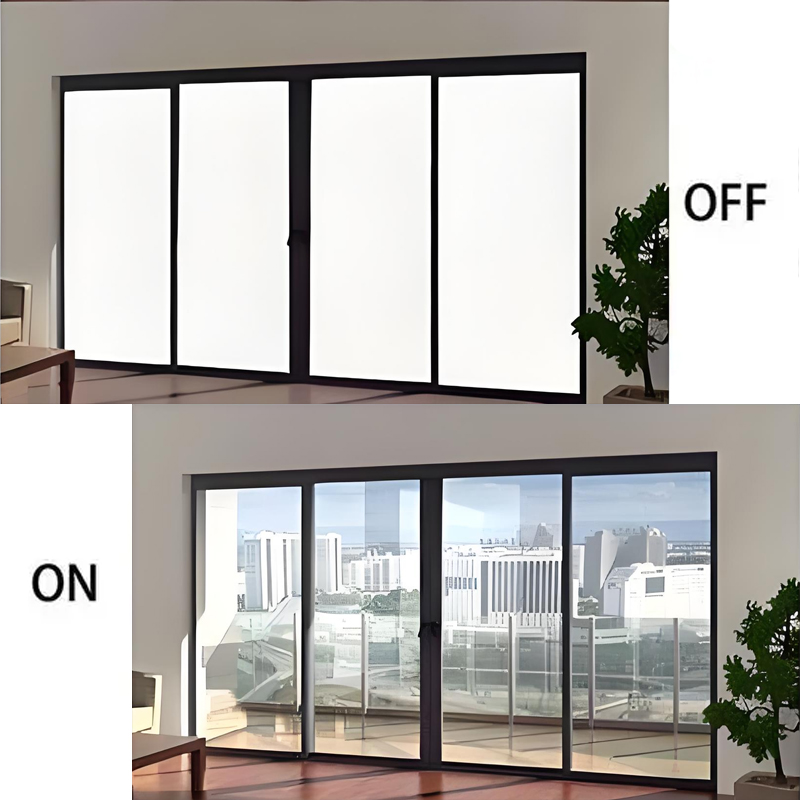
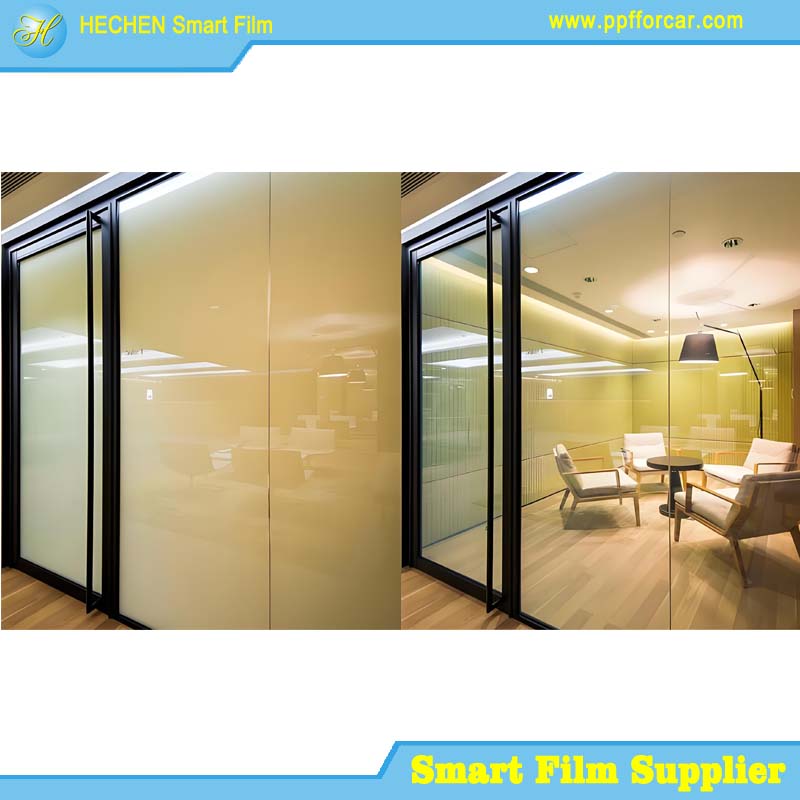
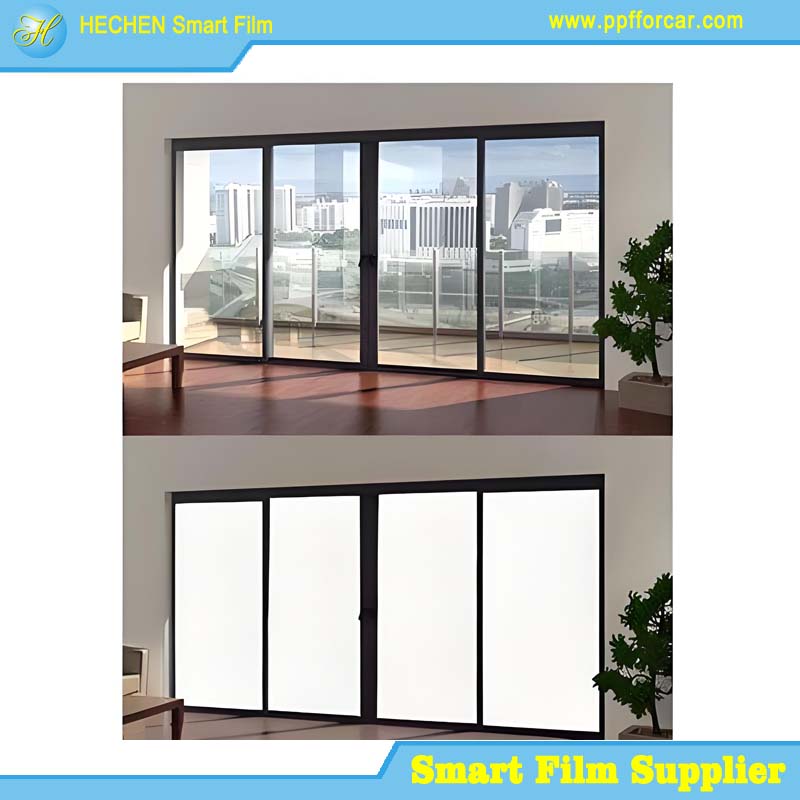
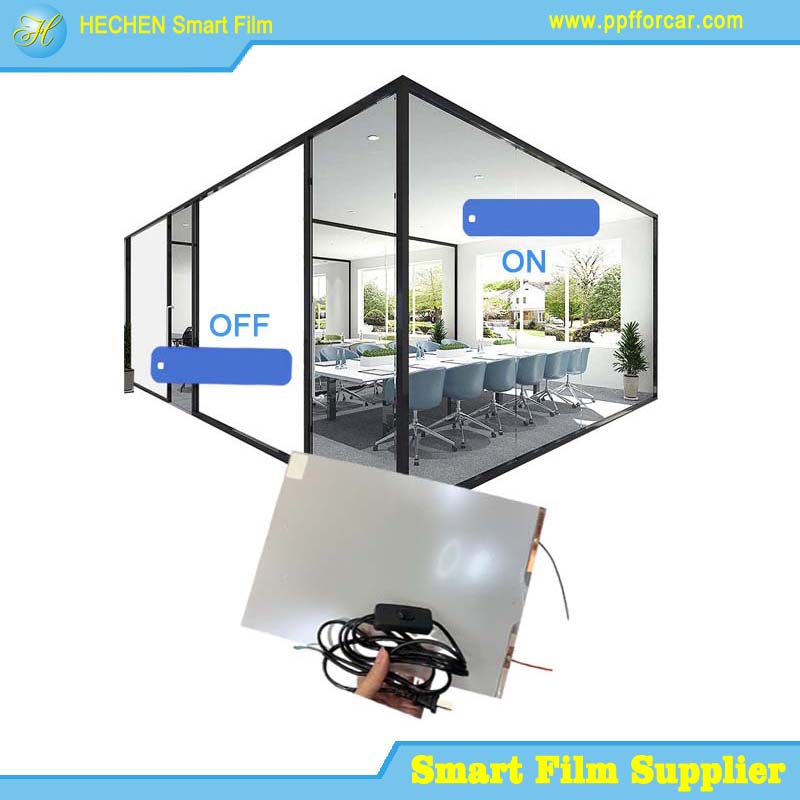
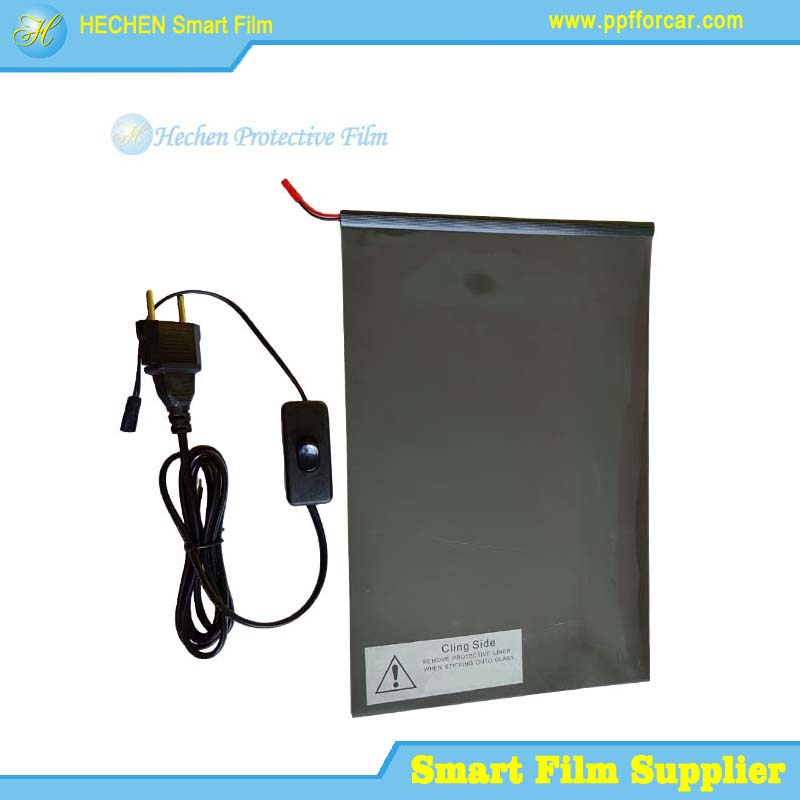
Smart film retrofit refers to the application of a thin, switchable film onto existing glass surfaces to imbue them with dynamic properties. Unlike full window replacements, this approach is minimally invasive, making it ideal for upgrading legacy buildings. The core technology is typically PDLC, which consists of liquid crystal droplets suspended in a polymer matrix. When no electricity is applied, the crystals scatter light, rendering the film opaque or frosted. Applying a low voltage aligns the crystals, allowing light to pass through and making the film transparent.
Other variants include Polymer Network Liquid Crystal (PNLC) for enhanced clarity and Electrochromic Film (ECF) for blackout capabilities, but PDLC dominates due to its cost-effectiveness and versatility. Smart film is self-adhesive, enabling easy application to windows, doors, or partitions without altering the structural integrity of the building. This retrofit capability is particularly valuable in urban areas where historical or leased buildings restrict major modifications. Market data from 2025 indicates that the global smart window film market is projected to grow at a CAGR of 9.6%, reaching over $11 billion by 2032, driven by retrofit demands in commercial sectors. How Smart Film WorksThe mechanics of smart film are rooted in electro-optical principles. The film, usually 0.4-0.5 mm thick, comprises multiple layers: a conductive coating, the PDLC layer, and protective liners. Installation involves peeling off the backing and adhering the film to clean glass. Electrical connections are made via busbars along the edges, linked to a power source (typically 48-110V AC, consuming about 5-7W per square meter when active).
Switching occurs in milliseconds, far faster than electrochromic alternatives which can take minutes. In its opaque state, the film blocks up to 99% of UV rays and reduces glare, while remaining translucent enough for diffused light. Integration with smart systems allows control via remotes, wall switches, or IoT devices like Alexa or Google Home. For retrofits, this means transforming static windows into interactive elements, enhancing functionality without demolition.
Applications in Existing WindowsSmart film retrofits find diverse applications, particularly in office environments where flexibility is key. In commercial buildings, it's applied to conference room windows for instant privacy during meetings, eliminating the need for blinds that collect dust and obstruct views. For instance, in open-plan offices, retrofitting partition walls with smart film creates adaptable spaces—transparent for collaboration, opaque for focus work.Beyond offices, applications extend to healthcare facilities for patient privacy in examination rooms, retail stores for dynamic displays, and residential buildings for energy management in sunrooms or bathrooms. In high-rise buildings, smart film on exterior windows regulates solar heat gain, reducing cooling loads in summer. It's also used in skylights or atriums to control overhead light, preventing glare on workstations. The retrofit nature makes it suitable for historic buildings, where preserving original facades is essential. In automotive and transportation sectors, though less common for windows, similar films are retrofitted to vehicle glass for privacy.
Benefits of Smart Film Retrofit
The advantages of smart film retrofits are multifaceted, addressing energy, comfort, and aesthetic needs. Primarily, it boosts energy efficiency by controlling heat transfer. By switching to opaque during peak sun hours, the film reduces solar heat gain by up to 40%, lowering HVAC usage and energy bills by 10-20% in commercial settings. This aligns with green building standards like LEED, potentially qualifying buildings for tax incentives.
Privacy on demand is another key benefit, especially in offices where open designs can compromise confidentiality. Unlike static frosted glass, smart film offers versatility without permanent changes. It also enhances security by obscuring views from outside while allowing occupants to see out in transparent mode. UV protection prevents fading of interiors, extending the life of furniture and artwork.
Aesthetically, smart film provides a sleek, modern look, free from mechanical parts. It's low-maintenance, with a lifespan exceeding 10 years, and operates silently. For retrofits, the cost savings are significant—typically $70-120 per square foot, much less than replacing windows. In offices, this translates to improved productivity; studies show natural light boosts worker performance by 15%, and smart film optimizes this without glare.
Challenges and Limitations
Despite its promise, smart film retrofits face hurdles. Initial costs, while lower than full smart glass, can deter small-scale projects, especially with professional installation adding 20-30% to expenses. Power requirements, though minimal, necessitate wiring, which can be challenging in retrofits without accessible conduits.
Durability is a concern; improper installation may lead to bubbling or delamination over time, particularly in humid environments. Switching is binary (clear/opaque), lacking the gradual tinting of electrochromic options, which might not suit all solar control needs. In large installations, uniform switching across panes requires precise electrical setup to avoid inconsistencies.
Market challenges include supply chain issues, with China dominating production, potentially causing delays for international projects. Additionally, while energy savings are real, ROI timelines (3-5 years) depend on local energy costs and usage patterns. Regulatory hurdles in historic buildings may require approvals for electrical modifications.Installation ProcessRetrofitting smart film is straightforward but requires expertise. Preparation involves cleaning the glass thoroughly to remove contaminants. The film is cut to size, often using templates for precision. Peeling the liner, the adhesive side is applied, starting from one edge to avoid air bubbles, using squeegees for smooth adhesion.
Electrical busbars are connected, and wiring is routed discreetly—often hidden in frames or ceilings. A transformer converts standard power to the required voltage, and controls are integrated. Testing ensures uniform switching. Professional installers complete small projects in hours, larger ones in days. Post-installation, minimal maintenance like occasional cleaning suffices.
Case Studies: Real-World Implementations
Several case studies illustrate smart film's impact in retrofits. At Healthpeak Properties in Irvine, CA, switchable iSwitch Film was retrofitted to four glass panels in office spaces, keeping the top third transparent. This allowed privacy during sensitive discussions while maintaining an open feel. Installation hid the transformer in the ceiling, and the client praised its seamless integration, considering expansions.
In UPS private offices in New York, 150 sq ft of PriWatt™ Film was applied to existing windows in December 2020, enhancing privacy in a commercial setting. The retrofit transformed static offices into dynamic spaces, boosting usability without structural changes.
Multiple private offices in New Jersey saw 350 sq ft of PriWatt™ Film retrofitted in November 2020, in collaboration with Alderfer Glass. This project highlighted scalability for office buildings, providing on-demand privacy and reducing glare. In healthcare, North York General Hospital in Toronto retrofitted PriWatt™ Glass in February 2021 for patient areas, ensuring privacy compliant with health protocols. These examples demonstrate energy savings, privacy gains, and quick ROI in diverse settings.
Future Prospects
Looking ahead to 2025 and beyond, smart film retrofits are set for exponential growth. Innovations include seamless IoT integration, allowing voice-activated control and AI-optimized switching based on weather or occupancy. Enhanced durability and color options will address current limitations, with R&D focusing on lower power consumption and self-healing materials.
Market trends point to increased adoption in sustainable retrofits, driven by regulations like net-zero mandates. China's role as a supplier will expand, offering competitive, high-quality films. Hybrid films combining PDLC with photovoltaic elements could generate energy, further reducing costs. Challenges like logistics will be mitigated through localized production. Overall, smart film will play a pivotal role in retrofitting billions of square feet of existing glass worldwide, promoting greener buildings.
Conclusion
Smart film retrofit for existing windows represents a smart, sustainable upgrade path for modernizing buildings. By offering energy efficiency, privacy, and adaptability, it addresses key challenges in office and commercial spaces. While costs and installation complexities persist, the benefits—coupled with rapid technological advancements—make it a worthwhile investment. As we move deeper into 2025, embracing this technology will not only enhance building performance but also contribute to a more efficient, comfortable future. With market growth accelerating, now is the time for stakeholders to explore smart film retrofits.
For more about the smart film retrofit for existing windows, you can pay a visit to Hechen PDLC Smart Film Manufacturers for more info.