Integration with Smart Home: Can Smart Film Work with Alexa or Google Home?
The modern smart home is no longer a futuristic concept but a tangible reality, centered on convenience, efficiency, and seamless control. At the heart of this ecosystem are voice assistants like Amazon Alexa and Google Home, which have become the digital conductors of our domestic lives. Meanwhile, a revolutionary product has been transforming our windows and glass partitions: smart film. This leads to an inevitable and compelling question for homeowners and tech enthusiasts alike: Can these two technologies converge? Can smart film be integrated with Alexa or Google Home to create a truly voice-controlled environment?
The resounding answer is yes, but with a crucial caveat: it depends entirely on the specific smart film product and its supporting ecosystem. Let's delve into the mechanics, requirements, and transformative potential of this integration.
Understanding the Players: Smart Film & Voice Assistants
1. What is Smart Film?
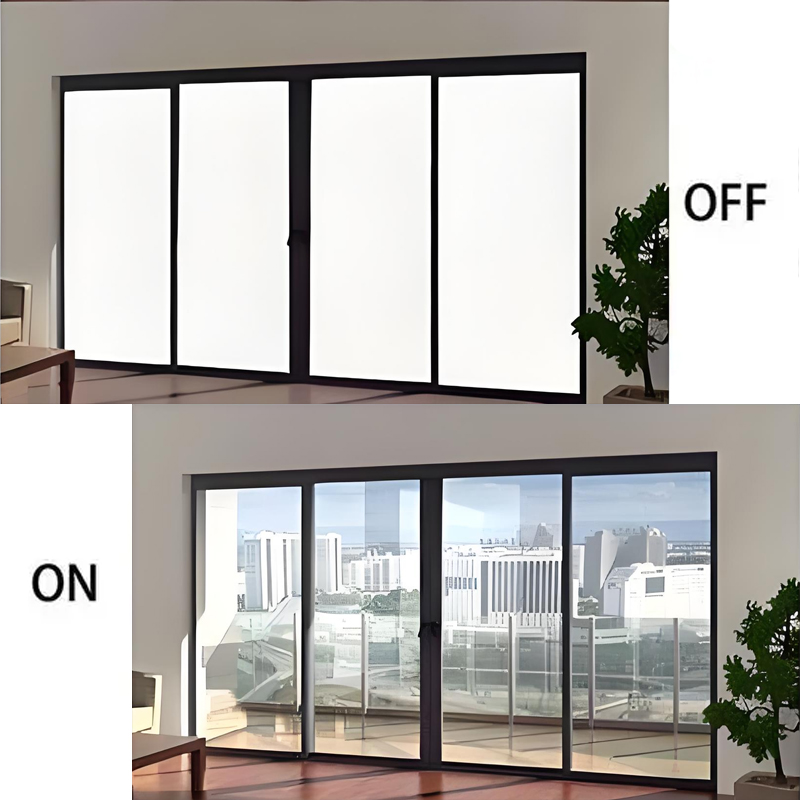
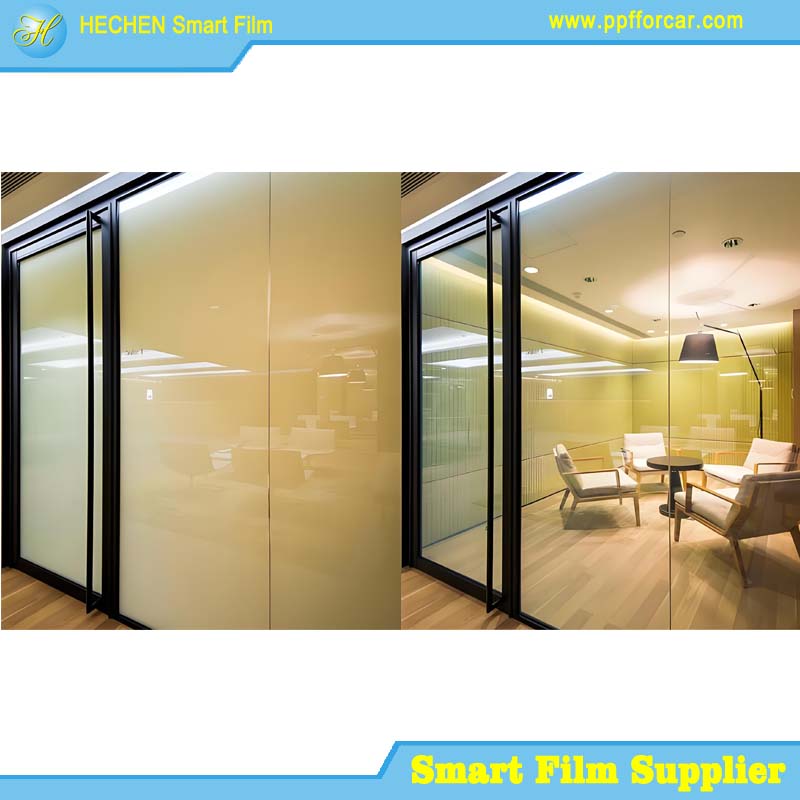
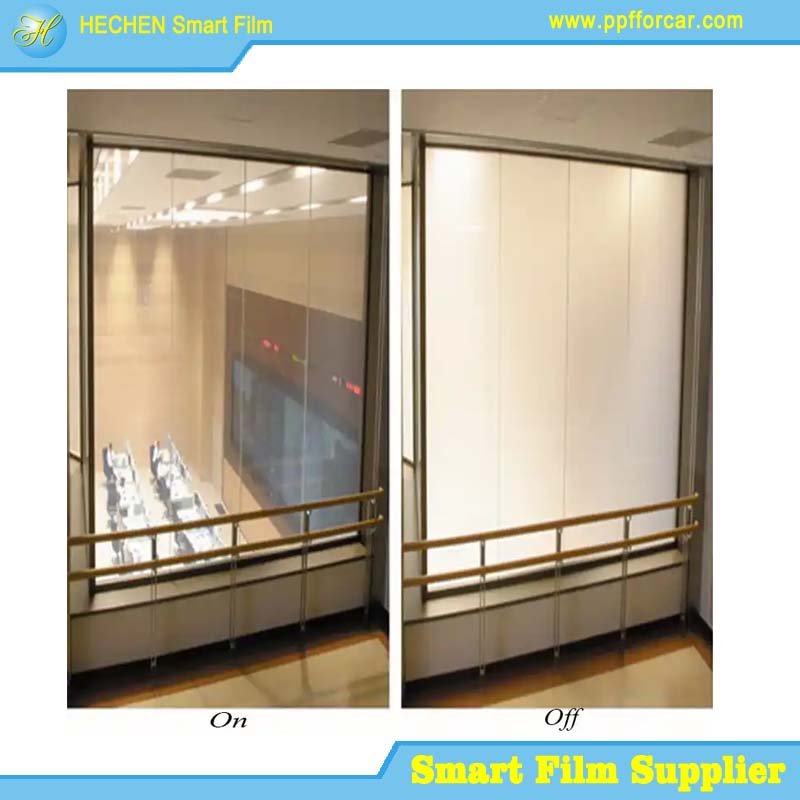
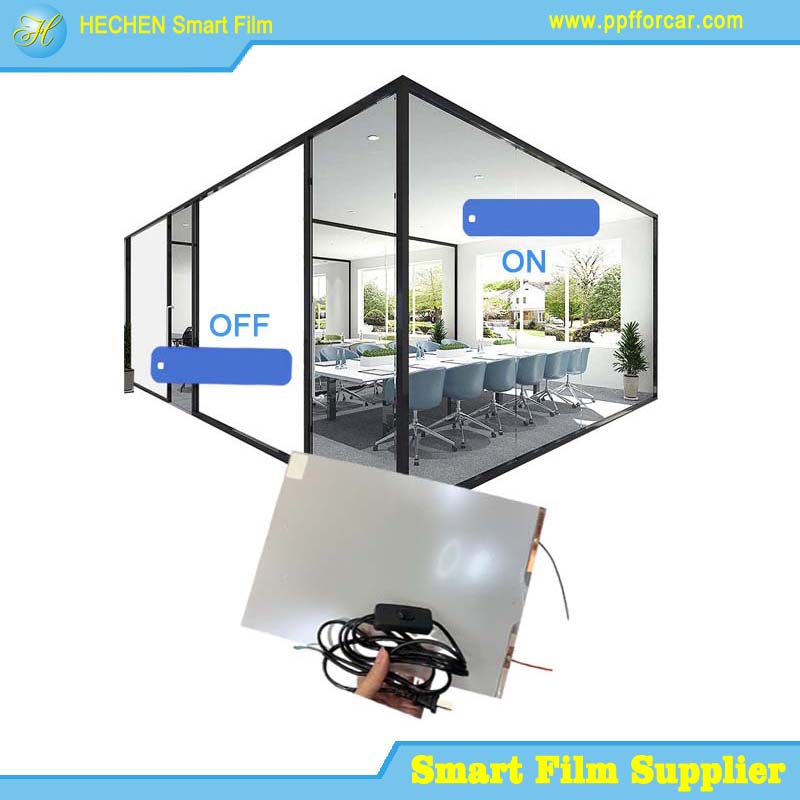
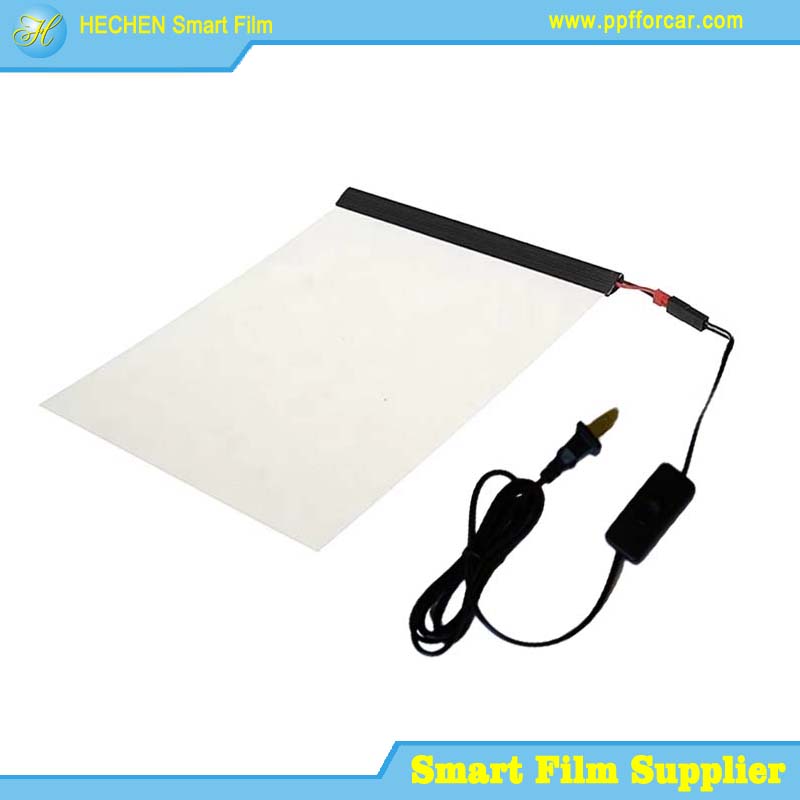
Smart film (also known as PDLC film – Polymer Dispersed Liquid Crystal) is a laminated layer that can be applied to existing glass or integrated into new glass units. At the flick of a switch or tap of an app, it transitions between two states:
Clear: Transparent, allowing normal vision and light passage.
Frosted/Opaque: Scattering light to provide privacy, diffusing glare, and acting as a projection screen.
The magic is controlled by an electrical current. Apply power, the liquid crystal molecules align, and the film becomes clear. Remove power, the molecules scatter, and it turns frosted.
2. The Role of Alexa & Google Home
These platforms are not direct device controllers but orchestration hubs. They process voice commands, interpret intent, and communicate with compatible devices via the cloud or local network using specific protocols and "skills" (Alexa) or "actions" (Google). Their power lies in unifying disparate devices under a single, intuitive voice interface and enabling complex automations.
The Bridge to Integration: How It Works
For smart film to respond to "Alexa, make the bathroom window private," it cannot work in isolation. It requires a connected ecosystem. Here’s the typical pathway:
The Smart Film System: This isn't just the film itself. It's a package that includes:
The PDLC film or glass.
A power supply (driver) to provide the correct voltage.
A control device: This is the critical component. It can be a simple RF remote, a touch switch, or, for smart home integration, a Wi-Fi or Zigbee/Z-Wave enabled smart switch or controller. Brands like SwitchBot, Zemismart, or Aqara offer generic smart switch modules that can be wired to control the film's power supply.
The Communication Protocol: The controller must connect to your home network. Wi-Fi is common, but systems using more robust smart home protocols like Zigbee or Z-Wave require a corresponding hub (e.g., Samsung SmartThings, Hubitat, or a specific brand hub). This hub then connects to your router.
The Platform Link: The controller or its hub must be officially compatible with Alexa or Google Home. This means:
For Alexa: The device manufacturer has developed an "Alexa Skill" that is registered with Amazon. You enable this skill in the Alexa app, link your account, and discover devices.
For Google Home: The device supports the "Google Assistant" integration. You link the service via the Google Home app.
Once this chain is established, your voice command follows this journey:
Your Voice -> Alexa/Google Cloud -> Smart Film Skill/Action -> Manufacturer's Cloud -> Your Home Network -> Smart Controller -> Power Supply -> Smart Film
Step-by-Step: Achieving Integration
If you're considering this setup, here is a practical guide:
Choose the Right Smart Film Product: This is the most critical step. Do not assume all smart film is "smart home" ready. Look for explicit marketing that states "Works with Amazon Alexa" or "Google Assistant compatible." Often, the film is agnostic; the controller is the key. Many suppliers now offer smart film kits with Wi-Fi switches included.
Install the Film and Controller: Professionally or DIY-install the smart film and connect it to its power supply. Then, install and wire the compatible smart switch/controller according to the manufacturer's instructions. For Wi-Fi models, this usually involves plugging it in.
Configure in the Manufacturer's App: Every smart device has its own dedicated app (e.g., Smart Life, Tuya, Zemismart). Use this app to connect the controller to your Wi-Fi, name the device (e.g., "Kitchen Window Film"), and test basic on/off functionality.
Enable the Skill/Action and Discover Devices:
Alexa: Open the Alexa app, go to Skills & Games, search for the skill (e.g., "Smart Life" or the film brand's name), enable it, and link your account. Then run Discover Devices.
Google Home: Open the Google Home app, tap Add, then Set up device, choose Works with Google, find and link the service.
Create Voice Commands and Routines: Once discovered, the smart film will appear as a "switch" or "blind" (often best to categorize it as a "blind" for intuitive commands). You can now say:
"Hey Google, turn on the office privacy film." (Turns it frosted)
"Alexa, set the bedroom window to clear."
You can also create routines: "Alexa, good morning" could open the blinds, turn on lights, brew coffee, and clear all smart film in the house. "Goodnight" could frost the bathroom window for privacy.
Transformative Applications and Benefits
The integration unlocks scenarios far beyond simple novelty:
Ultimate Privacy on Demand: Enter a bathroom and say, "Privacy please," for instant frost. No fumbling for switches.
Dynamic Room Dividers: In open-plan spaces, voice-control a glass partition to frost for a private meeting, then clear for socializing.
Enhanced Home Theater: Integrate with a "Movie Time" scene: lights dim, projector turns on, and the smart film on the window (or as a projection screen) frosts to optimize image quality.
Accessibility: Provides immense independence for individuals with mobility challenges, allowing them to control their environment with voice alone.
Energy Efficiency Synergy: Combine with smart thermostats and light sensors. A routine could frost windows on the sun-facing side during peak afternoon heat to reduce cooling loads, all automated.
Security: Create an "Away" routine that randomly frosts and clears different windows to simulate occupancy.
Challenges and Considerations
Not All Films Are Created Equal: The primary market is still for standalone film with RF remotes. Smart-home-ready systems are a growing niche but require diligent research.
The "On/Off" Conundrum: Most smart controllers are simple switches. This can lead to confusing state tracking. If you turn the film "off" via voice (making it frosted), then use the physical switch to turn it "on" (clear), the app/voice assistant may now show it as "off." It's crucial to understand your system's default state (usually, power loss = frosted).
Reliability on Ecosystem: Your voice control depends on the cloud reliability of both Amazon/Google and the device manufacturer. Local control protocols like Zigbee with a hub can be more reliable.
Installation Complexity: While the film application can be DIY for the handy, wiring the smart controller to the film's power supply requires basic electrical understanding. When in doubt, hire a professional.
Cost: Smart-home-compatible systems with branded controllers and reliable integration are a premium product compared to basic film kits.
The Future: Deeper Integration and Intelligence
The future of this integration is promising. We can anticipate:
Native State Awareness: Devices that report their exact transparency percentage, not just binary on/off.
Conditional Automations: "If the outdoor camera detects someone on the patio after sunset, frost the kitchen window."
Direct Manufacturer Partnerships: Major glass or smart home brands may produce fully integrated, out-of-the-box solutions with seamless voice control.
Matter Protocol Support: The new Matter standard promises to simplify smart home compatibility. Future smart film controllers that are Matter-certified will work effortlessly with Alexa, Google Home, Apple HomeKit, and others simultaneously, without needing custom skills.
Conclusion
So, can smart film work with Alexa and Google Home? Absolutely. The technology exists and is readily available, transforming a clever glazing product into an intelligent, interactive component of the smart home. However, success hinges on selecting the right product—one that incorporates or is compatible with a smart controller designed for these platforms.
The integration is more than a party trick; it represents a step towards truly adaptive and responsive living spaces. By giving voice command to our windows, we move closer to a home that doesn't just shelter us but interacts with us, balancing our needs for light, privacy, and comfort with effortless grace. As with any smart home venture, the key is research, understanding the ecosystem, and building your connected environment one intentional, voice-commandable layer at a time. The clear future of smart film is, indeed, intelligently integrated.
For more about the integration with smart home: can smart film work with alexa or google home, you can pay a visit to Hechen PDLC Smart Film Manufacturers for more info.