Just One PDLC Film Can Realize the Three-in-One Effect of Projection Screen,Privacy Glass,Sunlight
In the ever-evolving world of smart technology, Polymer Dispersed Liquid Crystal (PDLC) film stands out as a revolutionary material that seamlessly integrates multiple functionalities into a single solution. This innovative film can transform any glass surface into a dynamic platform that serves as a projection screen, privacy glass, and daylighting tool—all at the flick of a switch. By leveraging PDLC technology, architects, interior designers, automotive engineers, and homeowners can achieve unparalleled flexibility in controlling light, privacy, and visual displays without the need for multiple systems or cumbersome installations.
The three-in-one effect of PDLC film addresses modern demands for multifunctional spaces, energy efficiency, and aesthetic versatility. As a projection screen, it delivers high-contrast visuals for presentations or entertainment. As privacy glass, it switches from transparent to opaque, offering instant seclusion. As a daylighting tool, it manages natural light to reduce glare and heat while maintaining illumination. This article explores how PDLC film achieves these capabilities, delving into its technology, applications, benefits, and future potential across residential, commercial, and automotive sectors. Drawing on insights from industry sources, we’ll uncover why PDLC film is becoming a game-changer in smart glass solutions.
Understanding PDLC Film Technology
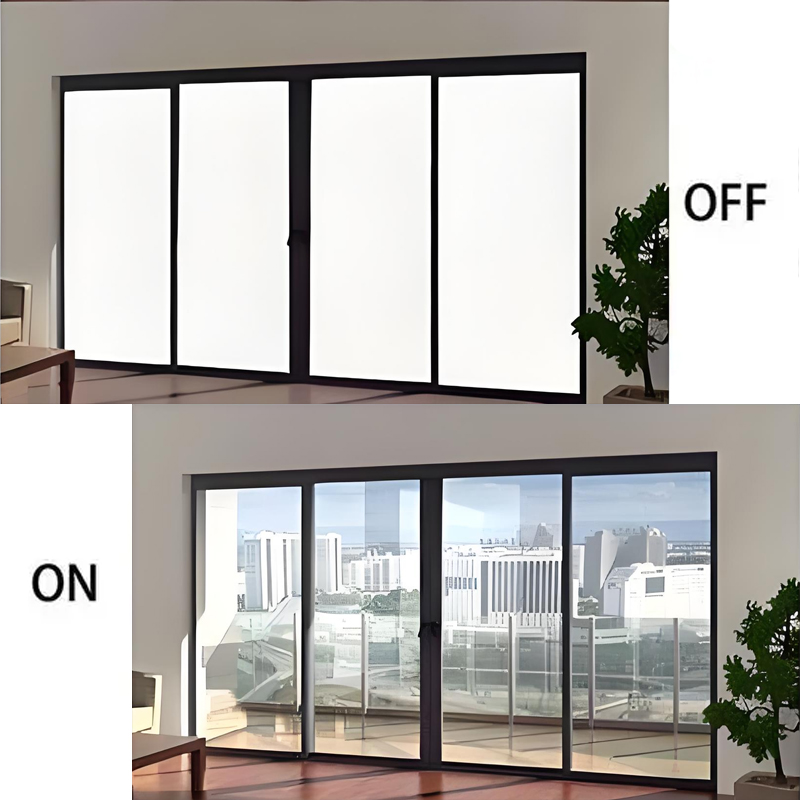
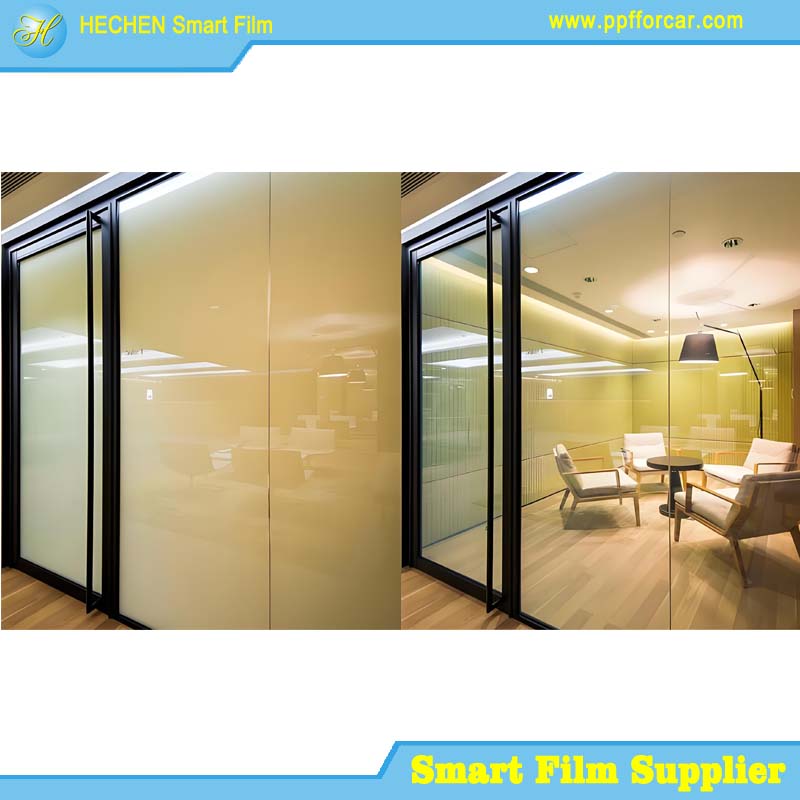
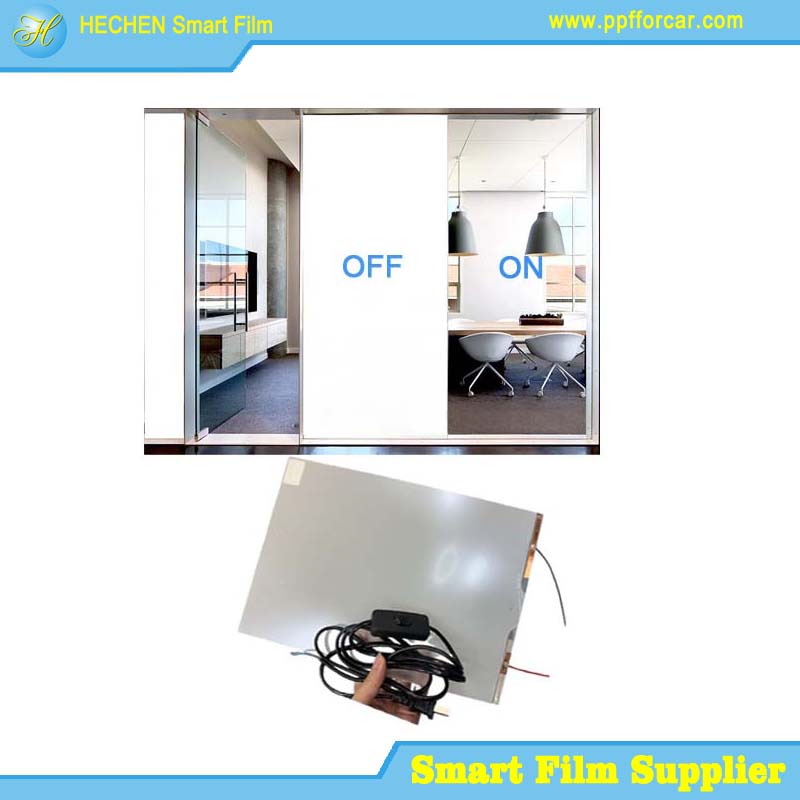
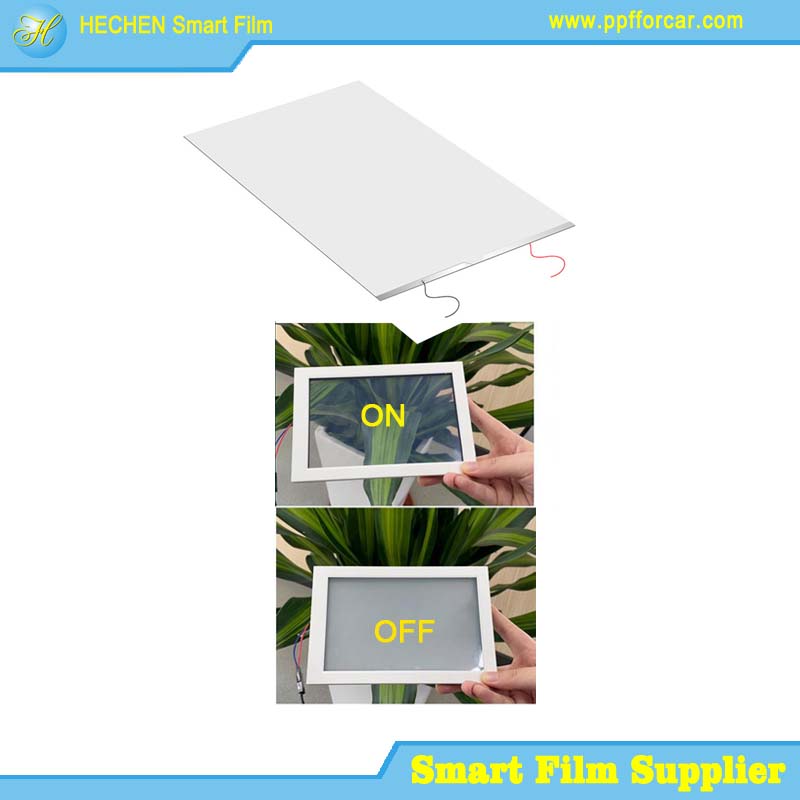
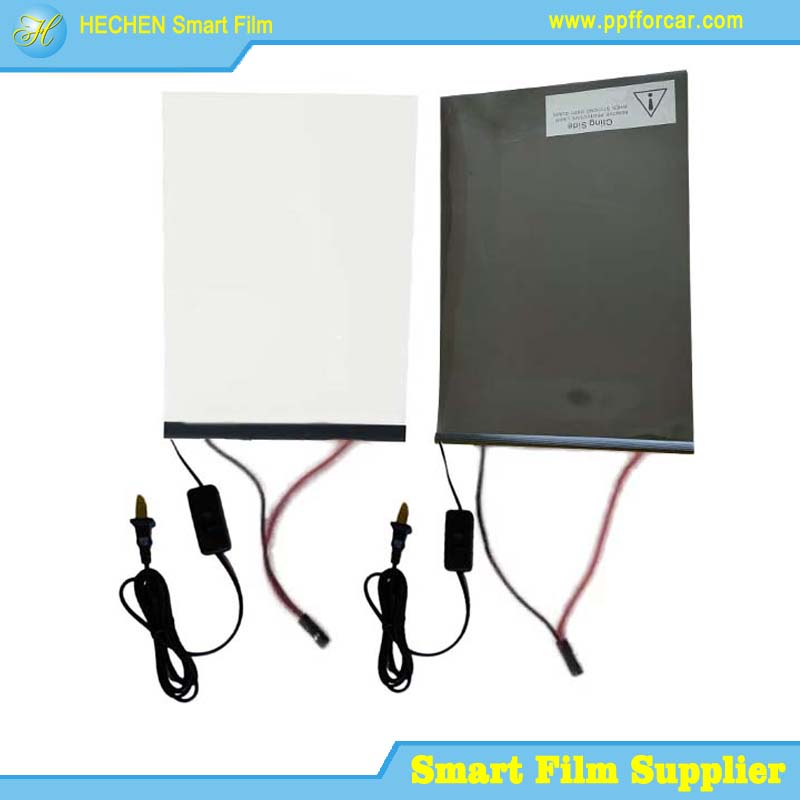
PDLC film, or Polymer Dispersed Liquid Crystal film, is a cutting-edge material that combines liquid crystal molecules with a polymer matrix, sandwiched between two layers of conductive Indium Tin Oxide (ITO) film. This structure enables the film to switch between transparent and opaque states when an electric current is applied. In its default (off) state, the liquid crystals are randomly oriented, scattering light and rendering the film opaque or frosted. When powered on, the crystals align, allowing light to pass through and making the film transparent. This transition occurs in less than 0.1 seconds, offering instant control.
The film is typically applied to glass surfaces in two forms: self-adhesive PDLC film, which can be retrofitted onto existing glass, or non-adhesive film laminated between glass panes during manufacturing. Self-adhesive versions are particularly popular for their ease of installation, requiring no structural changes to windows or partitions. The technology operates on low voltage, consuming approximately 3–5 watts per square meter, making it energy-efficient.
PDLC film’s versatility stems from its ability to manipulate light transmission, block harmful UV and infrared rays, and serve as a high-quality projection surface. Its durability, with a lifespan of up to 20 years indoors and 5–15 years outdoors with protective coatings, further enhances its appeal. These properties make PDLC film an ideal candidate for achieving the three-in-one effect of projection, privacy, and daylighting.
PDLC Film as a Projection Screen
One of the standout features of PDLC film is its ability to function as a high-contrast rear-projection screen when in its opaque state. This capability transforms ordinary glass surfaces into dynamic display platforms suitable for presentations, home entertainment, or advertising. Unlike traditional projection screens, PDLC film eliminates the need for bulky equipment, offering a sleek, integrated solution.
When powered off, the film’s frosted appearance provides an excellent surface for rear projection, delivering vivid, high-definition images. For example, in retail settings, stores like Harrods have used PDLC film for window displays, projecting advertisements that attract customers while maintaining an unobstructed view when transparent. In conference rooms, the film can serve as a multimedia screen, displaying slideshows or videos with clarity, and can even be paired with infrared touch frames to create interactive touchscreens.
The projection quality is enhanced by the film’s high contrast and wide viewing angles (up to 150 degrees), making it ideal for group settings. For instance, a PDLC glass partition in an office can switch to opaque mode during a meeting to display a presentation, then revert to transparent to restore an open workspace. This multifunctionality reduces the need for separate screens or whiteboards, saving space and costs. Additionally, the film’s ability to display 3D stereoscopic images adds a futuristic dimension to applications in shopping malls or museums.
PDLC Film as Privacy Glass
Privacy is a critical concern in both residential and commercial spaces, and PDLC film excels as a switchable privacy solution. By toggling between transparent and opaque states, it offers on-demand control, eliminating the need for traditional blinds, curtains, or shutters that collect dust and require maintenance.
In its opaque state, PDLC film acts as a frosted barrier, blocking visibility while still allowing natural light to filter through. This makes it perfect for applications like office partitions, bathroom enclosures, or hospital rooms, where privacy is essential but light is desirable. For example, in healthcare settings, PDLC glass is used in ICU doors and clinic partitions, providing instant seclusion for patients while maintaining a clean, modern aesthetic. In residential settings, it enhances spaces like shower enclosures or home offices, offering privacy without sacrificing natural illumination.
The film’s ability to switch states via multiple control methods—remote control, wall switches, smartphone apps, or voice commands—adds convenience and integration with smart home systems. Additionally, PDLC film enhances security by preventing glass fragments from scattering upon impact, making it a safer alternative to standard glass. Its sound insulation properties, blocking up to 20% more noise than regular glass, further enhance privacy in noisy environments like offices or urban homes.
PDLC Film as a Daylighting Tool
Daylighting—the use of natural light to illuminate interiors—reduces energy consumption and improves occupant well-being. PDLC film serves as an advanced daylighting tool by dynamically controlling light transmission, glare, and heat, creating comfortable and energy-efficient spaces.
In its translucent state, PDLC film scatters sunlight, reducing glare by up to 50% while maintaining even illumination across a room. This diffuse light minimizes harsh shadows, making it ideal for offices, classrooms, or homes where glare can cause discomfort. The film also blocks over 99% of harmful UV rays and up to 90% of infrared (IR) rays, protecting furniture from fading and occupants from UV-related health risks.
By switching to opaque mode during peak sunlight hours, PDLC film reduces solar heat gain, lowering indoor temperatures by up to 15°C and decreasing reliance on air conditioning. This can lead to significant energy savings, as cooling systems consume less power. For example, Gauzy’s Solar LCG® PDLC film reflects IR light, making interiors cooler and more sustainable. In transparent mode, the film allows maximum light penetration, enhancing visibility and maintaining a connection with the outdoors.
This dynamic control makes PDLC film a superior alternative to static window treatments. Unlike blinds, which either block light entirely or allow full transmission, PDLC film offers granular control, balancing light and heat for optimal comfort. Its low power consumption (0.005 kW/m²/hour in transparent mode) ensures energy efficiency, aligning with green building standards.
Applications Across Industries
The versatility of PDLC film makes it applicable across a wide range of sectors, each leveraging its three-in-one functionality to address specific needs.
l Residential Applications
In homes, PDLC film transforms windows, skylights, and partitions into multifunctional surfaces. Homeowners can use it for privacy in bathrooms or bedrooms, create home theater screens in living rooms, or manage daylight in conservatories. The film’s ability to integrate with smart home systems allows for voice or app control, enhancing user convenience. For example, a PDLC film on a bedroom window can switch to opaque at night for privacy and revert to transparent during the day for natural light.
l Commercial and Office Settings
Offices benefit from PDLC film’s ability to create flexible, open-plan environments. Glass partitions with PDLC film can switch to opaque for private meetings or serve as projection screens for presentations. The film’s sound insulation properties create quieter workspaces, while its daylighting capabilities reduce energy costs. Retail stores use PDLC film for interactive window displays, combining advertising with privacy.
l Automotive Industry
In vehicles, PDLC film enhances privacy, aesthetics, and energy efficiency. Applied to car windows, it allows drivers to switch between transparent and opaque states, reducing glare and heat while maintaining privacy. For instance, Ghost Glass™ PDLC film is used in automotive kits to create a luxurious, customizable experience. It also supports projection for heads-up displays, integrating navigation or entertainment directly onto windows.
l Healthcare and Hospitality
Hospitals use PDLC film for patient privacy in wards or operating rooms, maintaining hygiene by eliminating fabric curtains. In hotels, it adds a touch of luxury to bathrooms and conference spaces, offering guests control over privacy and ambiance.
l Other Applications
PDLC film is also used in museums, banks, and transportation (e.g., aircraft and trains) for privacy, security, and projection. Its ability to create curved or custom-shaped displays expands its use in creative installations.
Benefits and Advantages
The three-in-one functionality of PDLC film offers numerous benefits:
· Space Efficiency: Eliminates the need for separate projection screens, blinds, or shading systems, maximizing usable space.
· Energy Savings: Reduces HVAC and lighting costs by controlling heat and light transmission.
· Aesthetic Appeal: Provides a sleek, modern look, enhancing interior and exterior designs.
· Safety and Security: Laminated PDLC glass prevents shattering, and opaque modes enhance privacy.
· Environmental Impact: Blocks UV and IR rays, protecting interiors and reducing energy consumption.
· Ease of Installation: Self-adhesive films can be retrofitted without replacing glass, reducing costs and downtime.
· Customizability: Available in various colors (white, grey, black, etc.) and sizes, with options for touch and projection integration.
These advantages make PDLC film a cost-effective, sustainable solution for modern spaces.
Challenges and Considerations
Despite its benefits, PDLC film has some limitations. It is not suitable for complete light blackout, as it allows some light diffusion even in opaque mode. Outdoor applications require protective coatings to extend lifespan, as exposure to weather can reduce durability to around 5 years compared to 15–20 years indoors. Installation in humid environments, like bathrooms, requires proper sealing to prevent moisture damage.
Cost is another consideration, as PDLC film and glass are more expensive than traditional glass, with prices varying based on size and complexity. However, long-term energy savings and reduced maintenance costs often offset the initial investment. Proper maintenance, such as cleaning with non-abrasive materials, is essential to preserve the film’s functionality.
Future Trends and Innovations
The future of PDLC film is promising, with ongoing advancements enhancing its capabilities. Innovations like 3G Switchable Film by Scienstry address issues like high haze and UV instability, offering clearer transparency and lower driving voltages (20V). Integration with 5G and IoT technologies will enable smarter control systems, while developments in photochromic and electrochromic films may add further functionality, such as automatic tinting based on light levels.
In automotive applications, PDLC film is expected to play a larger role in autonomous vehicles, supporting heads-up displays and dynamic privacy solutions. The market for smart glass is projected to grow significantly by 2030, driven by demand for sustainable and multifunctional materials.
Conclusion
PDLC film redefines the possibilities of glass surfaces by combining the functions of a projection screen, privacy glass, and daylighting tool into a single, versatile solution. Its ability to switch between transparent and opaque states, block UV and IR rays, and serve as a high-quality display makes it a transformative technology for residential, commercial, and automotive applications. With low power consumption, easy installation, and a sleek aesthetic, PDLC film meets the demands of modern design and sustainability. As innovations continue to enhance its performance, PDLC film is poised to shape the future of smart spaces, offering a seamless blend of functionality, comfort, and style.
For more about just one PDLC film can realize the three-in-one effect of projection screen, privacy glass, sunlight, you can pay a visit to Hechen PDLC Smart Film Manufacturers for more info.