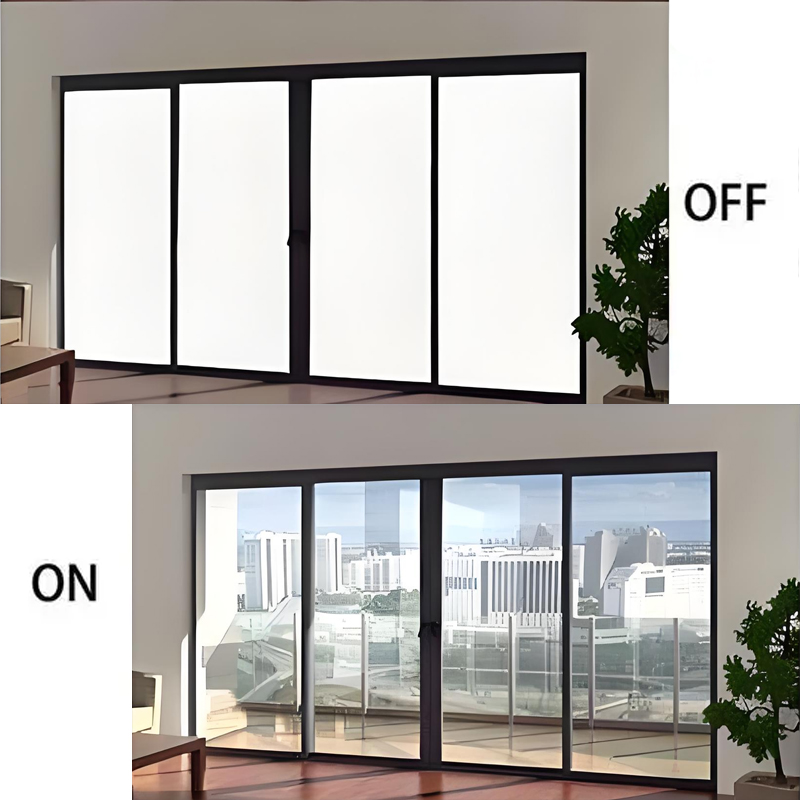
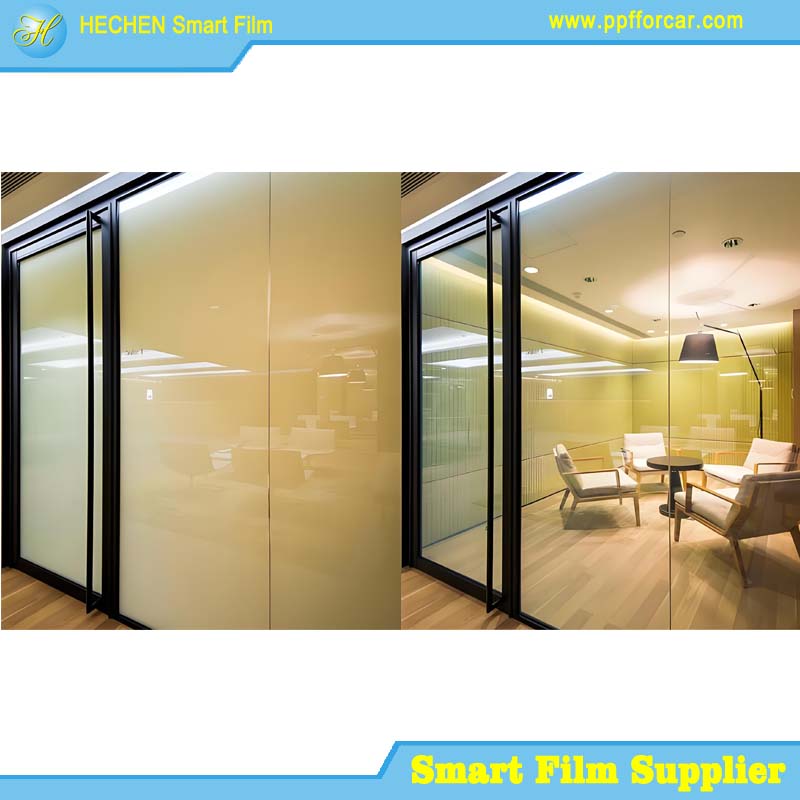
PDLC Film Is the Hottest "Light and Shadow Magic" Right Now?
In a world where technology seamlessly blends with aesthetics, the ability to manipulate light and shadow in our living and working spaces has become the ultimate form of modern magic. Imagine a glass wall that shifts from crystal-clear transparency to a frosted veil in an instant, controlling privacy, light, and ambiance with the flick of a switch or a tap on your smartphone. This is no illusion—it’s the reality of PDLC film, a revolutionary innovation that's redefining how we interact with glass surfaces in homes, offices, and beyond. Polymer Dispersed Liquid Crystal (PDLC) film is the hottest trend in what can only be described as "light and shadow magic," offering a dynamic, cost-effective, and stylish alternative to traditional window treatments and static architectural designs.
Gone are the days of bulky curtains, cumbersome blinds, or permanent frosted glass that limit flexibility. PDLC film allows ordinary glass to transform into smart, switchable surfaces that toggle between transparent and opaque states, creating a mesmerizing interplay of light and privacy. This technology is not just about functionality; it’s about elevating spaces with a futuristic flair that captivates homeowners, designers, and business owners alike. From creating private sanctuaries in bustling offices to adding a touch of elegance to residential interiors, PDLC film is stealing the spotlight as the go-to solution for modern design challenges.
This article explores why PDLC film is the hottest trend in light and shadow manipulation, diving into its science, benefits, applications, and the transformative impact it’s having across industries. By the end, you’ll understand why this "light and shadow magic" is more than a passing fad—it’s a game-changer that’s here to stay.
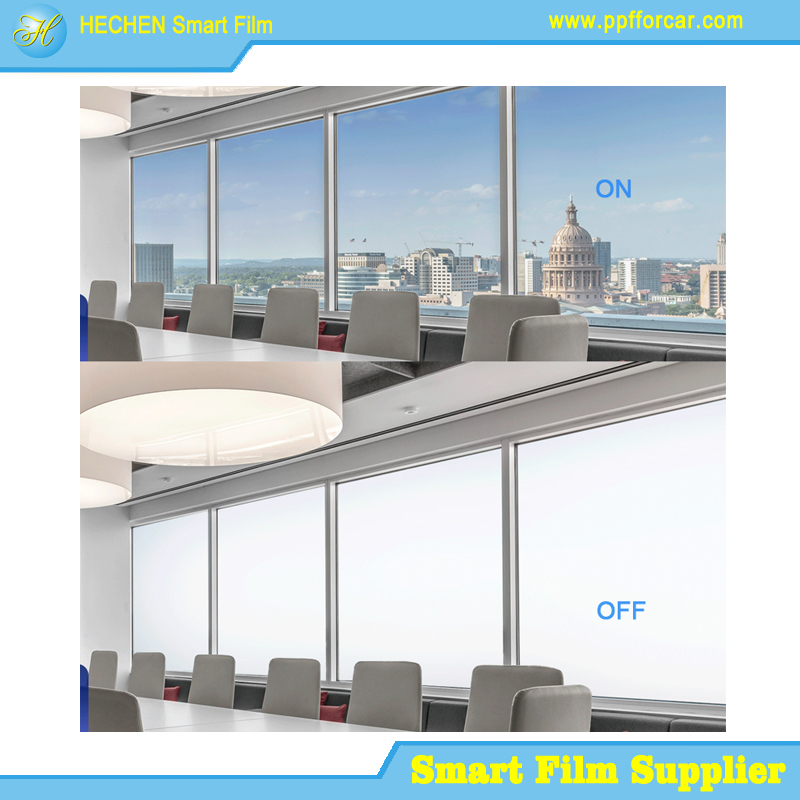
The Science Behind the Magic
At the heart of PDLC film’s wizardry lies a fascinating blend of chemistry and physics. PDLC stands for Polymer Dispersed Liquid Crystal, a technology where liquid crystals are suspended in tiny droplets within a polymer matrix, sandwiched between two thin, conductive layers (often made of indium tin oxide, or ITO). This film, typically 0.3-0.5 millimeters thick, is applied to glass surfaces, transforming them into dynamic, switchable panels.
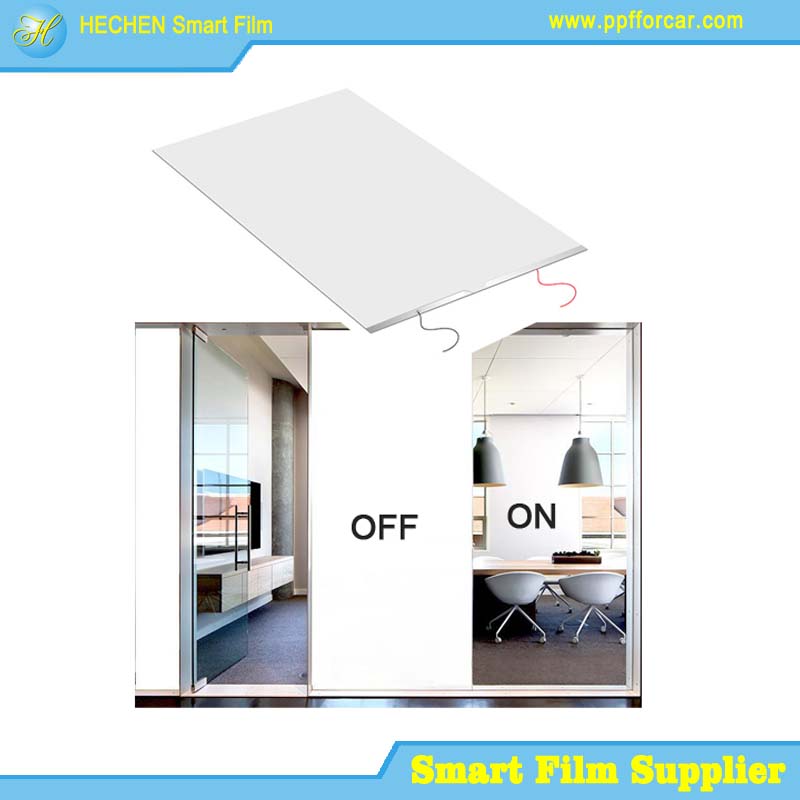
Without electricity, the liquid crystals are randomly oriented, scattering incoming light and giving the glass an opaque, frosted appearance that blocks visibility while allowing diffused light to pass through. This creates a soft, ambient glow, perfect for maintaining brightness without sacrificing privacy. When a low-voltage current (typically 24-110 volts AC) is applied, the crystals align parallel to the electric field, matching the refractive indices of the polymer and crystals, resulting in near-perfect transparency. The switch happens in milliseconds—faster than the blink of an eye—making it feel like a magical transformation.
This ability to control light and shadow on demand is what makes PDLC film so enchanting. Unlike static frosted glass or mechanical shades, it offers instant adaptability without moving parts, delivering a sleek, modern aesthetic. Advanced PDLC films can even adjust opacity levels, allowing partial translucency for customized light effects. Some versions incorporate infrared-blocking properties to reduce heat gain, enhancing energy efficiency, while others offer colored tints for artistic flair. It’s this versatility that positions PDLC as the pinnacle of light and shadow manipulation in contemporary design.
Why PDLC Film is the Hottest Trend
The appeal of PDLC film lies in its perfect balance of form, function, and affordability. Here’s why it’s capturing the imagination of designers and consumers:
1. Instant Ambiance Control: PDLC film lets users sculpt light and shadow to suit any mood or purpose. Want an open, airy office for collaboration? Keep it transparent. Need a private meeting space? Switch to opaque. This flexibility transforms spaces without physical alterations.
2. Aesthetic Elegance: Unlike curtains or blinds, which can look dated or collect dust, PDLC film maintains a clean, minimalist look. When clear, it’s indistinguishable from regular glass; when opaque, it offers a chic, frosted finish that complements modern interiors.
3. Energy Efficiency: By controlling light and heat, PDLC film reduces reliance on artificial lighting and air conditioning. It blocks up to 99% of UV rays and can cut infrared heat gain, potentially lowering energy bills by 10-20% in treated spaces.
4. Cost-Effective Retrofits: Installing PDLC film on existing glass is far cheaper than replacing windows with smart glass or undertaking structural renovations. Costs range from $25-70 per square foot, compared to $500+ for pre-fabricated smart glass panels. This affordability makes it accessible for homeowners and small businesses.
5. Sustainability: PDLC film supports eco-friendly design by upgrading existing glass, reducing the need for new materials and minimizing construction waste. Its low power consumption—less than 5 watts per square meter when active—further enhances its green credentials.
6. Safety and Durability: The film adds shatter resistance to glass, holding fragments together if broken, and its UV-blocking properties protect interiors from fading. With a lifespan of 10-20 years and minimal maintenance, it’s built to last.
7. Smart Integration: PDLC film syncs with smart home systems, allowing control via apps, voice assistants, or sensors. Imagine windows that automatically frost at dusk or clear at sunrise, enhancing both convenience and ambiance.
These features make PDLC film not just a functional tool but a statement piece that elevates spaces with a touch of technological sorcery.
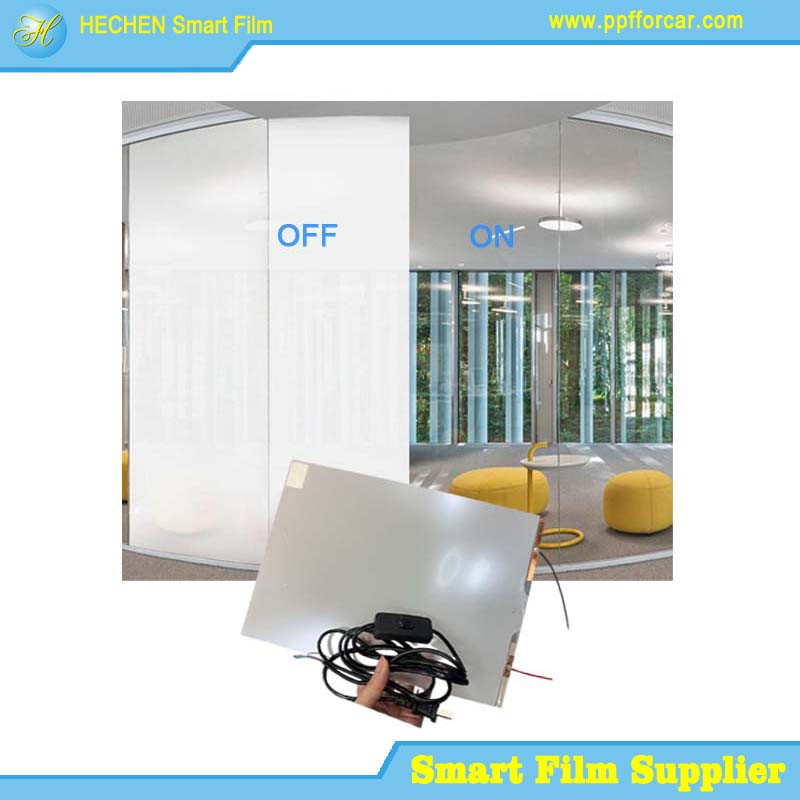
Applications: Where the Magic Happens
The versatility of PDLC film makes it a star in diverse settings, each showcasing its ability to manipulate light and shadow creatively:
· Residential Spaces: In homes, PDLC film transforms windows, shower enclosures, and room dividers. Bathroom windows can switch to opaque for privacy without sacrificing natural light, while living room partitions create flexible spaces for entertaining or quiet retreats. Interior designers use it to add drama, like frosting a dining room partition to hide kitchen clutter during parties.
· Corporate Environments: Open-plan offices benefit immensely from PDLC film on glass walls. It allows for transparent collaboration spaces that can turn private for confidential meetings, boosting productivity and focus. It’s also used as a projection screen for presentations, merging functionality with innovation.
· Hospitality and Retail: Hotels use PDLC film in suites to offer guests control over balcony views or room dividers, enhancing luxury and privacy. Retail stores apply it to storefronts, creating dynamic displays that reveal products on command, captivating passersby with a touch of magic.
· Healthcare: In hospitals, PDLC film provides hygienic privacy for patient rooms, replacing curtains that can harbor germs. It allows staff to monitor patients through clear glass or ensure dignity with opacity.
· Education and Museums: Schools use PDLC to create adaptable classrooms that switch between open lectures and private study areas. Museums employ it for interactive exhibits, protecting artifacts while allowing controlled viewing.
· Automotive and More: While primarily indoor, PDLC film is also used in car sunroofs or yacht windows, adding privacy and glare control. Its adaptability makes it a favorite for creative installations, like art galleries where light levels need precise control.
These applications highlight how PDLC film’s light and shadow magic transforms spaces into dynamic, responsive environments that cater to modern needs.
Installation: Bringing the Magic to Life
One of PDLC film’s most appealing aspects is its ease of installation, making it accessible for both DIY enthusiasts and professionals. The process is akin to applying high-quality window tint, requiring minimal tools and time.
1. Preparation: Clean the glass thoroughly with isopropyl alcohol to remove dust and oils. Measure and cut the film to size, leaving a small margin for adjustments.
2. Application: Peel the film’s backing and spray both the adhesive side and the glass with a soapy water solution to allow repositioning. Apply from top to bottom, using a squeegee to remove air bubbles and excess liquid.
3. Electrical Setup: Attach busbars (conductive strips) to the film’s edges and connect to a low-voltage transformer, which plugs into a standard outlet. Control options include wall switches, remotes, or smart home integrations.
4. Finishing: Trim excess film and seal edges if needed. The entire process can take less than an hour per panel, with no need for heavy equipment or structural changes.
Maintenance is equally simple: clean with a soft cloth and mild detergent, avoiding abrasives. With proper care, PDLC film remains vibrant for up to 20 years. For larger projects, professional installers ensure precision, but the DIY-friendly nature keeps costs low.
Cost and Value: Magic That Pays Off
PDLC film’s affordability is a key reason it’s the hottest trend. At $25-70 per square foot, it’s a fraction of the cost of pre-fabricated smart glass ($500+ per square foot) or architectural renovations, which can run into tens of thousands. A 100-square-foot glass wall upgrade might cost $2,500-$7,000, compared to $20,000+ for rebuilding or replacing with smart glass.
Beyond initial savings, PDLC film delivers long-term value through energy efficiency, reduced maintenance (no curtains to clean), and increased property appeal. In commercial settings, it minimizes downtime during installation, preserving business operations. Its sustainability—reducing waste and carbon emissions—also aligns with green building incentives, potentially offsetting costs further.
Real-World Magic in Action
Case studies illustrate PDLC’s transformative power. A Chicago office retrofitted with PDLC film saved $25,000 over rebuilding partitions, enhancing employee satisfaction with flexible spaces. A Miami hotel used it in guest rooms, boosting bookings with its high-tech allure. Homeowners in Seattle reported 12% energy savings and rave reviews for the “cool factor” of their PDLC-treated windows.
The Future of Light and Shadow Magic
As smart homes and adaptive architecture gain traction, PDLC film is poised to lead the charge. Innovations like self-tinting PDLC with solar power integration or patterns for branding are on the horizon. Its ability to blend technology with beauty ensures it remains the hottest trend in light and shadow manipulation.
Conclusion
PDLC film is the ultimate "light and shadow magic," offering instant control, stunning aesthetics, and unmatched practicality. Whether you’re a homeowner seeking elegance or a business aiming for efficiency, PDLC delivers a spellbinding solution that’s transforming spaces worldwide. Embrace the magic—it’s here to stay.
For more about the PDLC film is the hottest "Light and Shadow Magic" right now, you can pay a visit to Hechen PDLC Smart Film Manufacturers for more info.