PDLC Smart Film Controllers: Wifi, DMX and Remote Control Options Compared
Introduction: The Brain Behind the Magic
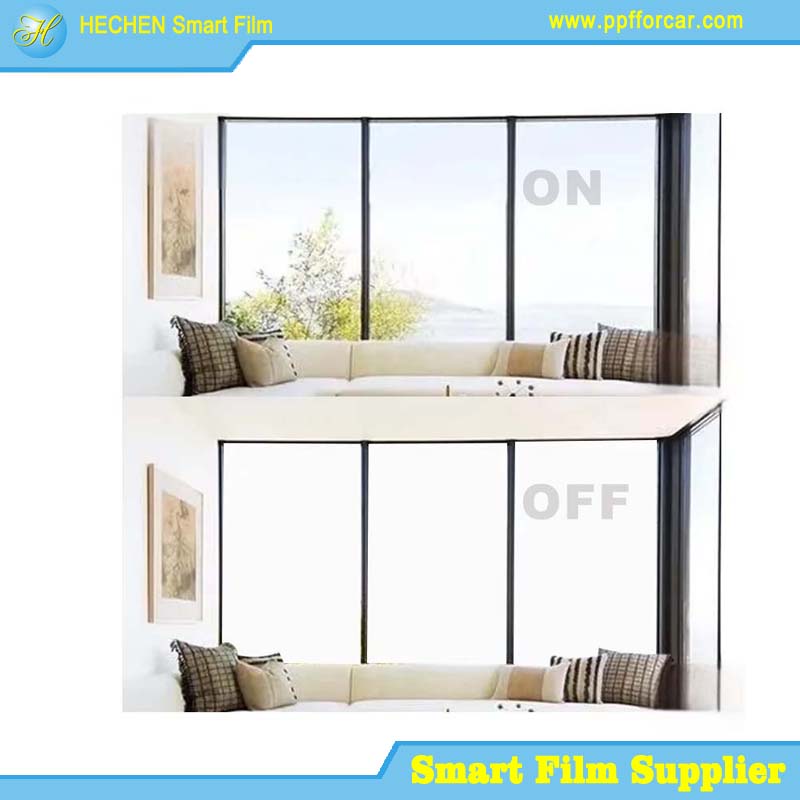
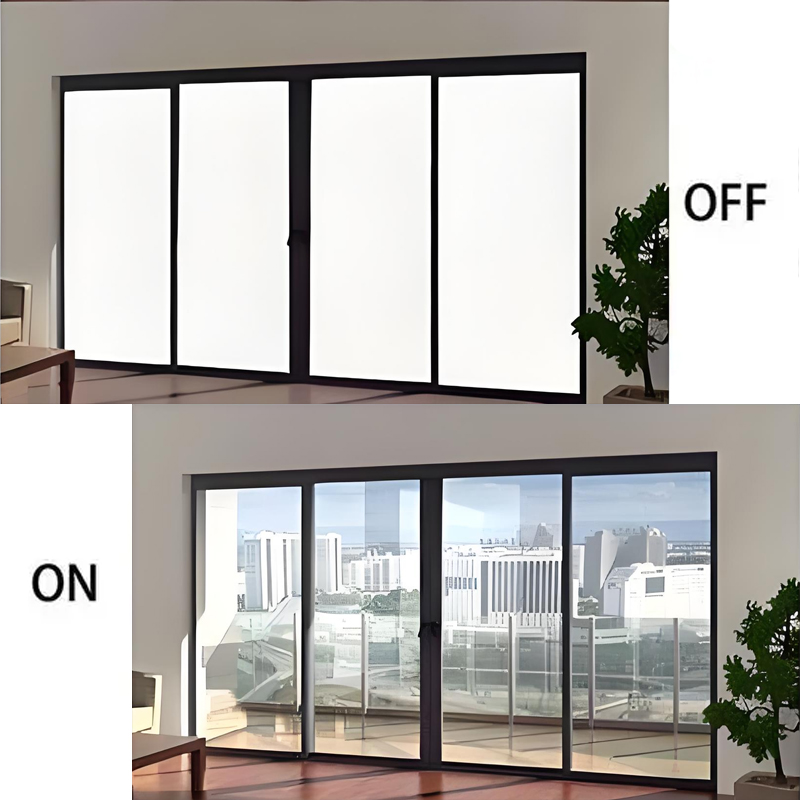
Imagine a window that transforms from crystal clear to fully opaque at the touch of a button. This is the magic of Polymer Dispersed Liquid Crystal (PDLC) smart film, a technology revolutionizing interior design, architecture, and privacy solutions. However, the film itself is only half the story. Its transformative ability—the very essence of its "smart" label—is entirely dependent on a crucial, yet often overlooked, component: the controller.
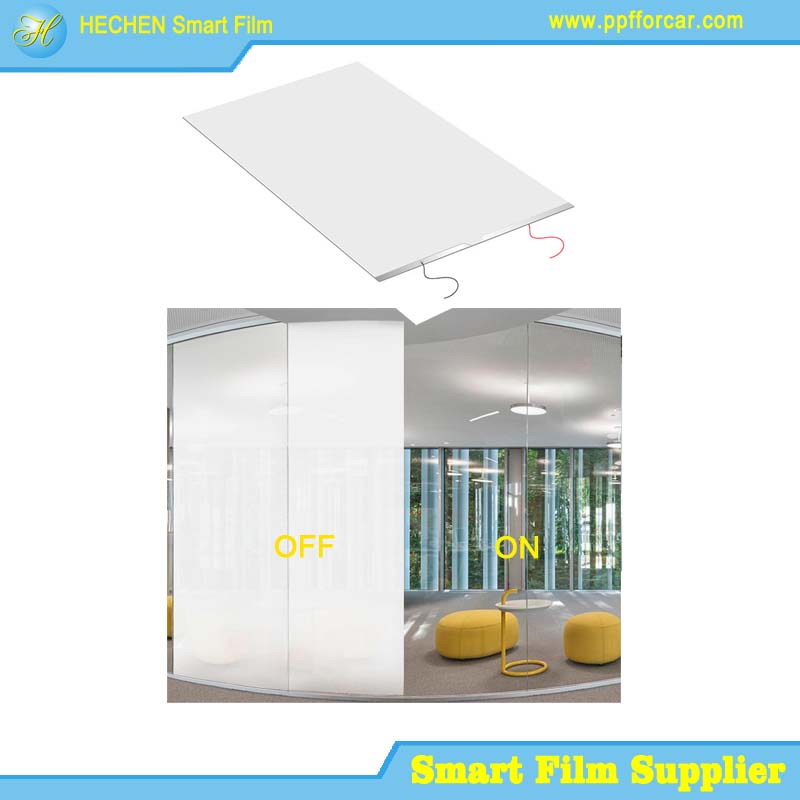
The PDLC controller is the command center that applies the necessary electrical current to the film, causing the liquid crystals to align (become transparent) or randomize (become opaque). While all controllers perform this basic function, the method by which we command them varies dramatically, each with distinct advantages and limitations. The choice between WiFi, DMX, and traditional Remote Control systems is not merely a matter of preference; it is a critical decision that impacts the system's scalability, integration capabilities, user experience, and overall cost.
This article delves deep into the world of PDLC smart film controllers, providing a detailed comparison of these three primary control options. We will explore their technical workings, ideal applications, installation complexities, and cost considerations to empower you with the knowledge needed to select the perfect control system for your project, whether it's a single residential bathroom or a multi-story corporate headquarters.
1. The Foundation: How PDLC Technology and Control Work
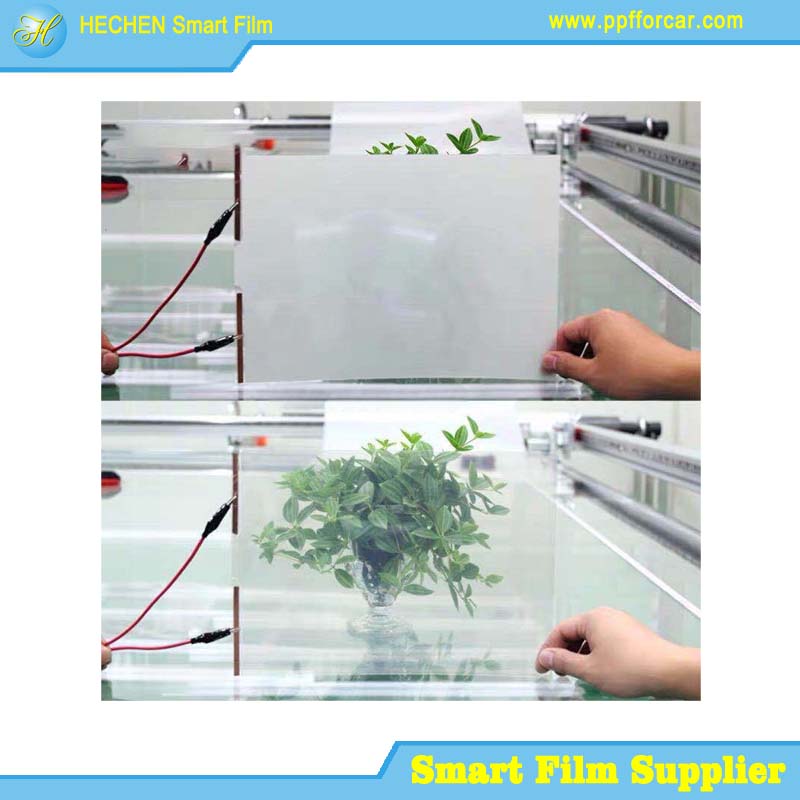
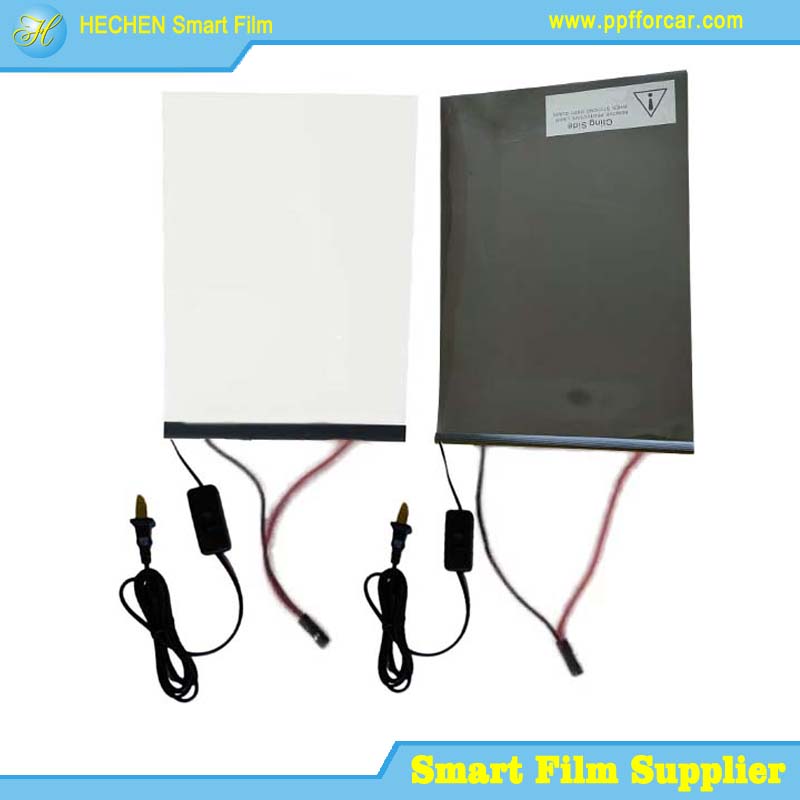
Before comparing controllers, it's essential to understand what they control. PDLC smart film Controllers is a sandwich-like composite containing microscopic liquid crystal droplets suspended in a polymer layer, all laminated between two conductive layers (typically ITO - Indium Tin Oxide).
· In its Off State: When no power is applied, the liquid crystals are randomly oriented. They scatter light as it passes through, giving the film a milky, opaque, or translucent appearance. This provides privacy and diffuses light.
· In its On State: When the controller applies an alternating current (AC power, typically 60-110V), an electric field is created across the conductive layers. This causes the liquid crystals to align in an orderly fashion, allowing light to pass through directly and making the film transparent.
The controller's primary job is to switch this AC power on and off. The sophistication of the controller determines how that switching command is given and whether it can manage multiple zones or integrate with larger smart systems.
2. The Contenders: A Detailed Breakdown of Each Control Method
2.1. Standard RF Remote Controls: The Accessible Workhorse
How It Works:
This is the most common and straightforward control system. It consists of a handheld remote that transmits radio frequency (RF) signals and a receiver/controller unit that is wired directly to the PDLC film. Pressing a button on the remote sends a coded RF signal (unlike infrared, it doesn't require a direct line of sight) to the receiver, which then switches the power to the film.
Key Features & Typical Use Cases:
· Simplicity: The user experience is intuitive—press "on" for clear, press "off" for private. It requires no technical knowledge.
· Basic Functionality: Most remotes offer simple on/off toggling. Some advanced models may control dimming levels (for dimmable PDLC film) or have buttons for multiple pre-set zones.
· Ideal For: Single-room applications like bathroom windows, shower enclosures, office partitions, or small conference rooms where individual, localized control is sufficient.
Pros:
· Cost-Effective: This is generally the most affordable option in terms of initial hardware investment.
· Easy Installation & Setup: The system is typically "plug and play." Electricians or installers connect the controller to power and the film, and the system is ready.
· High User Acceptance: Virtually everyone understands how to use a remote control, making it accessible for all demographics.
· No Network Dependency: It operates independently of your Wi-Fi or local area network, so it's immune to internet outages or network congestion.
Cons:
· Limited Range and Scalability: RF signals have a limited range (usually up to 20-30 meters indoors) and can struggle through dense walls. Controlling film in a different part of a large building is not feasible.
· No True Integration: It exists in a silo. You cannot create automated scenes that include the smart film alongside your lighting, blinds, and audio system.
· Physical Device Dependency: The remote can be lost, damaged, or have its batteries die, rendering control inconvenient until resolved.
· Basic Control Interface: Offers no feedback or status updates. You cannot check if a partition is clear or opaque from a distance.
2.2. Wi-Fi / Smart Home Controllers: The Integrated Ecosystem Player
How It Works:
A Wi-Fi-enabled smart controller connects the PDLC film to your local wireless network.This allows the film to be controlled through various interfaces:
1. A Dedicated Mobile App: The manufacturer's app on your smartphone or tablet.
2. Voice Assistants: Integration with Amazon Alexa, Google Assistant, or Apple HomeKit for voice commands ("Alexa, make the kitchen window private").
3. Broader Smart Home Platforms: Integration into ecosystems like Samsung SmartThings, Control4, Savant, or Apple's Home app, allowing it to be part of complex scenes and automations.
Key Features & Typical Use Cases:
· Remote Access: Control your smart film from anywhere in the world, provided you have an internet connection.
· Automation & Scenes: The film can be tied to other devices or schedules. For example, a "Good Morning" scene could open the motorized blinds and clear the smart film on the windows. A "Movie Night" scene could dim the lights and opacity the film on the media room wall.
· Ideal For: Tech-savvy homeowners, modern residential projects, and small-to-medium commercial spaces where integration with other smart devices is desired.
Pros:
· Unparalleled Convenience and Remote Access: Control from your phone or by voice is incredibly convenient, both within and outside the home.
· Deep Smart Home Integration: This is its greatest strength. The smart film becomes a seamless part of the automated environment.
· Scalability within the Network: You can control multiple controllers/zones across a property as long as they are within the Wi-Fi network's coverage.
· Rich User Interface: Apps can provide status feedback, timers, schedules, and grouping of multiple film zones.
Cons:
· Network Dependency: Performance is tied to the strength and reliability of your Wi-Fi network. A poor signal or internet outage can disrupt control.
· Setup Complexity: Configuration requires connecting to the network, often using a dedicated app, which can be a hurdle for less technically inclined users.
· Potential Security Concerns: Any IoT device connected to your network represents a potential security vulnerability if not properly secured.
· Higher Cost: Smart controllers are more expensive than standard RF units, and integration with high-end systems like Control4 may require additional hardware or programming costs.
2.3. DMX Controllers: The Professional Powerhouse
How It Works:
DMX(Digital Multiplex) is a standardized, digital communication protocol that has been the industry standard for professional lighting and stage effects for decades. In a PDLC context, a central DMX controller/decoder is wired to the film. This controller receives commands via a dedicated DMX cable from a DMX console or software. Each piece of film or "fixture" is assigned a unique address on the DMX "universe" (a network of up to 512 channels), allowing for precise, individual control over dozens or even hundreds of zones from a single, centralized system.
Key Features & Typical Use Cases:
· Precision & Reliability: DMX uses a robust, wired connection that is immune to wireless interference, ensuring rock-solid, instantaneous control.
· Massive Scalability: A single DMX universe can control a vast number of smart film panels independently. Multiple universes can be linked for enormous projects.
· Centralized Control: All control is managed from one or more professional touch panels, wall-mounted keypads, or computer software.
· Ideal For: Large-scale commercial applications: corporate boardrooms, hotel conference centers, museum exhibits, retail storefronts, broadcast studios, and architectural facades.
Pros:
· Industrial-Grade Reliability: The dedicated wired protocol guarantees no lag, dropouts, or interference.
· Unmatched Scalability: It is the only viable option for controlling hundreds of windows or partitions in a single, cohesive system.
· Seamless Integration with Professional Systems: DMX integrates natively with architectural control systems from companies like Crestron and AMX, as well as with professional lighting and A/V setups.
· Precision Control: Allows for complex sequencing, fading, and dynamic effects (e.g., creating a "wave" of opacity across a large wall).
Cons:
· High Cost and Complexity: This is the most expensive option. It requires specialized hardware and, crucially, professional installation and programming by a certified integrator.
· Inflexible Infrastructure: The need to run dedicated DMX cabling throughout a building makes it difficult to retrofit and must be planned during the construction phase.
· Overkill for Residential Use: The complexity and cost are unjustifiable for most single-family homes or small projects.
· Less User-Friendly: The interfaces, while powerful, are designed for technicians and professionals, not end-users.
3. Making the Right Choice: A Guide for Your Project
Selecting the right controller is about matching the technology to the project's requirements.
· For Homeowners & Residential Projects:
· Choose Standard RF for straightforward applications like a bathroom or shower door where you just need simple, reliable privacy.
· Choose Wi-Fi/Smart Home if you are building or living in a smart home and want the convenience of app/voice control and the ability to create automations with your lights and blinds. This is the future-proof choice for the modern connected home.
· For Commercial & Architectural Projects:
· Small Offices/Single Rooms: A Wi-Fi system or even multiple RF systems might suffice for a few partition walls or conference rooms.
· Medium-to-Large Projects (Offices, Hotels, Retail): This is where DMX shines. The ability to control an entire building's worth of smart glass from a single interface—setting "All Clear," "All Private," or complex schedules for different zones—is invaluable. Its reliability is non-negotiable in a professional setting.
· Dynamic & Creative Applications (Museums, Retail, Events): DMX is essential for creating timed sequences, responsive displays, or dynamic partitions that change as part of an experience.
4. The Future of PDLC Control
The evolution of PDLC control is moving towards greater unification and intelligence. We are beginning to see the emergence of hybrid controllers that combine multiple protocols. For instance, a controller with a DMX backbone for reliability and scalability might also offer a Wi-Fi gateway to allow for convenient user control via tablets or phones on the same network.
Furthermore, as the Internet of Things (IoT) matures, newer, more robust wireless standards like Zigbee or Z-Wave may become more prevalent, offering the reliability of a mesh network without the cabling requirements of DMX. The core trend, however, is clear: the PDLC controller is evolving from a simple switch into an intelligent node within a fully integrated and automated built environment.
5. Conclusion: Control is King
The transformative power of PDLC smart film is undeniable, but its true potential is only unlocked through its controller. The choice between a standard RF remote, a Wi-Fi smart controller, and a professional DMX system is a strategic one that defines the functionality, scalability, and intelligence of the installation.
· The RF Remote is the dependable specialist, perfect for simple, localized tasks.
· The Wi-Fi Controller is the connected integrator, weaving smart film into the fabric of the modern digital lifestyle.
· The DMX System is the industrial maestro, conducting symphonies of light and privacy on a grand, architectural scale.
By understanding their distinct strengths and weaknesses, you can move beyond seeing PDLC as just a film, and start envisioning it as a dynamic, controllable element of design. In the world of smart glass, the film provides the magic, but the controller truly provides the power.
For more about the PDLC smart film Controllers: Wifi, DMX and Remote Control Options Compared, you can pay a visit to Hechen PDLC Smart Film Manufacturers for more info.