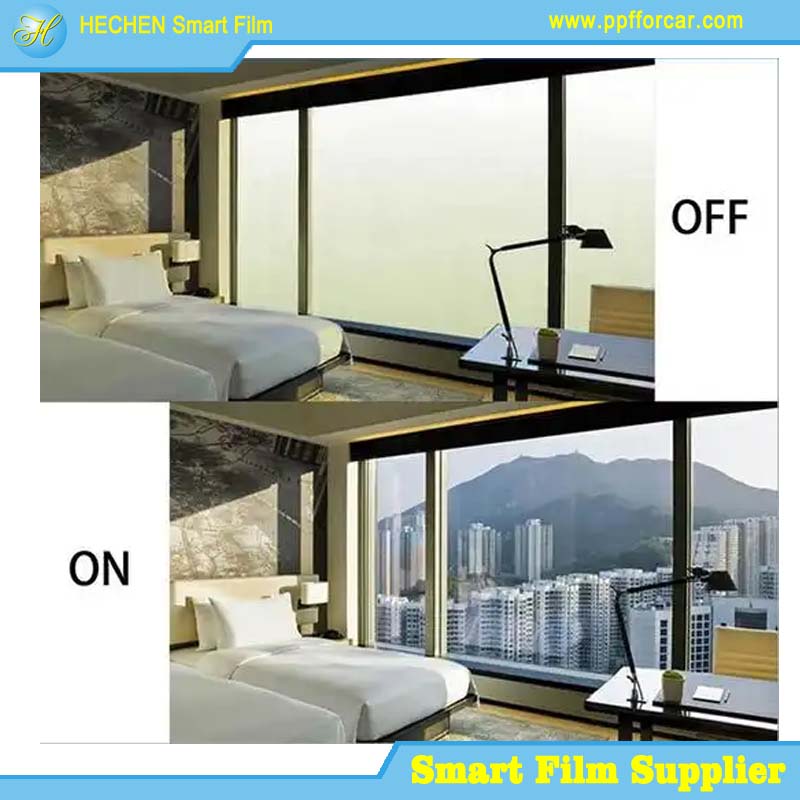
PDLC Smart Film Installation Guide: DIY Step-by-Step Tutorial
This comprehensive technical DIY installation guide delivers a complete, step-by-step process designed for homeowners, interior renovators, and facility managers with basic hand-tool experience. The instructions emphasize precision, surface cleanliness, and electrical safety to achieve bubble-free, long-lasting results without professional installers. Expect the full project to take 4–8 hours depending on glass size, plus curing time. Always work in a controlled indoor environment at 15–25 °C (59–77 °F) and below 70 % relative humidity. The guide avoids any specific product brands or model numbers and focuses purely on universal technical principles and best practices.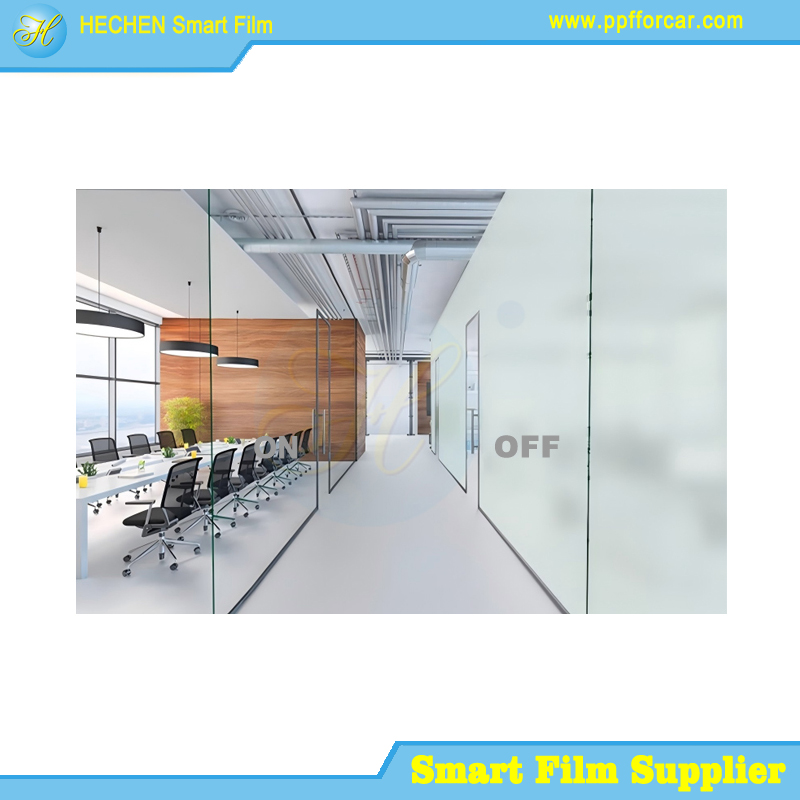
Powder-free nitrile gloves
Safety glasses
Dust mask or respirator
99 % isopropyl alcohol (or equivalent laboratory-grade glass cleaner)
Lint-free microfiber cloths (multiple packs)
Plastic razor scraper (for glass only)
Window squeegee
Sharp utility knife or stainless-steel scissors
Rubber roller or soft plastic squeegee (for bubble removal)
Tape measure, marking pen, and painter’s masking tape
Straightedge or metal ruler for precise cutting
Wire strippers
Insulated electrical tape
Heat-shrink tubing or crimp terminals
Digital multimeter (for voltage and continuity testing)
Neutral-cure silicone sealant (acetic-acid-free, non-corrosive formula)
Low-voltage transformer (input 110–220 V AC, output matched to film rating, typically 60 V AC)
18–22 AWG stranded copper wire
Optional: cable raceway or decorative trim to conceal wiring
PDLC smart film cut to size (allow 1–2 mm undersize per edge)
Protective release liner (do not remove until ready)
Shop vacuum with HEPA filter for dust control
Select a dust-free indoor area. Vacuum floors, walls, and ceilings thoroughly. Lay the film flat on a clean table away from direct sunlight. Inspect for scratches, creases, or damaged bus bars. Briefly power the film for 5–10 seconds using the transformer: it must switch uniformly from opaque to clear and back. Any dark spots, flickering, or failure to respond indicate a defective sheet—do not proceed. Measure the visible glass area and confirm film dimensions are 1–2 mm smaller on every side to prevent overhang.Step 2: Glass Surface Preparation (20–40 minutes)
This step determines 80 % of installation success. Remove old sealants, labels, or adhesive residue with a plastic scraper. Spray 99 % isopropyl alcohol liberally and wipe with fresh microfiber cloths until the surface is streak-free, oil-free, and lint-free. Repeat the cleaning cycle two to three times. Dry completely with a clean cloth or low-heat hair dryer. Allow 10 minutes for any residual moisture to evaporate. Edge areas require extra attention because they will be sealed later.Step 3: Measuring and Cutting the Film (15 minutes)
Measure glass length and width twice for accuracy. Mark the film on its release-liner side. Cut with a fresh utility-knife blade in a single smooth pass against a straightedge. Keep the copper bus-bar edge identified (usually top or side) and orient it so wiring can be hidden neatly. Leave the release liner intact until Step 4.Step 4: Positioning and Initial Application (30–45 minutes – two-person job recommended)
Use the dry-application method. Peel back only 5–8 cm (2–3 inches) of the release liner from the bus-bar edge. Align the exposed adhesive precisely with the top edge of the glass and press lightly to anchor. Continue peeling the liner in 10–15 cm increments while rolling firmly from center outward or top to bottom with the rubber roller. Maintain even pressure to expel air without stretching the film. If a bubble forms, gently lift the edge, allow the film to fall back naturally, and re-roll. Masking tape can temporarily hold corners if working alone.Step 5: Full Consolidation and Edge Trimming (20–30 minutes)
Once fully applied, roll the entire surface multiple times from center to edges until no visible air pockets remain. Check corners and perimeter for lift. Trim any slight overhang with the utility knife, keeping the blade against the glass only.Step 6: Edge Sealing (15 minutes)
Immediately apply a continuous 1–2 mm bead of neutral-cure silicone along all four edges, covering the film-to-glass junction completely. Smooth with a gloved finger or plastic tool. This barrier prevents moisture migration that would destroy the liquid crystals. Allow 30 minutes skin-over time before further handling. Full cure usually takes 24 hours.Step 7: Electrical Connections and Wiring (30–45 minutes)
The film has two lead wires attached to the copper bus bars (no polarity with AC). Strip 6–8 mm of insulation, connect securely to transformer output using crimp terminals or heat-shrink. Input the transformer to standard household AC (110–220 V). Keep total wire run under 30 m (100 ft) to minimize voltage drop. Route wires neatly along walls or frames and conceal with raceway. Install the switch or controller in an accessible location. Wrap all connections with electrical tape for insulation.Step 8: Testing and Commissioning
Restore power and cycle the film 10–15 times. Verify uniform switching across the entire surface with no dark zones or hot spots. Measure output voltage at the bus bars with the multimeter to confirm it matches specifications. Allow the system to stabilize for several minutes. If issues appear, refer to the troubleshooting section below.Common Problems and Technical TroubleshootingAir bubbles
Cause: residual dust or insufficient rolling pressure.
Fix: warm the area gently with a hair dryer on low, then re-roll. For stubborn bubbles, carefully lift a corner, clean underneath, and reapply.Uneven switching or dead zones
Cause: poor bus-bar contact, voltage drop, or contamination.
Fix: re-check connections and measure voltage at multiple points along the bus bars. Clean contact areas if needed.Edge lifting or delamination
Cause: delayed sealing or moisture exposure.
Fix: clean the gap thoroughly, reapply silicone generously, and maintain low humidity during cure.Hazy or cloudy appearance after installation
Cause: moisture ingress or adhesive failure.
Prevention: strict edge sealing and controlled environment. Once affected, replacement is usually required.Overheating or high power draw
Cause: transformer undersized for film area.
Fix: calculate total wattage (4–6 W/m²) and upgrade transformer capacity.Maintenance and Long-Term CarePDLC smart film requires minimal upkeep. Clean only when powered off using a soft microfiber cloth lightly dampened with isopropyl alcohol or plain water. Never use abrasive cleaners, ammonia, or razor blades. Inspect silicone seals annually and reapply if cracking appears. For maximum lifespan (typically 5–10 years indoors), power the film off for at least 4 hours daily to allow the liquid crystals to rest. Avoid prolonged exposure above 40 °C (104 °F) or direct UV sunlight. In high-humidity areas, consider additional perimeter protection.Advanced Tips for Professional Results
For large surfaces (>4 m²), work in sections or use a second person to manage the liner peel.
Integrate with smart-home hubs by adding a compatible low-voltage relay.
Test voltage drop on long wire runs with the multimeter before final concealment.
Store spare film flat and rolled loosely in a cool, dark place.
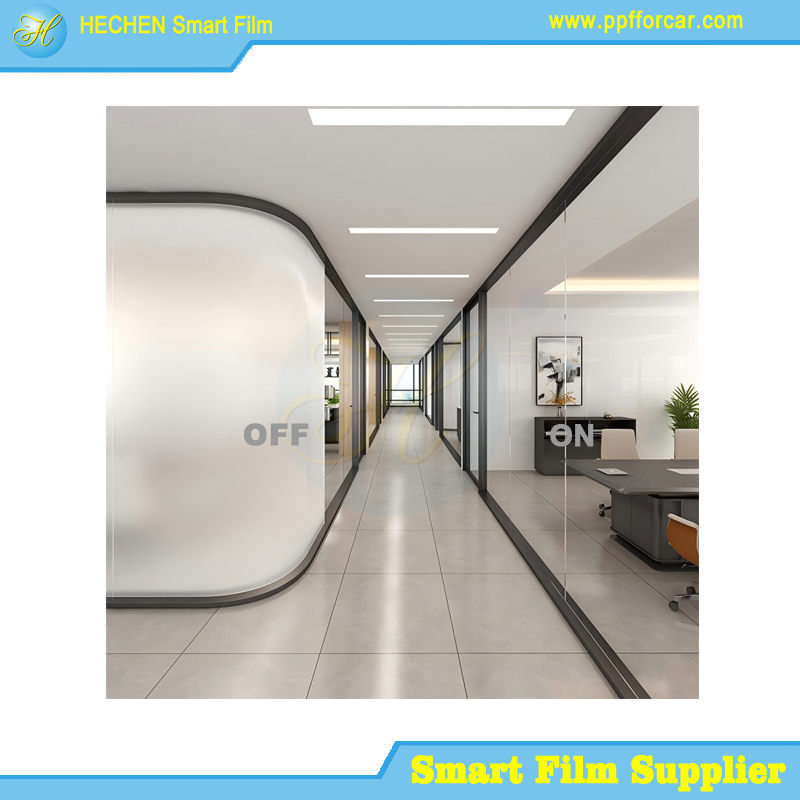
ConclusionFollowing this detailed DIY guide allows you to install PDLC smart film confidently and achieve reliable, professional-grade performance. Success hinges on meticulous glass cleaning, patient bubble removal, thorough edge sealing, and correct low-voltage wiring. By mastering these technical steps, you gain dynamic privacy control, improved energy efficiency through natural light management, and modern functionality without the expense of full glass replacement.Start with a small test panel to build confidence before tackling larger areas. After installation, enjoy the seamless transition from private to open spaces at the flip of a switch. Regular visual checks of seals and electrical connections will ensure years of trouble-free operation. This technology represents one of the most practical smart-glass solutions available today—precise, energy-efficient, and fully within the reach of skilled DIY enthusiasts.
For more about PDLC Smart Film Installation Guide: DIY Step-by-Step Tutorial. Everything you need to know, you can pay a visit to https://www.ppfforcar.com/product/PDLC-Smart-Film/ for more info.