How to Connect Smart Film Power: A Complete Installation Guide for Smart Tint Film
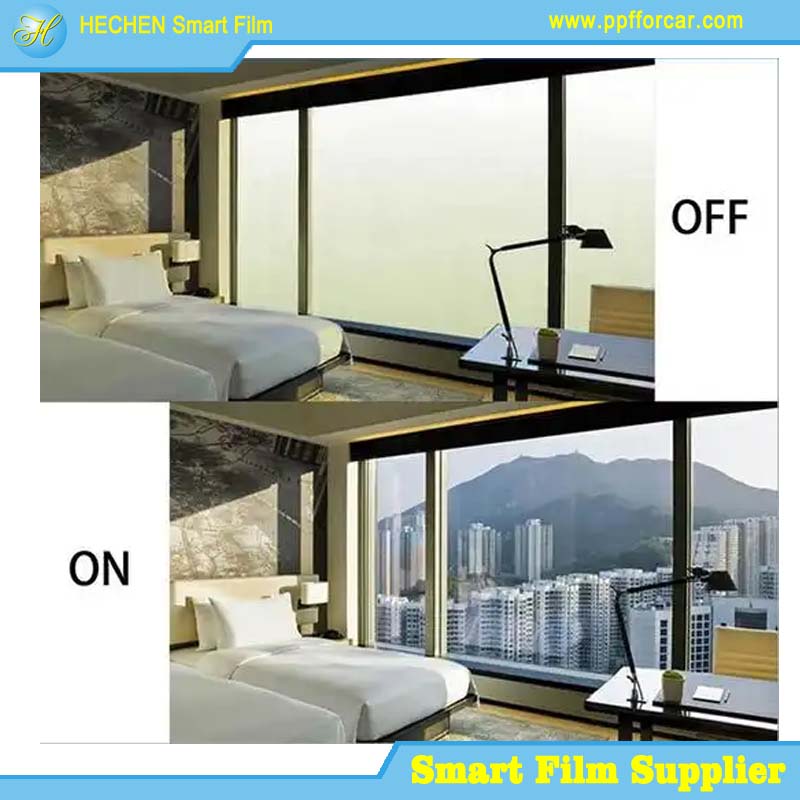
Smart film technology is transforming the automotive and architectural industries. Whether you are upgrading luxury vehicles, office glass, or residential windows, understanding how to connect smart film power correctly is essential for stable performance and long-term durability.
In this guide, we’ll explain the complete smart film power connection process, wiring methods, installation tips, common mistakes, and how to choose the right power supply for your project.
What Is Smart Film?
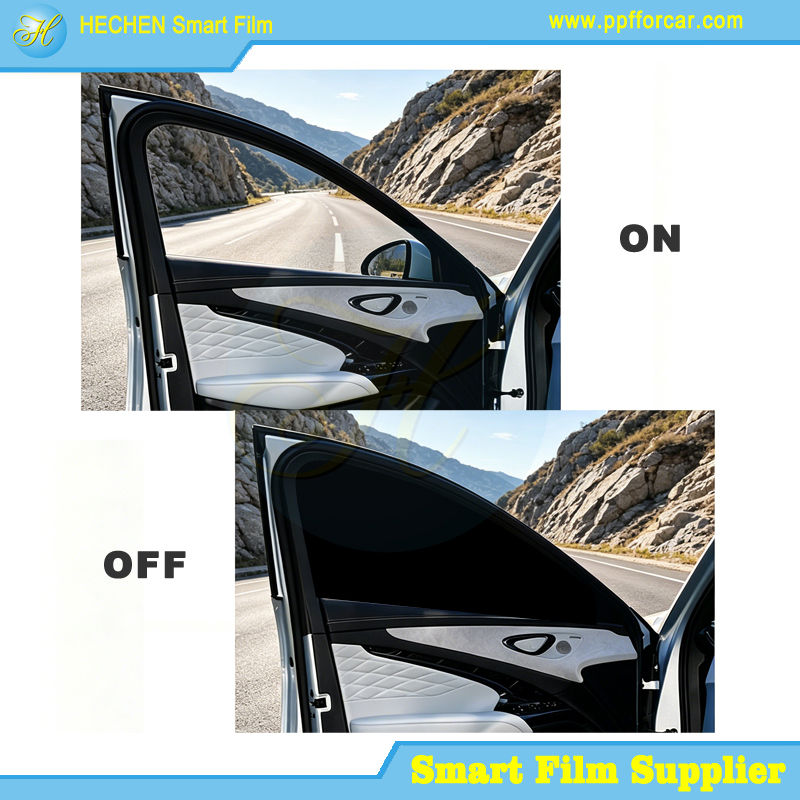
Smart film, also called PDLC smart film or switchable privacy film, changes from opaque to transparent when electricity is applied. It is widely used for:
Car windows
Office partitions
Conference rooms
Luxury homes
Retail storefronts
Hotels and hospitals
The film works through a transformer or power controller that converts standard voltage into the required operating voltage for the film.
Why Proper Smart Film Power Connection Matters
Incorrect wiring can cause:
Uneven transparency
Film flickering
Edge burn
Short lifespan
Controller failure
Electrical safety risks
A professional power connection ensures:
Stable switching performance
Better transparency
Longer film lifespan
Energy efficiency
Safer installation
Components Needed to Connect Smart Film Power
Before installation, prepare the following components:
1. Smart Film
PDLC smart film cut to the required size.
2. Power Transformer
Converts AC input voltage into the working voltage required by the smart film.
3. Busbar Electrodes
Conductive copper strips attached to the smart film edges.
4. Wiring Cables
Used to connect the film to the transformer.
5. Controller or Remote System
Optional smart control system for switching transparency.
6. Power Supply Source
Typically:
AC 110V
AC 220V
How to Connect Smart Film Power Step by Step
Step 1: Inspect the Smart Film
Before wiring:
Check for scratches or damage
Ensure the busbar edges are intact
Confirm voltage specifications
Most smart films operate between:
48V AC
60V AC
65V AC
Always follow manufacturer specifications.
Step 2: Prepare the Busbar Connection
The conductive busbar is usually located along one edge of the film.
Carefully:
Remove protective insulation
Expose the conductive strip
Avoid damaging the conductive layer
A clean connection point is critical for stable power transmission.
Step 3: Connect the Wiring Cable
Attach the wiring cable to the copper busbar using:
Conductive silver paste
Copper tape
Soldering (depending on product type)
Important tips:
Ensure tight electrical contact
Avoid loose connections
Seal the connection area properly
Poor contact may cause partial transparency or flickering.
Step 4: Connect to the Transformer
Wire the smart film leads into the output terminals of the transformer.
Typical setup:
Input: 110V/220V AC
Output: 48V–65V AC
Do NOT connect smart film directly to household voltage.
The transformer regulates:
Voltage stability
Current protection
Safe operation
Step 5: Test the Smart Film
After wiring:
Turn on the power
Check switching performance
Verify uniform transparency
Inspect for overheating
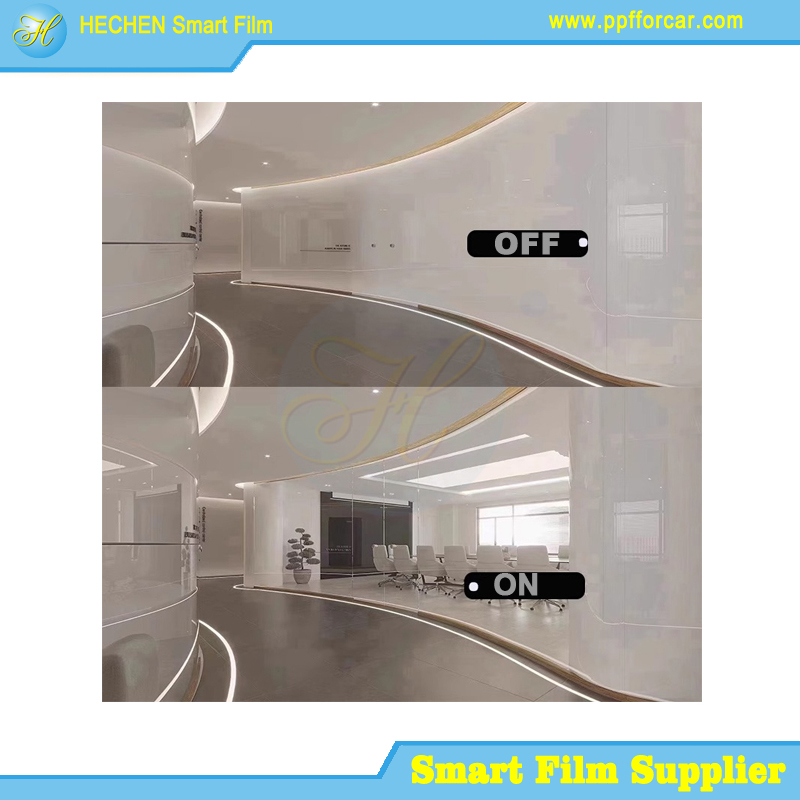
A properly connected smart film should switch from frosted to clear instantly.
Smart Film Wiring Diagram
A basic connection setup looks like this:
Power Source → Transformer → Smart Film Controller → PDLC Smart Film
For larger installations:
Multiple films may connect in parallel
Separate transformers may be required
Professional load calculation is recommended
Common Smart Film Power Connection Mistakes
Using the Wrong Voltage
Excess voltage can permanently damage the film.
Loose Busbar Contact
Causes flickering or uneven clarity.
Poor Insulation
May lead to moisture damage or short circuits.
Overloading One Transformer
Large smart film panels require sufficient power capacity.
Incorrect Wire Length
Long cables can reduce voltage efficiency.
How to Choose the Right Smart Film Transformer
When selecting a transformer, consider:
| Factor | Recommendation |
|---|---|
| Voltage Output | Match film specifications |
| Power Capacity | Based on total film area |
| Waterproof Rating | For automotive/outdoor use |
| Certification | CE, RoHS, UL |
| Stability | Low-noise industrial grade |
For automotive smart tint applications, compact transformers are preferred for easier installation.
Smart Film Power Consumption
One advantage of PDLC smart film is low energy consumption.
Average power usage:
3–5W per square meter when transparent
Near zero power when switched off (opaque mode)
This makes smart film highly energy efficient for both cars and buildings.
Automotive Smart Film Installation Tips
For car smart tint film installations:
Hide wiring inside trim panels
Use automotive-grade insulation
Avoid sharp bends in cables
Install heat-resistant transformers
Ensure compatibility with vehicle voltage systems
Professional installers often integrate:
Bluetooth control
Mobile app switching
Voice control systems
Remote privacy modes
Troubleshooting Smart Film Power Problems
Film Not Turning Transparent
Possible causes:
Transformer failure
Loose wiring
Incorrect voltage
Partial Transparency
Usually caused by:
Poor busbar contact
Uneven power distribution
Flickering Film
May indicate:
Unstable transformer output
Weak electrical connection
Overheating Transformer
Often caused by:
Overloaded capacity
Poor ventilation
Benefits of Professionally Connected Smart Film Systems
A correctly installed smart film system offers:
Instant privacy control
Luxury appearance
UV protection
Heat reduction
Improved energy efficiency
Long operational lifespan
For automotive applications, smart tint technology also enhances:
Passenger privacy
Interior comfort
Modern vehicle aesthetics
Why Choose High-Quality Smart Film Suppliers
Reliable suppliers provide:
Stable transformers
Custom wiring solutions
Technical installation support
OEM/ODM services
Bulk order capability
When choosing a supplier, always check:
Product certifications
Warranty policies
Export experience
Installation guidance
Final Thoughts
Understanding how to connect smart film power correctly is essential for achieving optimal smart film performance. From selecting the proper transformer to securing reliable busbar connections, every step affects transparency quality, safety, and product lifespan.
Whether you are installing smart film for vehicles, offices, homes, or commercial projects, professional wiring and quality components make a major difference.
If you are looking for:
Automotive smart tint film
PDLC smart film
Switchable privacy film
OEM smart film solutions
Bulk wholesale pricing
contact a professional smart film manufacturer for customized technical support and quotation services.
For more about How to Connect Smart Film Power: A Complete Installation Guide for Smart Tint Film. Everything you need to know, you can pay a visit to https://www.ppfforcar.com/product/PDLC-Smart-Film/ for more info.