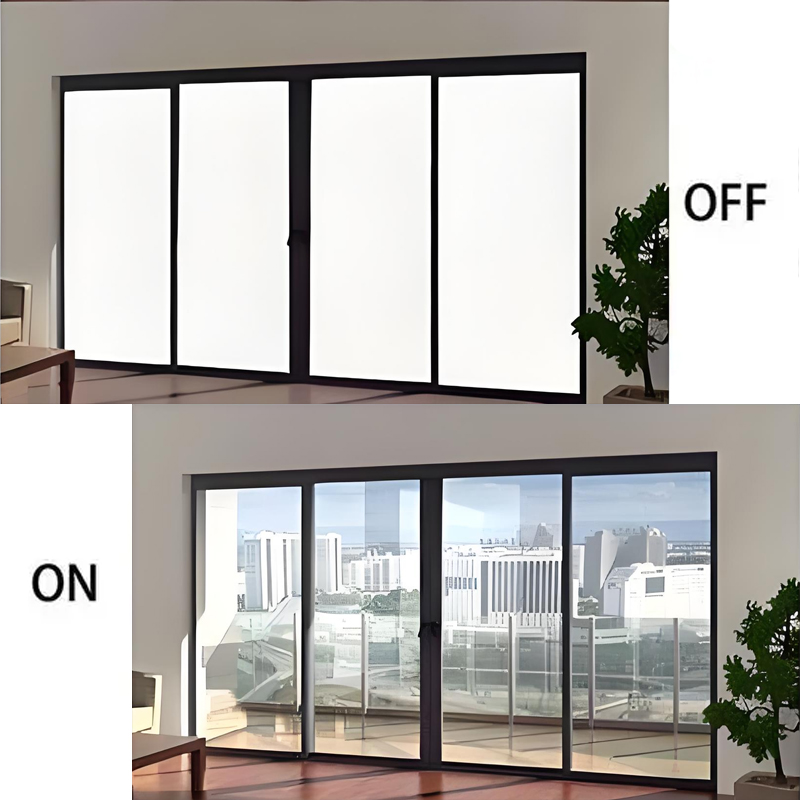
Precautions to Avoid Damage When Cleaning Smart Window Films
Smart window films—encompassing technologies like electrochromic, polymer-dispersed liquid crystal (PDLC), and suspended particle device (SPD) films—represent a significant leap in dynamic glazing. They offer on-demand control over light, heat, and privacy, integrating seamlessly into smart buildings and automotive applications. However, their advanced, multi-layered construction makes them far more delicate than standard window glass or static tint films. A single cleaning misstep can irreparably damage their conductive layers, optical clarity, or switching functionality. This technical article provides a comprehensive, 1600-word guide to the essential precautions required to clean smart window films safely, preserving their performance, longevity, and aesthetic appeal.
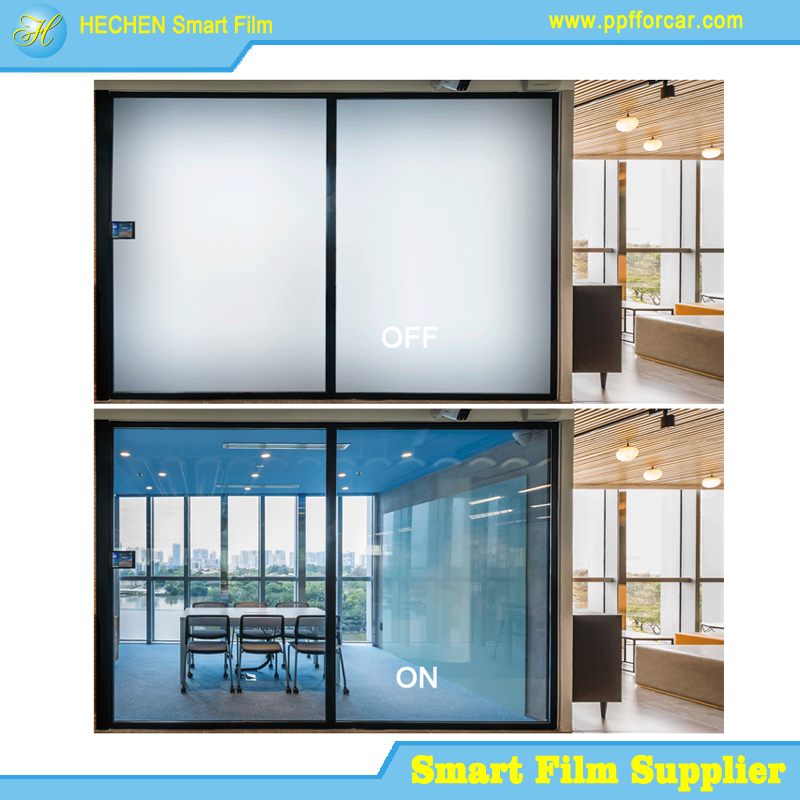
Understanding the Vulnerable Architecture of Smart Window Films
To appreciate the necessary precautions, one must first understand the film's vulnerable structure. Unlike a monolithic pane of glass, a smart film is a complex laminate.
The Core Functional Layers: At its heart are micron-thin conductive coatings (often indium tin oxide or ITO) applied to PET substrates. These are separated by an active layer (liquid crystals, electrochromic gel, or suspended particles). Damage to these conductive pathways can create dead zones where the film fails to darken or clear.
The Protective Lamination: The functional core is encapsulated between two or more layers of scratch-resistant polyester (PET) or other polymers. While these layers offer some protection, they are significantly softer than glass (typically 3-4H on the pencil hardness scale) and are susceptible to abrasion.
The Edge Seal: A critical yet fragile component is the perimeter seal, which protects the internal layers from moisture and environmental ingress. Harsh chemicals or excessive moisture pressure at the edges can compromise this seal, leading to delamination or failure.
This architecture dictates a cleaning philosophy centered on gentleness, chemical compatibility, and moisture control.
Section 1: Pre-Cleaning Assessment and Precautions
Before any cleaner touches the surface, a systematic assessment is crucial.
1.1 Consult the Manufacturer’s Manual (The Golden Rule):
The single most important precaution is to obtain and follow the Original Equipment Manufacturer’s (OEM) cleaning guidelines. Specifications for chemical compatibility, pressure limits, and tool suitability vary by product. What is safe for an automotive SPD film may differ from that for a building-integrated electrochromic panel.
1.2 Power Down and De-energize:
Always ensure the film is in its off or clear state (unless otherwise specified) and disconnected from its power source during cleaning. This eliminates any electrical risk and prevents cleaning during a switching cycle, which could strain the system.
1.3 Initial Inspection:
Examine the film under oblique lighting to identify the type of soil (dust, salt, hard water spots, adhesive residue, fingerprints) and any pre-existing scratches or defects. This informs the cleaning strategy. Document any existing damage.
1.4 Environmental Control:
Clean in moderate temperatures (e.g., 10°C to 35°C). Avoid cleaning in direct, hot sunlight, as this can cause cleaning solutions to evaporate rapidly, leaving concentrated residues that are difficult to remove and may stain.
Section 2: The Perils of Common Cleaning Agents & Materials
Many standard cleaning products and tools are anathema to smart films.
2.1 Prohibited Chemicals:
Ammonia-Based Cleaners: Found in many glass cleaners, ammonia can rapidly degrade and haze the film’s conductive layers and adhesive laminates.
Abrasive or Scrubbing Cleaners: Powders, pastes, or creams containing baking soda, calcium carbonate, or other particulates will micro-scratch the surface.
Strong Solvents: Acetone, nail polish remover, toluene, xylene, and strong alcohol concentrations (e.g., >70% isopropyl alcohol) can dissolve or craze the polymer layers, causing permanent clouding or "crazing."
Acidic Cleaners: Vinegar-based olutions or bathroom cleaners containing hydrochloric or phosphoric acid can etch the surface and corrode edge seals.
2.2 Hazardous Tools & Materials:
Abrasive Wipes: Steel wool, scouring pads, stiff-bristled brushes, and even coarse paper towels(especially when dry) act like sandpaper.
Sharp or Metal Tools: Razor blades, scrapers, or knife edges should never be used, even on stubborn spots, as they will certainly gouge the soft PET surface.
High-Pressure Washers: The intense water pressure can force moisture past edge seals and into the functional layers, causing irreversible damage and Newton’s rings (interference patterns).
Section 3: The Safe Cleaning Protocol: A Step-by-Step Guide
Adhere to this meticulous, multi-step process for safe, effective cleaning.
Step 1: Dry Dusting and Debris Removal
Precaution: Never rub dry dust across the surface.
Procedure: Use a clean, soft, dry microfiber cloth, a natural-hair duster (like lambswool), or a compressed air duster held upright. Gently lift and roll the dust off the surface. For larger debris, use soft silicone squeegee blades designed for film.
Step 2: Preparation of Cleaning Solution
Safe Formula: The industry-standard, safe solution is a 1% solution of mild, dye-free, fragrance-free dish soap (pH neutral) in distilled or deionized water. Alternatively, use a 10-30% solution of isopropyl alcohol (IPA) in distilled water. Distilled water prevents mineral deposits.
Precaution: Always test any solution on a small, inconspicuous area (like a corner) first and allow it to dry to check for adverse reactions.
Step 3: Application and Wiping
Tool: Use a soft, clean microfiber cloth (preferably with a plush, woven texture) or a non-abrasive cellulose sponge. Dedicate these tools solely for film cleaning.
Procedure: Immerse the cloth/sponge in the solution and wring it out until it is damp, not dripping wet. Excess liquid running down the film can invade edges and electrical contacts. Gently wipe the film in straight, overlapping lines. Do not apply excessive pressure.
Step 4: Tackling Stubborn Contaminants
For Water Spots or Light Scale: Reapply the damp cloth and allow it to sit on the spot for 60-90 seconds to loosen the deposit, then wipe gently.
For Adhesive Residue or Sap: Use a small amount of n-heptane or a dedicated "sticker remover" fluid specified as safe for plastics and optical films on a microfiber cloth. Apply sparingly and wipe immediately. Avoid citrus-based solvents unless explicitly approved by the manufacturer.
Step 5: Drying and Buffing
Precaution: Do not allow the solution to air-dry.
Procedure: Immediately after wiping with the damp cloth, use a second completely dry, clean, high-quality microfiber cloth to buff the surface to a streak-free finish. Use light pressure and straight-line motions.
Step 6: Final Inspection
Examine the film again under oblique light to ensure it is clean and free of new streaks or scratches.
Section 4: Special Considerations for Different Contaminants & Contexts
Construction/Post-Installation Residue: After installation, a mild residue from the mounting solution may be present. Use the standard soap solution with extreme care, ensuring no moisture enters the perimeter where the film meets the frame.Patience and multiple gentle passes are better than aggressive scrubbing.
Automotive Smart Films: Vehicle films face harsher contaminants—road tar, bug splatter, brake dust. Follow the same chemical rules. For bugs or tar, soak a microfiber cloth in the safe solution and hold it against the spot to soften it for several minutes before gently wiping.
Hard Water Stains: In areas with heavy mineral deposits, preventive frequent cleaning is key. For established stains, a mild solution of distilled water and white vinegar (only if manufacturer-approved) in a 4:1 ratio may be tried in a small test area first. Rinse immediately with distilled water and dry.
Section 5: Long-Term Maintenance & Damage Prevention
Cleaning is part of a broader care regimen.
Frequency: Establish a regular cleaning schedule based on environment. Quarterly may suffice for indoor offices; monthly may be needed for high-traffic or coastal areas.
Touch-Up Cleaning: For daily fingerprints or smudges, use pre-moistened wipes specifically formulated for electronic optical surfaces or anti-static screens. Ensure they are alcohol-based (without other solvents) and non-abrasive.
Environmental Protection: Where possible, use awnings or overhangs to reduce direct weather exposure. Ensure window frames and seals are maintained to prevent water pooling against the film edge.
Professional Servicing: For large-scale installations, significant damage, or persistent issues, contact a specialist trained by the film manufacturer. They possess specialized tools and knowledge for repair or deep cleaning.
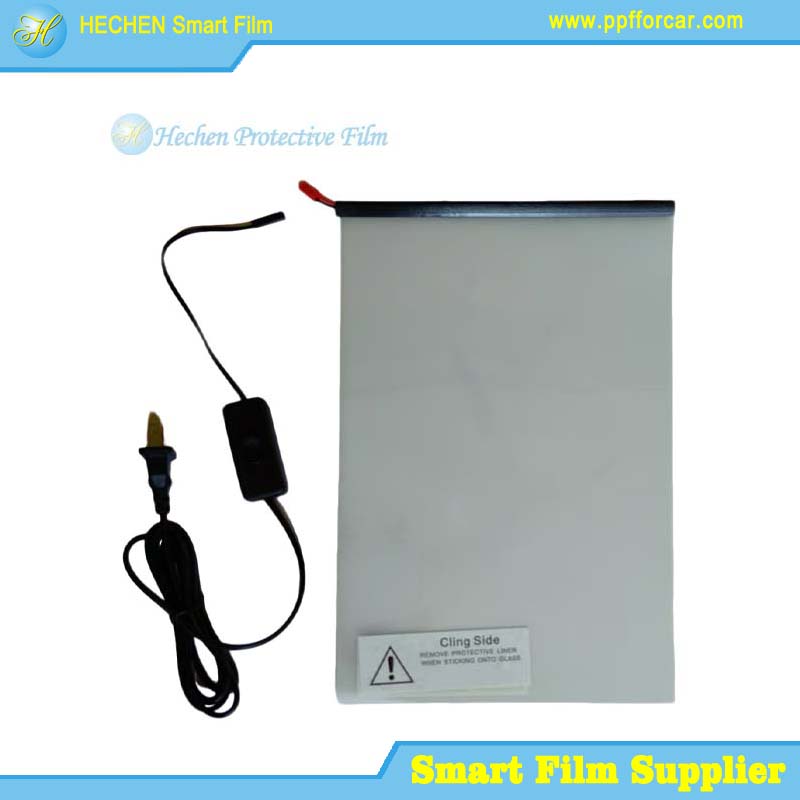
Conclusion
Smart window films are a sophisticated and valuable investment in building and vehicle functionality. Their maintenance is not a matter of casual window cleaning but a disciplined technical procedure. The core principles are unequivocal: avoid abrasives and harsh chemicals, control moisture meticulously, and use only the softest tools. By internalizing the precautions outlined—from understanding the film’s layered vulnerability to executing the gentle, distilled-water-and-microfiber protocol—installers, facility managers, and end-users can ensure that these dynamic windows maintain their optical clarity, switching performance, and aesthetic integrity for their full service life. Ultimately, the price of their smart functionality is a commitment to informed and careful stewardship.
For more about the precautions to avoid damage when cleaning smart window films, you can pay a visit to Hechen PDLC Smart Film Manufacturers for more info.