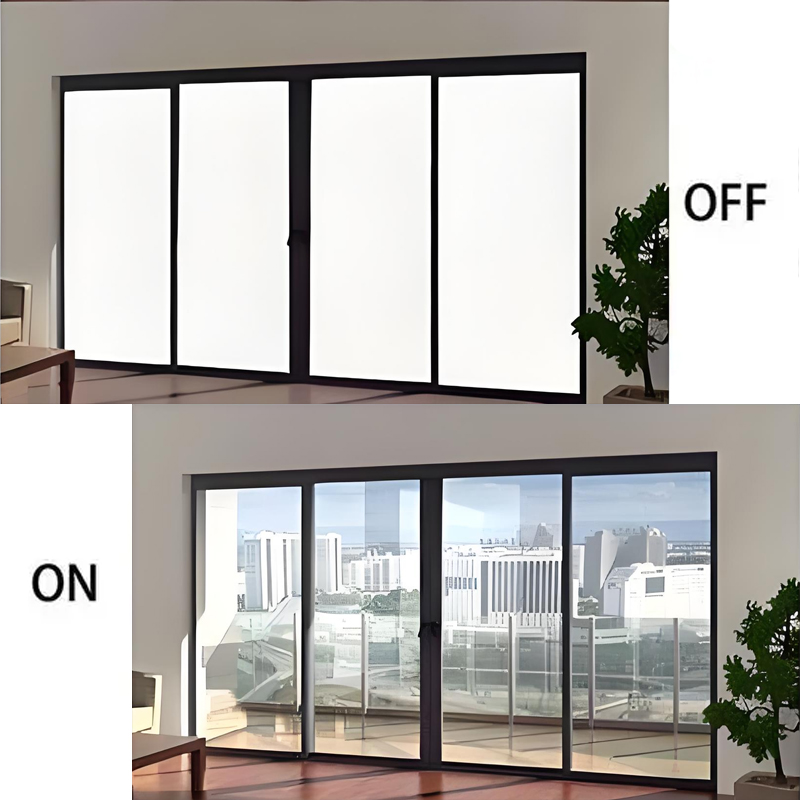
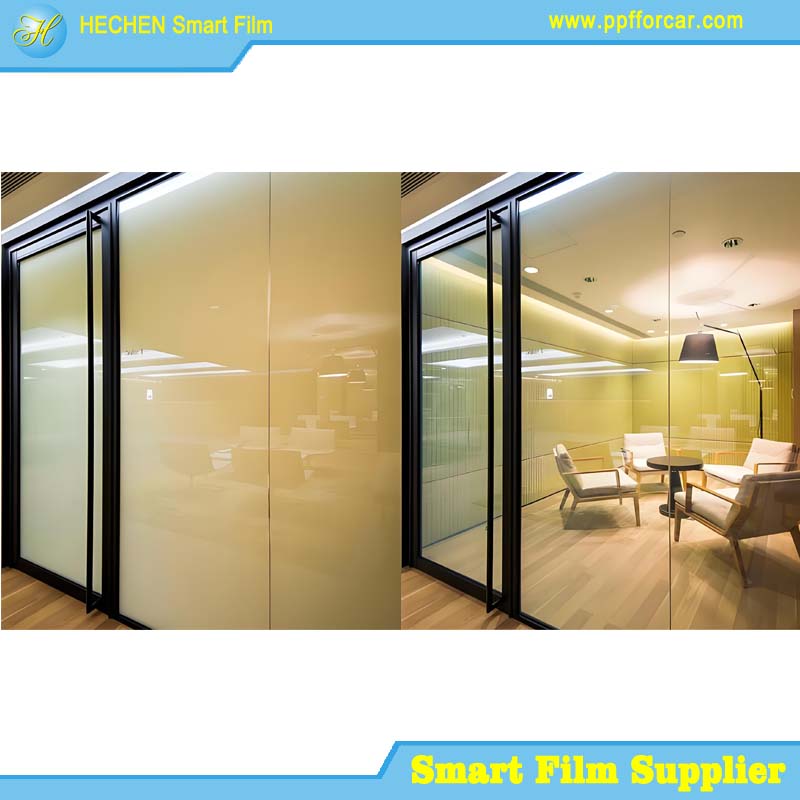
Transitional vs Switchable Smart Window Film Comparison
In an era where energy efficiency, privacy, and comfort are paramount in building design, smart window films have emerged as innovative solutions to traditional glazing challenges. These advanced materials allow windows to dynamically adjust their properties, such as tint, opacity, or thermal insulation, in response to environmental conditions or user commands. Broadly categorized into transitional and switchable types, smart window films represent a fusion of materials science and architecture, promising reduced energy consumption and enhanced user experience.
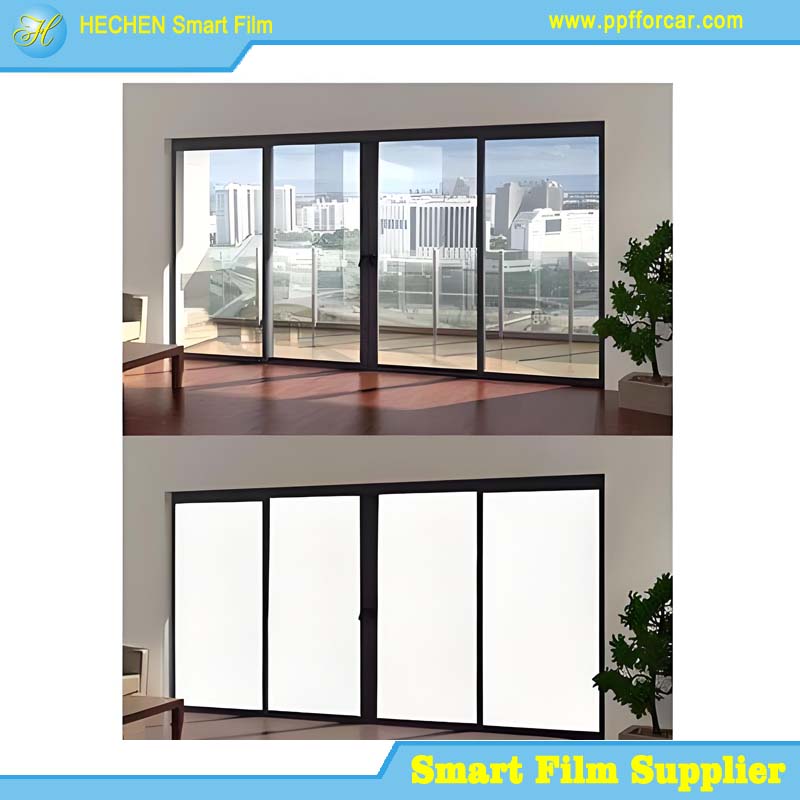
Transitional smart window films, often based on photochromic or thermochromic technologies, automatically adapt to changes in light or temperature without requiring external power. They "transition" passively, darkening in bright sunlight or heat to block UV rays and reduce glare. In contrast, switchable smart window films are active systems that users can control via electricity, apps, or sensors, offering on-demand adjustments for privacy or shading. Technologies like electrochromic, polymer dispersed liquid crystal (PDLC), and suspended particle devices (SPD) dominate this category.
This article provides a comprehensive comparison of transitional and switchable smart window films, exploring their mechanisms, advantages, disadvantages, applications, costs, and future trends. By examining these aspects, we aim to highlight how transitional films excel in passive, low-maintenance scenarios, while switchable films offer greater flexibility for interactive environments. As global demand for sustainable buildings grows, understanding these technologies is crucial for architects, homeowners, and facility managers seeking optimal window solutions.
Understanding Transitional Smart Window Films
Transitional smart window films operate on passive principles, meaning they respond automatically to environmental stimuli without needing electricity or user intervention. The two primary subtypes are photochromic and thermochromic films. Photochromic films, inspired by transitional sunglasses, darken when exposed to ultraviolet (UV) light. This is achieved through carbon-based molecules or organic compounds like naphthopyran that undergo a reversible structural change, absorbing more visible light and heat in direct sunlight. For instance, CoolVu transitional window film uses a proprietary photochromic process to shift from clear to tinted states, blocking up to 99% of UV rays and reducing solar heat by 80%.
Thermochromic films, on the other hand, react to temperature fluctuations. Materials like vanadium dioxide (VO2) exhibit a metal-to-insulator transition at a specific temperature threshold, altering their optical properties to reflect more infrared radiation when hot. This passive modulation is ideal for energy savings in buildings, as it reduces the need for air conditioning by dynamically controlling solar heat gain. Recent advancements, such as VO2/spiropyran composites, combine thermochromic and photochromic effects for broader spectrum control, achieving up to 23.6% solar modulation while maintaining visible transmittance.
The pros of transitional films are compelling. They require no power source, making them highly energy-efficient and reliable in remote or off-grid applications. Installation is straightforward, often involving self-adhesive layers applied to existing glass, which lowers upfront costs compared to wired systems. They also provide consistent UV protection and glare reduction, contributing to occupant comfort and furniture preservation. However, limitations include a lack of user control—transitions are dictated by external conditions, which can be slow (seconds to minutes) and unpredictable in variable weather. Thermochromic films, in particular, may have high transition temperatures (around 68°C for pure VO2), necessitating doping with elements like tungsten to lower them for practical use. Additionally, while effective for solar control, they do not offer full opacity for privacy.
Applications for transitional films are predominantly in exterior settings where automatic sun management is key. In residential and commercial buildings, they enhance energy efficiency by reducing cooling loads in sun-exposed facades. Automotive uses, such as photochromic windshields, improve driver visibility by adapting to light conditions. Emerging research into hybrid photo-/electro-driven thermochromic systems hints at future versatility, but currently, these films shine in passive, cost-effective scenarios.
Understanding Switchable Smart Window Films
Switchable smart window films are active technologies that allow users to manually or automatically alter window properties through electrical signals. This category includes several subtypes: electrochromic, PDLC, and SPD films, each with distinct mechanisms and benefits.
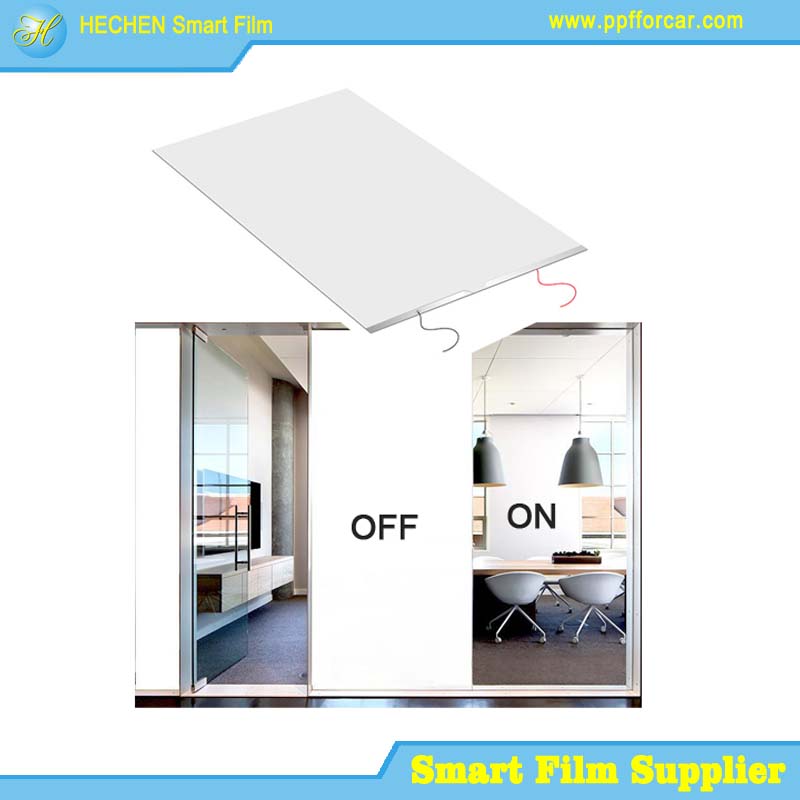
Electrochromic films change tint when a low voltage is applied, causing ions (e.g., lithium) to migrate into a transition metal oxide layer like tungsten oxide, shifting from clear to colored states. This process can take seconds to minutes, depending on size, and retains the tint even without power, making it energy-efficient for long-term shading. PDLC films consist of liquid crystals dispersed in a polymer matrix; without voltage, they scatter light for opacity (frosted state), but align under power for transparency, ideal for instant privacy switches in milliseconds. SPD films use suspended particles that align with voltage to control tint levels, offering variable shading from clear to dark.
Advantages of switchable films include precise control, enabling integration with IoT systems, apps, or sensors for automated responses to light, temperature, or occupancy. They provide on-demand privacy, glare reduction, and energy savings by blocking up to 99% UV and 40-80% solar heat. Electrochromic types are particularly suited for exteriors due to gradual tinting, while PDLC excels in interiors for projection screens or partitions. However, cons include the need for wiring and power (though low, around 110V AC), higher installation complexity, and potential haze in clear states. Costs are elevated due to electronics, and durability issues like yellowing from UV exposure can occur in lower-quality products.
Switchable films find diverse applications. In commercial spaces, PDLC is used for conference rooms and hospitals for privacy. Automotive sectors employ SPD for sunroofs and mirrors, while buildings integrate electrochromic for facades to meet green certifications. Their adaptability makes them ideal for smart homes and offices, where voice control or automation enhances functionality. Direct Comparison:
Transitional vs. Switchable
When comparing transitional and switchable smart window films, key differences emerge in control mechanisms, energy efficiency, cost, installation, performance, and applications.
Control is the most stark contrast: Transitional films are passive and automatic, ideal for consistent sun-exposed areas but lacking flexibility—users cannot override changes. Switchable films offer active, on-demand control, with options for dimming levels or integration with building management systems, making them superior for variable needs like privacy in offices.
Energy efficiency favors transitional films in passive scenarios, as they require no electricity and can reduce cooling costs by 80% through automatic heat blocking. Switchable films consume power (though minimal), but their precise control can yield greater overall savings in dynamic environments, with electrochromic types retaining states without continuous energy.
Cost-wise, transitional films are more affordable, with installation ranging from $25-50 per square foot, as they avoid wiring. Switchable films cost $50-140 per square foot, factoring in electronics and professional setup, though retrofit options like self-adhesive PDLC reduce expenses. Long-term, both save on energy, but switchable's higher upfront investment suits premium projects.
Installation for transitional films is simpler—often DIY with adhesive layers—while switchable requires electricians for wiring, potentially disrupting operations. Performance varies: Transitional transitions are slower and less controllable, but reliable; switchable offers faster switches (milliseconds for PDLC) and variable states, though with potential haze.
Applications overlap but diverge: Transitional suits exteriors for solar control in homes and vehicles, while switchable excels in interiors for privacy (e.g., hospitals, offices) and exteriors for automated shading in smart buildings. Overall, transitional is best for passive efficiency, switchable for interactive versatility.
Real-World Examples and Case Studies
In practice, transitional films have proven effective in energy-focused projects. A San Francisco home office used photochromic films to reduce glare, lowering cooling needs by 30%. Commercial buildings like retail stores apply them for UV protection, preserving merchandise.
Switchable films shine in privacy-driven applications. A hospital installed PDLC films in patient rooms for instant opacity, enhancing comfort. In automotive, Mercedes-Benz uses SPD in sunroofs for variable tinting. Hybrid cases, combining both, are emerging for multifaceted control.
Future Trends in Smart Window Technology
The future of smart window films lies in integration and multifunctionality. IoT connectivity will enable seamless automation, with windows adjusting via apps or AI. Advancements in materials, like self-powering electrochromic films with energy harvesting, address power concerns. Hybrid systems combining transitional and switchable tech promise versatile, net-zero buildings. Market growth to $11-17 billion by 2030 reflects rising adoption in green architecture and autos.
Conclusion
Transitional and switchable smart window films offer distinct paths to smarter buildings, with the former prioritizing passive simplicity and the latter active control. Choosing between them depends on needs for automation, privacy, and budget. As technology evolves, both will play key roles in sustainable design.
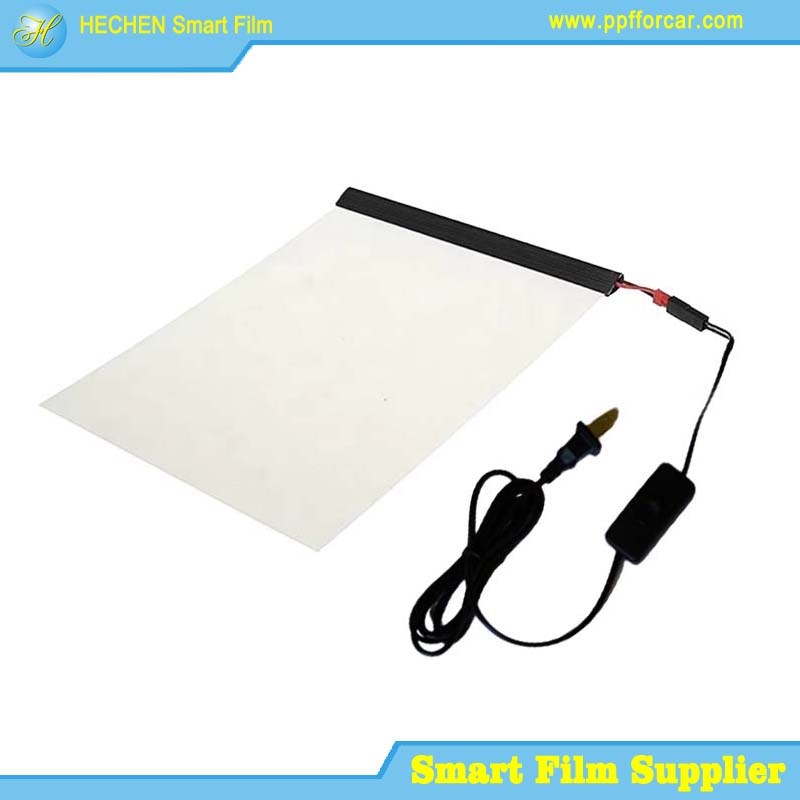
For more about the transitional vs switchable smart window film comparison, you can pay a visit to Hechen PDLC Smart Film Manufacturers for more info.