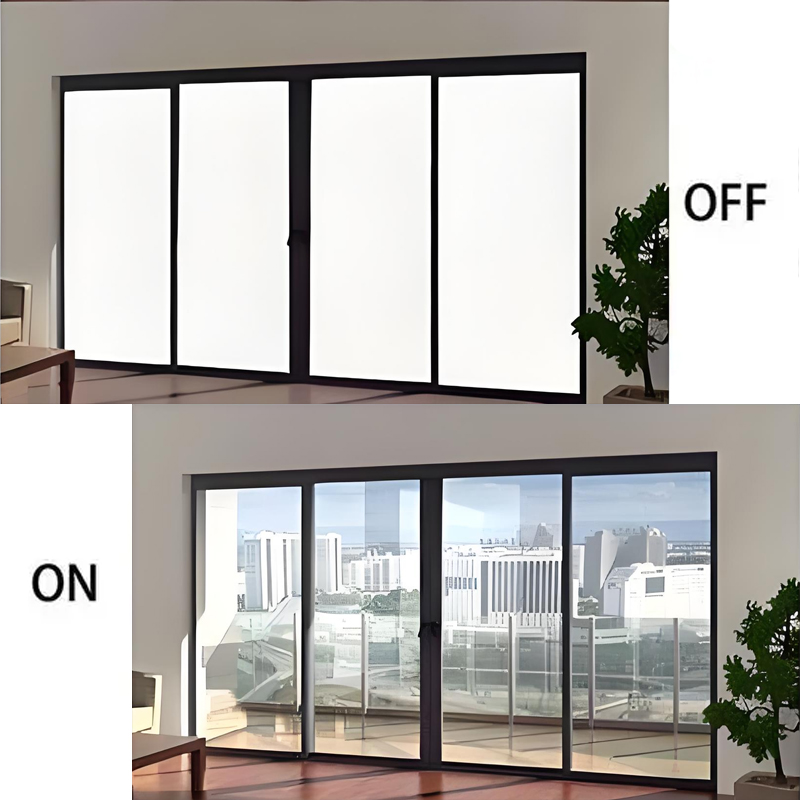
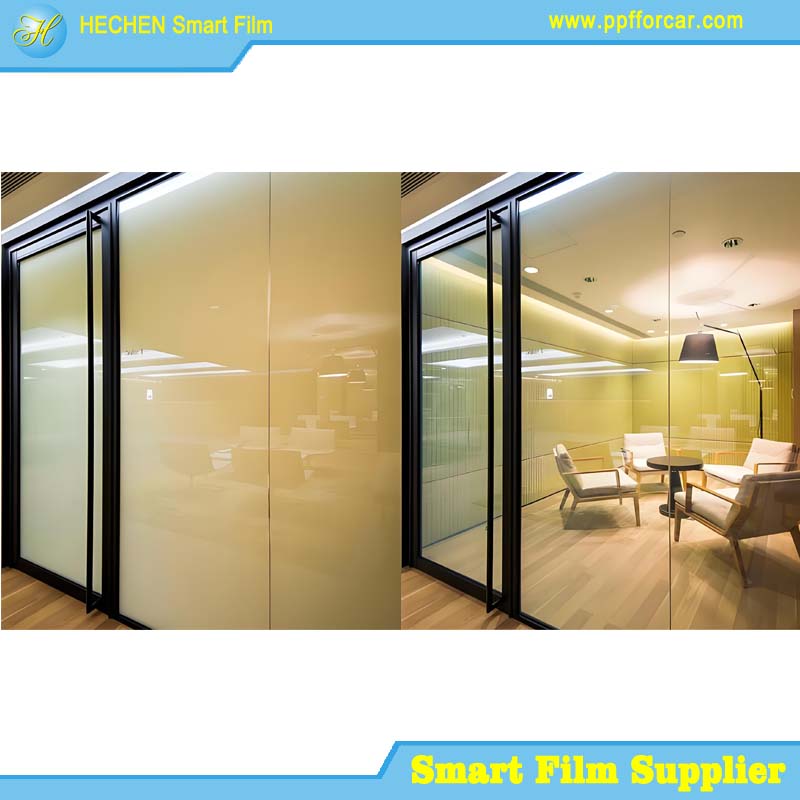
Smart Switchable Window Tint Systems for Commercial Buildings
In the evolving landscape of modern architecture and building management, smart technologies are transforming how we interact with our environments. Among these innovations, smart switchable window tint systems stand out as a pivotal advancement for commercial buildings. These systems allow windows to dynamically adjust their tint levels, offering control over light transmission, heat gain, and privacy. Unlike traditional static window treatments such as blinds or fixed tints, smart switchable windows can transition from clear to opaque or darkened states on demand, integrating seamlessly with automated building controls. This compatibility enables intelligent management of natural light, energy consumption, and occupant comfort, making them ideal for offices, retail spaces, hotels, and other commercial structures.
The demand for such systems has surged in recent years, driven by sustainability goals, energy efficiency regulations, and the need for flexible workspaces. According to industry reports, the global smart glass market is projected to reach $15 billion by 2030, with commercial applications leading the growth. This article explores the technologies behind smart switchable window tint systems, their benefits in commercial settings, integration with automated controls, real-world implementations, challenges, and future prospects. By delving into these aspects, we aim to provide a comprehensive understanding of how these systems are revolutionizing commercial building design and operation.
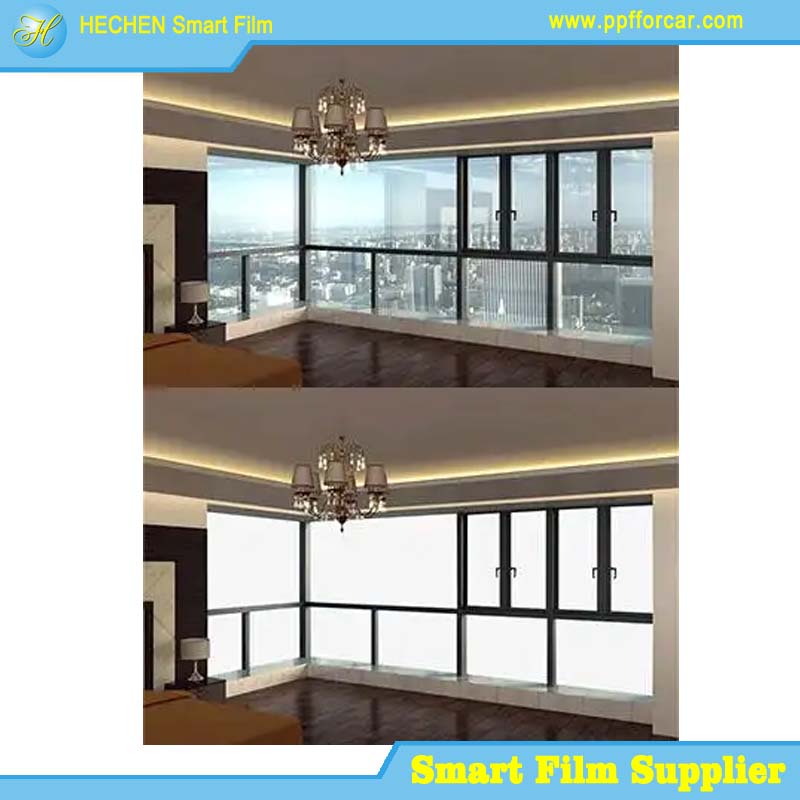
Technologies Behind Smart Switchable Window Tint Systems
Smart switchable window tint systems rely on advanced materials and electronic controls to alter the properties of glass. The most common technologies include electrochromic (EC) glass, polymer-dispersed liquid crystal (PDLC) films, suspended particle devices (SPD), and thermochromic or photochromic variants. Each offers unique mechanisms for tint switching, catering to different commercial needs.
Electrochromic glass is perhaps the most widely adopted in commercial buildings. It consists of multiple layers, including conductive coatings and an electrochromic material like tungsten oxide. When a low-voltage electrical current is applied, ions migrate between layers, causing the glass to darken and reduce light and heat transmission. This process is reversible, allowing the window to return to a clear state when the voltage is reversed or removed. EC systems can achieve variable tint levels, from nearly transparent (up to 60% visible light transmittance) to deeply tinted (as low as 1%), providing granular control.
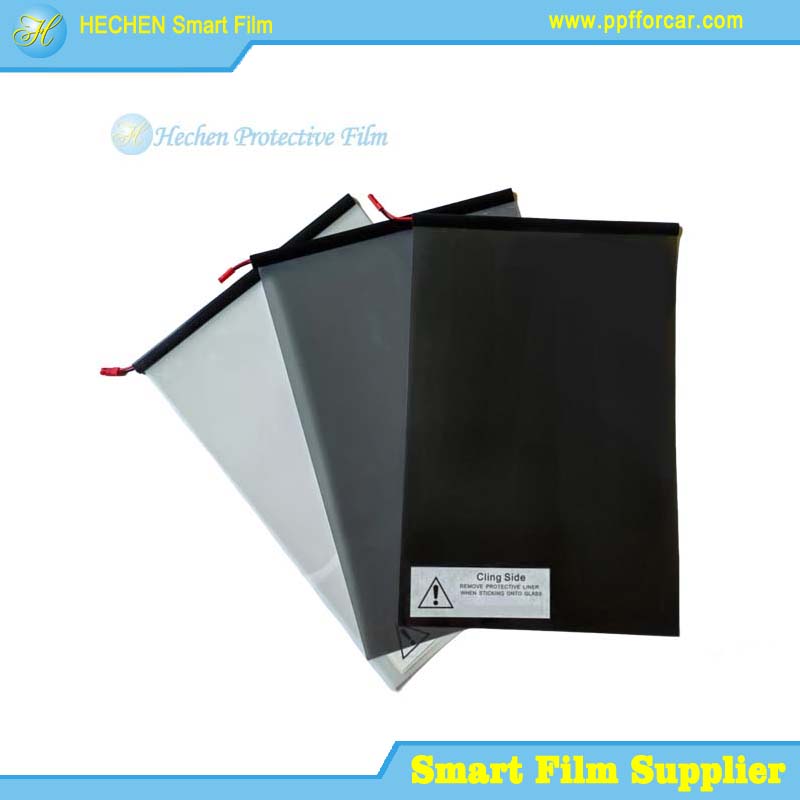
PDLC technology, on the other hand, uses liquid crystals dispersed in a polymer matrix between two conductive layers. In its off state, the crystals scatter light, making the glass opaque for privacy. Applying voltage aligns the crystals, turning the glass transparent. This binary switch (clear or frosted) is particularly useful for conference rooms or partitions in commercial spaces where instant privacy is needed. However, PDLC does not block heat as effectively as EC, making it more suited for interior applications.
Suspended particle devices operate similarly but use microscopic particles suspended in a fluid. Voltage aligns these particles to allow light passage, while in the off state, random orientation scatters light. SPD offers faster switching times (under a second) and better heat control than PDLC, though it requires continuous power to maintain transparency.
Emerging technologies like thermochromic and photochromic tints respond to temperature or UV light without electricity, but they lack the on-demand control essential for automated systems. For commercial buildings, active technologies like EC and SPD are preferred due to their compatibility with controls.
These systems are typically integrated into insulated glass units (IGUs), ensuring they meet building codes for energy performance. Installation involves retrofitting existing windows or incorporating them into new constructions, with costs ranging from $50 to $150 per square foot, depending on the technology and scale.
Benefits for Commercial Buildings
The adoption of smart switchable window tint systems in commercial buildings yields multifaceted benefits, primarily in energy efficiency, occupant well-being, and operational flexibility.
Energy savings are a cornerstone advantage. Commercial buildings account for nearly 40% of global energy consumption, with heating, ventilation, and air conditioning (HVAC) systems being major contributors. Smart windows reduce solar heat gain by up to 80%, minimizing the need for artificial cooling. For instance, in hot climates, darkened tints during peak sunlight hours can lower indoor temperatures by 5-10°C, leading to 20-30% reductions in HVAC energy use. Conversely, in colder seasons, clear states maximize passive solar heating. Studies from the U.S. Department of Energy indicate that widespread adoption could save billions in energy costs annually.
Light management enhances visual comfort and productivity. Glare from direct sunlight can cause eye strain and reduce work efficiency in office environments. Smart tints automatically adjust to maintain optimal daylight levels, reducing reliance on artificial lighting by 40-60%. This not only cuts electricity bills but also supports circadian rhythms, improving employee health and morale. In retail settings, controlled lighting highlights products without fading from UV exposure.
Privacy management is another key benefit. In open-plan offices or hotels, switchable tints provide on-demand seclusion without physical barriers. For example, a conference room can switch to opaque mode during sensitive meetings, then revert to transparent for collaborative vibes. This flexibility aligns with modern hybrid work models, where spaces must adapt quickly.
Sustainability credentials are bolstered as well. Smart windows contribute to LEED certification points by enhancing energy performance and indoor environmental quality. They also reduce material waste compared to mechanical shades, which wear out over time.
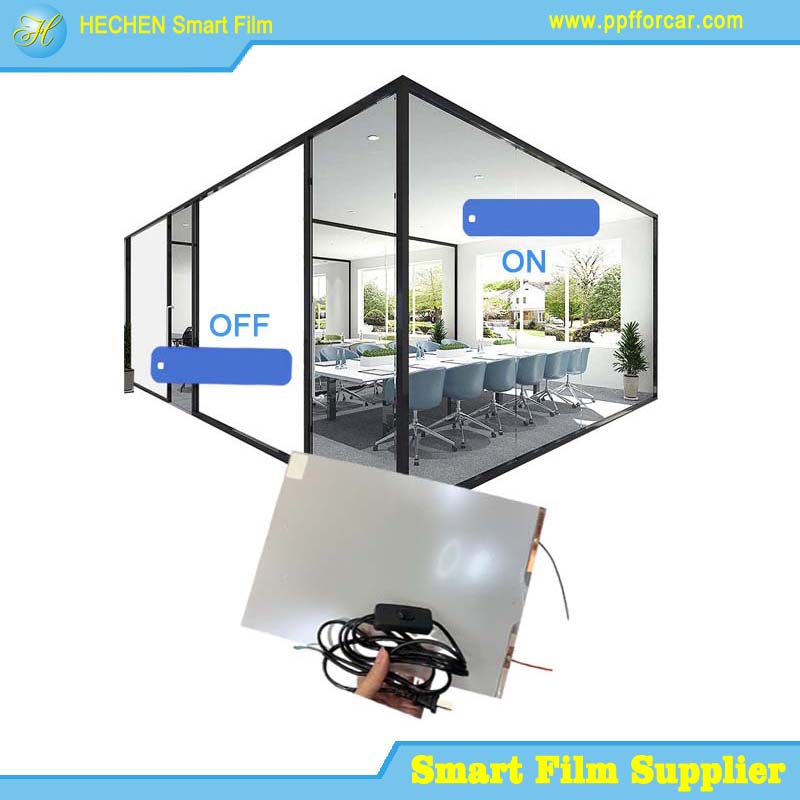
Compatibility with Automated Controls
The true power of smart switchable window tint systems lies in their integration with automated building controls, enabling seamless management of light and privacy. These systems are designed to interface with building management systems (BMS), Internet of Things (IoT) platforms, and smart home protocols like BACnet, KNX, or Zigbee.
At the core is sensor-driven automation. Photosensors detect ambient light levels, while occupancy sensors identify room usage. For instance, if a room is unoccupied, the system can default to a energy-saving tinted state. Integration with weather APIs allows predictive adjustments—darkening windows ahead of a sunny afternoon to preempt heat buildup.
Voice and app controls add user-friendly layers. Employees can use smartphones or voice assistants like Amazon Alexa or Google Assistant to adjust tints manually, overriding automation when needed. In larger commercial setups, centralized dashboards enable facility managers to monitor and control multiple zones, optimizing building-wide performance.
Machine learning enhances this compatibility. Advanced systems analyze usage patterns to learn preferences, such as preferring lighter tints in creative departments versus privacy-focused areas. Integration with HVAC and lighting systems creates a holistic ecosystem: as windows tint, lights dim automatically, and air conditioning adjusts accordingly.
Security features are also embedded. In high-security commercial buildings, tints can activate during alerts, obscuring views from outside. Compatibility with access control systems ensures tints align with entry protocols.
Challenges in integration include interoperability issues between vendors and legacy BMS. However, standards like the International Electrotechnical Commission's IEC 60839 are addressing this, promoting plug-and-play solutions.
Real-World Implementations and Case Studies
Numerous commercial buildings worldwide have embraced smart switchable window tint systems, demonstrating their efficacy.
The Edge in Amsterdam, often hailed as the world's smartest office building, incorporates electrochromic windows from SageGlass. Integrated with Philips' lighting and Siemens' BMS, the system adjusts tints based on solar position, reducing energy use by 30% and enhancing occupant satisfaction scores.
In the United States, the Salesforce Tower in San Francisco uses View Dynamic Glass, an EC system connected to IoT controls. It processes data from over 1,000 sensors to optimize tint levels, saving an estimated 20% on cooling costs while providing panoramic views without glare.
Retail giant IKEA has piloted PDLC films in store partitions, allowing quick switches for private consultations. Integrated with automated lighting, this setup improves customer experience and energy efficiency.
Hotels like the Mandarin Oriental in Boston employ SPD technology for guest rooms, where tints adjust via room controls for privacy and light management, boosting guest reviews on comfort.
These case studies highlight ROI timelines of 5-10 years, factoring in energy savings and productivity gains. Challenges like initial costs are offset by incentives such as tax credits for green building tech.
Challenges and Considerations
Despite their advantages, smart switchable window tint systems face hurdles in commercial adoption. High upfront costs remain a barrier, though prices are dropping with scale. Durability concerns, such as layer delamination over time, require robust warranties—typically 10-20 years.
Power requirements, albeit low (under 1W per square meter), necessitate reliable wiring or wireless solutions. In retrofits, installation can disrupt operations, though modular designs mitigate this.
Privacy and data security in automated systems are critical. IoT integrations must comply with GDPR or CCPA, ensuring user data from sensors is protected.
Maintenance involves periodic checks, but self-diagnostic features in modern systems alert managers to issues.
Future Trends and Innovations
Looking ahead, smart switchable window tint systems are poised for further evolution. Nanomaterial advancements promise faster switching and broader color options, including hues beyond blue-gray tints.
Integration with augmented reality (AR) could overlay digital information on windows, turning them into interactive displays for commercial lobbies.
Renewable energy synergies, like photovoltaic-integrated tints, could make windows self-powering.AI-driven predictive maintenance and hyper-personalization will refine automation, adapting to individual user preferences in shared spaces.
As urbanization accelerates, these systems will play a key role in net-zero buildings, aligning with global climate goals.
Conclusion
Smart switchable window tint systems represent a paradigm shift in commercial building design, offering dynamic control over light, heat, and privacy. Their compatibility with automated controls ensures seamless integration, driving energy efficiency, comfort, and sustainability. While challenges exist, the benefits—evidenced by successful implementations—outweigh them, paving the way for widespread adoption. As technology advances, these systems will become indispensable, creating smarter, more responsive commercial environments that enhance both business operations and human well-being.
For more about the smart switchable window tint systems for commercial buildings, you can pay a visit to Hechen PDLC Smart Film Manufacturers for more info.