Smart Tint Window Film Warranty Guide: Warranty Terms Directly Impact Your Long-Term Costs
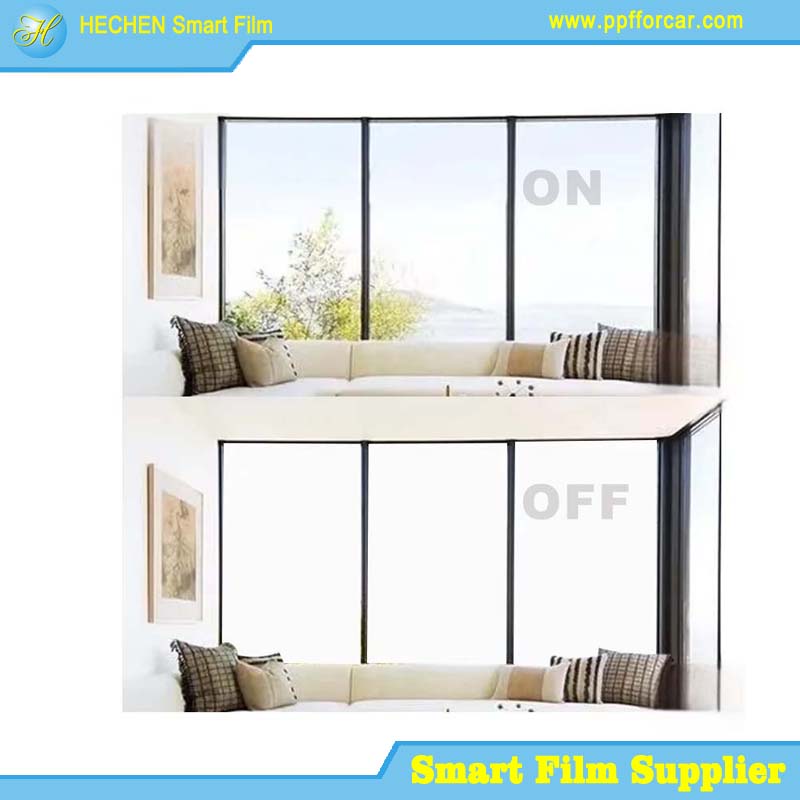
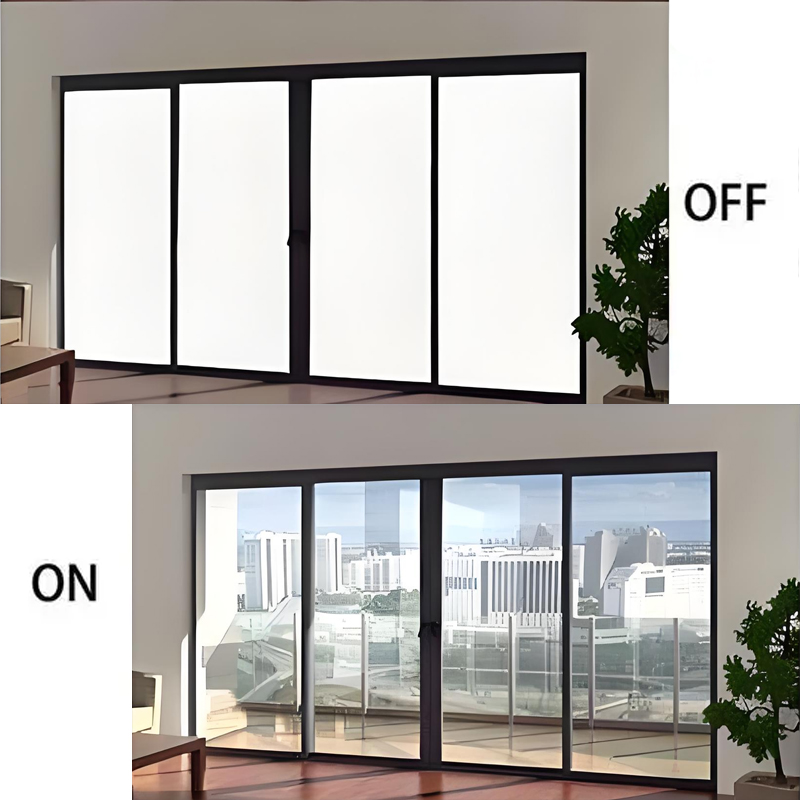
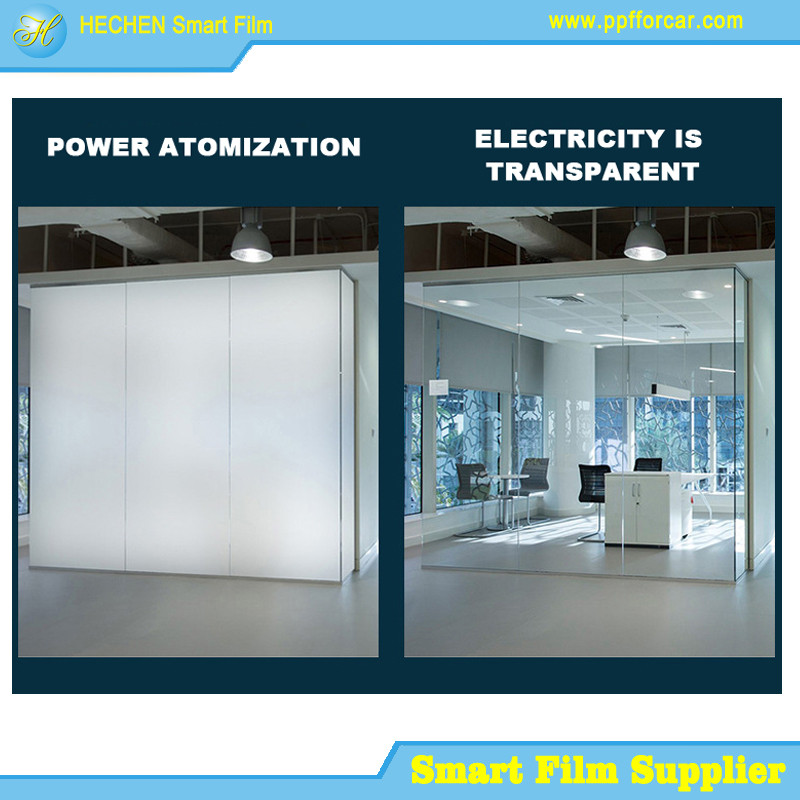
In the world of cutting-edge home and office automation, smart tint window film (also known as switchable film, PDLC film, or privacy glass film) represents a significant investment. Buyers rightly focus on its transformative benefits: instant privacy, glare reduction, UV protection, and modern aesthetic appeal. When comparing products, specifications like response time, transparency in the "on" state, opacity in the "off" state, and energy efficiency take center stage. However, there is another critical specification buried in the fine print that is often glossed over but holds immense financial consequence: the warranty.
A warranty is not merely a promise; it is a risk-management and cost-calculation document. For a technology that integrates directly into your building's façade and electrical system, a poorly structured warranty can turn an initial premium purchase into a recurring financial drain. This guide will dissect smart tint film warranties, explaining how their specific terms directly impact your total cost of ownership over years of use.
Part 1: Why Smart Tint Warranties Demand Scrutiny
Unlike a simple appliance, smart tint window film is a system. Its performance and longevity depend on:
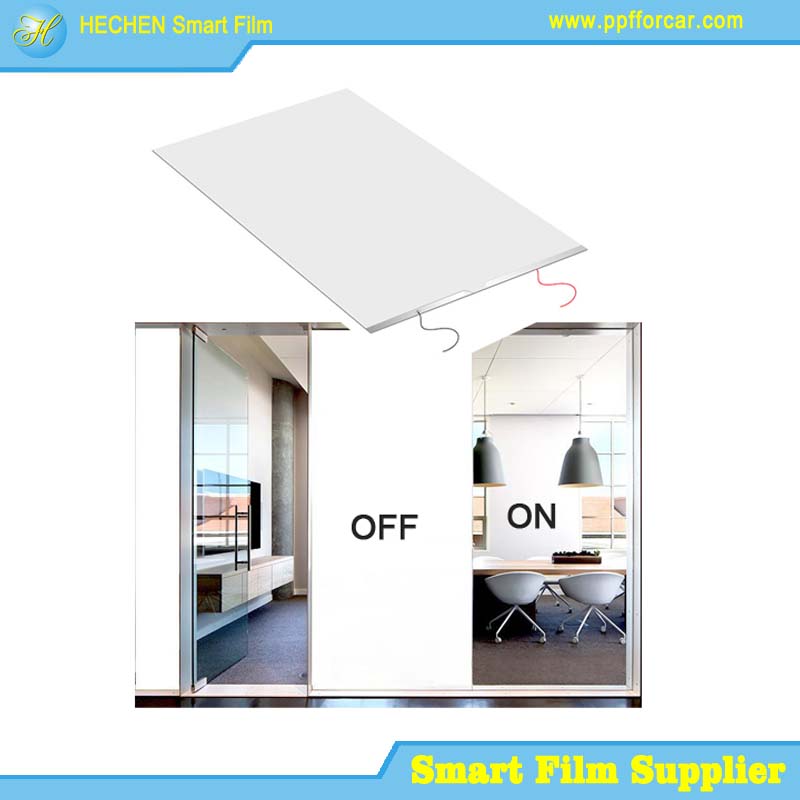
The Film Itself: The PDLC (Polymer Dispersed Liquid Crystal) or SPD (Suspended Particle Device) laminate.
The Installation: A flawless, bubble-free application by certified professionals.
The Electrical Components: The power supply (PSU), controllers, switches, and wiring.
External Factors: Window type, exposure to extreme weather, and maintenance.
A comprehensive warranty must address all these elements. A weak warranty that covers only the film material against manufacturing defects, for instance, leaves you vulnerable to costs from installation errors or controller failures—arguably the more common points of failure.
The Core Equation: Long-Term Cost = Initial Price + (Probability of Failure x Out-of-Warranty Repair/Replacement Cost)
A stronger warranty reduces the second part of this equation, potentially making a higher initial investment more economical over a 10- or 15-year period.
Part 2: Decoding the Warranty - Key Terms and Their Cost Implications
Let's break down the standard components of a smart tint warranty and what they mean for your wallet.
1. Warranty Duration: The Illusion of "Lifetime"
What it says: "Lifetime Warranty," "10-Year Warranty," "5-Year Full Warranty."
What it means (and costs you): Duration is the most advertised but often most misunderstood term.
"Lifetime": Whose lifetime? The product's? The building's? The first owner's? Typically, it's a "product lifetime" defined by the manufacturer, which may be 10-15 years. This requires careful reading.
Staggered Coverage: Many warranties are "staggered." For example: "10 years on the film, 5 years on the power supply, 1 year on labor." This is a red flag for cost. If your PSU fails in Year 6, you're paying 100% for the part and the labor to access and replace it—a cost that can run into hundreds of dollars per unit.
Cost Impact: A single, unified warranty period (e.g., 10 years on film, parts, and labor) provides predictable cost protection. Staggered warranties create future, unbudgeted expenses.
2. Scope of Coverage: "Material Defects" vs. "Performance Failure"
What it says: "Covers defects in materials and workmanship." Sometimes adds: "Covers delamination, discoloration, and persistent bubbles."
What it means (and costs you): A warranty limited to "material defects" is narrow. It might not cover:
Gradual Performance Degradation: If the film becomes slower to switch, develops a slight permanent haze, or loses its opacity over 5 years, is that a "defect" or "wear and tear"? A performance-based warranty that guarantees minimum transparency/opacity ratios and switching speeds is far superior.
Edge De-lamination: Often caused by environmental stress (heat cycling, moisture) or imperfect installation. Manufacturers may blame installation, installers may blame product. Without clear coverage, you're stuck in the middle, paying for a full redo.
Cost Impact: A performance-based warranty ensures the product functions as advertised for the warranty period, protecting your investment's value. A narrow defect-only warranty may leave you living with a subpar product or funding a costly replacement.
3. Labor Coverage: The Hidden Time Bomb
What it says: "Includes labor," "Labor covered for first year only," or "Labor not included."
What it means (and costs you): Removing and replacing failed smart film is highly skilled work. It's often more expensive than the initial installation because it involves careful removal (scraping glass) without damaging the window. Labor can be 50% or more of a repair job.
No Labor Coverage: You pay the full market rate for a specialist technician.
Staggered Labor Coverage: After year one, you pay. This is a major future liability.
Full-Term Labor Coverage: The gold standard. The warranty provider manages and pays for certified technicians for the full warranty period.
Cost Impact: The absence of long-term labor coverage represents the single largest potential out-of-pocket expense. Always calculate the potential cost of re-installation for several windows when comparing warranties.
4. Transferability: Protecting Your Property's Value
What it says: "Warranty is transferable to subsequent property owners," or "Warranty to original purchaser only."
What it means (and costs you): If you sell your home or office, a non-transferable warranty becomes void. This diminishes the value your smart windows add to the property. A new buyer will see them as a potential future liability, not a premium feature. A transferable warranty is a selling point that protects your ROI.
Cost Impact: A non-transferable warranty can reduce the resale value increment the smart film would otherwise provide, effectively increasing its net cost to you.
5. Claim Process & Exclusions: The Devil in the Details
What it says: Fine print on exclusions, required maintenance, and claim procedures.
What it means (and costs you):
Exclusions: Damage from "improper cleaning" (using ammonia-based cleaners is common), "physical abuse," or "acts of God" can void coverage. Some warranties require specific, often proprietary, cleaning solutions.
Authorized Installers: The warranty is almost always void if installed by a non-authorized technician. This ties you to the manufacturer's network, which can be good for quality but may limit price competition for repairs.
Paperwork Burden: Requirements to keep original invoices, registration forms, and installation certificates. Failure to do so can nullify the warranty.
Cost Impact: Complex claim processes and vague exclusions give insurers avenues to deny claims,leaving you with the full bill. A warranty with clear, reasonable terms and a straightforward claim process (often managed by your installer) reduces hassle and financial risk.
Part 3: Real-World Cost Scenarios
Scenario A: The "Bargain" Film with a Weak Warranty
Initial Cost: $25/sq. ft.
Warranty: "5-year limited warranty on film material only. 1 year on parts and labor."
Year 4: A power supply fails. Film is still "under warranty," but the PSU and labor are not.
Cost to You: $200 for new PSU + $150 service call/labor = $350 out of pocket.
Year 7: Film on a south-facing window shows significant yellowing.
Cost to You: Warranty is expired. Full replacement cost: $1,500 (for that window). Total 10-year cost: Initial + $350 + $1,500 = High and unpredictable.
Scenario B: The Premium Film with a Robust Warranty
Initial Cost: $35/sq. ft. (40% higher upfront).
Warranty: "10-year unified warranty covering film performance (hazing, delamination, switching failure), all electrical components, and labor. Transferable to new owners."
Year 4: PSU fails. Fully covered. Cost: $0.
Year 8: Film shows hazing. Performance warranty claim. Technician assesses, replaces film and reseals edges. Cost: $0.
Year 10 (Selling Property): Warranty transfers, adding value to the sale.
Total 10-year cost: Initial investment only. Predictable and protected.
Part 4: How to Vet a Smart Tint Warranty - A Checklist
Before you sign, ask these questions and get answers in writing:
Duration & Structure: Is it a single, unified period for all components (film, electronics, labor)? If staggered, what are the exact terms for each part?
Coverage Scope: Does it cover only "defects" or guaranteed "performance" (clarity, opacity, speed)? Is edge seal failure covered?
Labor: Is professional removal and re-installation labor covered for the full warranty period? Who dispatches the technician?
Transferability: Can it be transferred to a new building owner? Is there a fee?
Claim Process: Who do I call—the installer or a 1-800 number? What proof is required? What is the typical resolution timeline?
Exclusions: What specific cleaning products or methods are required? What exactly voids the warranty?
Warranty Backing: Is the warranty from the manufacturer, the installer, or a third party? A manufacturer's warranty is generally stronger than an installer's if that company goes out of business.
Conclusion
Choosing a smart tint window film is not just choosing a product; it's entering a long-term relationship. The warranty is the formal outline of that relationship. A comprehensive, transparent, and generous warranty indicates a manufacturer and installer who stand behind their product's integration and performance over the long haul. It signals confidence in their materials and workmanship.
Ultimately, viewing the warranty through the lens of Total Cost of Ownership (TCO) is essential. Paying a premium for a superior warranty is not an extra cost; it is an insurance policy that fixes your costs, protects your property's value, and ensures that your smart windows remain a satisfying, functional investment for years to come. Do not let the allure of a lower upfront price blind you to the potential for steep, hidden costs down the line. Read the warranty as carefully as the spec sheet—your future self will thank you.
For more about the smart tint window film warranty guide: warranty terms directly impact your long-term costs, you can pay a visit to Hechen PDLC Smart Film Manufacturers for more info.