The Applications and Core Guide of PDLC Windows
Polymer Dispersed Liquid Crystal (PDLC) windows represent a groundbreaking advancement in smart glass technology, allowing users to control the transparency of glass surfaces with the flick of a switch or a tap on a smart device. At its core, PDLC technology embeds liquid crystals within a polymer matrix, enabling glass to transition between transparent and opaque states. This innovation has transformed how we interact with our environments, offering privacy, energy efficiency, and aesthetic flexibility in various settings.
The concept of smart glass dates back to the late 20th century, but PDLC specifically emerged as a practical solution in the 1980s and 1990s through research in materials science. By dispersing liquid crystals in a polymer, scientists created a film that could be laminated between glass panes or applied directly as a retrofit. Today, PDLC windows are widely used in modern architecture, automotive design, and beyond, driven by the demand for sustainable and adaptable building materials. As of 2025, the global market for PDLC films is projected to reach significant milestones, reflecting growing adoption in energy-conscious designs. This guide serves as a comprehensive resource for understanding PDLC windows. We'll explore the underlying technology, delve into their diverse applications, weigh the pros and cons, provide practical installation and maintenance tips, and look ahead to future trends. Whether you're an architect, homeowner, or industry professional, this article aims to equip you with the knowledge to leverage PDLC technology effectively. By the end, you'll appreciate how these windows are not just functional but pivotal in creating smarter, more responsive spaces.
PDLC windows address key challenges in contemporary design, such as balancing natural light with privacy needs. In an era where energy costs and environmental concerns are paramount, PDLC offers a way to reduce reliance on artificial lighting and HVAC systems. For instance, in commercial buildings, they can dynamically adjust to sunlight, minimizing glare and heat gain. Residential users benefit from instant privacy without curtains or blinds, enhancing both security and convenience. As we navigate through this guide, keep in mind that PDLC is an active technology—requiring electricity to operate—which sets it apart from passive alternatives like electrochromic glass.
In summary, PDLC windows embody the fusion of innovation and practicality. Their ability to switch states in milliseconds makes them ideal for dynamic environments, and with ongoing advancements, their role in sustainable architecture is only expanding. Let's dive deeper into how this technology functions at a fundamental level.
How PDLC Windows Work
Understanding the mechanics of PDLC windows begins with the science of liquid crystals. Liquid crystals are materials that exhibit properties between those of conventional liquids and solid crystals, allowing them to change orientation under external stimuli like electricity. In PDLC technology, these crystals are dispersed as tiny droplets within a polymer matrix, forming a thin film that's sandwiched between two layers of glass or applied as a retrofit film.
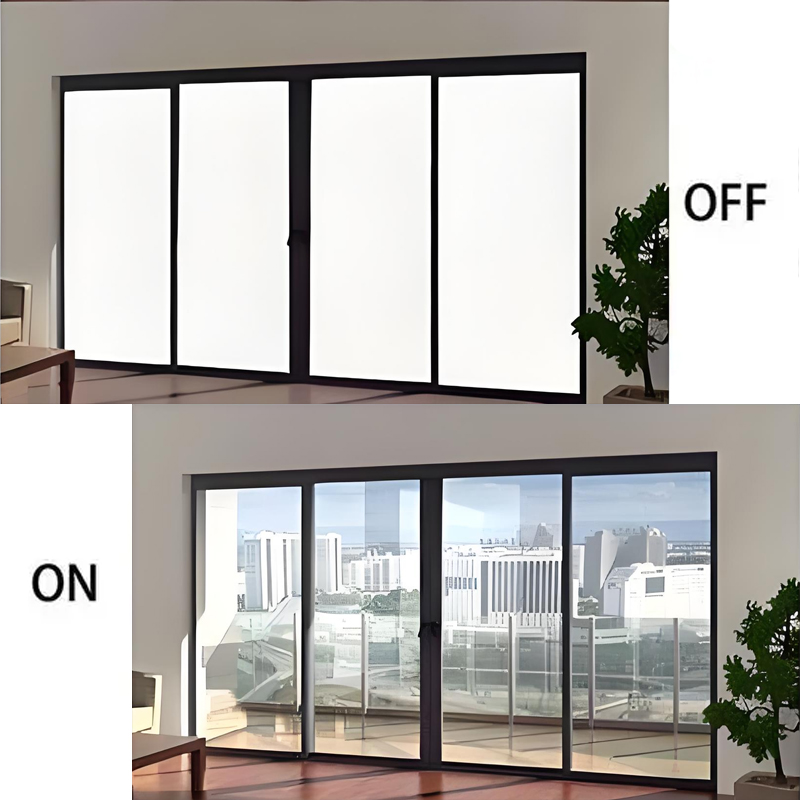
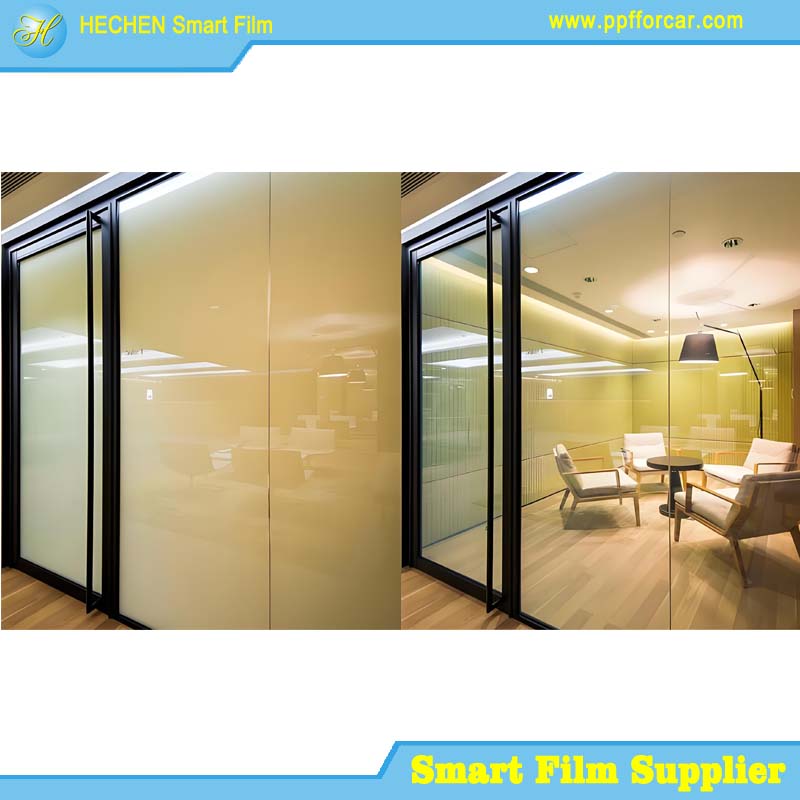
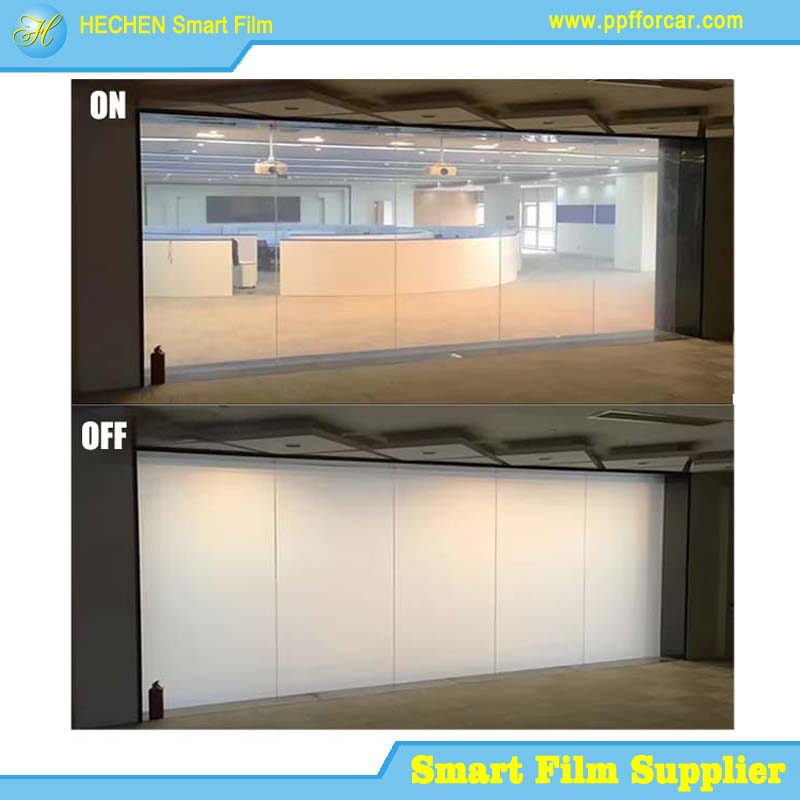
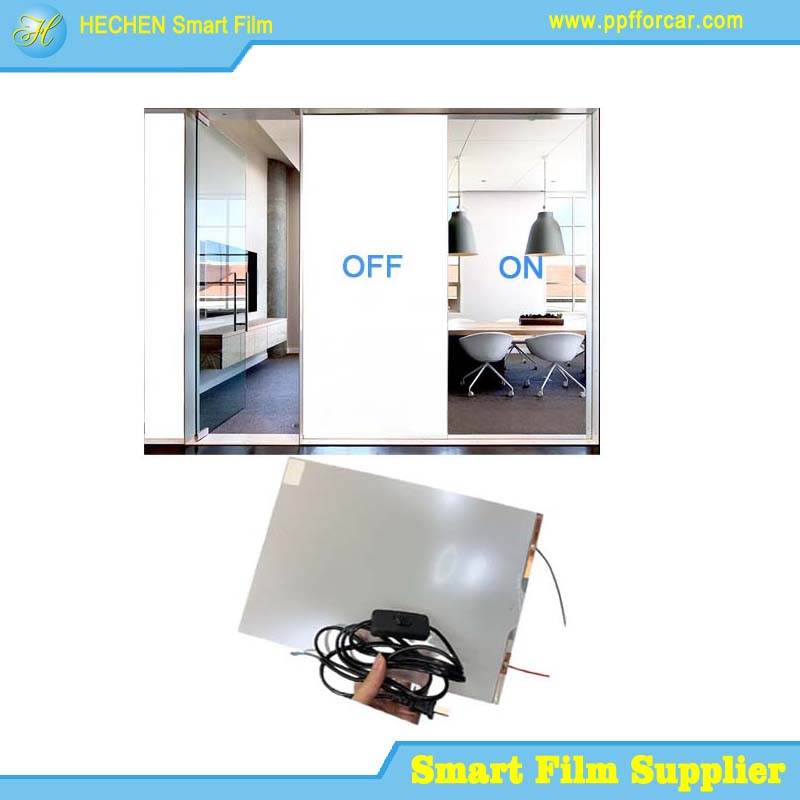
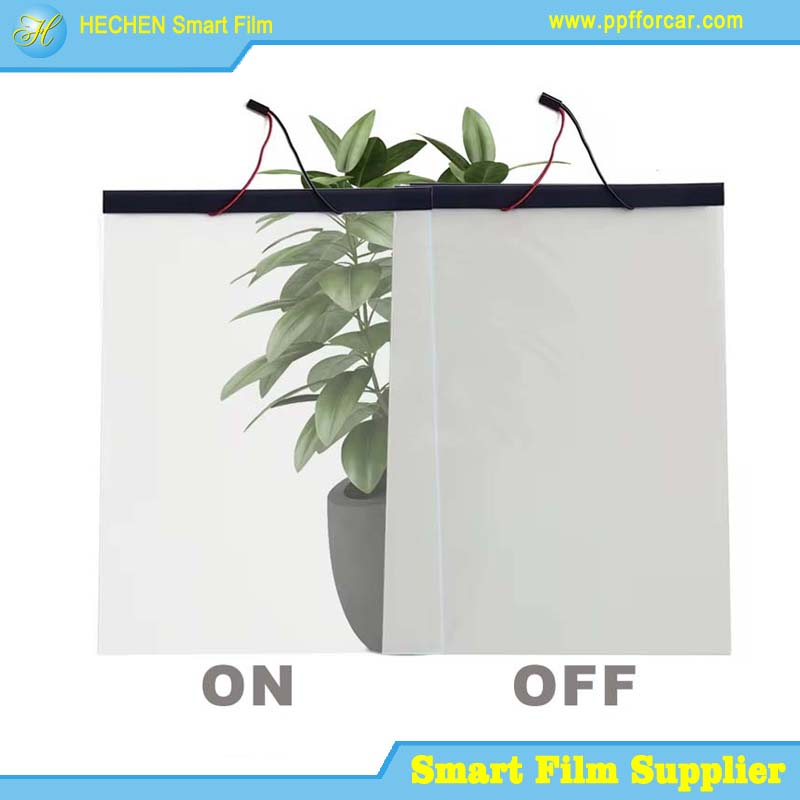
The key to PDLC's functionality lies in its two primary states: opaque (off) and transparent (on). In the off state, when no voltage is applied, the liquid crystal droplets are randomly oriented. This scatters incoming light, making the glass appear frosted or translucent. You can't see through it clearly, but light still passes, providing diffused illumination without full visibility. This is ideal for privacy applications, as it blocks direct views while maintaining brightness.
When a low-voltage electric current (typically 24-110 volts AC) is applied via transparent conductive coatings on the glass, the liquid crystals align parallel to the electric field. This alignment allows light to pass through uninterrupted, rendering the glass clear and transparent. The transition happens almost instantly—in less than a second—making it highly responsive. Unlike some smart glass technologies, PDLC doesn't tint or color the glass; it purely controls opacity.
The film itself is about 0.3-0.5 mm thick and can be customized in size, shape, and even dimming levels (some advanced versions allow partial transparency). Power consumption is minimal, around 5-10 watts per square meter when active, and zero when off. This efficiency stems from the fact that PDLC only draws power in the transparent state; in opaque mode, it's passive.
Manufacturing involves dissolving liquid crystals in a liquid polymer, then curing it to solidify the matrix. Electrodes are integrated for electrical connectivity. For windows, the film is laminated between glass panes during production or adhered to existing surfaces. Integration with smart home systems, like voice assistants or sensors, further enhances usability—imagine windows that automatically frost when motion is detected outside.
Potential limitations in the mechanism include a slight haze even in the clear state (typically 2-5% light scattering) and the need for a constant power supply in transparent mode. However, advancements have reduced these issues, making PDLC suitable for high-clarity applications. In essence, PDLC windows harness electro-optical properties to redefine glass from a static barrier to a dynamic interface.
Applications of PDLC Windows
PDLC windows have permeated numerous sectors, thanks to their versatility in providing on-demand privacy, light control, and energy management. In architecture, both residential and commercial, they are a staple for creating adaptable spaces. Homeowners use PDLC in bathrooms, bedrooms, and home offices to switch from open views to private sanctuaries without traditional window treatments. In commercial buildings, conference rooms and executive offices benefit from instant opacity during meetings, fostering focus and confidentiality.
The transportation industry has embraced PDLC for enhancing passenger comfort. In automobiles, it's applied to sunroofs and side windows to reduce glare and heat, improving energy efficiency in electric vehicles by lessening air conditioning needs. Trains and airplanes use it for cabin dividers, allowing crew to adjust privacy levels mid-journey. Luxury yachts and RVs incorporate PDLC for portholes and partitions, blending functionality with opulence.
Healthcare facilities represent another key application, where hygiene and privacy are critical. PDLC windows in hospital rooms, operating theaters, and clinics enable quick switches to obscure views during procedures or patient consultations. This eliminates the need for curtains, which can harbor bacteria, and supports infection control protocols. In mental health settings, they provide calming, adjustable environments.
Retail and advertising leverage PDLC's wow factor. Storefronts can turn transparent to showcase products during the day and opaque at night for security, or even project images when frosted. Interactive displays in malls use PDLC as projection screens, engaging customers with dynamic content.
Educational institutions are adopting PDLC for flexible learning spaces. Classrooms and libraries can reconfigure layouts by switching glass partitions, promoting collaborative or individual study modes. This adaptability aligns with modern pedagogy emphasizing versatile environments.
In the energy sector, PDLC contributes to green building certifications like LEED by optimizing natural light and reducing cooling loads. High-rise buildings use it on facades to manage solar gain, potentially cutting energy bills by 20-30%. Museums and art galleries employ PDLC to protect exhibits from UV light while allowing views when desired.
Emerging uses include smart homes integrated with IoT, where PDLC syncs with weather apps to auto-adjust for storms or heatwaves. In hospitality, hotels use it for room dividers, creating suites that expand or contract based on occupancy.
Overall, PDLC's applications span from everyday practicality to high-tech innovation, making it indispensable in sectors valuing adaptability and efficiency.
Advantages and Disadvantages
PDLC windows offer compelling benefits, starting with unparalleled privacy control. Users can achieve instant opacity without mechanical parts, reducing wear and tear compared to blinds. Energy efficiency is another major plus; by diffusing light in opaque mode, they cut down on artificial lighting needs, and in clear mode, they allow natural illumination while blocking UV rays, potentially lowering cooling costs by up to 40% in sunny climates. Aesthetically, PDLC provides a sleek, modern look, eliminating bulky window coverings and enhancing space perception. Security is bolstered as opaque states deter intruders by obscuring interiors. Durability is high, with lifespans of 10-20 years under proper use, and they require minimal maintenance. Integration with smart systems adds convenience, like voice-activated controls.
However, disadvantages exist. Initial costs are high—ranging from $50-150 per square foot—making it less accessible for budget projects. Installation demands professional expertise due to electrical wiring, increasing expenses. PDLC consumes power in transparent mode, though minimal, and fails to opaque if power is lost—though some models default to opaque.
It's not ideal for exterior applications in extreme weather, as UV exposure can degrade the film over time, and it's unsuitable for full blackout needs since light still diffuses through. Haze in clear mode might affect ultra-high-clarity requirements, and retrofitting curved surfaces is challenging.
Weighing these, PDLC excels in controlled indoor environments but may not suit all scenarios. Cost-benefit analysis often favors it for long-term savings in energy and maintenance.
Installation Guide
Installing PDLC windows requires precision to ensure functionality and longevity. For new constructions, integrate PDLC film during glass fabrication. For retrofits, use self-adhesive films on existing panes.
Start with preparation: Measure the glass accurately and order custom-cut PDLC film. Gather tools like squeegees, razor blades, nitrile gloves, isopropyl alcohol, and a spray bottle with soapy water. Clean the surface thoroughly—remove dirt, oils, or residues with alcohol to prevent bubbles.
Test the film electrically before application. Connect to a power source to verify switching.
For application: Peel the protective liner partially, spray the adhesive side and glass with soapy water to allow repositioning. Align and apply from top, squeegeeing out air and water in overlapping strokes. Trim excess with a razor. For electrical connections, attach busbars or wires to the film's electrodes, routing to a transformer hidden in walls or frames.
In laminated glass setups, professionals use vacuum bagging or autoclaves to bond layers. Seal edges with silicone to prevent moisture ingress.
Post-installation, test cycles and integrate with controls. Professional installation is recommended for complex jobs to avoid voids or shorts.
Maintenance
Maintaining PDLC windows is straightforward. Clean with soft cloths and mild, ammonia-free solutions to avoid damaging the film. Wipe gently; avoid abrasives. Inspect edges for delamination and protect from water exposure. Cycle the glass periodically to prevent crystal settling. In winter, use vinegar for frost removal. Professional checks every few years ensure electrical integrity.
Future Trends
By 2025, PDLC technology is evolving with IoT integration for automated controls and AI-driven energy optimization. Market growth projects billions in value, with focuses on affordability and eco-friendly materials. Hybrid systems combining PDLC with electrochromic tech offer tinting plus opacity. Mobile apps and sensors will dominate, enhancing user experience in smart cities.
Conclusion
PDLC windows are revolutionizing spaces with their blend of technology and utility. From core mechanics to broad applications, this guide highlights their potential. As trends advance, PDLC will play a key role in sustainable design.
For more about the applications and core guide of PDLC windows, you can pay a visit to Hechen PDLC Smart Film Manufacturers for more info.