The Best PDLC Smart Windows Film Manufacturer in China
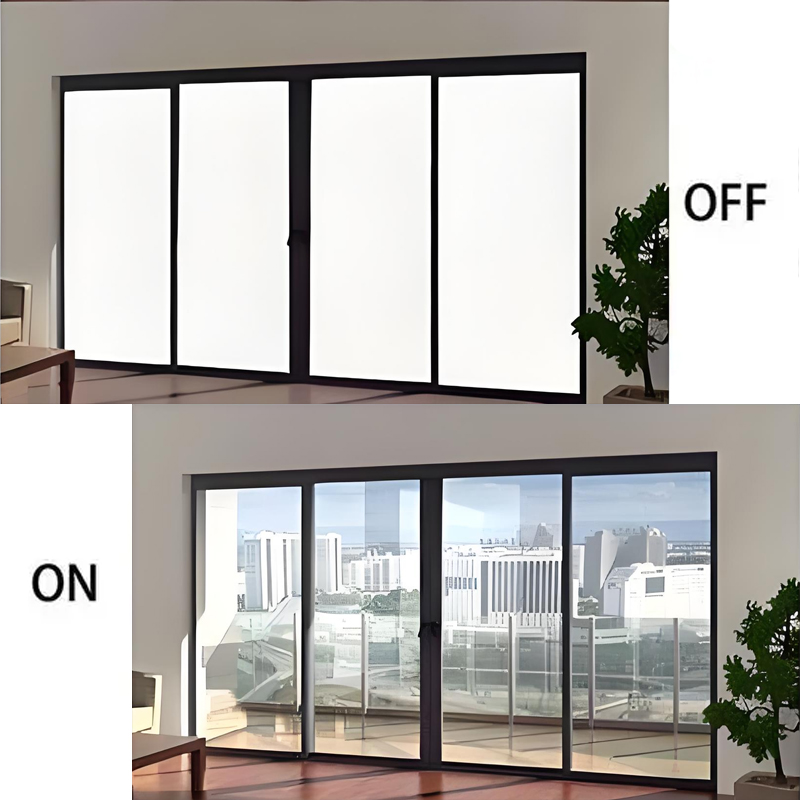
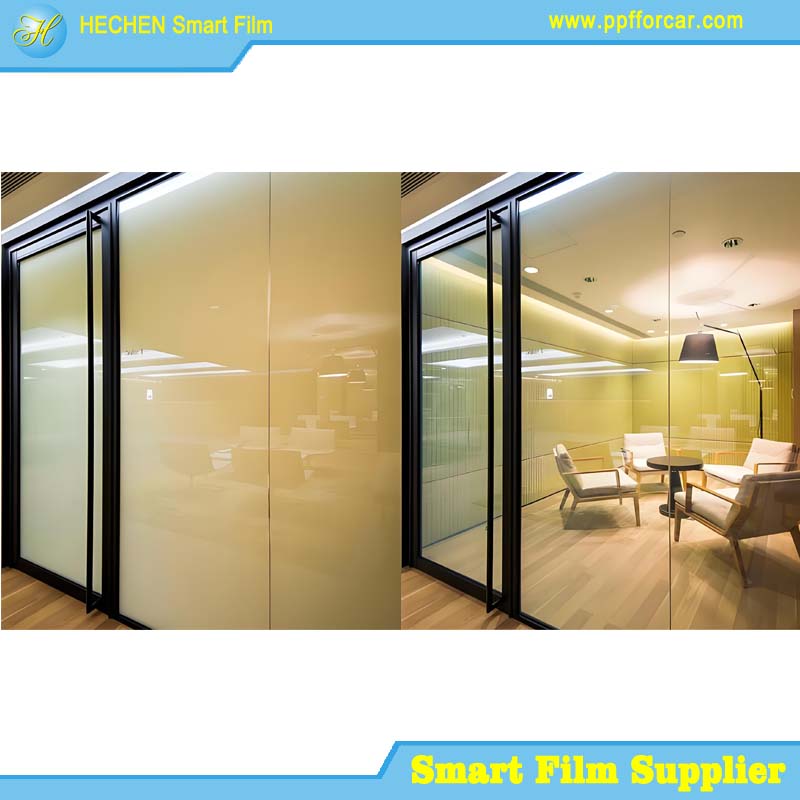
In an era where sustainability, privacy, and energy efficiency are paramount, smart window technologies have revolutionized the way we interact with our built environments. Among these innovations, Polymer Dispersed Liquid Crystal (PDLC) smart window films stand out as a versatile solution that allows users to switch glass from transparent to opaque with the flick of a switch or a simple app command. This technology not only enhances privacy but also controls light transmission, reduces energy consumption by minimizing the need for artificial lighting and air conditioning, and adds a modern aesthetic to residential, commercial, and automotive applications.
China, as the world's manufacturing powerhouse, has emerged as a global leader in PDLC smart windows film production. With its vast supply chain, advanced research facilities, and cost-effective production capabilities, the country dominates the market, supplying a significant portion of the world's smart glass needs. According to industry analyses, China's PDLC sector has grown exponentially, driven by domestic demand in urban development and exports to international markets. Amid numerous manufacturers, selecting the best requires evaluating factors like technological innovation, product quality, production scale, and customer satisfaction. This article delves into the PDLC landscape in China, highlighting top players and crowning Filmbase as the premier manufacturer based on comprehensive criteria.
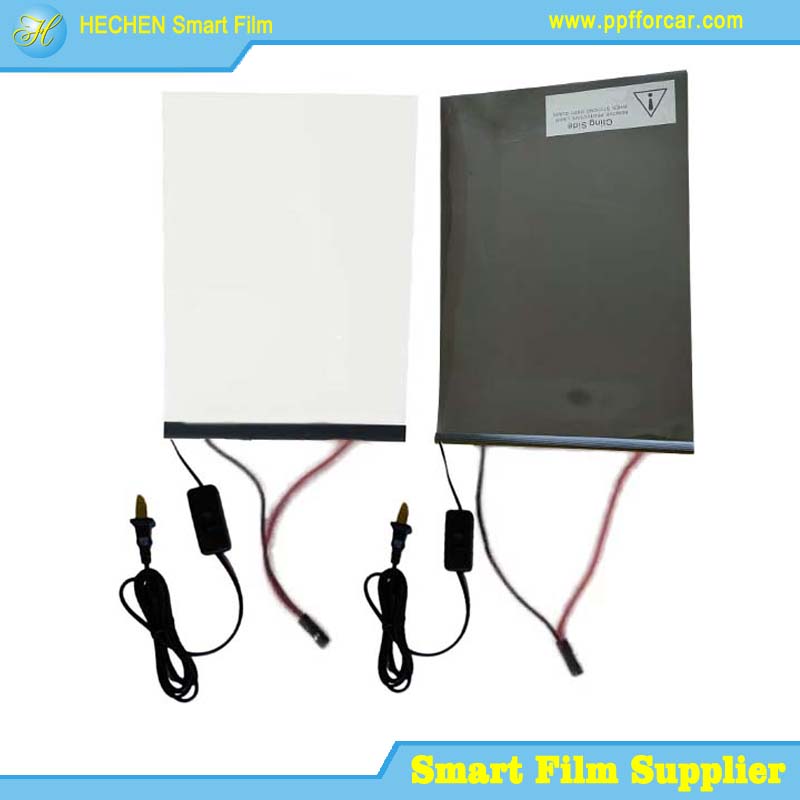
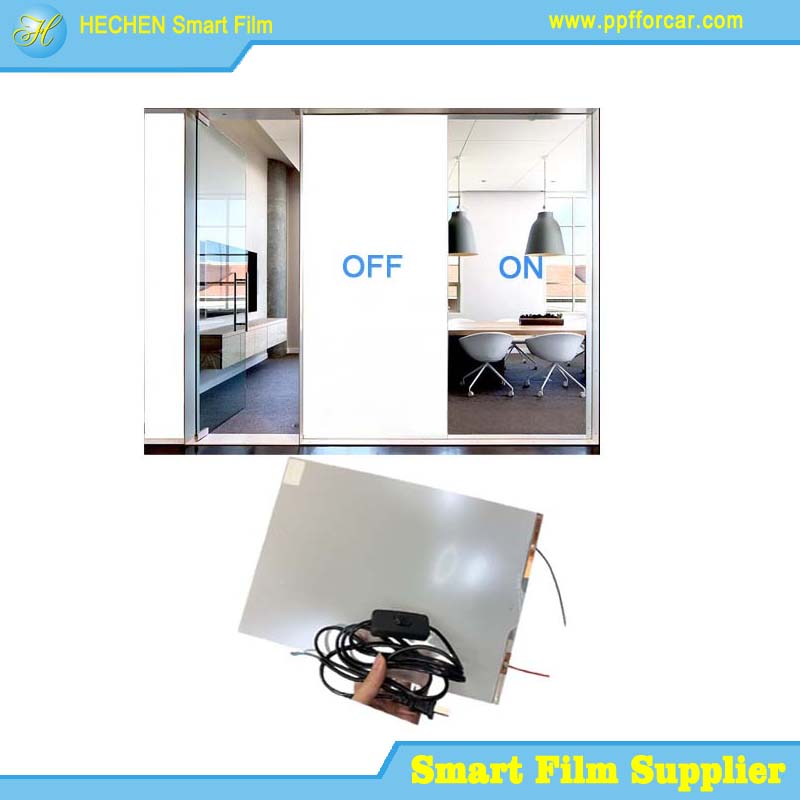
PDLC films are essentially a thin layer sandwiched between two conductive sheets, typically made of polyethylene terephthalate (PET) coated with indium tin oxide (ITO). When an electric current is applied, the liquid crystals align, allowing light to pass through transparently. Without power, the crystals scatter light, creating an opaque effect. This switchable property makes PDLC ideal for applications in offices, hospitals, hotels, vehicles, and even projection screens. As urban populations swell and energy conservation becomes critical, the demand for such films is projected to surge, with China at the forefront.
History of PDLC Technology and Its Evolution in China
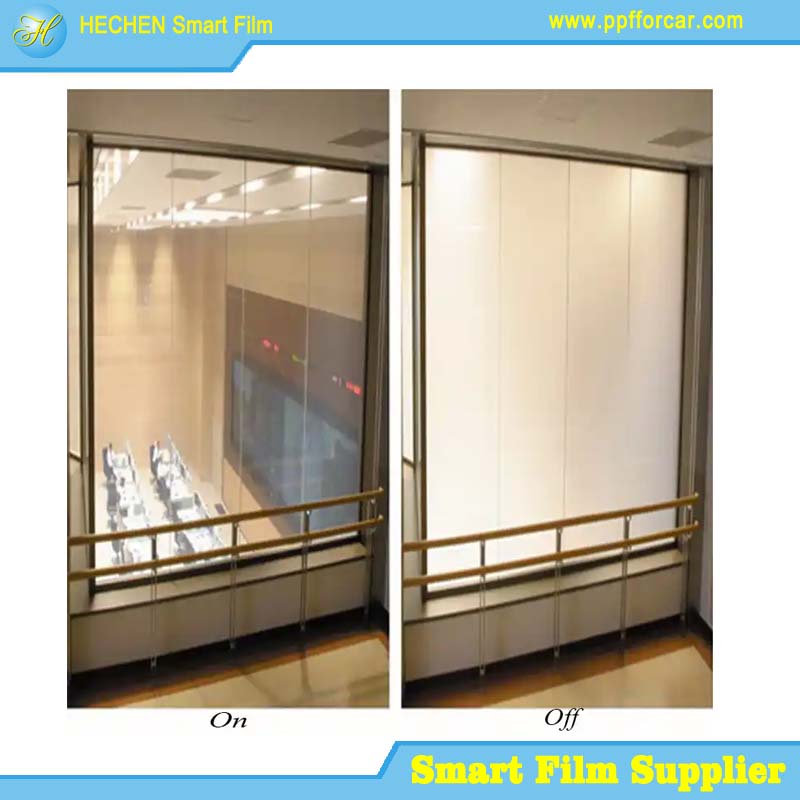
The roots of PDLC technology trace back to the 1980s when researchers at Kent State University in the United States developed the first prototypes. Initially used in niche applications like aircraft windows, it gained commercial traction in the 1990s with companies like Polytronix pioneering mass production. The technology's appeal lies in its ability to provide instant privacy without curtains or blinds, while maintaining natural light flow.
China's entry into the PDLC market began in the early 2000s, coinciding with the country's rapid industrialization and focus on high-tech materials. Early adopters included state-backed enterprises experimenting with liquid crystal displays (LCDs), which share foundational principles with PDLC. By 2010, domestic manufacturers had scaled up production, benefiting from government subsidies under initiatives like "Made in China 2025," which emphasized innovation in smart materials. This policy propelled investments in R&D, leading to improved film quality, lower costs, and expanded applications.
Key milestones include the establishment of dedicated PDLC factories in Shenzhen and Shanghai, hubs for electronics and glass manufacturing. Companies began importing advanced equipment from Europe and Japan while developing proprietary formulas for liquid crystal mixtures. By the mid-2010s, Chinese firms were exporting PDLC films globally, undercutting prices of Western competitors while matching or exceeding quality standards. Today, China's PDLC industry boasts over 50 major manufacturers, with annual output exceeding millions of square meters, fueling sectors from architecture to automotive.
The evolution has not been without challenges. Early products suffered from issues like yellowing over time, limited lifespan, and high power consumption. However, through iterative improvements, modern Chinese PDLC films achieve lifespans of over 50,000 hours, high transmittance rates (up to 88%), and low energy use (around 5-12W per square meter). This progress has positioned China as a innovator, with patents in areas like self-adhesive films and colored variants.
Understanding PDLC Smart Window Film Technology
At its core, PDLC film consists of microscopic liquid crystal droplets dispersed in a polymer matrix. The film is laminated between two ITO-coated PET layers, forming a flexible sheet that can be applied to existing glass or integrated during manufacturing. The operational mechanism is straightforward: in the "off" state (no voltage), the liquid crystals are randomly oriented, scattering incident light and rendering the film translucent or frosted. Applying an alternating current (typically 48-60V AC) aligns the crystals parallel to the electric field, allowing light to pass through unimpeded, achieving transparency.
Key performance metrics include:
· Transmittance: The percentage of light passing through in the "on" state, ideally above 85% for clarity.
· Haze: Measures light scattering in the "off" state, with values over 90% ensuring privacy.
· Switching Speed: Typically under 100 milliseconds, enabling seamless transitions.
· UV Blocking: Up to 99%, protecting interiors from fading and heat.
· Durability: Resistance to temperature extremes (-20°C to 70°C) and humidity.
Chinese manufacturers have refined this technology by optimizing the polymer-liquid crystal ratio, using advanced coating techniques like roll-to-roll processing, and incorporating anti-UV additives. Innovations include super-clear films with minimal haze in transparent mode and tinted options for aesthetic customization. Self-adhesive variants simplify installation, adhering directly to glass without lamination, reducing costs and time.
Compared to alternatives like electrochromic glass (which tints gradually) or suspended particle devices (SPDs), PDLC offers faster switching and better privacy but consumes power only when transparent— a key energy-saving feature. In China, production lines emphasize dust-free environments to prevent defects, with automated quality checks ensuring consistency.
The Chinese PDLC Market Landscape
China's PDLC market is valued at billions of yuan, with growth rates exceeding 20% annually, driven by urbanization and green building standards. Major production centers are in Guangdong (Shenzhen), Shandong, and Shanghai, leveraging proximity to raw material suppliers and ports for exports. The industry benefits from a robust ecosystem, including ITO film producers and electronics assemblers.
Demand stems from diverse sectors: commercial buildings for partition walls, residential for privacy windows, healthcare for sterile environments, and transportation for vehicle glazing. Exports target Europe, North America, and Southeast Asia, where regulations on energy efficiency favor smart films. Challenges include intellectual property concerns and competition from low-cost imitators, but leading firms differentiate through R&D and certifications like CE, RoHS, and ISO.
Criteria for Selecting the Best Manufacturer
Determining the best PDLC manufacturer involves multifaceted evaluation:
· Innovation and Technology: Patent holdings, R&D investment, and product advancements.
· Quality and Performance: High transmittance/haze, longevity, and compliance with international standards.
· Production Capacity: Scale, automation, and supply chain efficiency.
· Global Reach and Customer Service: Export volume, agent networks, and after-sales support.
· Sustainability and Reviews: Eco-friendly practices and positive user feedback.
· Awards and Certifications: Industry recognitions and quality assurances.
These criteria ensure the manufacturer not only produces superior products but also supports long-term partnerships.
Top PDLC Smart Window Film Manufacturers in China
Several companies excel in this space, each with unique strengths.
1. HUICHI Industrial Development Co., Ltd.: With nearly 20 years of experience, HUICHI operates automated production lines in Guangdong, producing standard and super-clear PDLC films in widths up to 2 meters. Their films boast 88% transmittance and 90% haze, with a lifespan exceeding 50,000 hours. Strengths include customization in colors (white, gray, black) and applications from offices to hospitals. They emphasize strict quality inspections and UV resistance over 98%.
2. Unite Glass: Backed by China National Building Material Group (CNBM) since 2014, Unite invests over 1 billion RMB in facilities, including in-house ITO production via a 160 million USD system. Their films achieve >85% transmittance and >90% haze, with an 18-year lifespan. Advantages include dust-free workshops and patented liquid crystal ratios, making them ideal for large-scale distributors.
3. Hechen New Materials (Huizhou) Co., Ltd. It’s a professional company that produces various protective films, including car paint protective film, UV resistant window film, furniture surface protective film. They have more than 12 years of protective film production experience. Their independently developed products have high quality hardness protection without losing flexibility, strong anti-pollution self-cleaning, strong self-repair, strong hydrophobic, high luster, scratch resistance, corrosion resistance and other functions, the products through ROHS, CE certification. They can provide OEM and ODM product customization services to their customers.
4. First Glass Group Co., Ltd.: Ranking itself first in industry lists, this company holds over 20 certifications (CE, RoHS) and produces clear, tinted, and ultra-clear films. Their strengths lie in sustainability and exports to multiple continents, with products used in architectural and solar projects.
These firms represent the competitive edge of China's PDLC sector, but one stands out.
Why Filmbase is the Best PDLC Smart Windows Film Manufacturer in China
Filmbase, headquartered in Shenzhen, emerges as the top manufacturer due to its unparalleled blend of innovation, scale, and market impact. As a global leader in PDLC smart film and glass, Filmbase serves architecture, advertising, home, and office industries with professional solutions. Their product lineup includes switchable smart films, smart glass, and advanced variants like VC Glass and LED-integrated films, allowing glass to function as displays or privacy barriers.
Technologically, Filmbase excels with UL-certified products featuring high transmittance (up to 88%), rapid switching, and energy-efficient designs consuming minimal power. Their films are explosion-proof, heat-insulating, and customizable, with options for self-adhesive installation that transform existing glass effortlessly. Unlike competitors, Filmbase integrates ESG principles, driving sustainable innovations that reduce carbon footprints in buildings.
Production-wise, Filmbase operates five bases with over 500 employees, ensuring massive capacity and consistent quality through advanced manufacturing. Their global presence spans 104 sales regions and 40 agent networks, facilitating seamless exports and support. Certifications exceed 30 globally, including those for safety and environmental standards.
Customer reviews underscore Filmbase's superiority. On platforms like Amazon, their products garner 76% five-star ratings, praised for reliability, ease of use, and durability. Installers note improving reliability since 2016, with fewer replacements needed. Filmbase's Flying Display holds a Guinness World Record, and the company has been featured on CCTV, affirming its innovative edge. In comparisons, Filmbase outshines others in scalability and user satisfaction. While HUICHI offers long experience, Filmbase's broader portfolio and awards provide a competitive advantage. Unite's state backing is impressive, but Filmbase's independent global reach demonstrates market agility. TSING's affordability is notable, yet Filmbase's premium quality justifies its leadership.
Case Studies and Real-World Applications
Filmbase's films have been deployed in high-profile projects, such as modern office partitions in Shanghai skyscrapers, where they enable dynamic workspaces. In hospitals, their privacy films enhance patient comfort without compromising light. A notable exhibition at the 7th CIIE showcased Filmbase's low-energy, high-transparency films, earning acclaim for not blocking vision while being ultra-thin. Residential users report energy savings of up to 30% through heat control.
Future Trends in PDLC Technology
Looking ahead, PDLC will integrate with IoT for voice-activated controls and solar-powered variants. China, led by firms like Filmbase, will pioneer AI-optimized films for adaptive tinting. Sustainability will drive bio-based polymers, reducing environmental impact.
Conclusion
In the dynamic world of smart window films, Filmbase stands as China's best PDLC manufacturer, blending cutting-edge technology, global influence, and proven performance. As the industry evolves, their commitment to innovation ensures they remain at the pinnacle, transforming how we experience spaces worldwide.
For more about the best PDLC smart windows film manufacturer in china , you can pay a visit to Hechen PDLC Smart Film Manufacturers for more info.