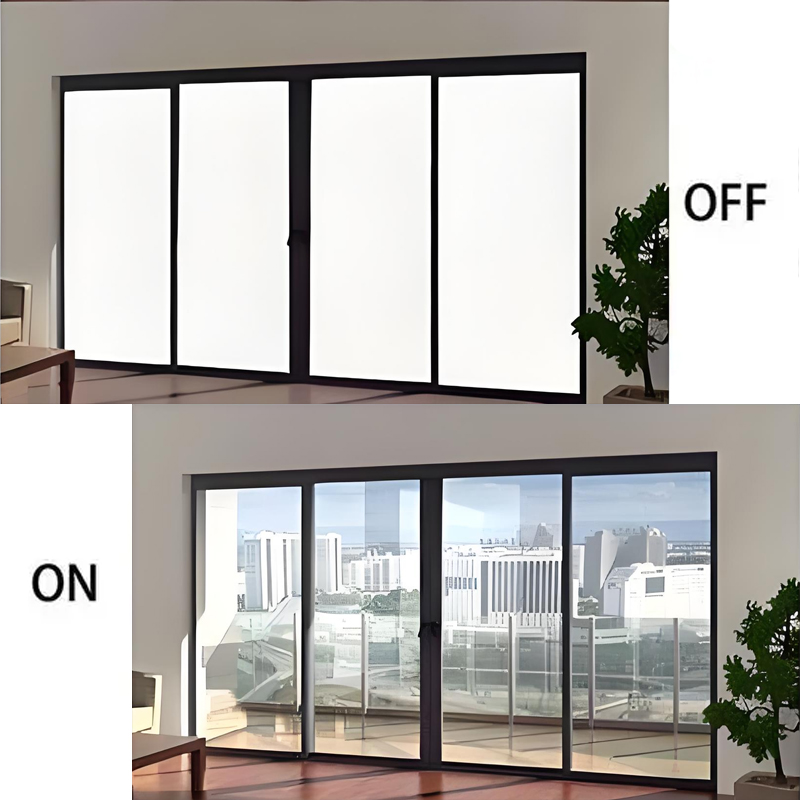
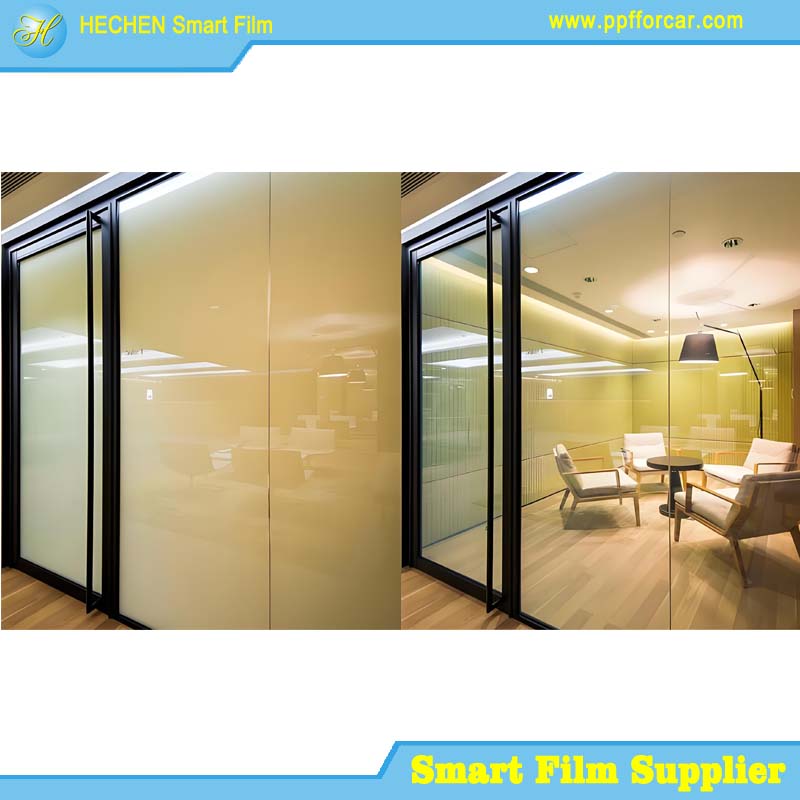
The Easy-to-Install and UV-Resistant PDLC Smart Window You Want
In the rapidly evolving world of smart home and building technologies, PDLC (Polymer Dispersed Liquid Crystal) smart windows stand out as a transformative innovation. These windows, often referred to as switchable or intelligent glass, allow users to control the transparency of their glass surfaces instantly, shifting from clear to opaque with the simple flick of a switch or tap on a smartphone app. What makes them particularly appealing in 2025 is their emphasis on ease of installation and robust UV resistance, addressing key concerns for homeowners, architects, and commercial developers alike.
PDLC smart windows utilize advanced liquid crystal technology embedded in films or glass panels to manipulate light transmission. This not only provides on-demand privacy but also enhances energy efficiency by reducing the need for artificial lighting and climate control. With global sustainability goals pushing for greener buildings, these windows contribute significantly by blocking harmful UV rays—up to 99% in many cases—protecting interiors from fading and occupants from skin damage. Moreover, their easy-to-install nature, often featuring self-adhesive films that can be applied to existing glass without major renovations, democratizes access to smart glass technology.
As urban spaces become denser and privacy becomes a premium, PDLC smart windows offer a sleek, modern alternative to traditional blinds or curtains. They eliminate dust accumulation, provide seamless integration with smart home systems, and support versatile applications from residential homes to high-rise offices. This article explores the technology, installation processes, UV-resistant properties, benefits, applications, and future trends of these innovative windows, providing a comprehensive guide for potential adopters. By the end, readers will understand why easy-to-install, UV-resistant PDLC smart windows are not just a luxury but a practical investment for contemporary living.
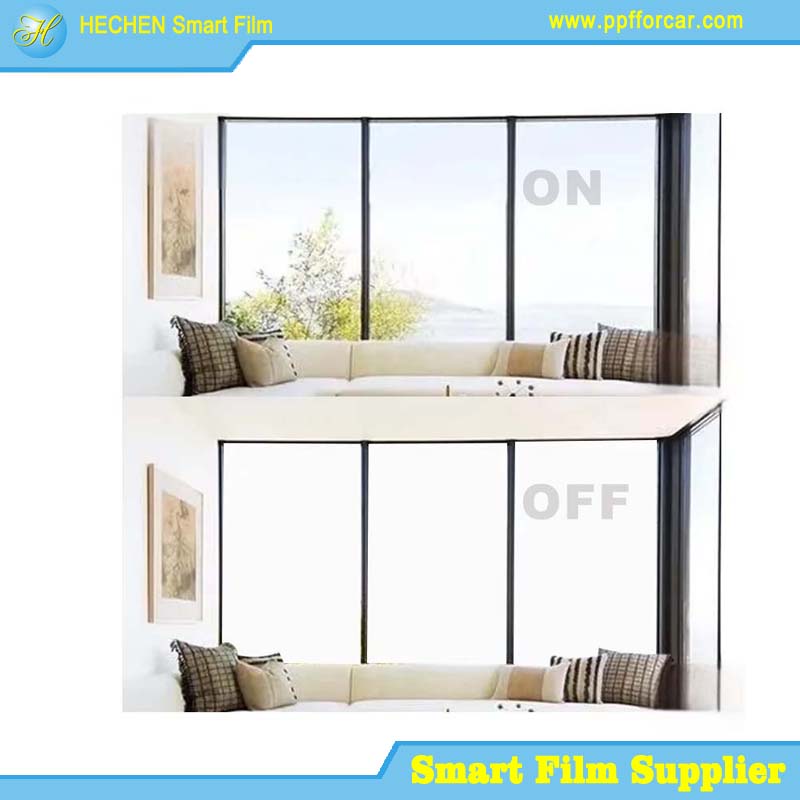
Understanding PDLC Technology
At the heart of PDLC smart windows is Polymer Dispersed Liquid Crystal technology, a sophisticated electro-optical system that enables dynamic control over glass opacity. PDLC consists of microscopic liquid crystal droplets suspended in a polymer matrix, sandwiched between two transparent conductive layers. In its default "off" state—without electrical power—the liquid crystals are randomly oriented, scattering incoming light and rendering the window opaque or frosted. This creates instant privacy while still allowing ambient light to diffuse through, maintaining a bright interior without direct visibility.
When a low-voltage electrical current is applied—typically ranging from 12 to 60 volts AC or DC—the liquid crystals align uniformly, permitting light to pass straight through and turning the window transparent. This transition occurs in milliseconds, offering seamless usability. Advanced variants include dimmable options, where voltage modulation allows for partial opacity, and reverse PDLC (PNLC), which is clear when off and opaque when on, ideal for energy-saving applications where transparency is the default.
PDLC technology has matured significantly by 2025, incorporating enhancements like square-wave controllers for efficient power management, reducing consumption by up to 40% and enabling 24/7 operation without overheating. These windows are powered safely, complying with electrical standards, and integrate with IoT devices for voice or app control via platforms like Alexa or Google Home. Materials are engineered for durability, with scratch-resistant coatings and compatibility for both indoor and outdoor use, including high-temperature environments up to 186°F.
UV resistance is a core feature, with films blocking 98-99.99% of harmful ultraviolet rays in both states, preventing furniture fading, artwork degradation, and health risks from prolonged exposure. This is achieved through specialized polymer formulations that absorb UV wavelengths without compromising visible light transmission. Additionally, PDLC windows reduce infrared heat by up to 98%, contributing to thermal insulation and energy savings. As a result, they align with green building certifications like LEED, making them a staple in sustainable architecture.
Features: Easy Installation
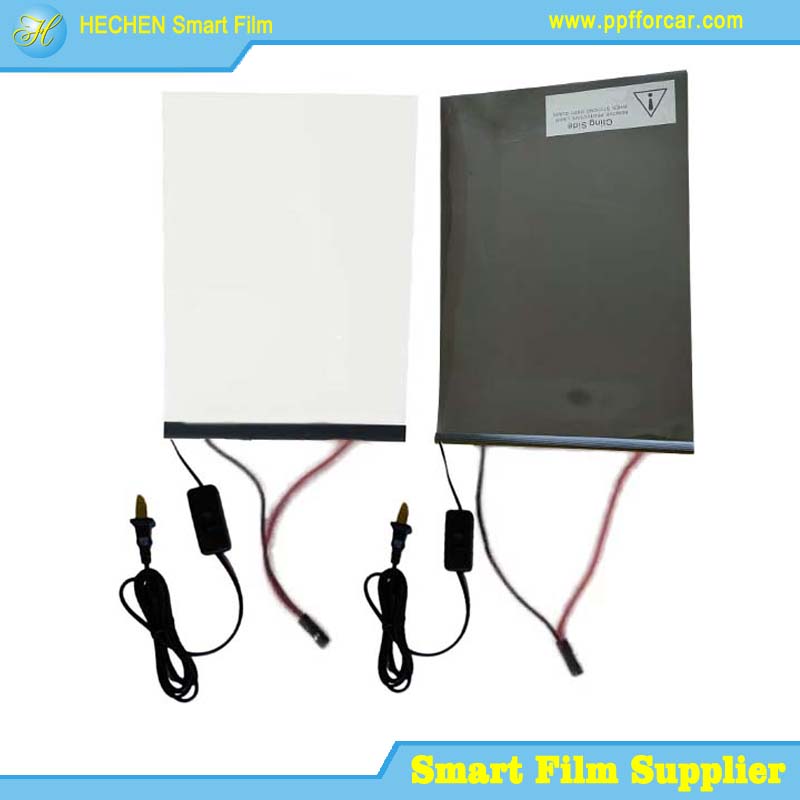
One of the standout features of modern PDLC smart windows is their user-friendly installation process, which eliminates the need for extensive construction or glass replacement. Most products come in the form of self-adhesive films, utilizing technologies like Smart Cling® or electrostatic glue, allowing them to be peeled and stuck directly onto existing flat glass surfaces. This retrofit approach is ideal for homeowners and renters, as it can be done DIY-style with basic tools like a squeegee, utility knife, and cleaning solution.
The installation begins with thorough surface preparation: cleaning the glass to remove dirt, oils, or residues ensures optimal adhesion. The film is then measured, cut to size—often with customizable dimensions up to 71 inches wide and over 196 feet long—and applied from one edge, smoothing out air bubbles as you go. Electrical connections involve attaching bus bars (conductive strips) to the film's edges and linking them to a low-voltage transformer, which can be plugged into standard outlets or hardwired by an electrician for larger setups.
For those preferring professional help, certified installers handle the process, including outgassing to prevent bubbles and ensuring seamless edges. Laminated versions, where PDLC film is sealed between glass panes, are suited for new constructions but still simpler than traditional smart glass, requiring only standard glazing techniques. Non-adhesive options use mechanical fixation like tapes for curved or irregular surfaces, expanding versatility.
This ease extends to removal: high-quality films peel off without residue, preserving the original glass. Installation time varies—small windows take minutes, while large partitions might require hours—but overall, it's far less disruptive than alternatives. Brands like VR Smart Glass and Gauzy offer DIY kits with instructions, transformers, remotes, and support, making the technology accessible even to novices.
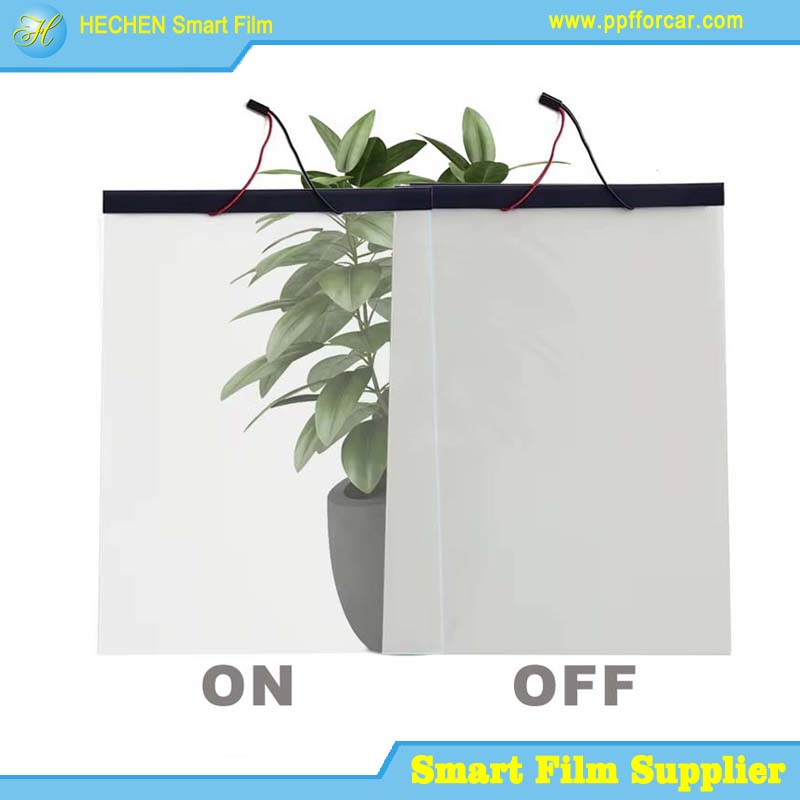
UV Resistance and Other Benefits
UV resistance is a pivotal benefit of PDLC smart windows, with advanced films blocking up to 99.99% of ultraviolet radiation, safeguarding interiors and health. This protection is inherent in the polymer matrix, which absorbs UV rays without yellowing or degrading over time, ensuring longevity of 10-20 years. By preventing sun-induced fading, these windows extend the life of furnishings, flooring, and artwork, potentially saving thousands in replacements.
Beyond UV, PDLC windows excel in energy efficiency, reducing solar heat gain by 49-86.9% and infrared rays by 98%, lowering HVAC costs by 10-20% annually. They also provide noise reduction—up to 20% compared to standard glass—creating quieter environments. Privacy on demand eliminates the need for curtains, reducing maintenance and allergens.
Aesthetically, they offer a modern, frameless look, doubling as projection screens for presentations or entertainment. Integration with smart systems allows automated scheduling based on time, light, or occupancy. Environmentally, low power use (0.3-5 watts per sq ft) and recyclability support sustainability. Additional perks include shatter resistance for safety and customizable colors like white, gray, black, or even pink and blue for design flexibility.
Types and Variants
PDLC smart windows come in various types to suit different needs. Self-adhesive films are the most popular for easy retrofits, available in standard (opaque off, clear on) and reverse modes. Laminated versions integrate into new glass for enhanced durability and sound insulation.
Variants include high-temperature films for outdoor use, solar-reflective options for extra heat control, and patterned designs for aesthetic appeal. Colors range from classic white to vibrant hues, with widths up to 71 inches. Dimmable films offer gradient control, while photovoltaic-integrated versions harness solar energy.
Leading brands like Gauzy provide white, dark, and high-temp variants; Smart Tint offers ETL-certified, app-compatible films; and VR Smart Glass focuses on customizable kits.
Applications Across Sectors
PDLC smart windows shine in diverse applications. In residential settings, they enhance bathrooms, bedrooms, and home offices with instant privacy and UV protection, ideal for sun-facing windows. Offices use them for conference rooms and partitions, fostering open yet private workspaces.
Commercial spaces like retail stores employ them for dynamic displays, while hospitals ensure patient confidentiality and hygiene. Automotive applications include vehicle windows for glare reduction and privacy. Educational institutions create flexible classrooms, and public venues like airports use them in lounges.
In hospitality, hotels incorporate them in showers and suites; museums protect exhibits from UV. Their versatility extends to yachts, banks, and advertising screens.
Installation Guide
To install PDLC smart windows, start with cleaning the glass. Cut the film to size, peel the backing, and apply smoothly with a squeegee. Connect bus bars to a transformer and test the switch.
For laminated types, consult professionals. Maintenance involves gentle wiping with non-abrasive cleaners.
Cost Analysis
Costs range from $29-75 per sq ft for films, with full systems (including controls) at $50-100 Factors include size, type, and labor; ROI comes from energy savings.
Pros: Easy install, high UV block, energy efficiency, privacy. Cons: Initial cost, requires power, potential haze in low-quality films.
Future Trends
By 2025 and beyond, expect solar-powered PDLC, AI integration, and affordable nanomaterials for wider adoption in smart cities.
Conclusion
Easy-to-install, UV-resistant PDLC smart windows blend functionality with innovation, offering privacy, protection, and efficiency. As technology advances, they promise to redefine living and working spaces.
For more about the easy-to-install and UV-resistant PDLC smart window you want, you can pay a visit to Hechen PDLC Smart Film Manufacturers for more info.