What Factors Affect the Stability and Service Life of PDLC Films
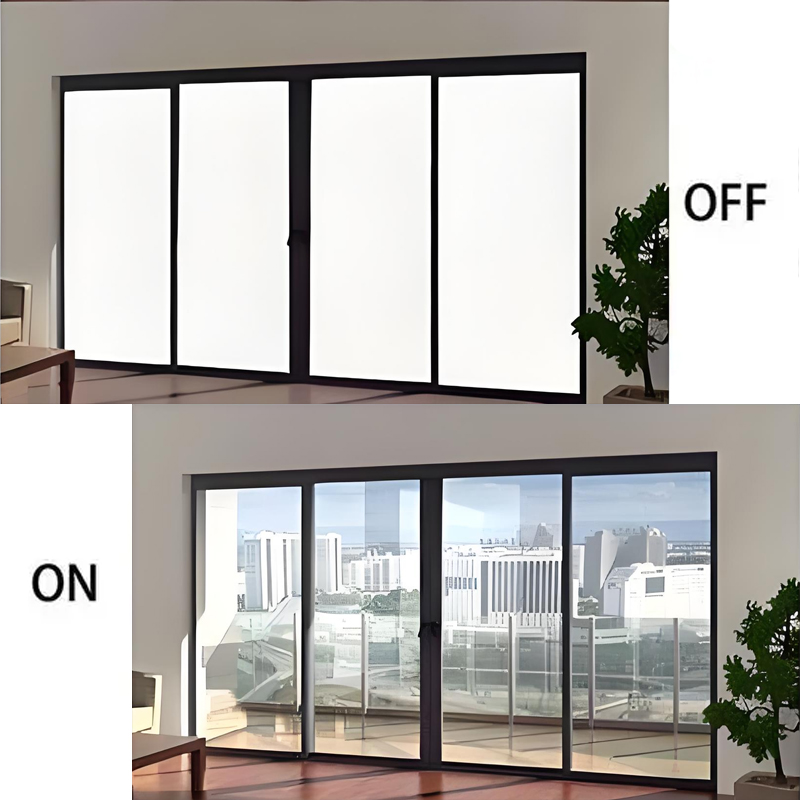
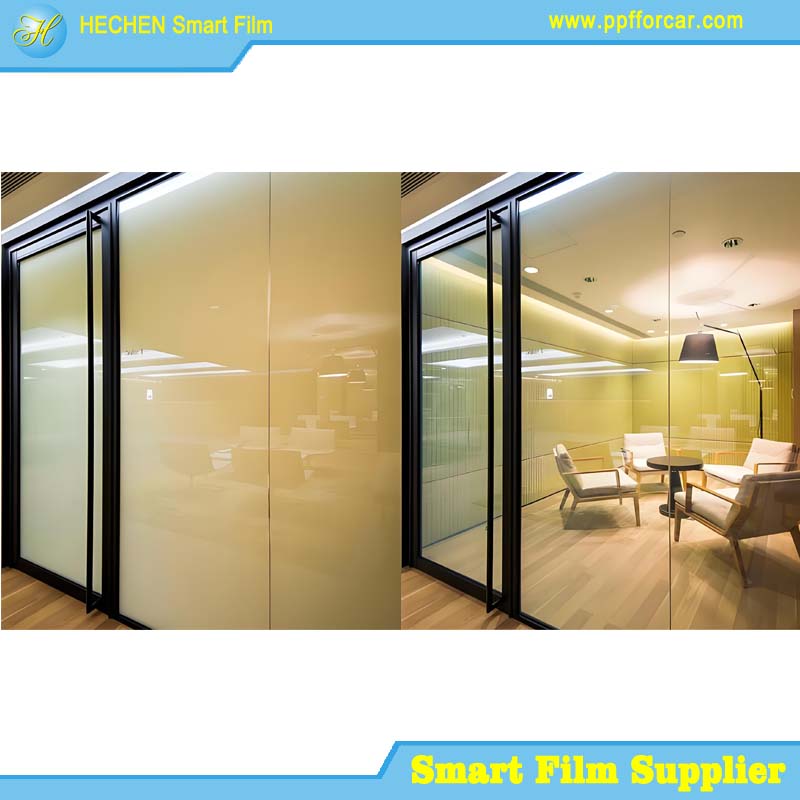
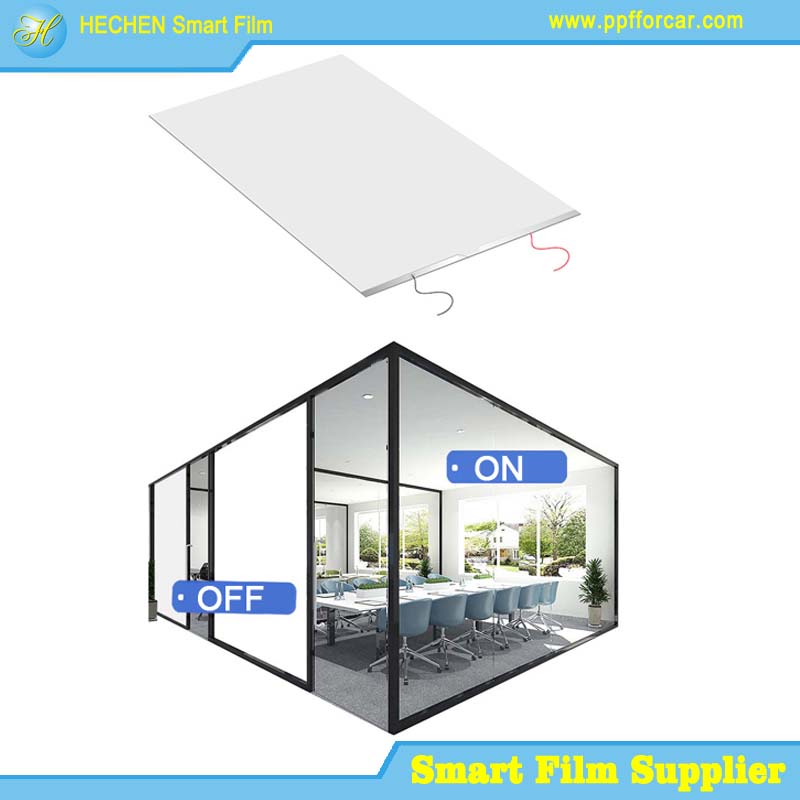
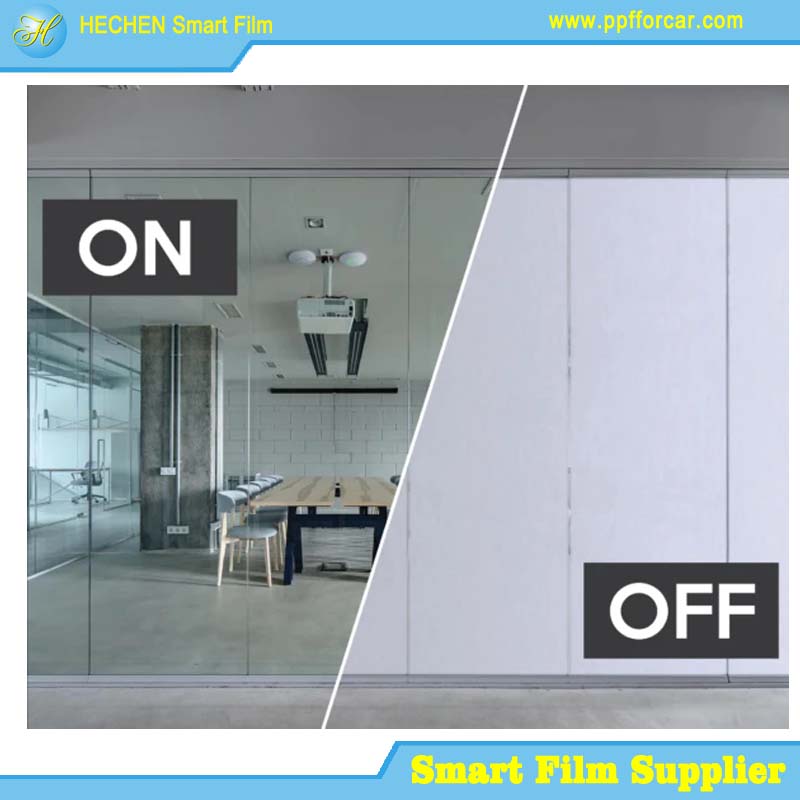
Polymer Dispersed Liquid Crystal (PDLC) films represent a cutting-edge technology in smart materials, offering the ability to switch between opaque and transparent states with the application of an electric field. These films consist of microscopic liquid crystal droplets embedded within a polymer matrix, typically sandwiched between transparent conductive layers. When no voltage is applied, the liquid crystals are randomly oriented, scattering light and rendering the film opaque. Upon applying an electric field, the crystals align, allowing light to pass through and making the film transparent. This electro-optical switching property has made PDLC films invaluable in applications such as smart windows for buildings and vehicles, privacy screens, projection displays, and energy-efficient glazing systems.
The stability of PDLC films refers to their ability to maintain consistent electro-optical performance, mechanical integrity, and visual quality over time under various conditions. Service life, on the other hand, is the duration during which the film reliably performs its intended function before degradation necessitates replacement. Typically, high-quality PDLC films can last 10-20 years indoors, with smart glass variants extending to 20-30 years, though these figures can vary significantly based on influencing factors. Understanding what affects these aspects is crucial for manufacturers, architects, and end-users aiming to optimize durability and cost-effectiveness.
 Material Composition and Its Impact
The foundational elements of PDLC films—the polymer matrix, liquid crystals, and additives—play a pivotal role in determining stability and longevity. The polymer matrix provides structural support and encapsulates the liquid crystal droplets, while the liquid crystals enable the switching mechanism. Variations in these components can lead to significant differences in performance.
One key aspect is the type and ratio of monomers used in the polymer matrix. Acrylate monomers containing hydroxyl groups, for instance, enhance thermal stability by improving the polymer network's resilience. Rigid monomers, such as those with benzene rings, contribute to higher mechanical strength and aging resistance, allowing films to withstand prolonged exposure to elevated temperatures without degrading. Studies have shown that optimizing the monomer-to-liquid crystal ratio can yield films stable at temperatures from -20°C to 80°C, maintaining electro-optical properties even after 2000 hours at 80°C. Crosslinking agents also affect the polymer network's morphology; denser networks from higher crosslinker content improve mechanical properties but may increase driving voltage, potentially shortening service life if not balanced properly.
Additives further refine properties. Nanoparticles like ZnO whiskers or Gd2O3 can improve electro-optical responses and durability by stabilizing the polymer network and reducing voltage requirements. Fluorescent dyes or quantum dots enhance functionality but must be carefully integrated to avoid compromising longevity. High-quality raw materials overall lead to greater durability; inferior materials may result in yellowing or delamination over time, reducing service life to as little as 10 years under normal use.
Environmental Factors Influencing Stability
PDLC films are sensitive to their surroundings, with environmental conditions often being the most significant accelerators of degradation. Temperature, humidity, ultraviolet (UV) radiation, and exposure to chemicals or pollutants can profoundly affect both stability and service life.
Temperature extremes pose a major challenge. At high temperatures, the polymer matrix may soften, leading to droplet coalescence and loss of switching efficiency. Conversely, low temperatures can cause liquid crystals to freeze, impairing alignment. Films designed with wide-temperature-range liquid crystals and hydroxyl-functionalized monomers exhibit superior thermal stability, functioning reliably from -20°C to 80°C. Aging tests reveal that prolonged exposure to 80°C can degrade unprotected films within hundreds of hours, but optimized compositions endure over 2000 hours without significant electro-optical loss. For outdoor applications, such as automotive or architectural glazing, thermal cycling reduces lifespan to around 5 years, compared to 15+ years indoors.
Humidity and moisture ingress accelerate hydrolysis of the polymer, causing swelling, delamination, or electrical shorts. Hydrophobic additives, like fluorine-containing compounds, enhance water resistance, improving longevity in humid environments. UV exposure is another critical factor; prolonged sunlight can photodegrade the polymer and liquid crystals, leading to yellowing and reduced transmittance. PDLC films often incorporate UV blockers, achieving up to 99.8% UV rejection, which preserves color stability and extends service life. In sunny climates, unprotected films may yellow after 10 years, while those with anti-UV coatings last longer.
 Electrical and Operational Parameters
The way PDLC films are operated electrically directly impacts their longevity. Voltage, frequency, switching frequency, and cycle count are key operational factors.
Driving voltage must be optimized; excessive voltage can overheat the film, accelerating degradation, while insufficient voltage leads to incomplete switching and potential burnout over time. Typical operating voltages range from 50-100 VAC for large films, with lower voltages preferred for energy efficiency and extended life. Frequency affects stability—higher frequencies (500Hz+) minimize flicker and enhance response times, reducing stress on the liquid crystals.
Switching cycles test endurance. High-quality films withstand over 3,000,000 cycles without failure, equivalent to decades of daily use. However, frequent cycling in demanding applications like interactive displays can induce fatigue in the polymer matrix, leading to micro-cracks or droplet misalignment. Power quality matters; voltage spikes or inconsistent supply can cause premature failure.
Manufacturing Processes and Installation Practices
The production and deployment of PDLC films significantly influence their durability. Manufacturing involves polymerization-induced phase separation (PIPS), where UV curing separates liquid crystals into droplets within the polymer.
Film thickness and uniformity are crucial; thicker films (e.g., 0.4-0.5 mm) offer better UV protection but may increase haze if not uniform. Droplet size control via curing conditions affects electro-optical properties—optimal sizes minimize off-state haze and enhance stability. Vacuum coupling or dual-step polymerization improves adhesion and reduces defects, leading to haze factors as low as those in commercial benchmarks.
Installation affects mechanical stability. Improper handling can introduce stresses, causing delamination. For flexible substrates, bending resistance is key; polymer-stabilized designs maintain spacing under flexure. Maintenance, including gentle cleaning and avoiding abrasives, preserves surface integrity. Professional installation extends life by 5-10 years compared to DIY efforts.
 Conclusion
The stability and service life of PDLC films are governed by a multifaceted interplay of material, environmental, electrical, manufacturing, and installation factors. By selecting high-quality components, optimizing designs for specific environments, and ensuring proper operation and maintenance, service lives exceeding 20 years are achievable. Ongoing research into advanced formulations promises even greater durability, solidifying PDLC films' role in sustainable, smart technologies.
For more about what factors affect the stability and service life of PDLC films, you can pay a visit to Hechen PDLC Smart Film Manufacturers for more info.