What Is Electric Car Window Tint? Everything You Need to Know
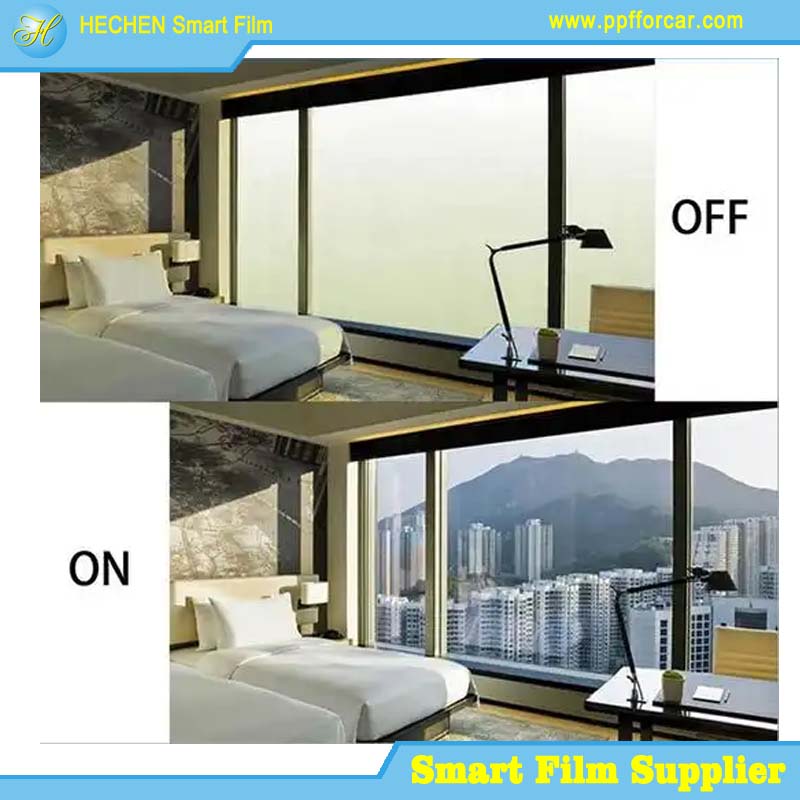
For decades, car window tint has been a static film applied to glass, offering a fixed level of sun protection and privacy. But what if your windows could adapt at the touch of a button? Enter electric car window tint, a cutting-edge smart glass technology that transforms ordinary windows into dynamic, controllable surfaces. This isn’t a film you apply yourself; it’s an integrated electrochromic system that allows you to alter a window’s tint from clear to dark and anywhere in between. From enhancing architectural design to revolutionizing automotive comfort and privacy, electric car window tint represents a significant leap in material science and user-centric technology.
The Core Technology: How Does Electric Car Window Tint Actually Work?
Electric window tint, more accurately termed switchable film, smart glass, or electrochromic glass, operates on principles of electrochemistry and nanotechnology. Unlike traditional dyed or ceramic films that merely block light, this technology actively changes its optical properties when a small electrical voltage is applied.
At its heart is a multi-layered assembly, typically laminated between two panes of glass or applied as a film to existing glass. The key component is the electrochromic layer, often made from tungsten oxide or another metal oxide. Here’s a simplified breakdown of the process:
The Layered Structure: A typical smart glass panel consists of five microscopically thin layers sandwiched between two conductive layers (usually transparent conductive oxide like ITO – Indium Tin Oxide). The stack is: Conductive Layer / Electrochromic Layer / Ion Conductor (Electrolyte) / Ion Storage Layer / Conductive Layer.
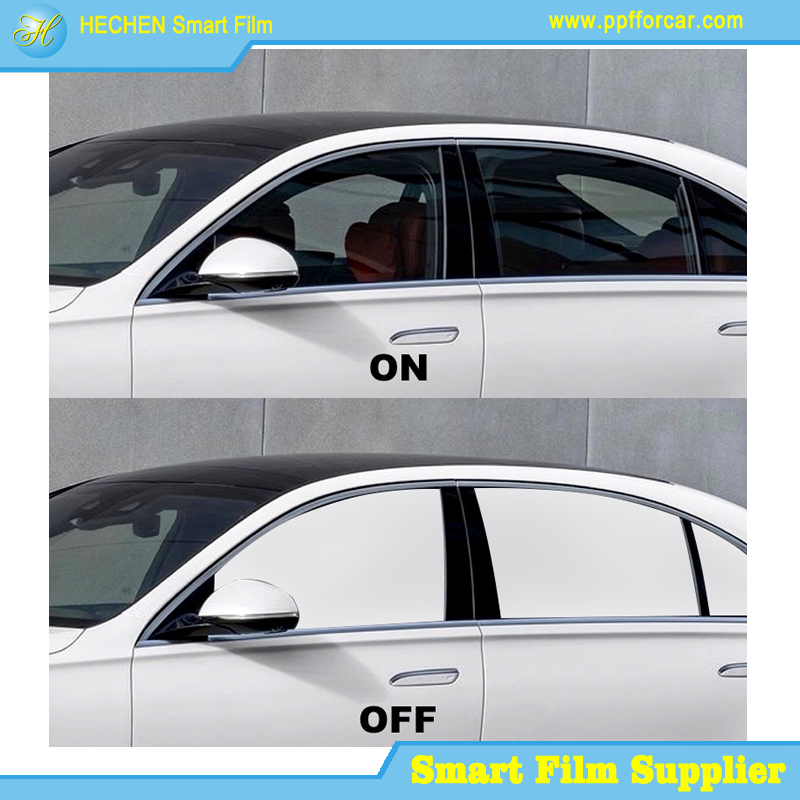
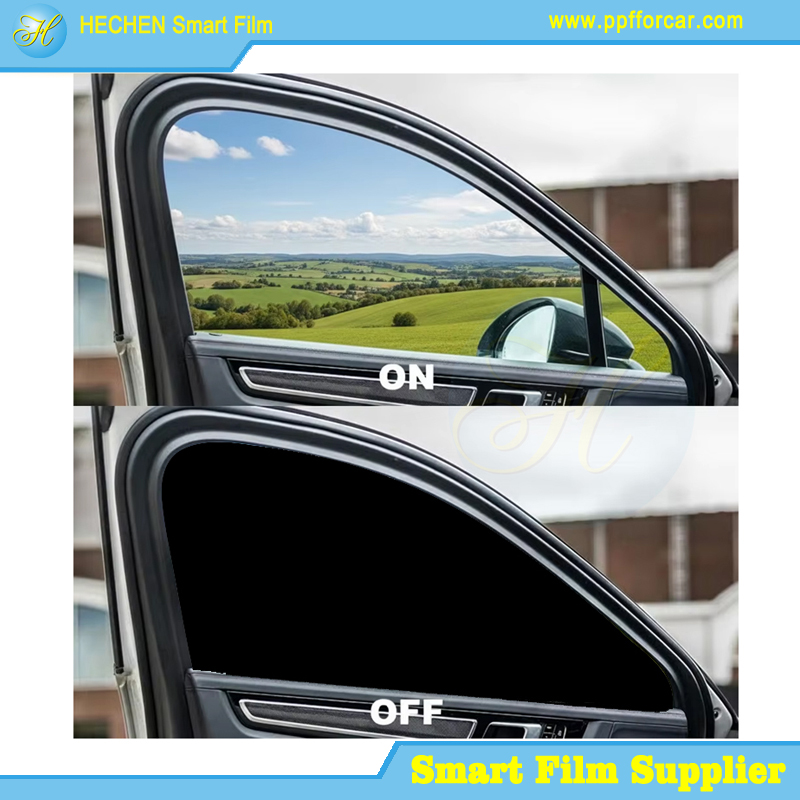
The "Clear" State: When no voltage is applied, the ions (typically lithium ions) reside in the ion storage layer. Light passes through freely, and the window appears transparent.
The "Tint" or "Dark" State: When a low-voltage direct current (DC) is applied (often just 1-3 volts, similar to a small battery), an electrochemical reaction is triggered. Ions move from the storage layer, across the electrolyte, and into the electrochromic layer. Simultaneously, electrons flow from the power source through the conductive layers to meet the ions. This injection of ions and electrons causes the electrochromic material to change its crystalline structure, absorbing and reflecting visible light. The window darkens.
Variable Control: The degreeof tint is precisely proportional to the amount of voltage applied. By modulating the electrical signal, you can achieve any level of tint between fully clear and maximally dark. Reversing the voltage polarity sends the ions back to the storage layer, and the window clears again.
This solid-state, reversible reaction is highly efficient, requiring power only during the transition phase—not to maintain a state. A window can stay dark for days without drawing additional electricity.
Key Components of an Electric Car Window Tint System
A functional system involves more than just the smart glass itself:
The Switchable Element: This is the core electrochromic laminate or film. It can be fabricated as insulated glass units (IGUs) for new construction, laminated glass for safety, or as a retrofit film that can be applied to existing windows.
The Power Supply & Controller: A small, low-voltage DC power supply provides the necessary current. This is connected to a sophisticated controller that manages the voltage and timing.
The User Interface: Control can be as simple as a wall-mounted switch or remote control. Advanced systems integrate with smart home ecosystems like Amazon Alexa, Google Home, or Apple HomeKit, allowing for voice commands, smartphone app control, and automation.
Sensors and Automation (Optional): Many systems can be linked to light sensors, thermostats, or building management systems. This enables automated tinting based on sunlight intensity (glare control) or temperature (heat gain management), optimizing energy efficiency without user intervention.
Applications: Where Is Electric Car Window Tint Used?
This technology has moved beyond concept cars and sci-fi movies into practical, widespread use.
1. Architectural and Commercial Glass
Office Buildings: Enhances employee comfort by eliminating glare on computer screens, reduces cooling costs (HVAC load) by blocking solar heat gain, and contributes to LEED certification for green buildings.
Hospitality: In luxury hotels and restaurants, it creates instant privacy for conference rooms, partitions, or bathroom windows while maintaining an open, airy feel when clear.
Healthcare: Used in patient rooms for privacy during examinations and procedures, then cleared for views and natural light to aid recovery.
Retail: Storefronts can use it for dynamic displays or to control sunlight on sensitive merchandise.
2. Residential Homes
Skylights and Large Windows: Automatically tint to prevent overheating in sunrooms or attics.
Bathroom and Bedroom Windows: Offer privacy on demand without the need for blinds or curtains.
Room Dividers: Create flexible living spaces that can be open or private.
3. Automotive and Transportation
Sunroofs and Panoramic Roofs: Perhaps the most recognizable application. The "electrochromic sunroof" in many luxury cars (like certain Mercedes, BMW, and Audi models) can switch from transparent to opaque blue, eliminating the need for a physical shade.
Privacy Partitions: In luxury sedans and limousines, the partition between driver and passenger can be electronically tinted.
Aviation: Used in commercial and private jet windows, notably in the Boeing 787 Dreamliner, where flight attendants can electronically dim all passenger windows, eliminating manual shades.
Maritime: For yachts and boats, it provides privacy and sun control in cabins and lounges.
The Tangible Benefits: Why Choose Electric Over Traditional Tint?
Dynamic Control & Adaptability: This is the paramount advantage. Your window is no longer a passive element but an active, responsive one. You adapt to changing sunlight, privacy needs, and aesthetic preferences instantly.
Superior Energy Efficiency: By dynamically blocking infrared (IR) radiation—the sun's heat—only when needed, smart glass significantly reduces solar heat gain. Studies show it can lower cooling energy costs by up to 20-25% in commercial buildings, outperforming static low-E coatings in variable conditions.
Glare Reduction & Enhanced Comfort: Eliminates harsh glare on screens, televisions, and workspaces, reducing eye strain and improving productivity and viewing pleasure.
UV Protection: Like high-quality traditional tints, it blocks over 99% of harmful ultraviolet rays, protecting interior fabrics, artwork, and furnishings from fading.
Modern Aesthetic and Space Optimization: It removes the need for blinds, curtains, or shades, offering a clean, minimalist look and maximizing usable space and unobstructed views.
Increased Privacy and Security: Instant privacy is a powerful feature for both homes and offices, obscuring the view from the outside without sacrificing natural light.
Considerations and Limitations
Cost: This is the most significant barrier. Electric car window tint systems are considerably more expensive than traditional film. Installed costs for architectural projects can range from $50 to $150 per square foot, depending on size and complexity. Automotive applications are typically a high-cost option or standard only on premium vehicles.
Installation Complexity: It is not a DIY project. Installation requires professional glaziers or certified technicians to handle the electrical wiring, controller integration, and glass fabrication or film application.
Power Dependency: While it uses minimal power, a system failure could leave windows stuck in one state. Most systems have failsafe modes, often defaulting to the transparent state if power is lost.
Speed of Transition: Transition times have improved dramatically but are not instantaneous. Darkening or clearing a large window can take from several seconds to a few minutes, depending on size and technology.
Color Options: Most electrochromic glass tints to a neutral gray or blue hue. While other colors are in development, the range is not as varied as decorative static films.
The Future of Electric Car Window Tint
The technology is evolving rapidly. Key trends include:
Lower Costs: As manufacturing scales and processes improve, prices are gradually decreasing, opening the technology to more residential and mid-market applications.
Faster Switching Speeds: Research into new materials like polymer-dispersed liquid crystals (PDLC) and suspended particle devices (SPD) offers near-instantaneous switching, though often with higher power consumption to maintain a state.
Integration with IoT: Smarter windows that communicate with other building systems (lighting, HVAC, security) to create fully optimized, responsive environments.
Energy Generation: The holy grail is photovoltaic smart glass, which not only modulates light but also generates electricity from the sunlight it absorbs.
Conclusion
Electric car window tint is far more than a luxury gadget; it's a functional, energy-saving technology that redefines our relationship with the built environment. It represents a shift from static architecture to dynamic, responsive spaces that prioritize human comfort and environmental efficiency.
For homeowners and businesses, the decision hinges on a value calculation weighing the high initial investment against long-term energy savings, enhanced comfort, property value increase, and the undeniable "wow" factor. It is particularly compelling for new construction or major renovations, where it can be seamlessly integrated.
For automotive enthusiasts, it’s a premium feature that elevates the driving experience, offering unparalleled comfort and a futuristic feel.
While traditional window film remains a cost-effective solution for basic solar control and privacy, electric window tint stands as the pinnacle of adaptive glazing technology. As it continues to evolve and become more accessible, the prospect of windows that intelligently manage light, heat, and privacy at our command is set to move from the realm of high-tech showcase to an integral component of smart, sustainable living.
For more about what is electric car window tint? Everything you need to know, you can pay a visit to Hechen PDLC Smart Film Manufacturers for more info.