What Key Performance Indicators Are Used to Evaluate Nano-Ceramic Smart Window Film for Heat Reducti
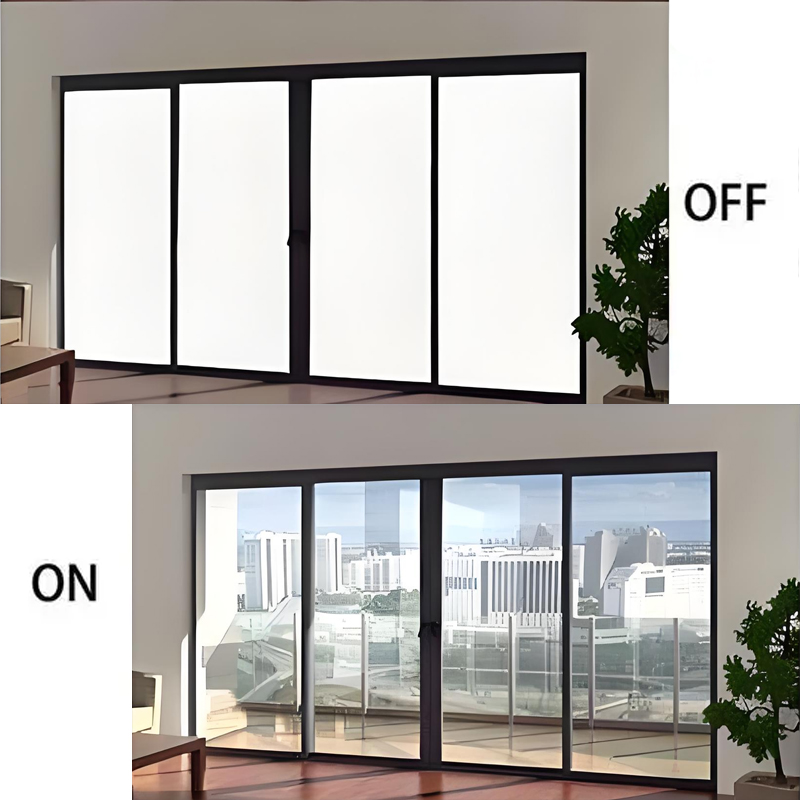
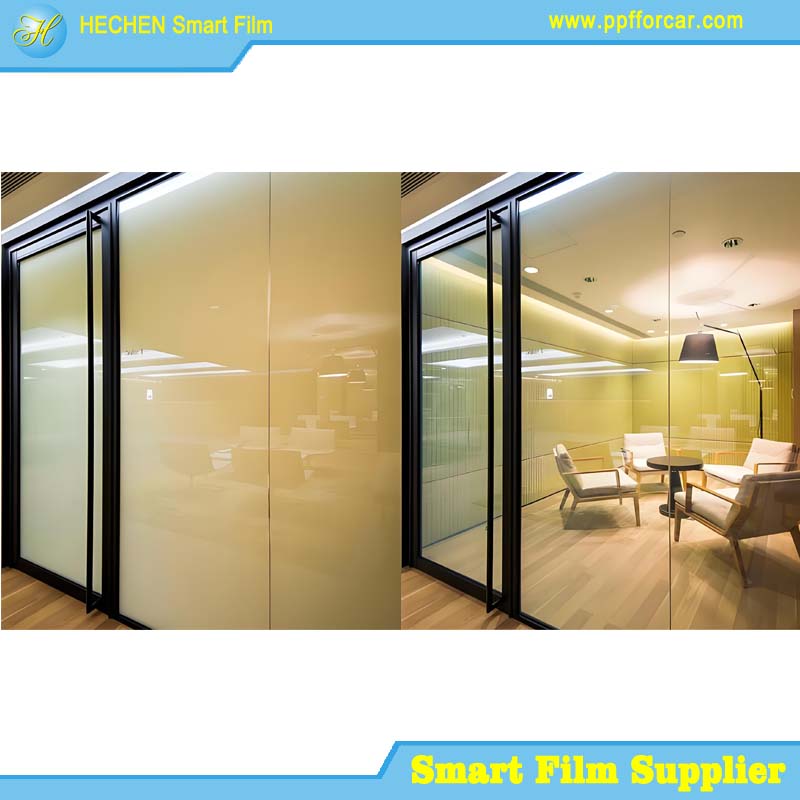
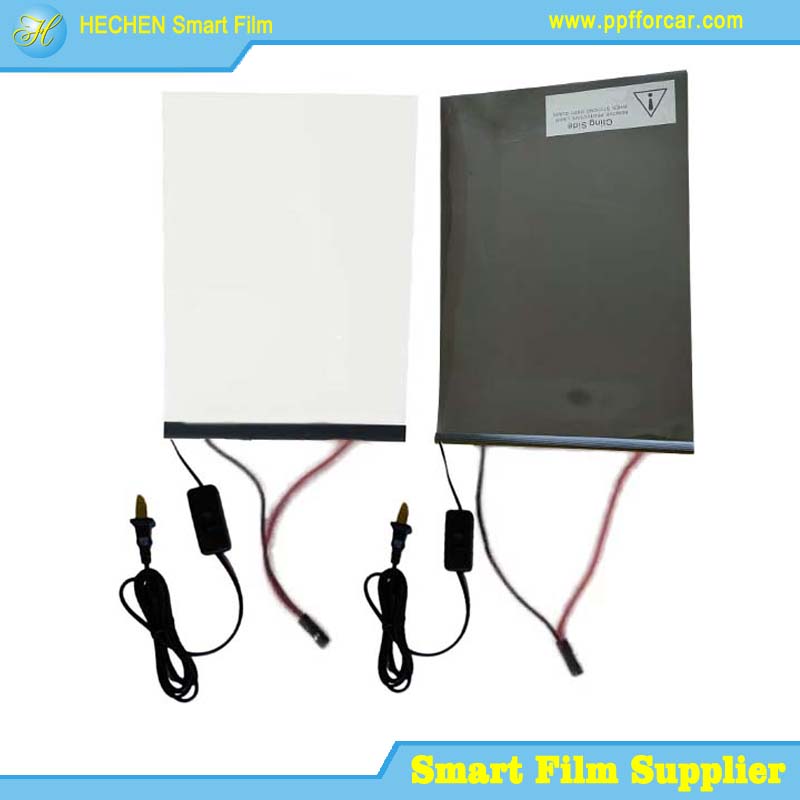
In an era where energy efficiency and sustainability are paramount, nano-ceramic smart window films represent a cutting-edge solution for reducing heat gain in buildings, vehicles, and other structures. These films are engineered using nanotechnology, incorporating tiny ceramic particles—often on the scale of 1 to 100 nanometers—that selectively interact with solar radiation. Unlike traditional window tints that rely on dyes or metals, nano-ceramic films provide advanced performance by blocking infrared (IR) rays responsible for heat while maintaining high levels of visible light passage. This makes them "smart" in the sense that they intelligently filter solar energy, adapting passively to environmental conditions without the need for electrical inputs, though some variants can integrate with electrochromic systems for active control.
The primary goal of these films is heat reduction, which directly impacts energy consumption for cooling systems. According to industry reports, buildings account for about 40% of global energy use, much of it tied to air conditioning in hot climates. Nano-ceramic films can reduce interior temperatures by up to 10-15°C, leading to energy savings of 20-30% on cooling costs. Their evaluation hinges on several key performance indicators (KPIs) that quantify how effectively they manage solar energy. These include visible light transmittance (VLT), which ensures usability; UV blocking rate, for protection against harmful rays; and heat rejection rates, often measured through metrics like total solar energy rejection (TSER) and infrared rejection (IRR). Other supporting KPIs, such as solar heat gain coefficient (SHGC) and shading coefficient, provide a holistic view.
Understanding these KPIs is crucial for consumers, architects, and manufacturers. They are derived from standardized testing methods, ensuring comparability across products. For instance, nano-ceramic films often achieve TSER values of 50-80%, far surpassing dyed films. This article explores these indicators in depth, explaining their definitions, measurement methods, and relevance to heat reduction in nano-ceramic smart window films. By the end, readers will appreciate how these metrics guide the selection and application of this technology for optimal thermal comfort and energy efficiency.
Visible Light Transmittance (VLT): Balancing Clarity and Comfort
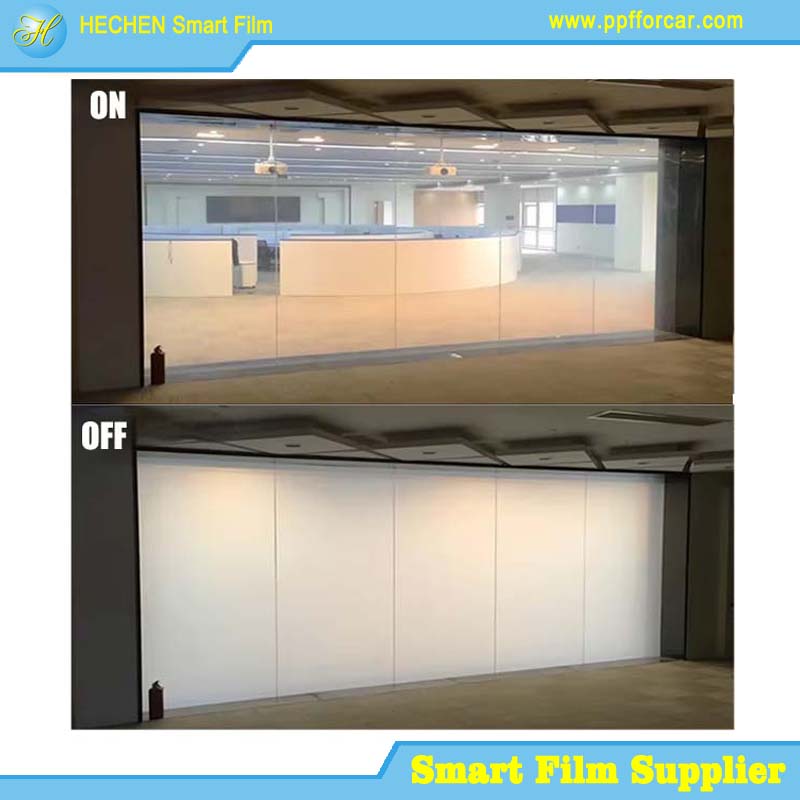
Visible light transmittance (VLT) is one of the foundational KPIs for evaluating window films, including nano-ceramic variants. It measures the percentage of visible light—wavelengths between 380 and 780 nanometers—that passes through the film. For heat reduction applications, VLT is critical because it determines how much natural daylight enters a space without excessive darkening, which could otherwise necessitate artificial lighting and indirectly increase energy use.In nano-ceramic films, VLT is typically high, ranging from 30% to 70%, depending on the film's shade level. This is achieved through the selective properties of ceramic nanoparticles, which scatter or absorb non-visible wavelengths while transmitting visible ones. For example, a film with 50% VLT allows half the visible light through, providing a clear view comparable to lightly tinted sunglasses. This is particularly advantageous in smart window applications, where maintaining aesthetics and functionality is key. Lower VLT films (e.g., 20%) offer more privacy and glare reduction but may compromise on heat rejection efficiency if not balanced properly, as excessive darkness can lead to user dissatisfaction.
Measurement of VLT follows international standards like ASTM D1003 or ISO 9050, using spectrophotometers that scan the film's transmission spectrum. A light source simulates daylight, and sensors calculate the average transmittance across the visible range. For nano-ceramic films, this testing ensures consistency, as the nanoparticles' uniform distribution prevents hotspots or inconsistencies.
In the context of heat reduction, VLT indirectly contributes by allowing designers to choose films that reject heat without sacrificing light. Studies show that high-VLT nano-ceramic films can reduce glare by 40-60% while keeping interiors bright, enhancing occupant productivity in offices or homes. However, there's a trade-off: higher VLT might mean slightly lower overall heat rejection, as more visible light (which carries some heat) is admitted. Thus, for tropical climates, a balanced VLT of 40-50% is often recommended for optimal heat management. Real-world applications, such as in automotive tinting, demonstrate that nano-ceramic films with 70% VLT can still block significant heat, making them ideal for windshields where visibility is non-negotiable.
Beyond basic metrics, advanced evaluations consider VLT in conjunction with color rendering index (CRI), ensuring the transmitted light doesn't distort colors. This KPI's importance is underscored in green building certifications like LEED, where high-VLT films contribute to daylighting credits. Overall, VLT exemplifies how nano-ceramic smart films prioritize user experience alongside thermal performance.
UV Blocking Rate: Protecting Health and Interiors
Ultraviolet (UV) blocking rate is another essential KPI, quantifying the percentage of UV radiation—wavelengths from 200 to 380 nanometers—rejected by the window film. Nano-ceramic smart window films excel here, often achieving 99% or higher UV rejection, which is vital for heat reduction as UV rays contribute to solar heat gain and cause fading in furnishings.
UV radiation is divided into UVA, UVB, and UVC, with UVA being the most penetrating and responsible for skin aging and interior degradation. Nano-ceramic particles, typically made from materials like titanium dioxide or zinc oxide, absorb these rays at the nanoscale, converting them into harmless heat or reflecting them away. This mechanism not only reduces heat buildup but also extends the lifespan of carpets, artwork, and electronics by preventing photodegradation.
Testing for UV blocking follows standards such as ASTM G154 or EN 410, involving UV lamps and spectrometers to measure transmittance. A film's UV rejection is calculated as 100% minus the average transmittance in the UV band. For nano-ceramic films, this is often near-total due to the particles' broad-spectrum absorption properties.
In heat reduction terms, blocking UV minimizes the "greenhouse effect" inside structures, where absorbed UV re-radiates as heat. In vehicles, this can lower cabin temperatures by 5-10°C, reducing air conditioning load. Health benefits are significant too: prolonged UV exposure increases skin cancer risk, and these films act as a barrier, equivalent to SPF 1000 sunscreen for windows.
Applications span residential, commercial, and automotive sectors. For instance, in museums, high-UV-rejection films preserve artifacts without dimming displays. However, over-reliance on UV blocking alone isn't sufficient for comprehensive heat control, as IR rays carry more thermal energy. Thus, this KPI is best viewed in tandem with others, ensuring nano-ceramic films provide multifaceted protection.
Challenges include ensuring the film's longevity, as UV exposure can degrade lesser materials. Premium nano-ceramic products incorporate stabilizers for 10-20year warranties. In summary, UV blocking rate is a cornerstone KPI, underscoring the films' role in sustainable, health-conscious design.
Heat Rejection Rate: The Core Metric of Thermal Efficiency
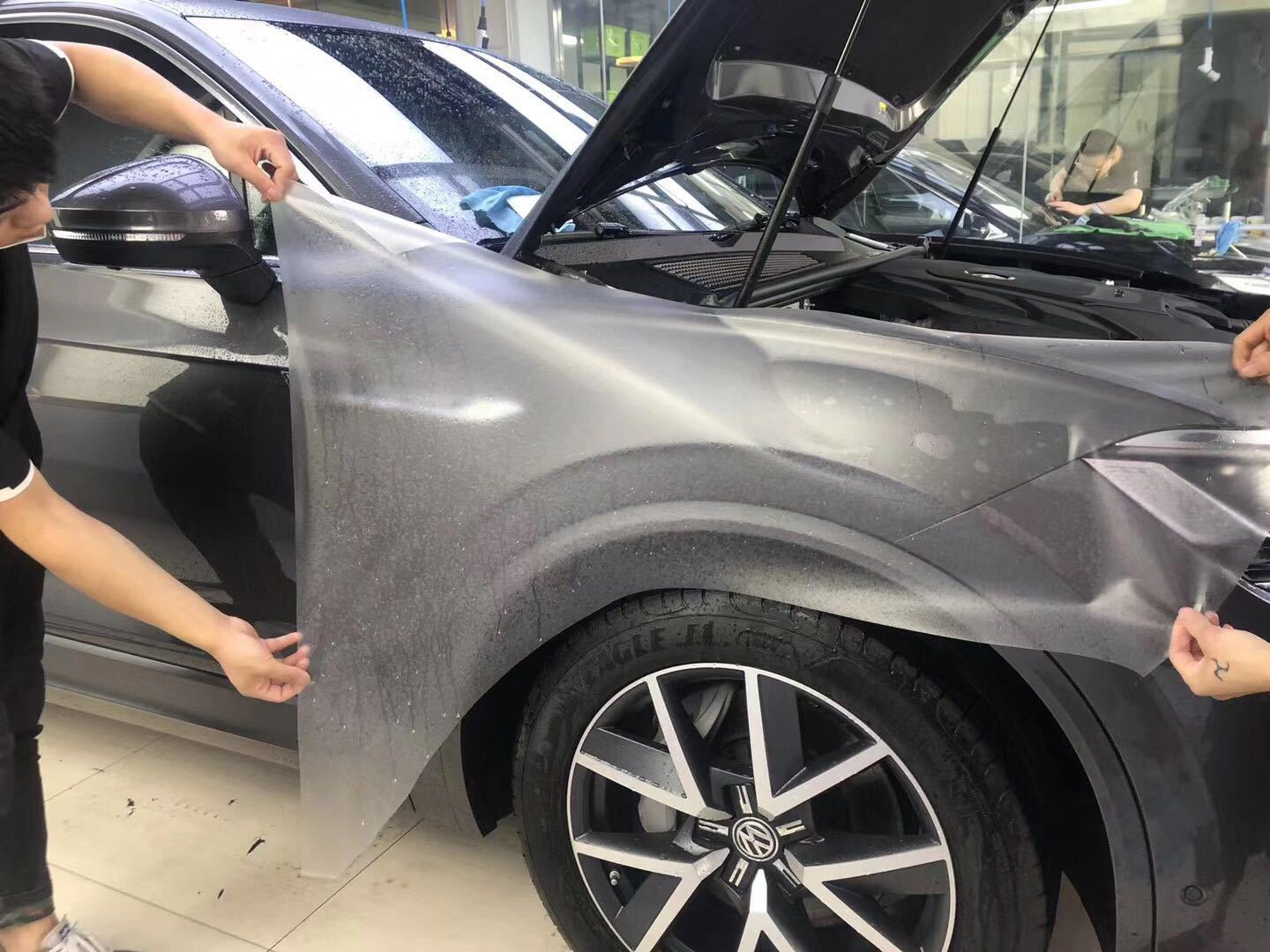
Heat rejection rate, often encapsulated in total solar energy rejection (TSER), is the pivotal KPI for assessing nano-ceramic smart window films' ability to mitigate heat gain. TSER represents the percentage of total solar energy—comprising UV, visible, and IR radiation—rejected by the film. For nano-ceramic films, TSER typically ranges from 50% to 80%, making them highly effective for heat reduction without metallic interference that could affect signals like GPS or radio.
TSER is calculated as TSER = (1 - SHGC) × 100%, where SHGC is the solar heat gain coefficient. This encompasses reflection, absorption, and transmission of solar energy across the spectrum from 300 to 2500 nanometers. Nano-ceramic films achieve high TSER through multilayered nanoparticle structures that reflect IR while absorbing minimal visible light, thus preventing heat from entering interiors.
Measurement involves National Fenestration Rating Council (NFRC) protocols or ISO 9050, using solar simulators and calorimeters to quantify energy flows. A film with 70% TSER rejects 70% of incident solar heat, significantly lowering cooling demands. In practical terms, this translates to energy savings: a study on commercial buildings showed 15-25% reductions in HVAC usage with high-TSER films.
For heat-focused applications, TSER is superior to isolated metrics because it accounts for re-radiated heat from absorbed energy. Nano-ceramic's non-conductive nature ensures absorbed heat dissipates outward, enhancing efficiency. Comparisons reveal that while dyed films might offer 40% TSER, nano-ceramic counterparts double that without darkening.
Limitations include environmental factors like angle of incidence, where TSER may vary. Nonetheless, this KPI is indispensable for certifications and warranties, guiding selections for hot climates where heat rejection directly correlates with comfort and cost savings.
Infrared Rejection (IRR): Targeting the Heat Source
Infrared rejection (IRR), also known as infrared energy rejection (IRER) or selective infrared radiation rejection (SIRR), specifically measures the percentage of IR radiation—wavelengths from 780 to 2500 nanometers—blocked by the film. This is crucial for nano-ceramic smart films, as IR accounts for about 53% of solar heat, and these films can reject 80-95% of it without affecting VLT.
Nano-ceramic particles, such as indium tin oxide, reflect or absorb IR through plasmonic effects, converting it to negligible heat or scattering it away. This selective filtering allows clear views while slashing heat ingress, ideal for smart windows in variable climates.
Standards like ASTM E903 or EWFA guidelines govern IRR testing, using Fourier-transform infrared spectrometers for spectral data. IRER averages rejection across the IR band, while SIRR focuses on near-IR (780-1400 nm), the primary heat carrier.
In heat reduction, high IRR reduces skin sensation of warmth and prevents hot spots. Automotive tests show nano-ceramic films with 90% IRR lower dashboard temperatures by 20°C. Integration with smart systems, like thermochromic layers, enhances dynamic IRR.
Drawbacks include cost, but benefits in energy efficiency outweigh them. IRR complements TSER, providing granular insight into thermal performance.
Other Key Performance Indicators: A Comprehensive Toolkit
Beyond the core trio, several KPIs round out evaluations. Solar heat gain coefficient (SHGC) measures the fraction of solar radiation transmitted or re-radiated inward, with lower values (e.g., 0.2-0.4 for nano-ceramic) indicating better heat rejection.Shading coefficient compares the film's heat passage to clear glass, aiming below 0.5.
Emissivity assesses low-E coatings' ability to reflect internal heat back in winter, aiding year-round efficiency. U-value quantifies overall thermal conductance, lower for better insulation.
Glare reduction, often 40-60%, and shatter resistance add safety. These KPIs are tested per NFRC or EN standards, ensuring nano-ceramic films meet building codes.
Measurement Standards and Methods
KPIs are measured using spectrophotometry, calorimetry, and simulations under standards like ISO 9050, ASTM, and NFRC. For nano-ceramic, labs simulate solar spectra to derive VLT, UV rejection, TSER, and IRR, ensuring reliability.
Conclusion
Nano-ceramic smart window films are evaluated through KPIs like VLT, UV blocking, TSER, and IRR, driving their adoption for sustainable heat reduction. Selecting based on these metrics ensures optimal performance, fostering energy-efficient futures.
For more about what key performance indicators are used to evaluate nano-ceramic smart window film for heat reduction, you can pay a visit to Hechen PDLC Smart Film Manufacturers for more info.