What You Want to Know About the Switchable Window Tint Installation Costs
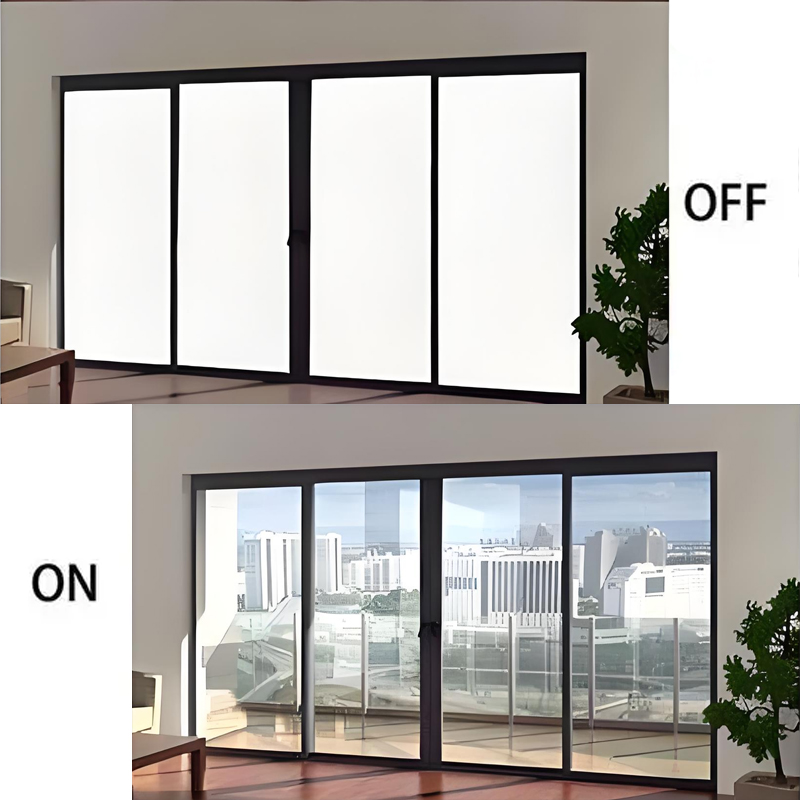
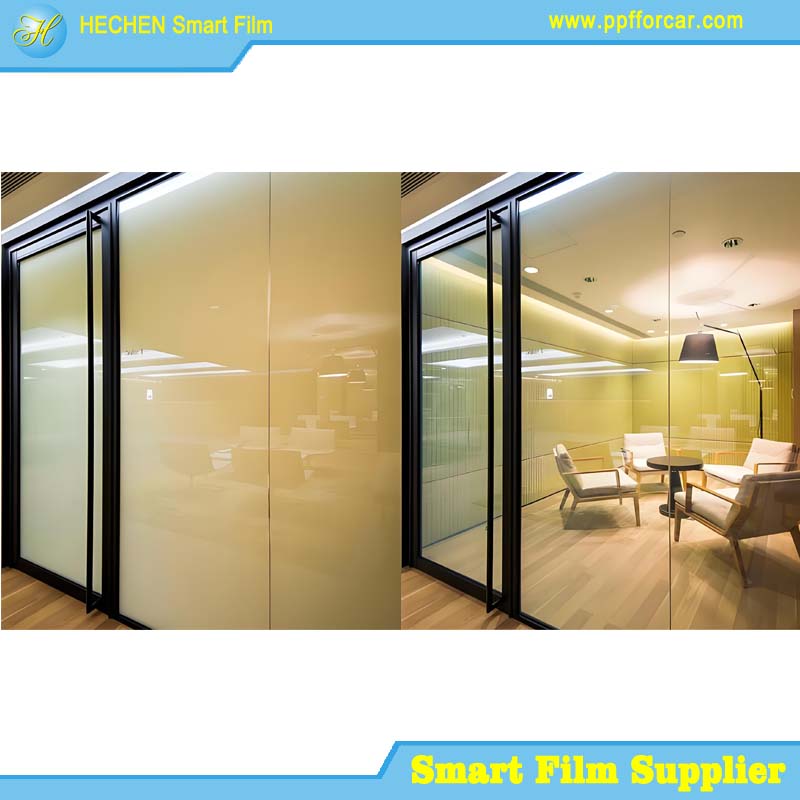
In an era where technology seamlessly integrates into our daily lives, switchable window tint—also known as smart window film or electrochromic tint—represents a revolutionary advancement in home and commercial design. This innovative material allows users to control the opacity or tint of their windows at the flick of a switch, a remote, or even a voice command. Imagine transforming a clear glass pane into a frosted or darkened surface for privacy, glare reduction, or energy efficiency, all without the need for traditional blinds or curtains. Switchable window tint has gained popularity in residential homes, office spaces, healthcare facilities, and even automotive applications, offering a blend of functionality, aesthetics, and modern convenience.The concept dates back to developments in the late 20th century, but recent advancements in materials like polymer-dispersed liquid crystals (PDLC) and electrochromic coatings have made it more accessible and reliable. As of 2025, with growing emphasis on sustainable building practices and smart homes, the market for switchable tint is expanding rapidly. However, one of the primary barriers to adoption remains the cost. Installing switchable window tint isn't as straightforward as applying traditional static film; it often involves electrical integration, custom sizing, and professional labor, which can significantly inflate the price tag.Understanding the cost is crucial for potential buyers, whether you're a homeowner looking to enhance privacy in a bathroom or a business owner aiming to create dynamic office partitions. Prices can vary widely based on factors like the type of technology, the size of the installation, and additional features. On average, expect to pay between $50 and $150 per square foot for a full installation, but this can climb higher for premium setups. This article delves into the intricacies of these costs, breaking down the components, influencing factors, and long-term value to help you make an informed decision. By exploring real-world data and expert insights, we'll uncover whether the investment in switchable window tint truly pays off in comfort, savings, and style.
 What is Switchable Window Tint?
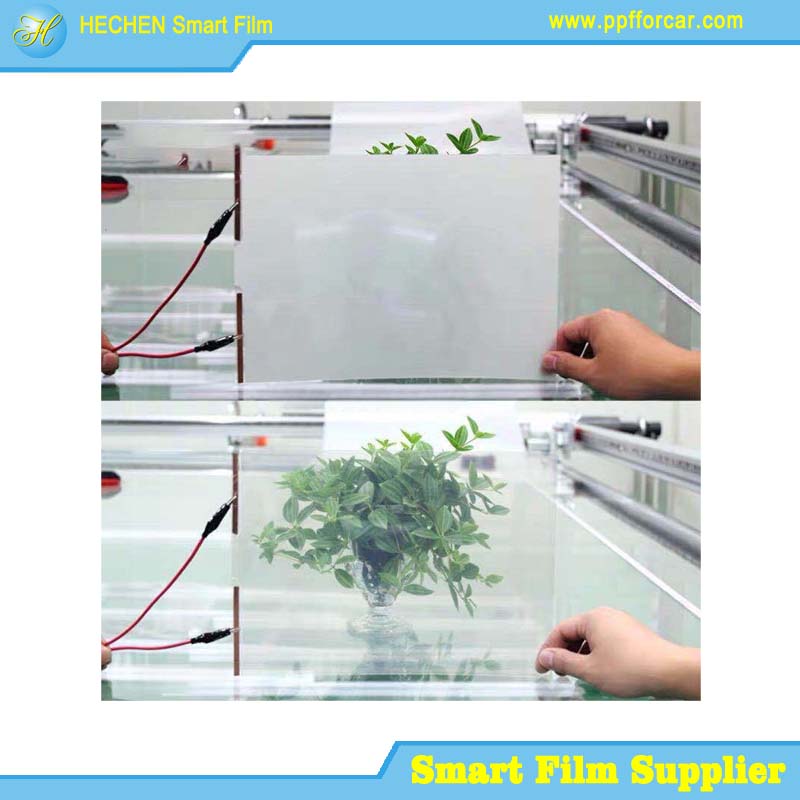
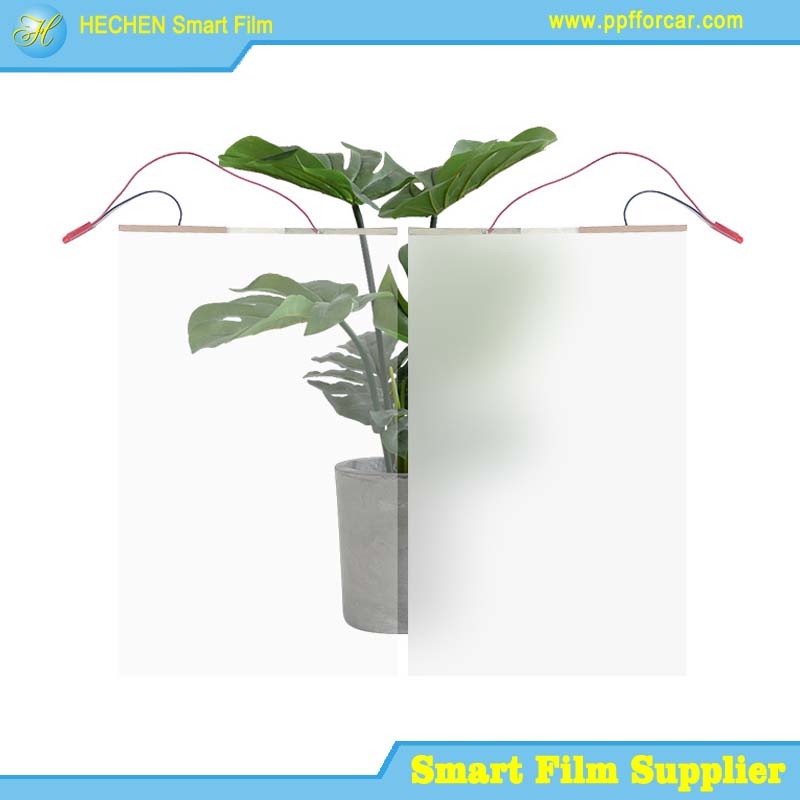
Polymer-Dispersed Liquid Crystal (PDLC) Film: This is one of the most common types, where liquid crystals are dispersed in a polymer matrix. When no electricity is applied, the crystals scatter light, making the glass opaque for privacy. Applying a low voltage aligns the crystals, allowing light to pass through transparently. PDLC is popular for its instant switching (under a second) and is often used in conference rooms or shower enclosures. It blocks up to 99% of UV rays and can reduce solar heat gain by 49%.
Suspended Particle Devices (SPD): In SPD technology, microscopic particles are suspended in a liquid between two glass layers. Electricity aligns these particles to control light passage, enabling variable tint levels from clear to dark. It's ideal for automotive windows or skylights where gradual dimming is preferred, but it doesn't achieve full opacity.
Electrochromic Tint: This uses a thin film that changes color when voltage is applied, similar to how some sunglasses transition. Ions move between layers to alter opacity, taking a few minutes to fully switch. It's energy-efficient as it holds its state without constant power and is commonly found in high-end commercial buildings for glare control.
Photochromic and Thermochromic Variants: These are passive types that react to UV light or temperature without electricity. Photochromic darkens in sunlight, while thermochromic responds to heat. They're less controllable but cheaper and simpler to install.
Benefits and Drawbacks of Switchable Window Tint
Benefits:
Privacy on Demand: With a simple switch or app, you can instantly obscure views, ideal for bathrooms, bedrooms, or offices. This eliminates the need for curtains, freeing up space and maintaining clean lines.
Energy Efficiency: By controlling solar heat gain and UV rays (up to 99% blockage), it reduces HVAC usage, potentially saving 15% on annual energy bills. In commercial settings, this translates to thousands in savings for large installations.
Glare and UV Protection: It minimizes glare on screens and protects interiors from fading, extending the life of furniture and artwork. Some types also reduce noise transmission.
Aesthetic and Functional Versatility: Enhances modern designs, boosts productivity in workspaces by optimizing natural light, and can deter burglaries by simulating occupancy.
Health and Environmental Perks: Better daylight management improves mood and circadian rhythms, while energy savings contribute to sustainability goals.
Drawbacks:
High Initial Cost: The premium price—often 10-20 times that of standard tint—can be prohibitive.
Installation Complexity: Requires professional handling, especially for wiring, which adds to expenses and time. DIY attempts risk damage or poor performance.
Electricity Dependency: Active types consume power (though minimal, about $1-2 per year per window), and may fail during outages.
Durability Concerns: Film edges can be vulnerable to dust or humidity if not sealed properly, and lifespan is around 10-20 years with potential for mechanical issues.
Limited Options in Some Cases: Not all types provide full opacity or work well in extreme climates, and availability might be scarce in certain regions.
Factors Affecting the Cost of Switchable Window Tint Installation
The cost of installing switchable window tint isn't a one-size-fits-all figure; it fluctuates based on multiple variables. Understanding these can help budget effectively.Type of Technology: Smart film (applied to existing glass) is cheaper at $25-55 per square foot, while full smart glass panels range from $70-150 per square foot due to manufacturing complexity. PDLC might cost $85-150, SPD $80-130, and electrochromic $90-120 per square foot installed. Passive types like photochromic are on the lower end.
Size and Quantity: Larger areas increase total costs, but per-square-foot prices drop with bulk orders. For instance, orders under 40 square feet might hit $130 per square foot, while bulk can negotiate down to $85. A single 24x36-inch window could cost $300-900, but installing 10 windows averages $1,100 each due to discounts.
Brand and Quality: Premium brands like Smart Film® or ElectraTint offer better clarity and warranties (up to 7 years), justifying higher prices ($37-69 for film). Factors like color, custom shapes, or add-ons (e.g., hurricane ratings) add 10-20%.
Installation Method: DIY saves $100-300 per window but risks voiding warranties. Professional labor is 20-40% of total costs, or $50-75 per hour, especially if electrical wiring is needed (adding $200-500 for electricians).
Location and Application: Residential vs. commercial; bathrooms ($200-600) vs. office partitions ($2,000-7,000). Second-floor or hard-to-reach areas increase labor. Geographic factors like local installer availability or shipping ($120-1,200) also play a role.
Additional Features: Integration with smart home systems, custom patterns, or expedited manufacturing can bump costs by 15-30%. Electrical setup for active tints is a key adder.
 Average Costs and Breakdown
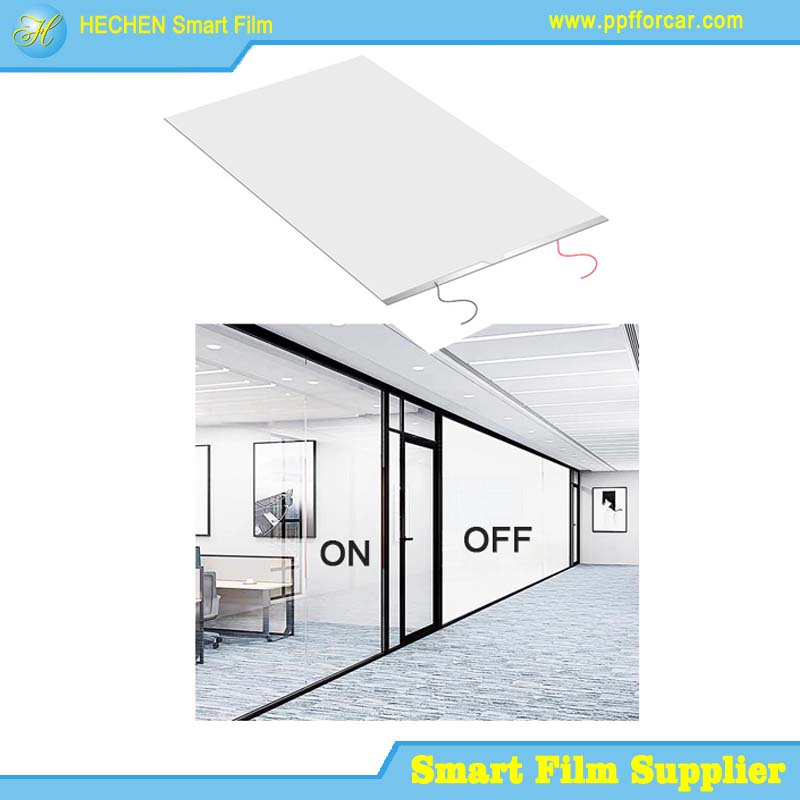
Material Costs: Smart film: $25-80 per square foot (e.g., ElectraTint at $59 shipped). Smart glass: $79-129. For a 45-square-foot window, materials might total $1,935 at $43 per square foot.
Labor and Installation: $100-300 per window or $50-75 per hour; totals 20-40% of project. Electrical work: $200-500 extra.
Total Project Examples:
Small (30-50 sq ft): $2,100-7,500.
Medium (50-100 sq ft): $3,500-15,000.
Large (e.g., 2,000 sq ft commercial): $50,000-160,000, but with ROI in 5-8 years.
Automotive: $950-2,250 for 4 doors.
Installation Process
Preparation: Measure glass accurately; clean surface thoroughly. Cut film 1/8 inch smaller than glass.
Application: Peel protective layer (20-30mm at a time), apply to glass using soapy water for positioning. Squeegee out bubbles.
Wiring: Connect bus bars to power supply (low voltage, 48-60V). Test switching.
Finishing: Seal edges; integrate controls. Pros take 30 min-2 hours per panel. DIY possible for film, but pros recommended.
Long-term Costs and ROI
 Conclusion
Switchable window tint offers transformative benefits, but costs demand careful consideration. With averages of $50-150 per square foot, it's a worthwhile investment for those seeking privacy and efficiency. Shop around, prioritize quality, and consult pros for the best value.
For more about the cost of installing switchable window tint, you can pay a visit to Hechen PDLC Smart Film Manufacturers for more info.