What is PDLC Film and How Does It Work?
In an era where technology seamlessly integrates into our daily lives, PDLC film stands out as a remarkable innovation in the realm of smart materials. PDLC, which stands for Polymer Dispersed Liquid Crystal, is a type of switchable film that can alter its transparency with the application of electricity. This technology allows glass surfaces to transition from opaque to clear almost instantaneously, offering unprecedented control over privacy, light, and energy in various environments. From modern office spaces to luxury vehicles, PDLC film is reshaping how we interact with our surroundings, providing a blend of functionality, aesthetics, and efficiency.
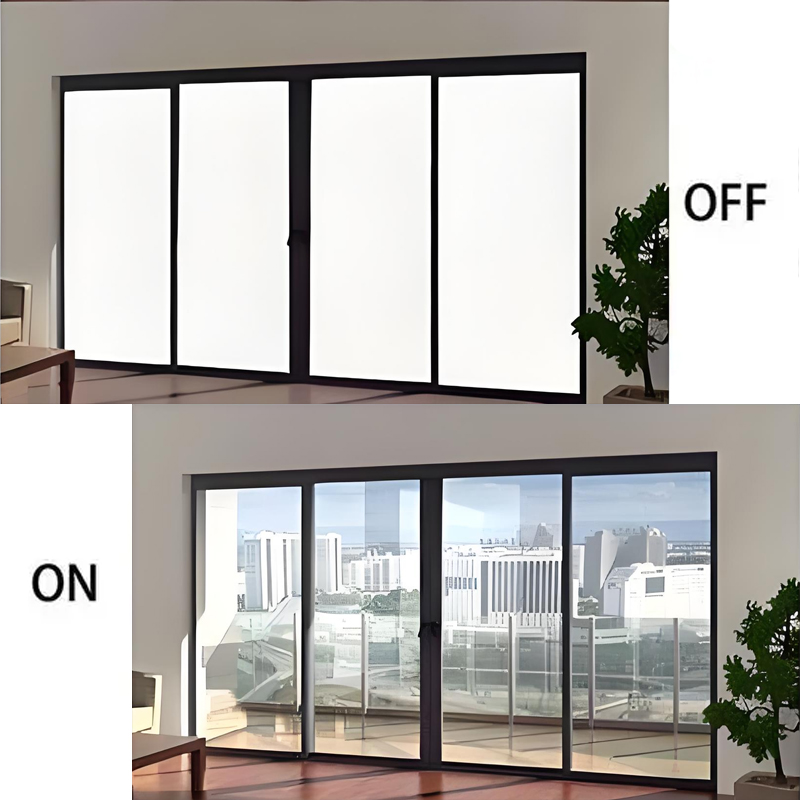
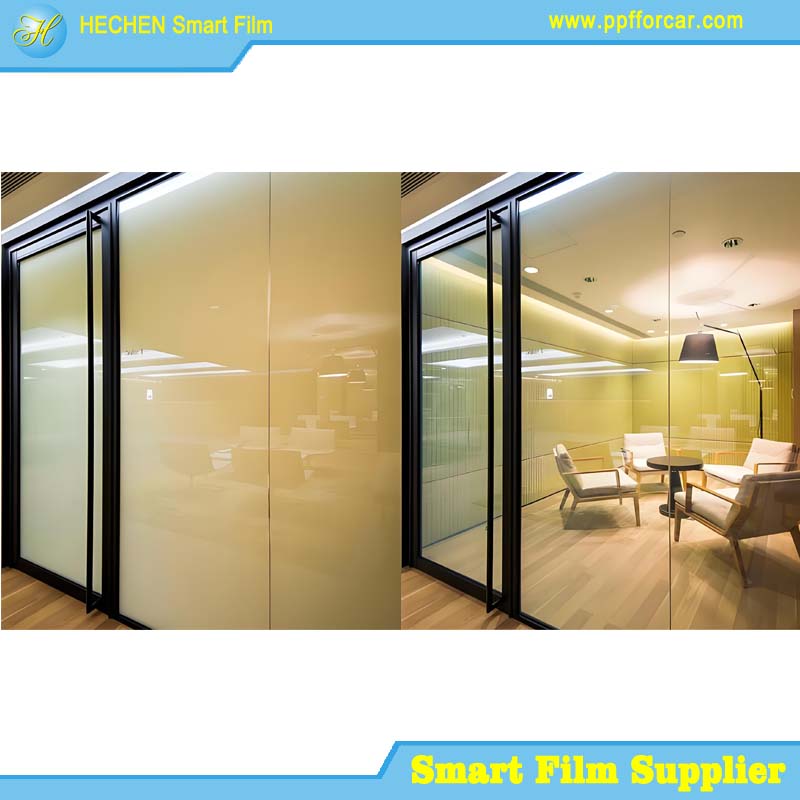
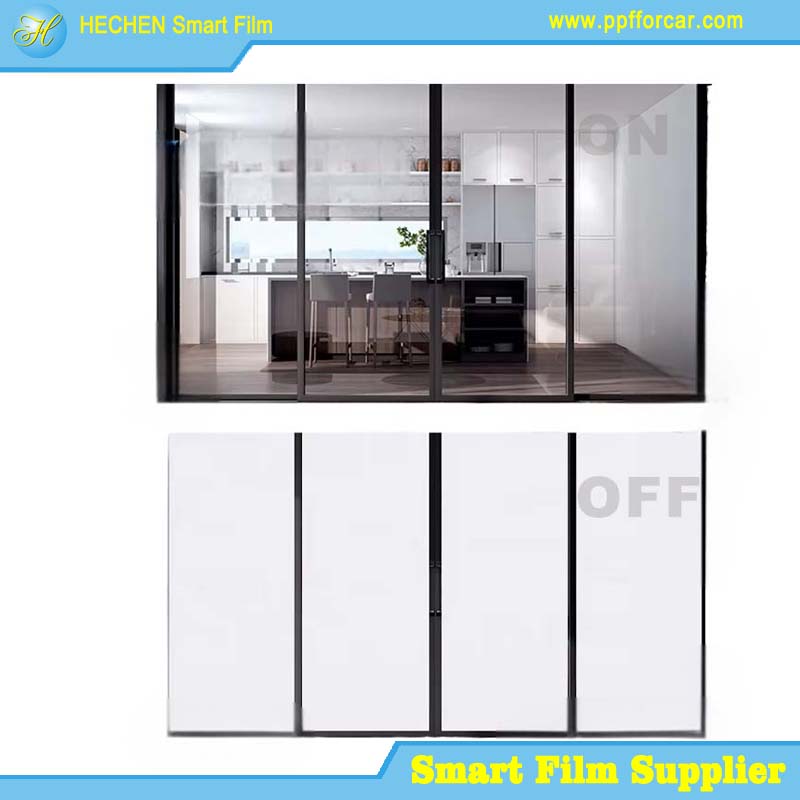
The appeal of PDLC film lies in its ability to address common challenges in architecture and design. Traditional window treatments like curtains or blinds are cumbersome, collect dust, and obstruct views when privacy is needed. PDLC film eliminates these issues by embedding smart capabilities directly into the glass. When powered off, it scatters light to create a frosted appearance, ensuring privacy without sacrificing natural illumination. When activated, it becomes transparent, allowing unobstructed views and light transmission. This dual-state functionality makes it ideal for dynamic spaces where adaptability is key.
As global awareness of energy conservation grows, PDLC film's role in sustainable building practices cannot be overstated. By optimizing natural light and reducing the need for artificial lighting or air conditioning, it contributes to lower energy bills and a smaller carbon footprint. According to market projections, the smart glass sector, including PDLC, is expected to expand significantly, driven by advancements in IoT integration and cost reductions. This article delves into the essence of PDLC film—what it is, its historical development, the intricate science behind its operation, manufacturing processes, applications, pros and cons, and future trends. By understanding PDLC, readers can appreciate its transformative potential in creating smarter, more responsive environments.
PDLC film is not just a technological novelty; it's a practical solution for modern living. In residential settings, it offers instant privacy in bathrooms or bedrooms. In commercial applications, it enhances productivity by allowing flexible space configurations. As we explore further, you'll see how this film, born from liquid crystal research, has evolved into a cornerstone of intelligent design.
History of PDLC Technology
The roots of PDLC technology trace back to the 1980s in the United States, where it was independently developed by two entities, marking a pivotal moment in materials science. One key inventor was James Fergason, renowned for his work on twisted nematic liquid crystal displays (LCDs). Fergason's contributions extended LCD principles to create early PDLC devices, focusing on dispersing liquid crystals in polymers to achieve switchable opacity. Concurrently, another group pioneered phase separation methods, leading to the formation of liquid crystal droplets within a polymer matrix. The technology's industrial evolution can be divided into phases: early progress in the late 1980s and 1990s, a period of decline due to high costs and limited applications, and a recent resurgence fueled by advancements in manufacturing and demand for smart buildings. Companies like Innoptec have been refining PDLC for over two decades, enhancing its reliability and scalability. NCAP (Nematic Curvilinear Aligned Phase) PDLC variants emerged from extensive research on composite films, expanding the technology's scope. By the early 2000s, PDLC began entering global markets. In China, for instance, electronically controlled dimming glass based on PDLC was introduced around 2003, initially met with skepticism due to high prices but gradually gaining traction as awareness grew. The shift from conventional glass to PDLC represented a game-changer, with patents and innovations accelerating its adoption in privacy solutions. Dr. James Ferguson's patents in the 1980s laid the groundwork, emphasizing the polymer-dispersed approach that solidified PDLC as a viable technology. Throughout the 2010s, PDLC evolved with improvements in energy efficiency and integration with smart systems. The resurgence was driven by environmental concerns and the rise of green architecture, positioning PDLC as a sustainable alternative to traditional shading methods. Today, it continues to build on its historical foundations, with ongoing research promising even more versatile applications.
What is PDLC Film?
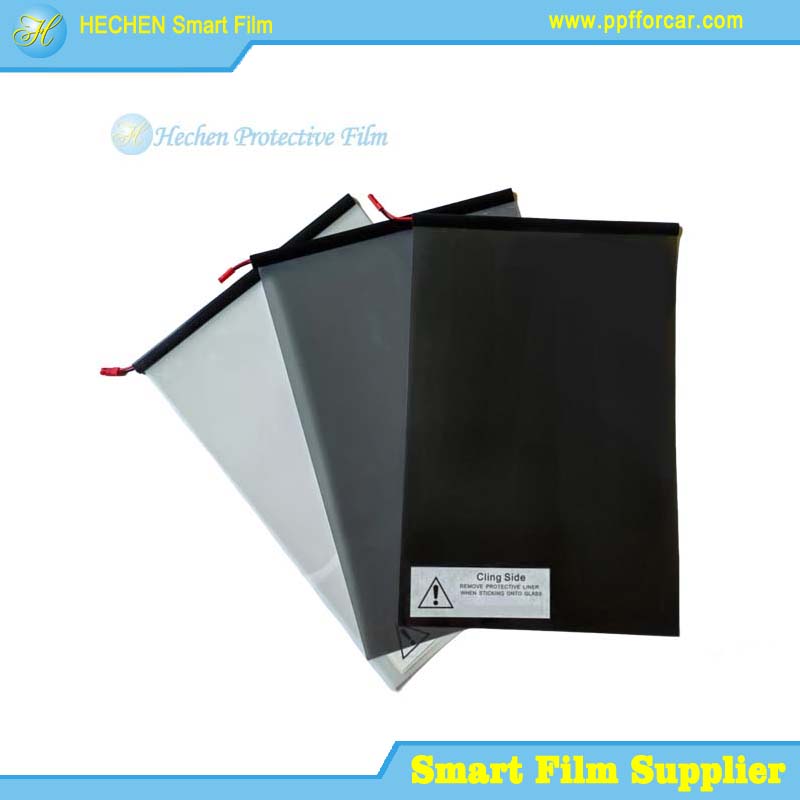
PDLC film is a smart material composed of polymer-dispersed liquid crystals, designed to switch between translucent and transparent states electrically. It consists of tiny liquid crystal droplets suspended in a polymer matrix, sandwiched between conductive layers, typically Indium Tin Oxide (ITO) coated on polyethylene terephthalate (PET) sheets. This structure allows the film to be applied to glass or other surfaces, transforming them into switchable privacy panels.
Unlike passive films, PDLC is active, requiring power to achieve transparency. In its default off state, it appears milky or frosted, diffusing light while blocking clear views. When energized, it clears up, permitting high light transmission. This makes PDLC distinct from other smart technologies like electrochromic glass, which tints rather than opacifies.
PDLC film is versatile, available as adhesive films for retrofitting or laminated within glass during manufacturing. Its thickness is minimal, often around 0.3-0.5 mm, ensuring it doesn't add bulk to installations.
How Does PDLC Film Work?
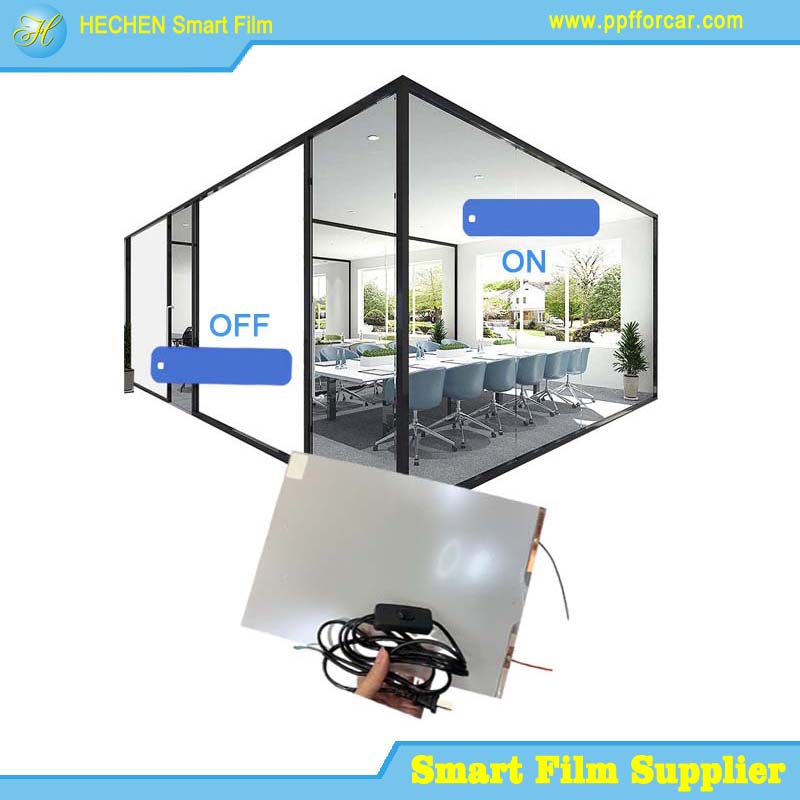
At the heart of PDLC film's functionality is the interplay between liquid crystals and an electric field. Liquid crystals are organic compounds that exhibit properties of both liquids and solids, capable of changing orientation under stimuli like voltage. In PDLC, these crystals are dispersed as microdroplets (1-10 microns in size) within a polymer matrix. In the off state, without electricity, the liquid crystal molecules within each droplet are randomly oriented. This misalignment causes incoming light rays to scatter at the interfaces between the crystals and polymer, resulting in an opaque, translucent appearance. The film blocks direct visibility but allows diffused light to pass, maintaining room brightness without glare. Typically, it blocks about 96% of direct light in this mode. When a low-voltage AC current (usually 24-110V, consuming 0.5-5W per square foot) is applied via the ITO electrodes, an electric field aligns the liquid crystal molecules parallel to the field. This alignment matches the refractive indices of the crystals and polymer, allowing light to pass straight through without scattering, rendering the film transparent. Light transmission can reach 75-85% in the on state, comparable to clear glass. The switch occurs in milliseconds, making it highly responsive.
The ITO layers, being transparent and conductive, facilitate uniform voltage distribution across the film. Power is only consumed in the transparent state; the opaque mode is passive. Advanced versions allow dimming by varying voltage for partial transparency.
Diagrams often illustrate this: off-state shows chaotic droplet orientations scattering light arrows; on-state depicts aligned molecules with straight light paths. This electro-optical effect draws from LCD principles but adapts them for larger-scale privacy applications.
Potential limitations include a slight haze (2-5%) in the clear state due to imperfect alignment and degradation over time from UV exposure. Nonetheless, PDLC's mechanism ensures reliable performance in controlled environments.
Manufacturing Process
Manufacturing PDLC film involves precise steps to create the liquid crystal-polymer composite. It begins with mixing nematic liquid crystals with a prepolymer solution. Techniques like phase separation (thermally, solvent, or polymerization-induced) form the droplets: as the polymer cures, liquid crystals phase-separate into microdroplets. The mixture is coated onto an ITO-PET substrate, then covered with another ITO-PET layer, forming a sandwich. UV or heat curing solidifies the polymer, trapping the droplets. Busbars are added for electrical connections.
Quality control ensures uniform droplet size for optimal switching. Innovations have reduced thickness and improved adhesion. The process is scalable, with rolls produced for custom cutting.
Applications of PDLC Film
PDLC film's versatility spans multiple industries. In architecture, it's used for office partitions, enabling open-plan designs that switch to private modes. Residential applications include bathroom windows and room dividers for on-demand privacy.
In healthcare, PDLC provides hygienic alternatives to curtains in hospitals, reducing infection risks while offering quick opacity. Automotive uses include sunroofs and side windows to control glare and heat. Retail employs it for dynamic displays, turning windows into projection screens when opaque. Transportation, education, and hospitality benefit from its adaptability, enhancing user experience and energy efficiency.
Advantages and Disadvantages
Advantages of PDLC film include instant privacy control, energy savings through optimized light, and a modern aesthetic without mechanical parts. It enhances security by obscuring views and consumes low power. Disadvantages encompass high initial costs ($50-150/sq ft), need for professional installation, and power dependency for transparency. It doesn't provide full blackout and may not suit extreme weather.
Future Trends
Looking ahead, PDLC film will integrate with IoT and AI for automated controls based on sensors or apps. Market growth projects significant increases, with automotive adoption rising 15% annually. Cost reductions and thinner films will broaden access, alongside eco-friendly advancements. By 2035, demand in buildings could double, emphasizing sustainability.
Conclusion
PDLC film represents a fusion of science and practicality, enabling switchable transparency that enhances modern life. From its 1980s origins to future smart integrations, it continues to evolve, promising more efficient and adaptive spaces. As technology advances, PDLC will undoubtedly become ubiquitous in intelligent design.
For more about what is PDLC film and how does it work, you can pay a visit to Hechen PDLC Smart Film Manufacturers for more info.