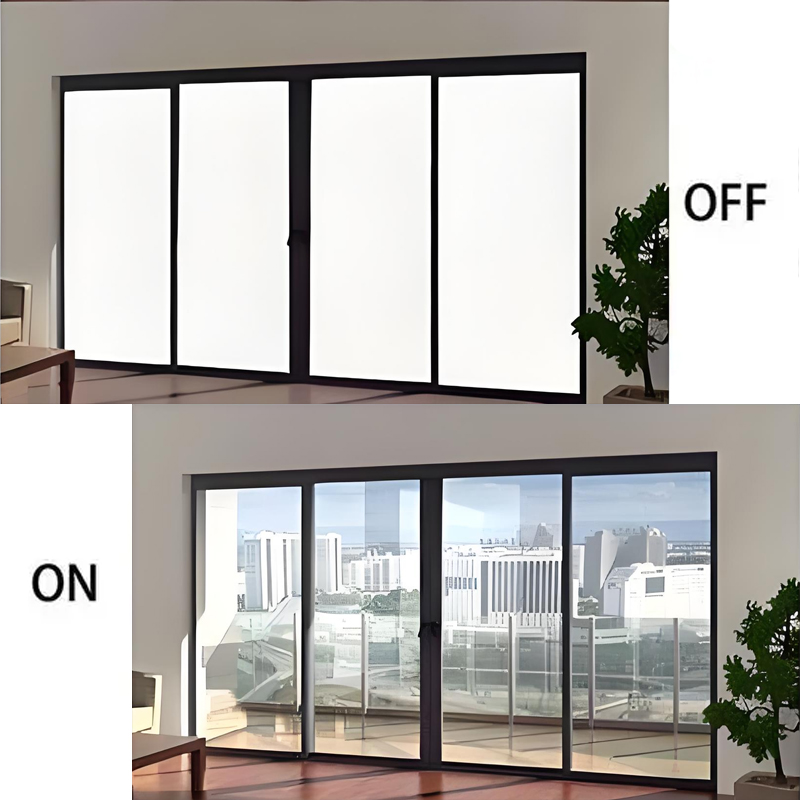
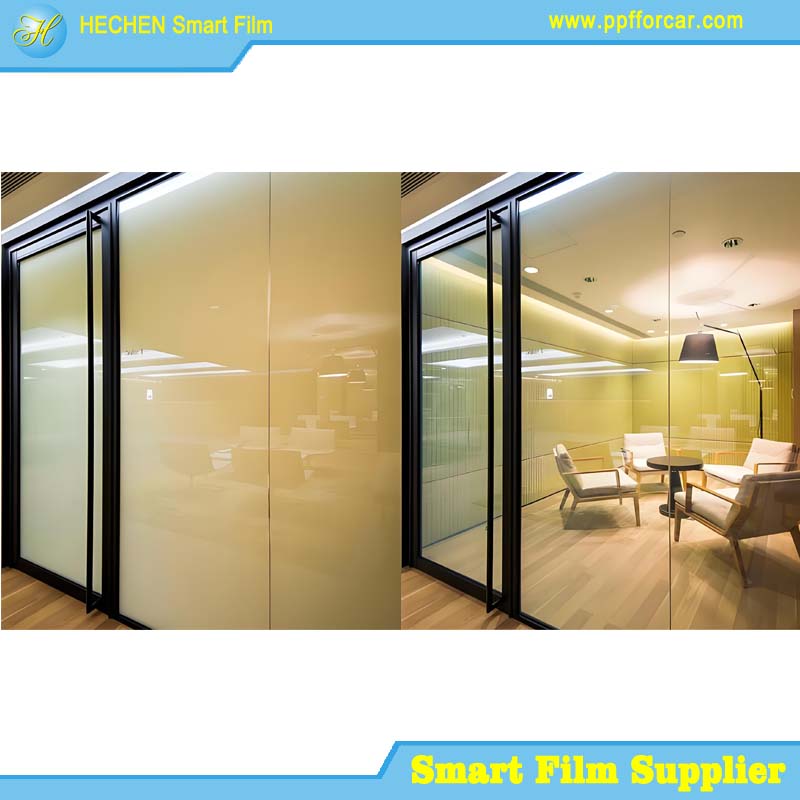
What is the Core Heat Reduction Mechanism of Nano-Ceramic Smart Window Film?
In an era where energy efficiency and comfort are paramount, innovative technologies like nano-ceramic smart window films are revolutionizing how we manage indoor environments. These films, applied to windows in vehicles, homes, and commercial buildings, offer a sophisticated solution to combat excessive heat gain from sunlight. Unlike traditional window tints that primarily rely on darkening the glass to reduce light transmission, nano-ceramic films employ advanced nanotechnology to target heat at its source. This article delves into the core heat reduction mechanism of nano-ceramic smart window film, with a specific focus on how its nano-ceramic particles interact with infrared (IR) rays to block heat. Additionally, we'll explore the typical percentages of IR radiation these films can block, drawing from scientific principles and real-world applications.
The demand for such films has surged as global temperatures rise and energy costs escalate. According to industry reports, window films can reduce cooling needs by up to 30% in buildings, translating to significant savings. Nano-ceramic variants stand out due to their non-metallic composition, which avoids issues like signal interference common in older metallic tints. By understanding the underlying science, consumers and professionals can make informed decisions about implementing this technology for enhanced thermal comfort and sustainability.
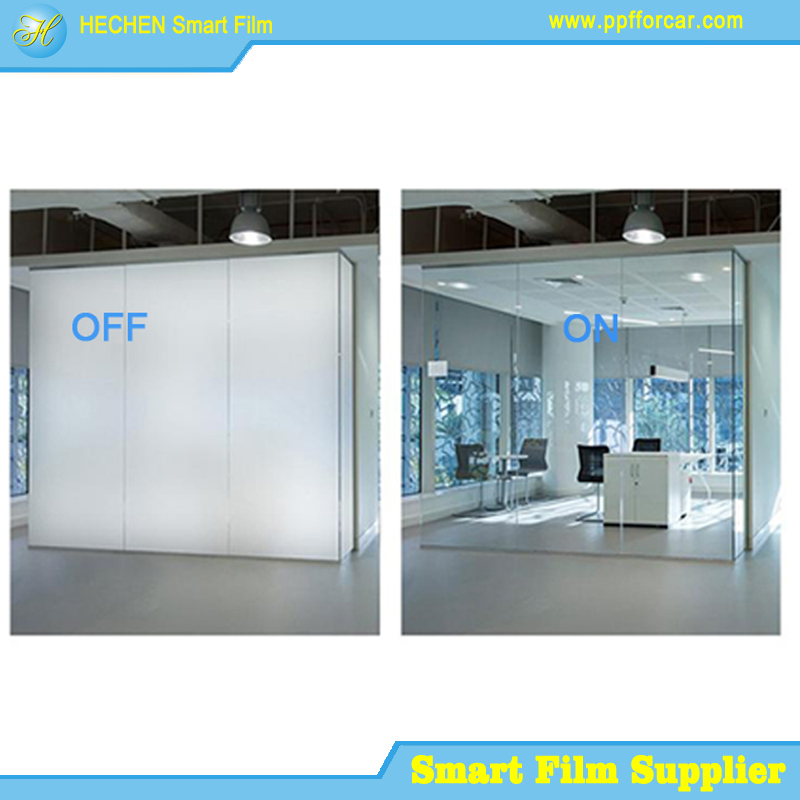
Understanding Solar Radiation and Heat Transfer
To grasp the heat reduction mechanism of nano-ceramic smart window films, it's essential first to understand solar radiation. Sunlight reaching Earth comprises three main components: ultraviolet (UV) rays, visible light, and infrared (IR) rays. UV rays, making up about 3% of solar energy, are notorious for causing skin damage and fading interiors. Visible light, around 44%, allows us to see and illuminates spaces. However, IR rays, constituting roughly 53%, are the primary culprits behind heat buildup. These invisible rays carry thermal energy that penetrates glass, heating up indoor spaces.
Heat transfer through windows occurs via conduction, convection, and radiation. When IR rays strike untreated glass, they are largely transmitted, absorbed by interior surfaces, and re-radiated as heat. This process, known as solar heat gain, can make rooms uncomfortably warm, increasing reliance on air conditioning. Nano-ceramic smart window films intervene in this cycle by selectively managing these wavelengths. They are engineered to transmit visible light for clarity while rejecting IR and UV, thus minimizing heat ingress without compromising views.
The "smart" aspect of these films lies in their adaptive properties. Unlike static shades, nano-ceramic films respond to solar input dynamically through their material structure, providing consistent performance across varying light conditions. This is achieved through the integration of nanotechnology, where particles on the scale of 1-100 nanometers exhibit unique physical properties not seen in bulk materials.
The Core Heat Reduction Mechanism
At the heart of nano-ceramic smart window film's efficacy is its multi-layered construction infused with nano-ceramic particles. These films typically consist of polyester layers embedded with ceramic nanoparticles, such as titanium nitride or other metal oxides. The core mechanism revolves around absorption and reflection of solar energy, particularly in the IR spectrum.
When sunlight hits the film, the nano-ceramic particles act as a barrier. They absorb IR radiation, converting it into negligible amounts of heat that are then dissipated outward rather than inward. This absorptive technology prevents the thermal energy from passing through the glass, effectively reducing the solar heat gain coefficient (SHGC)—a measure of how much solar radiation is admitted through a window.
Unlike dyed films that merely absorb visible light and fade over time, or metallic films that reflect light and can cause glare, nano-ceramic films use a spectrally selective approach. This means they target specific wavelengths: allowing most visible light (400-700 nm) to pass while blocking IR (700-2500 nm) and UV (below 400 nm). The result is a cooler interior without the need for dark tints, maintaining optical clarity and aesthetics.
Research highlights that this mechanism is rooted in the quantum properties of nanoparticles. At the nanoscale, ceramics exhibit enhanced electron mobility, enabling them to interact efficiently with electromagnetic waves. This interaction disrupts the propagation of IR waves, either by scattering them or converting their energy into vibrational modes within the particle lattice, which is then released as low-level heat externally.
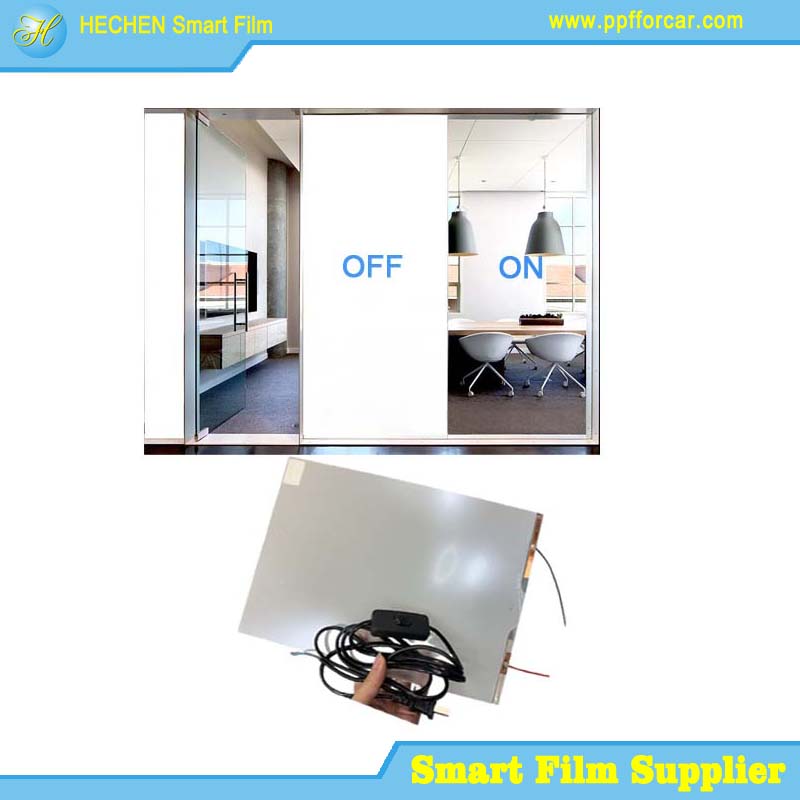
How Nano-Ceramic Particles Interact with Infrared Rays
Diving deeper, the interaction between nano-ceramic particles and IR rays is a fascinating interplay of physics and materials science. Nano-ceramic particles, often composed of materials like indium tin oxide (ITO) or antimony tin oxide (ATO), are uniformly dispersed within the film's polymer matrix. These particles are engineered to have high IR absorptivity due to their bandgap energies aligning with IR wavelengths.
When an IR photon strikes a nano-ceramic particle, it excites electrons from the valence band to the conduction band, absorbing the energy. This process, known as plasmonic absorption, prevents the photon from transmitting through the film. Instead, the absorbed energy is thermalized—converted to heat within the particle—and subsequently dissipated via convection to the exterior environment. In moving vehicles or buildings with airflow, this heat is carried away, enhancing the film's cooling effect. Moreover, the nanoparticles' size—typically 20-50 nm—allows for Mie scattering, where IR waves are redirected away from the interior. This scattering is wavelength-dependent, favoring longer IR waves while minimally affecting shorter visible ones. The film's multi-layer design further amplifies this: each layer can be tuned to absorb different IR sub-bands, such as near-IR (700-1400 nm) and mid-IR (1400-2500 nm), providing comprehensive coverage.
A key advantage is the non-metallic nature of these particles. Metallic tints reflect IR but can interfere with electromagnetic signals like GPS or cell phones. Nano-ceramics absorb without reflection, ensuring no such disruptions. Studies show that this interaction not only blocks heat but also reduces glare by up to 80%, as the particles diffuse harsh light without darkening the view.
In practical terms, consider a car window: On a sunny day, IR rays would normally heat the cabin to uncomfortable levels. With nano-ceramic film, the particles intercept these rays at the glass surface, absorbing and exchanging heat externally, potentially lowering interior temperatures by 10-25°F. This mechanism is particularly effective in dynamic environments, where wind aids in heat dissipation.
Typical Percentage of IR Radiation Blocked
One of the most compelling features of nano-ceramic smart window films is their high IR rejection rates. Depending on the product and shade level, these films typically block 80-99% of IR radiation. Entry-level nano-ceramic films might achieve 80-85% rejection, while premium versions, like those using advanced nano-infusions, can reach 95-99%. For instance, many commercial films advertise 88-96% IR blocking across various visible light transmission (VLT) levels, from 5% (dark) to 70% (nearly clear). This versatility means you can choose a lighter tint for better visibility while still enjoying substantial heat reduction. High-end products often specify infrared rejection (IRR) in the 900-1000 nm range, where heat is most intense, achieving up to 95%. Factors influencing these percentages include particle density, film thickness, and manufacturing quality. Thicker films with higher nanoparticle concentrations block more IR but may slightly reduce VLT. Real-world testing, such as by the International Window Film Association, confirms that top-tier nano-ceramic films consistently outperform others, with average IR rejection around 90%. It's worth noting that while UV blocking is near-universal at 99%, IR performance is the differentiator for heat control.
Benefits Beyond Heat Reduction
The advantages of nano-ceramic films extend far beyond mere temperature control. By blocking up to 99% of UV rays, they protect against skin cancer and interior fading, preserving furniture, dashboards, and artwork. Energy savings are substantial: In residential settings, reduced heat gain can lower air conditioning bills by 20-30%. For vehicles, this means less fuel consumption on cooling.
Additionally, the films enhance privacy without the mirrored look of metallics, and their durability—resistant to scratching and fading—ensures long-term performance, often backed by lifetime warranties. Environmentally, by cutting energy use, they contribute to lower carbon emissions. In commercial buildings, they can qualify for green building certifications like LEED.
Comparison with Traditional Window Films
To appreciate nano-ceramic's superiority, compare it to alternatives. Dyed films absorb heat but trap it in the glass, leading to potential cracking and poor longevity. Metallic films reflect IR effectively (up to 70-80%) but cause signal issues and external glare. Nano-ceramics combine the best: high IR rejection without drawbacks, making them ideal for modern electronics-heavy lifestyles.
Applications and Installation Considerations
Nano-ceramic films are versatile, used in automotive, residential, and commercial sectors. In cars, they comply with VLT laws while providing comfort. For homes, they reduce glare on screens and maintain views. Installation requires professionals to avoid bubbles, ensuring seamless adhesion.
Future Developments in Nano-Ceramic Technology
Looking ahead, advancements may include self-healing films or integration with smart glass for variable tinting. Research into hybrid nanoparticles could push IR rejection beyond 99%, further enhancing efficiency.
Conclusion
Nano-ceramic smart window films represent a pinnacle of materials engineering, with their core heat reduction mechanism centered on nano-particles' absorptive interaction with IR rays. By blocking 80-99% of IR radiation, they deliver cooler, more comfortable spaces without sacrificing light or functionality. As climate challenges intensify, adopting such technologies is not just practical but essential for sustainable living. Whether for your vehicle or building, investing in nano-ceramic film promises lasting benefits in comfort, savings, and protection.
For more about what is the core heat reduction mechanism of nano-ceramic smart window film, you can pay a visit to Hechen PDLC Smart Film Manufacturers for more info.