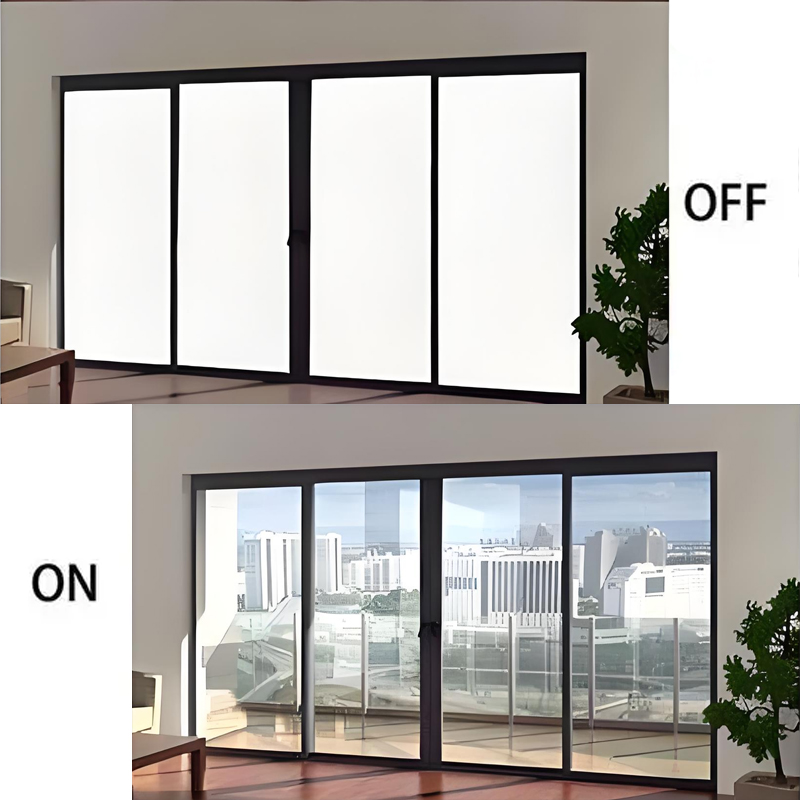
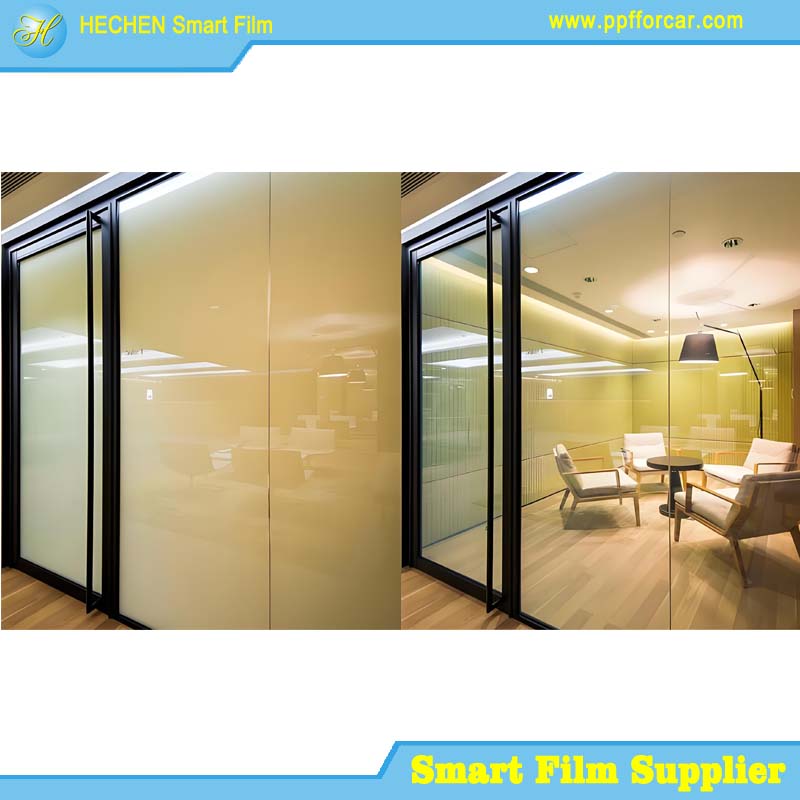
What is the Innovative Removable Car Window Tint
Car window tinting has long been a popular modification for vehicle owners seeking enhanced privacy, reduced glare, and protection from the sun's harmful rays. Traditionally, window tints involved permanent films adhered to glass surfaces, often requiring professional installation and posing challenges for removal. However, the emergence of innovative removable car window tints represents a significant advancement in automotive accessories. These tints offer the same benefits as their permanent counterparts but with the added flexibility of easy application and removal, making them ideal for renters, leaseholders, or those who frequently change their vehicle's appearance.
At its core, removable car window tint is a thin film applied to vehicle windows that can be peeled off without leaving residue or damaging the glass. What sets these innovative versions apart is their use of advanced materials like static cling technology or specialized adhesives that allow for reusability and quick adjustments. This innovation addresses common pain points in traditional tinting, such as high costs, permanence, and legal compliance issues. For instance, in regions with strict tint regulations, removable options enable drivers to comply during inspections by simply taking off the film.

The market for these products has grown rapidly, with brands like Tint Rebel, Greenfilm USA, and Gila leading the charge. These tints not only provide aesthetic enhancements but also functional improvements, such as UV blocking and heat reduction, contributing to a more comfortable driving experience. As environmental concerns rise, many modern removable tints are designed with eco-friendly materials, reducing waste from frequent replacements.
This article delves into the history of window tinting, compares traditional and removable options, explores what makes removable tints innovative, discusses types, benefits, installation processes, legal considerations, pros and cons, and future trends. By the end, readers will understand why removable car window tints are revolutionizing the automotive industry.
History of Window Tinting
The concept of tinting glass dates back thousands of years, with early examples found in ancient Egyptian and Mesopotamian cultures. These civilizations developed methods to color and tint glass for decorative purposes, such as beads and vessels, using natural pigments and metals. However, the application of tinting to windows, particularly in vehicles, is a more modern development.
Automotive window tinting began in earnest during the 1940s, coinciding with the post-World War II boom in car ownership. Early tints were rudimentary, often involving sprayed-on coatings or "smoked glass" created by embedding color pigments directly into the glass during manufacturing. These methods aimed to reduce glare for drivers but offered limited heat rejection and were prone to fading.
A major leap occurred in the 1960s when companies like 3M introduced the first effective window films. These dye-based films were applied aftermarket and provided better UV protection and privacy. By the 1980s, metallic films emerged, incorporating metal particles for superior heat reflection, though they sometimes interfered with electronic signals.
The 1990s and 2000s saw the rise of ceramic tints, which used nano-ceramic particles to block infrared radiation without metals, preserving clarity and signal transmission. This era also marked increased regulatory scrutiny, as darker tints raised safety concerns for law enforcement.
Removable tints entered the scene in the late 20th century as an evolution of static cling technologies, initially used in home windows. By the 2010s, automotive-specific removable films became popular, driven by consumer demand for DIY solutions. Brands began innovating with reusable materials, aligning with trends toward customization and sustainability. Today, removable tints incorporate advanced polymers and adhesives, building on decades of tinting evolution to offer user-friendly alternatives.
This historical progression highlights how tinting has shifted from basic glare reduction to multifunctional, innovative products that prioritize ease and performance.
Traditional vs. Removable Tints
Traditional car window tints are permanent films bonded to the glass using strong adhesives. They require professional tools like heat guns and squeegees for installation, and removal often involves chemicals or scraping, which can scratch the glass or leave sticky residue. These tints excel in durability, lasting 5-10 years, and provide high-level heat rejection (up to 99% UV blocking) through layers of polyester, dyes, metals, or ceramics.
In contrast, removable tints use non-permanent attachment methods, such as static electricity or low-tack adhesives, allowing users to apply and remove them at will. This makes them ideal for temporary use or vehicles under lease agreements, where permanent modifications are prohibited.
Performance-wise, traditional tints often outperform in longevity and heat reduction, but innovative removable options are closing the gap. For example, some removable films now incorporate ceramic nanoparticles for better infrared blocking, rivaling permanent ones. However, removable tints may wrinkle or bubble over time if not applied perfectly, and they typically offer lower Visible Light Transmission (VLT) consistency.
Cost is another differentiator: Traditional installations can run $200-600 per vehicle, while removable kits start at $20-100 for DIY application. Environmentally, removable tints reduce waste by being reusable, appealing to eco-conscious consumers.
Ultimately, the choice depends on needs—permanent for long-term benefits, removable for flexibility and ease.
What Makes Removable Tints Innovative
The innovation in removable car window tints lies in their materials and design, transforming a once-static product into a versatile, user-centric solution. Traditional tints rely on acrylic adhesives that bond permanently, but innovative removable versions employ electrostatic adhesion or pressure-sensitive adhesives (PSAs) that release cleanly. Static cling technology, for instance, uses vinyl films that adhere via molecular attraction, eliminating glue altogether and allowing infinite repositioning.
What elevates these to "innovative" status is the integration of advanced functionalities. Many now feature nano-ceramic coatings that reject up to 90% of solar heat while maintaining optical clarity, a feat previously limited to permanent films. UV protection reaches 99%, safeguarding interiors from fading and passengers from skin damage.
Pre-cut designs tailored to specific car models represent another breakthrough, simplifying DIY installation. Brands like Built2Offend use "unique adhesive technology" for effortless removal and reinstallation, addressing issues like bubbling or peeling in varying climates. Sustainability adds to the innovation; many films are made from recyclable PVC or PET, reducing environmental impact. Some even incorporate antimicrobial properties to prevent bacterial growth on windows.
These advancements stem from R&D in polymer science, making removable tints not just convenient but high-performing, bridging the gap between temporary and premium solutions.
Types of Removable Tints
Removable car window tints come in several types, each suited to different preferences and needs.
1. Static Cling Tints: The most common, these use no adhesive, relying on static electricity for attachment. Brands like Greenfilm USA and Gila offer options in various VLT levels (5%-50%), ideal for quick privacy boosts. They're reusable and bubble-free but may slip in humid conditions.
2. Adhesive-Based Removable Tints: These employ low-tack PSAs that peel off cleanly. Tint Rebel and Built2Offend products allow multiple applications without residue. They provide better adhesion than static cling and often include heat-rejecting layers.
3. Magnetic Tints: Emerging innovations use magnetic films that snap onto metal-infused window frames. Though less common for cars, they're popular for RVs and offer instant removal.
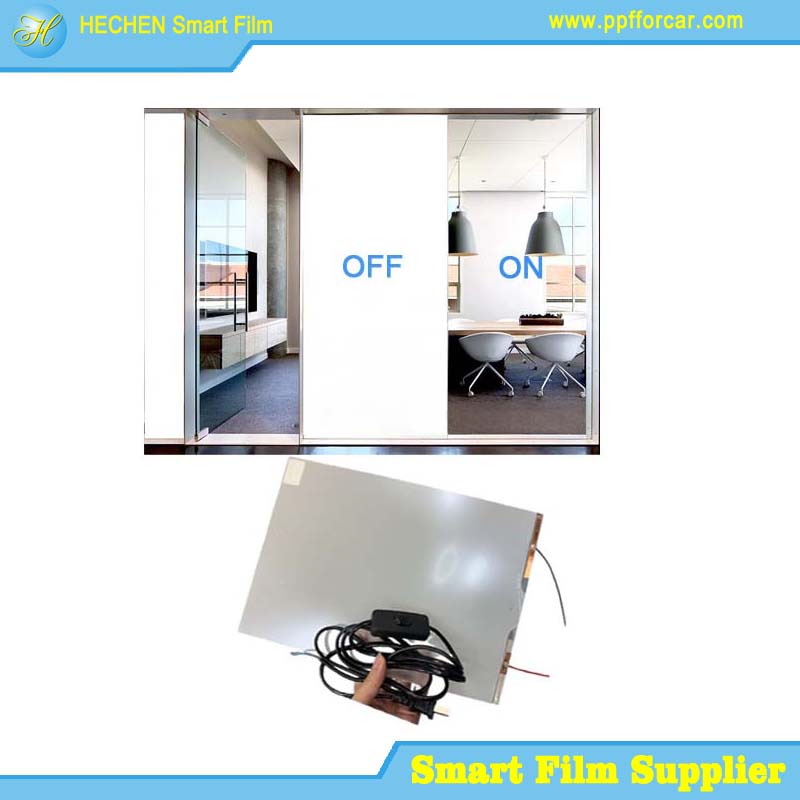
4. Smart Removable Tints: Advanced types integrate photochromic materials that darken in sunlight, combining removability with dynamic adjustment. These are pricier but represent the cutting edge.
5. Pre-Cut vs. Roll Films: Pre-cut kits from SupFilm fit specific models, while rolls allow custom sizing.
Choosing the right type depends on vehicle type, climate, and desired durability.
Benefits of Removable Car Window Tints
Removable tints offer numerous advantages, making them a smart choice for modern drivers.
Primarily, they provide flexibility—easy removal ensures compliance with varying state laws or lease terms. Privacy is enhanced without permanence, deterring theft by obscuring interiors.
Heat reduction is a key benefit; innovative films block up to 80% of solar energy, lowering AC use and fuel consumption. UV protection prevents skin cancer risks and interior fading.
Aesthetically, they give vehicles a sleek, customized look, with options from limo-black to subtle shades.
Cost-effectiveness shines through DIY installation, saving hundreds compared to professionals. Reusability extends value, as films can be stored and reapplied.
For multi-vehicle owners, portability is a plus—transfer tints between cars effortlessly.
Environmentally, reduced waste from reusability aligns with green initiatives.
Overall, these benefits make removable tints a practical, innovative upgrade.
Installation and Removal Process
Installing removable tints is straightforward, often taking 5-30 minutes per window.
Clean the glass thoroughly with soap and water, then dry. For static cling, spray a soapy solution on the window, align the film, and squeegee out bubbles. Adhesive types require peeling a backing and pressing firmly.
Tools needed: Squeegee, spray bottle, utility knife for trimming.
Removal is equally simple—peel from a corner; static cling lifts easily, while adhesives may need gentle heat from a hairdryer. No residue means no cleanup hassle.
Tips: Apply in shade to avoid quick drying; practice on small windows first.
This user-friendly process democratizes tinting for all.
Legal Aspects
Window tint laws vary by U.S. state, focusing on Visible Light Transmission (VLT) percentages.
For example, California requires 70% VLT for front side windows, while rears can be darker. New York mandates 70% for all sides, North Carolina 35%.
Windshields often allow only non-reflective strips above the AS-1 line. Medical exemptions exist for darker tints.
Removable tints aid compliance by allowing quick adjustments for inspections or travel.
Violations can result in fines or failed safety checks, so check local laws via state DMV sites.
Pros and Cons
Pros: Easy install/remove, cost-effective, reusable, legal flexibility, good heat/UV protection.
Cons: May wrinkle or fade faster (e.g., poor after 30 days per user reviews), lower durability in extreme weather, potential for suboptimal heat rejection compared to permanents.
Weigh these based on usage.
Future Trends
Looking ahead, removable tints will integrate smart technologies like photochromic films that auto-adjust tint levels. Nano-ceramic advancements will enhance energy efficiency, and eco-friendly bio-based materials will dominate.
By 2035, expect app-controlled tints for seamless integration with smart vehicles.
Conclusion
Innovative removable car window tints blend convenience, performance, and sustainability, redefining vehicle customization. As technology evolves, they promise even greater advancements for drivers worldwide.
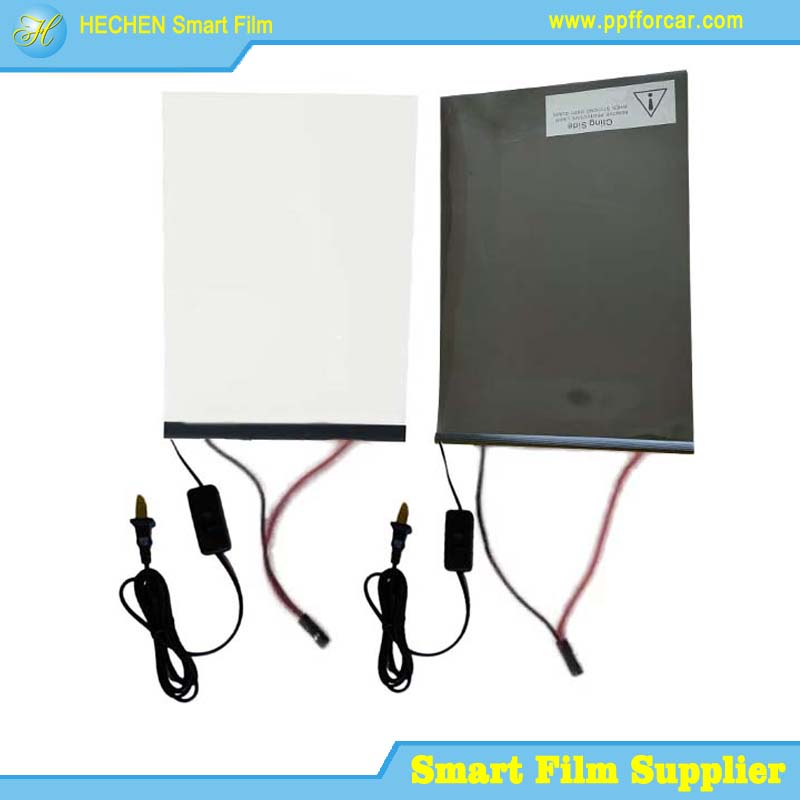
For more about what is the innovative removable car window tint, you can pay a visit to Hechen PDLC Smart Film Manufacturers for more info.