You Can Easily Switch Between An Open Space And A Private One When You Have A PDLC Film
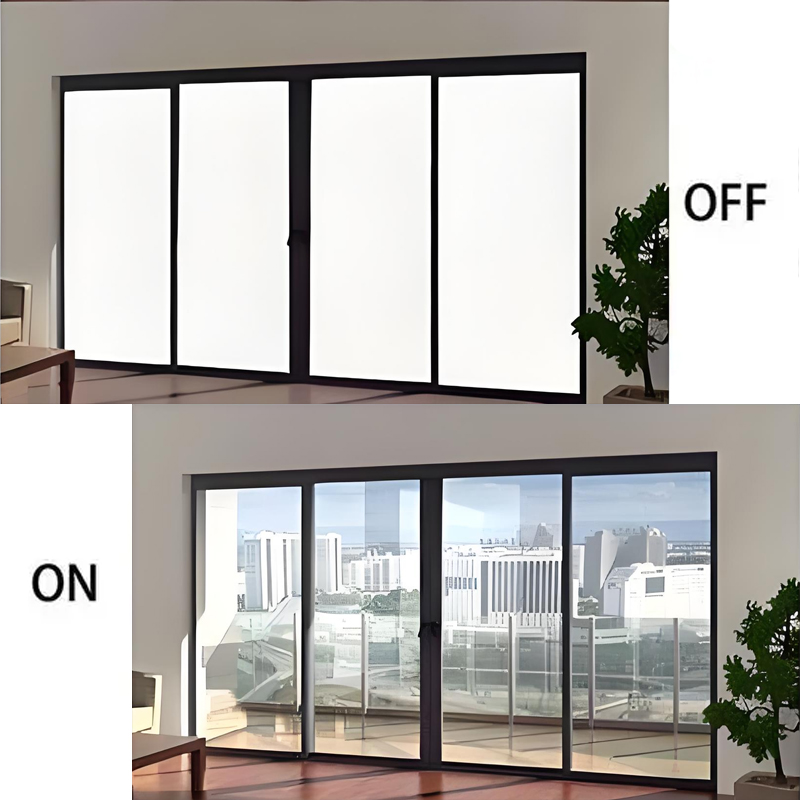
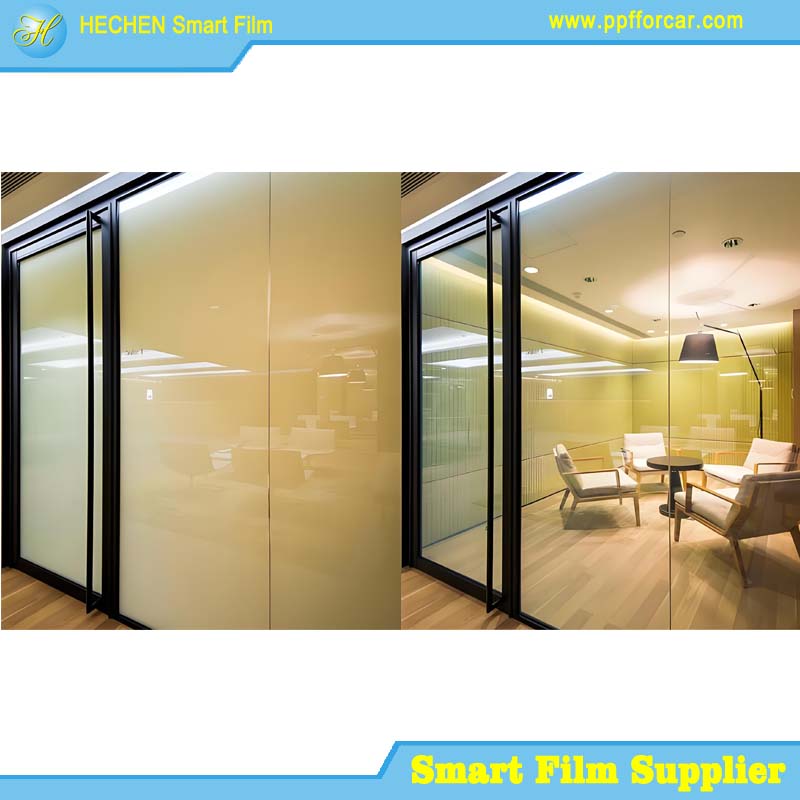
In today's fast-paced world, flexibility in living and working spaces has become more than a luxury—it's a necessity. Imagine an office where conference rooms can transform from open collaborative hubs to private meeting areas with just the flick of a switch, or a home where living rooms seamlessly shift between expansive family gatherings and intimate retreats without the hassle of moving furniture or installing temporary dividers. This isn't science fiction; it's the reality offered by PDLC film, a cutting-edge technology that's revolutionizing architecture and interior design. PDLC, short for Polymer Dispersed Liquid Crystal, is a smart film that can be applied to existing glass surfaces, allowing them to toggle between transparent and opaque states on demand.
This innovation eliminates the need for costly and disruptive renovations like demolishing walls to create new layouts or rebuilding them for added privacy. Traditional methods of reconfiguring spaces often involve weeks of construction, dust, noise, and expenses that can run into tens of thousands of dollars. With PDLC film, however, you achieve the same versatility at a fraction of the cost and time, making it an ideal solution for modern homes, offices, hotels, and beyond.
The appeal of PDLC film lies in its ability to adapt to our changing needs. In open-plan offices, which have become popular for fostering collaboration, the lack of privacy can lead to distractions and reduced productivity. PDLC film addresses this by turning glass partitions into dynamic barriers that provide seclusion when needed without permanently altering the space.
Similarly, in residential settings, it allows homeowners to enjoy open-concept designs while having the option to create private zones for work, rest, or entertainment. This adaptability not only enhances functionality but also boosts property value, as smart features like these are increasingly sought after in real estate markets.Moreover, the environmental impact cannot be overlooked. Demolishing and rebuilding walls generate significant waste, contributing to landfill burdens and carbon emissions from new materials and transportation. PDLC film, being a retrofit solution, minimizes waste by upgrading existing structures, aligning with sustainable building practices that prioritize reuse over replacement. As we delve deeper into this article, we'll explore how PDLC film works, its myriad benefits, practical applications, and why it's the smart choice for anyone looking to save on renovations while embracing the future of flexible design.
Understanding PDLC Film: The Basics
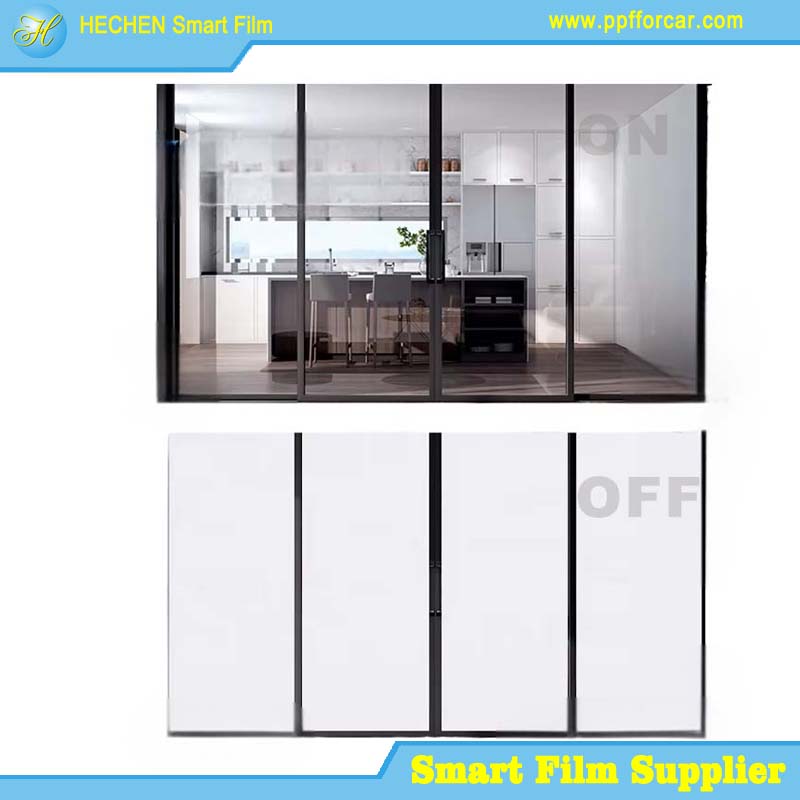
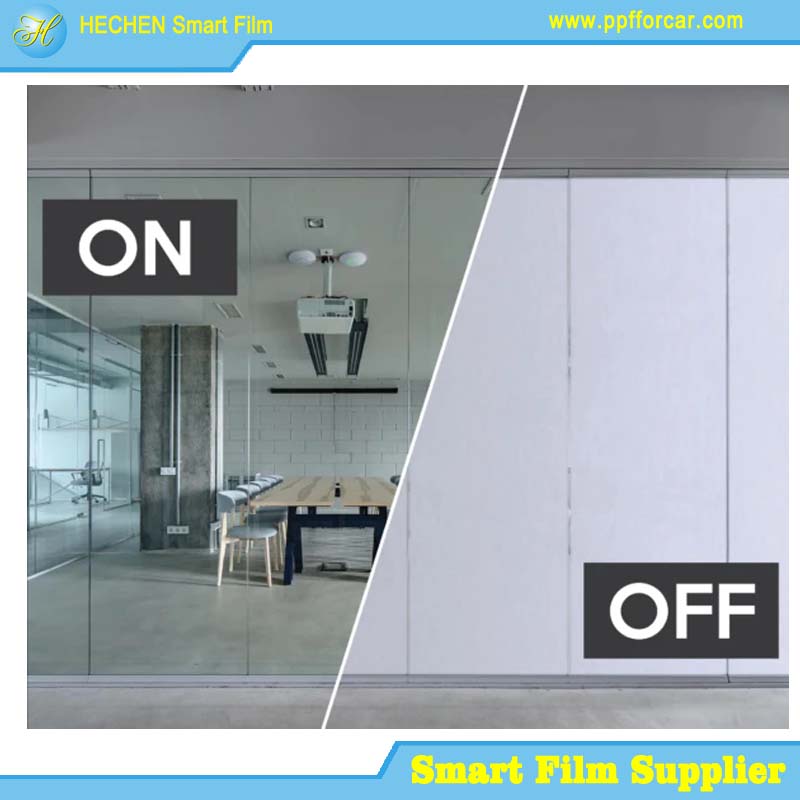
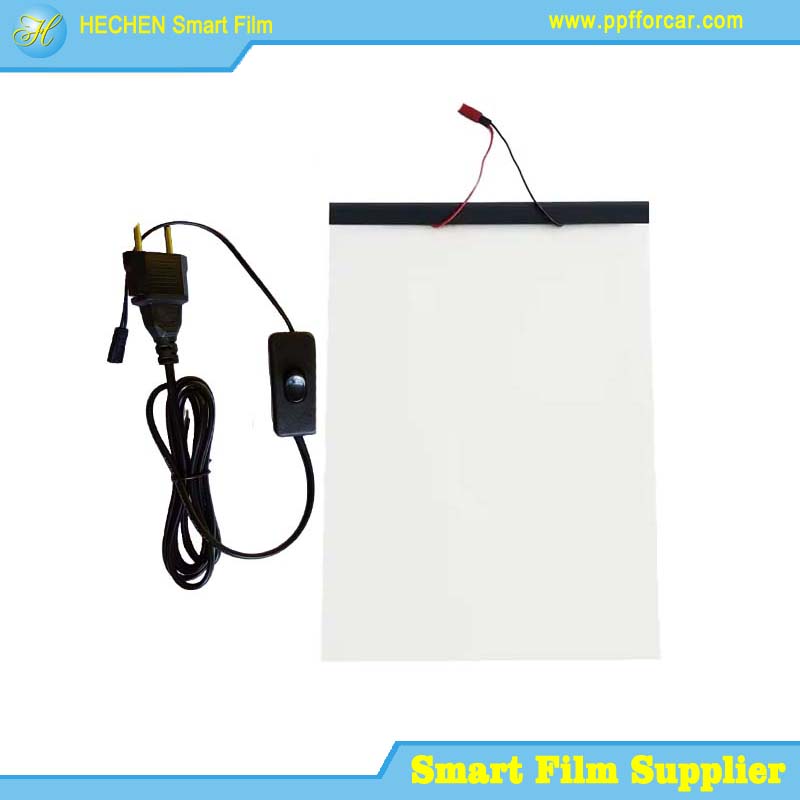
At its core, PDLC film is a thin, flexible layer composed of liquid crystals dispersed within a polymer matrix, sandwiched between two conductive films. This composition allows the film to change its optical properties when an electric current is applied. In its unpowered state, the liquid crystals are randomly oriented, scattering light and creating an opaque, frosted appearance that blocks views while still permitting diffused natural light to pass through. This default opacity ensures privacy without completely darkening a room, making it perfect for spaces where light is valued but seclusion is essential.
When electricity is introduced—typically a low-voltage AC current of 24-110 volts—the liquid crystals align in response to the electric field, allowing light to travel straight through the film and rendering it transparent. This switch happens almost instantaneously, often in less than a second, providing seamless transitions that feel magical yet are grounded in solid electro-optical science. The film's thickness, usually around 0.3-0.5 millimeters, makes it unobtrusive, and it can be cut to fit any glass size or shape, including curved surfaces.
What sets PDLC film apart from other smart materials is its versatility in application. It can be self-adhesive for easy retrofitting on existing glass or laminated between glass panes during manufacturing for new installations.
In architecture, this means integrating it into windows, doors, partitions, and even skylights. Interior designers love it for its aesthetic neutrality; when clear, it's indistinguishable from regular glass, and when opaque, it offers a sleek, modern frosted look that complements contemporary styles.Beyond basic functionality, advanced PDLC films incorporate features like UV protection, blocking up to 99% of harmful rays to prevent fading of interiors and reduce health risks.
Some variants also include solar control to manage heat gain, contributing to energy efficiency in buildings. This multifaceted nature makes PDLC not just a privacy tool but a comprehensive enhancement for any space.
The Science and Mechanics Behind PDLC Film
Diving deeper into the mechanics, PDLC film's operation relies on the unique properties of nematic liquid crystals, which can be manipulated by electric fields.
The polymer matrix holds these crystals in droplets, and without power, Brownian motion keeps them disordered, diffusing light for opacity. Applying voltage aligns them parallel to the field, matching the refractive indices of the crystals and polymer, thus enabling transparency.
In architectural contexts, this technology integrates with building management systems. For instance, sensors can automate switching based on occupancy, time of day, or even voice commands via smart home integrations like Alexa or Google Home. Power consumption is remarkably low—less than 5 watts per square meter when active, and zero when opaque—making it more efficient than motorized blinds or curtains. For interior design, PDLC film's durability is key. It withstands temperatures from -20°C to 70°C and has a lifespan of 10-20 years, with minimal degradation.
It's also shatter-resistant, adding a layer of safety by holding glass fragments together in case of breakage. This combination of science and practicality allows designers to push boundaries, creating spaces that adapt to users rather than forcing users to adapt to rigid layouts.
Cost Savings: A Game-Changer Over Traditional Renovations
One of the most compelling reasons to choose PDLC film is the dramatic cost savings it offers compared to demolishing and rebuilding walls. Traditional renovations for privacy often involve structural changes: knocking down walls for open spaces or erecting new ones for division, which can cost $10,000 to $50,000 or more per project, depending on size and materials. This includes labor, permits, debris removal, and potential downtime for businesses, leading to lost revenue.
In contrast, PDLC film starts at $25-70 per square foot, including installation, making it 40-90% cheaper than full rebuilds or even installing new glass walls. For a 100-square-foot partition, that's roughly $2,500-$7,000 versus $20,000+ for demolition and reconstruction. Retrofit applications mean no structural alterations, reducing waste and environmental costs while qualifying for green building incentives.
Energy savings add to the appeal. By controlling light and heat, PDLC film can cut HVAC costs by 10-20%, with studies showing reduced annual energy use in retrofitted buildings.
Maintenance is negligible—no cleaning fabrics or repairing mechanisms like with blinds—further lowering long-term expenses. For businesses, the quick installation (often hours, not days) minimizes disruption, preserving productivity and income.
Environmentally, avoiding demolition prevents the release of embodied carbon from new materials, aligning with net-zero goals. A report highlights that refurbishing with technologies like PDLC saves 60% in costs and reduces waste compared to new builds. Thus, PDLC isn't just economical; it's a sustainable investment that pays dividends over time.
Applications in Architecture and Interior Design
PDLC film's versatility shines in various settings. In offices, it's used for glass walls in conference rooms, allowing open visibility for team integration or instant privacy for sensitive discussions.
This flexibility boosts productivity by reducing distractions, with studies showing enhanced focus in adaptable workspaces. In residential architecture, PDLC transforms homes. Apply it to internal partitions for multifunctional rooms—like a living area that doubles as a home office—or bathroom windows for privacy without curtains.
Interior designers use it creatively: patterned PDLC for artistic effects, or in kitchens for hiding messes during entertaining. Hotels and hospitality venues benefit from PDLC in suites, where guests can switch balcony views or room dividers for personalized experiences. Educational institutions create flexible classrooms, switching from open lectures to private study pods.
In healthcare, it provides hygienic privacy in patient rooms, replacing curtains that harbor bacteria. Retail spaces use it for dynamic storefronts, revealing displays on command. Even museums employ PDLC for interactive exhibits, protecting artifacts while allowing views.These applications highlight how PDLC enables fluid designs, where spaces evolve with needs, all without the permanence of walls.
Installation and Maintenance: Simplicity at Its Best
Installing PDLC film is straightforward, often a DIY project. Clean the glass, cut the film to size, peel the backing, and apply with a squeegee, using soapy water for adjustments. Connect electrodes to a power source, and integrate controls—wall switches or apps. Professional help is optional for large areas, but costs remain low.Maintenance involves gentle cleaning with non-abrasive cloths; no special tools needed. With proper care, it lasts decades, offering hassle-free operation.
Real-World Case Studies
Consider a New York office retrofit: Installing PDLC on partitions saved $30,000 versus rebuilding, enhancing privacy and morale. In Los Angeles homes, homeowners report 15% energy savings and added value. A Savannah hotel used it for suites, boosting guest satisfaction without major renovations. These examples prove PDLC's real impact.
Conclusion
PDLC film is the ultimate solution for flexible spaces, saving costs on demolitions while offering effortless privacy switches. Embrace this technology for smarter, more adaptable environments.
For more about you can easily switch between an open space and a private one when you have a PDLC film, you can pay a visit to Hechen PDLC Smart Film Manufacturers for more info.