Can SPD Smart Film Be Installed on Existing Cars? Complete Guide to Aftermarket SPD Film Installatio
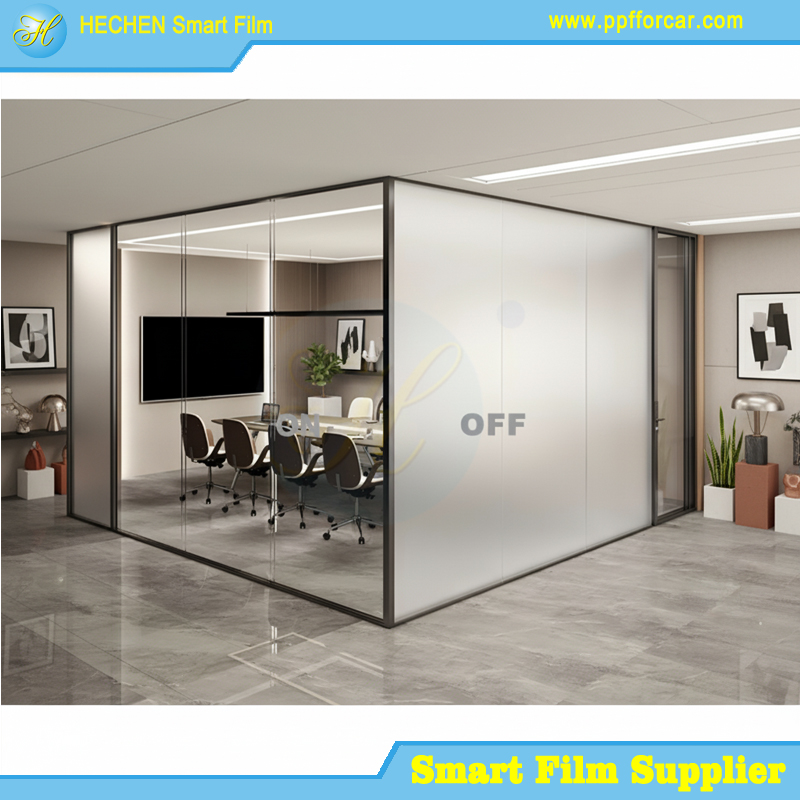
As automotive technology continues to evolve, smart glass is becoming one of the most exciting innovations in luxury vehicles. Technologies such as SPD smart film for cars allow vehicle glass to dynamically adjust transparency, reduce solar heat, and improve passenger comfort.
Many car owners and automotive professionals are now asking:
Can SPD smart film be installed on existing cars?
The short answer is: Yes, SPD smart film can be installed on existing vehicles, but the process is significantly more complex than traditional window tint installation.
Unlike conventional tint films, SPD technology is an advanced electronic glazing system that requires:
Specialized film materials
Electrical connections
Controllers
Professional installation
Vehicle integration
For new vehicles, SPD is usually integrated during the OEM manufacturing process. However, with the development of retrofit SPD smart film, aftermarket installation has become possible for selected vehicles.
This article explains everything about aftermarket SPD film, including OEM vs aftermarket solutions, installation requirements, electrical systems, legal considerations, challenges, and frequently asked questions.
OEM vs Aftermarket SPD Film
The first step in understanding SPD installation is knowing the difference between OEM and aftermarket applications.
Although the technology is the same, the engineering approach is very different.
OEM SPD Smart Film Integration
OEM stands for Original Equipment Manufacturer.
In OEM applications, SPD smart glass is designed and installed during vehicle production.
Automotive manufacturers integrate SPD systems directly into:
Panoramic roofs
Sunroofs
Rear passenger windows
Luxury vehicle glazing systems
The advantages of OEM integration include:
1. Perfect Vehicle Compatibility
The glass, electronics, and software are designed together.
Manufacturers can optimize:
Glass shape
Film size
Electrical system
Control interface
2. Better Durability
OEM SPD glass is tested for:
Temperature changes
Vibration
Humidity
UV exposure
Long-term operation
This ensures reliable performance throughout the vehicle lifespan.
3. Intelligent Vehicle Control
Factory-installed SPD systems can connect with:
Vehicle computers
Climate systems
Light sensors
Touchscreen controls
For example:
The vehicle can automatically darken the panoramic roof when sunlight intensity increases.
Aftermarket SPD Film Installation
Aftermarket SPD film refers to installing SPD technology on an existing vehicle after purchase.
Compared with OEM installation, aftermarket installation requires more customization.
Potential applications include:
Luxury vehicles
Classic cars
Premium SUVs
Custom automotive projects
A retrofit SPD system usually includes:
SPD film
Glass preparation
Wiring system
Controller
Power supply module
Installation accessories
Is Retrofit SPD Smart Film Suitable for All Cars?
Not every vehicle is suitable for retrofit SPD smart film.
Several factors must be considered:
Glass Design
SPD works best with:
Flat glass
Slightly curved glass
Large surface areas
Highly curved automotive glass may require custom engineering.
Available Space
The vehicle must have enough space for:
Controllers
Wiring
Electrical components
Electrical Compatibility
The vehicle electrical system must support additional smart glass components.
Professional Capability
SPD installation requires more technical expertise than standard tint installation.
A qualified installer must understand:
Automotive electronics
Glass technology
Film lamination
Waterproof electrical connections
Installation Requirements
Professional SPD film installation requires several critical steps.
Unlike normal window films, SPD is an electronic optical system.
1. Glass Surface Preparation
The glass surface must be completely clean before installation.
Installers must remove:
Dust
Oil contamination
Residue
Existing tint materials
Any contamination can cause:
Bubbles
Optical distortion
Poor adhesion
Because SPD is a high-precision product, surface preparation directly affects final performance.
2. SPD Film Cutting and Positioning
SPD film must be precisely cut according to the vehicle glass dimensions.
Important factors include:
Film alignment
Edge protection
Electrical terminal position
Incorrect positioning may result in:
Uneven tint
Electrical connection problems
Reduced lifespan
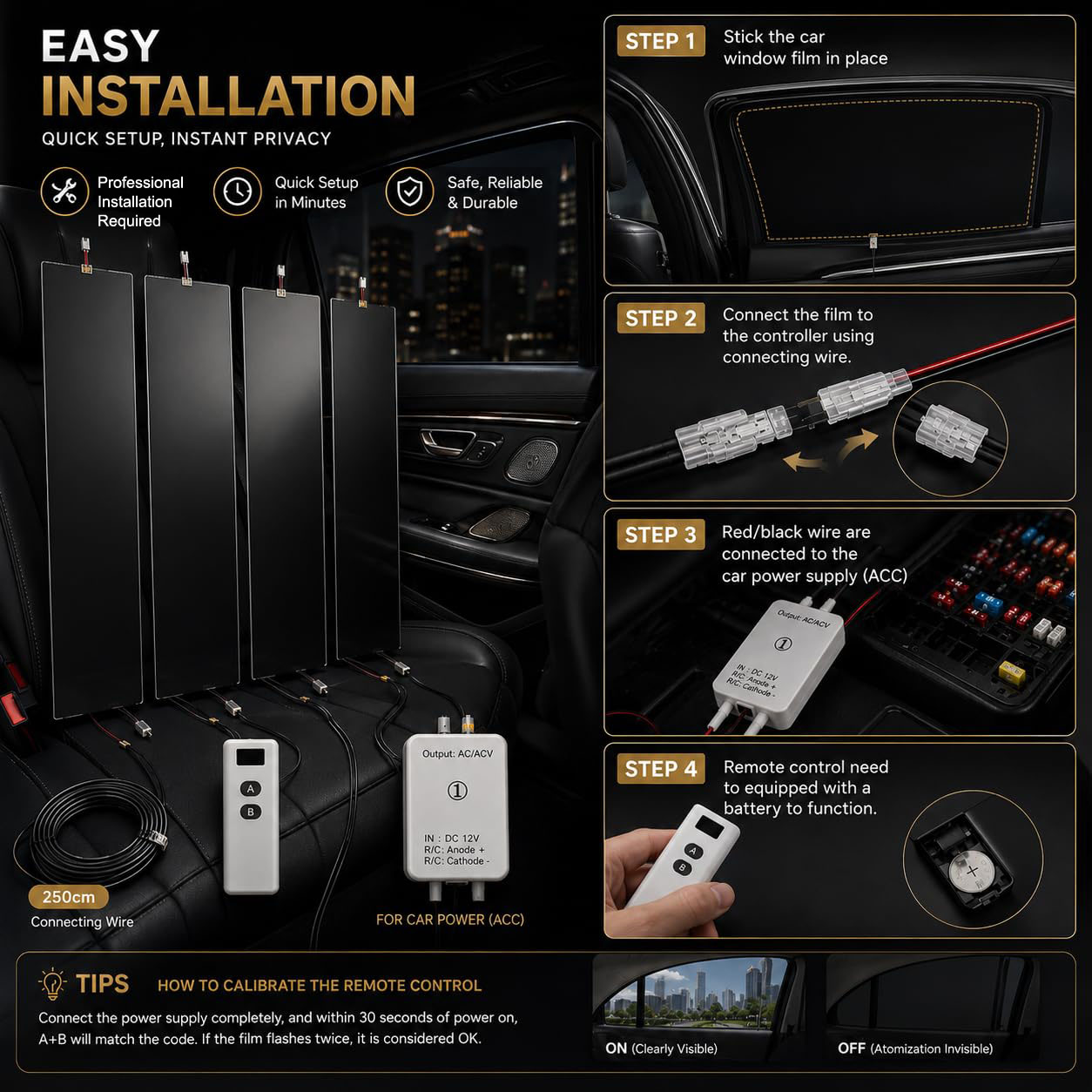
3. Electrical Connection Installation
SPD systems require electrical connections.
The installation usually includes:
Conductive busbars
Wiring harness
Voltage controller
Power converter
The electrical design must ensure:
Stable voltage
Safe operation
Proper insulation
4. Edge Sealing
Automotive environments expose glass to:
Rain
Humidity
Temperature changes
Therefore, edge sealing is essential.
Proper sealing helps prevent:
Moisture damage
Film degradation
Electrical failure
5. System Testing
After installation, technicians test:
Tint switching
Voltage response
Transparency levels
Electrical stability
A complete inspection ensures reliable operation.
Electrical System Requirements
One of the biggest differences between SPD and traditional tint is the electrical requirement.
Traditional window film requires no power.
SPD smart film requires an electronic control system.
Power Supply
SPD systems typically operate using AC voltage supplied through an inverter or controller.
The vehicle's 12V or 48V electrical system usually requires conversion.
The system may include:
DC-to-AC converter
Control module
Safety protection circuit
Controller Integration
A retrofit SPD system can be controlled through:
Manual Control
Examples:
Switch buttons
Touch panels
Remote controls
Smart Control
Advanced installations may integrate:
Smartphone applications
Voice commands
Automatic sensors
Vehicle Integration
Premium retrofit projects may connect SPD controls with:
Vehicle infotainment systems
Climate control
Interior lighting
Power Consumption Considerations
Many customers worry about battery usage.
However, SPD technology is relatively energy efficient.
Power consumption depends on:
Glass size
Tint level
Operating frequency
Controller efficiency
For automotive applications:
Energy demand is relatively low
Operation is stable
Suitable for luxury vehicles and EV platforms
Legal Considerations
Before installing SPD smart film, vehicle owners must consider local regulations.
Automotive glass laws vary by country and region.
Important considerations include:
Window Visibility Regulations
Some regions regulate:
Minimum visible light transmission (VLT)
Front window tint levels
Driver visibility requirements
A very dark setting may not be legal for certain windows.
Windshield Applications
Installing smart film on windshields requires special consideration.
Potential issues include:
Optical distortion
Driver visibility
Safety compliance
Many retrofit installations focus on:
Roof glass
Rear windows
Passenger areas
Vehicle Inspection Requirements
Some countries require modified vehicles to pass inspection.
Owners should check:
Local automotive regulations
Insurance requirements
Certification standards
Common Challenges of Aftermarket SPD Film
Although SPD technology offers many advantages, retrofit installation has several challenges.
1. Higher Installation Cost
SPD systems are more expensive than traditional tint because they require:
Advanced materials
Electronic components
Professional installation
2. Complex Electrical Integration
Adding SPD to an existing vehicle requires careful electrical engineering.
Problems may occur if:
Voltage is incorrect
Wiring is poor quality
Controllers are incompatible
3. Limited Installer Availability
Unlike standard tint shops, SPD installation requires specialized knowledge.
Finding experienced technicians can be difficult.
4. Curved Glass Challenges
Many automotive windows have complex shapes.
Large curved surfaces require:
Custom film design
Precision installation
Advanced lamination techniques
5. Long-Term Reliability
Automotive environments are demanding.
SPD systems must withstand:
Extreme temperatures
UV exposure
Mechanical vibration
Moisture
Professional installation is essential for long-term performance.
Aftermarket SPD Film vs Traditional Tint
| Feature | Aftermarket SPD Film | Traditional Tint |
|---|---|---|
| Adjustable Tint | Yes | No |
| Electronic Control | Yes | No |
| Heat Management | Excellent | Moderate |
| Installation Difficulty | High | Low |
| Cost | Higher | Lower |
| Premium Appearance | Excellent | Standard |
| Smart Integration | Possible | No |
Frequently Asked Questions
1. Can SPD smart film be installed on existing cars?
Yes. SPD smart film can be installed on existing vehicles, but it requires professional installation and electrical integration.
2. Is aftermarket SPD film the same as OEM SPD glass?
The technology is similar, but OEM systems are integrated during vehicle manufacturing, while aftermarket systems require customized installation.
3. How much does SPD film installation cost?
The cost depends on:
Vehicle model
Glass size
Film specifications
Electrical system requirements
Installation complexity
Retrofit SPD systems are generally more expensive than traditional tint.
4. Can SPD film be installed on curved car windows?
Some curved glass applications are possible, but highly complex shapes may require custom engineering.
5. Does retrofit SPD smart film affect the car battery?
A properly installed SPD system has relatively low power consumption and should not significantly affect the vehicle battery.
6. Is SPD better than traditional window tint?
For users who want adjustable tint, heat control, and smart functionality, SPD provides significant advantages over traditional tint.
7. Can SPD smart film be controlled by a smartphone?
Yes. Advanced retrofit systems can include wireless controllers and smart device integration.
Conclusion: Is Retrofit SPD Smart Film Worth Installing?
Retrofit SPD smart film represents an exciting upgrade path for luxury vehicle owners who want advanced glass technology without purchasing a factory-equipped vehicle.
Compared with traditional tint, aftermarket SPD film provides:
Adjustable transparency
Better solar heat control
Improved passenger comfort
Smart vehicle functionality
Premium appearance
However, SPD installation is not a simple DIY upgrade. It requires professional engineering, electrical integration, and careful installation.
For luxury vehicles, custom automotive projects, and premium EV applications, SPD smart film offers one of the most advanced solutions available for transforming ordinary glass into intelligent automotive glazing.
As smart vehicles continue to evolve, retrofit SPD technology will create new opportunities for upgrading existing cars with next-generation comfort and energy-saving features.
Recommended linking:
Everything You Need to Know About SPD Smart Film for Cars
Recommend related products:
SPD Smart Film For Car VLT 60%