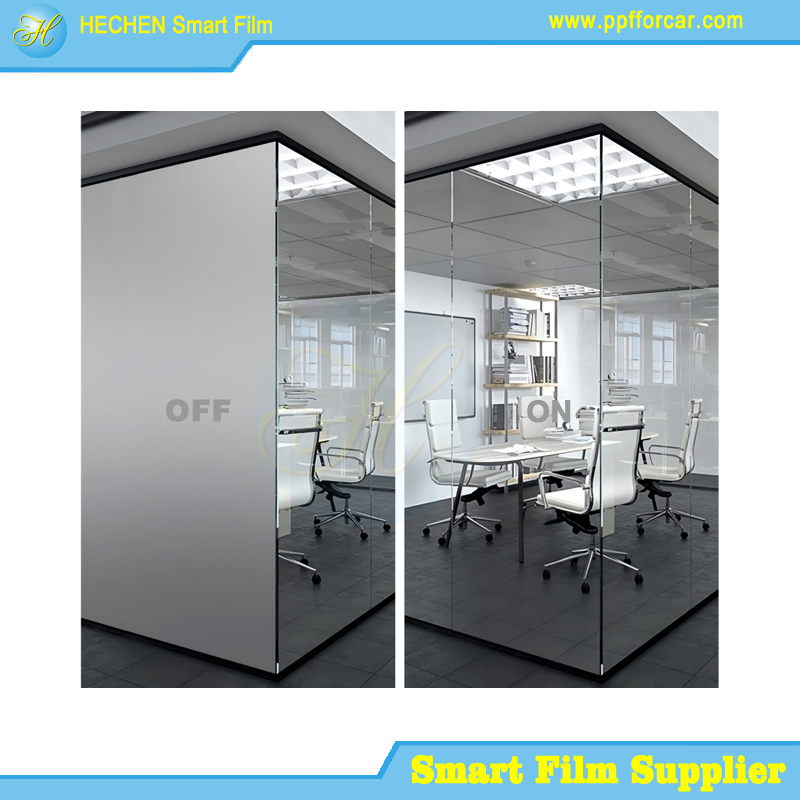
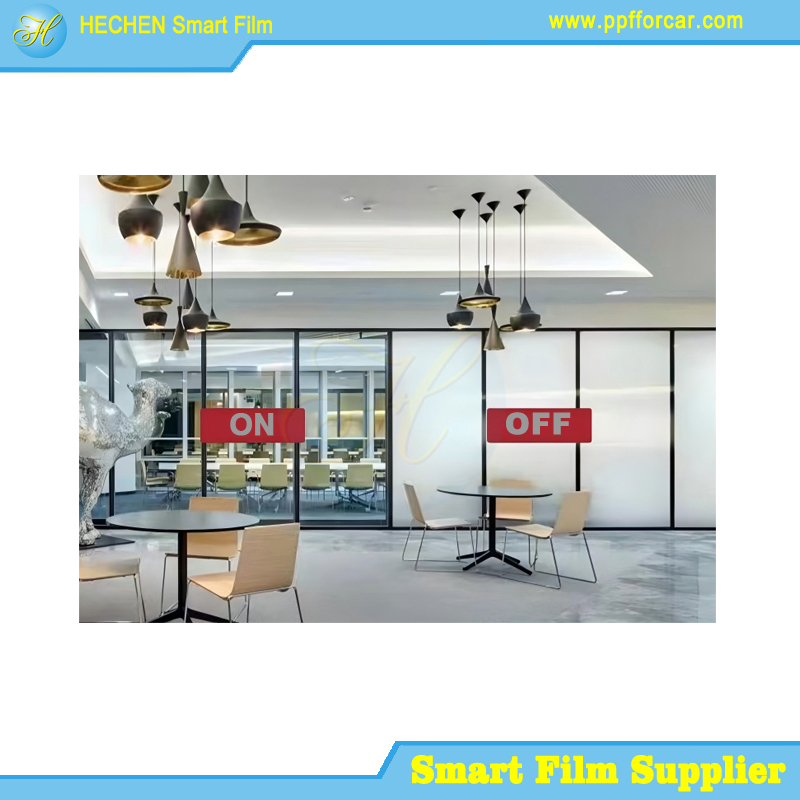
SPD Smart Film vs PDLC Smart Film: Which Is Better for Cars?
The automotive industry is rapidly moving toward intelligent, connected, and energy-efficient vehicle designs. As luxury vehicles, electric vehicles (EVs), and autonomous driving technologies continue to develop, traditional window tint is gradually being replaced by advanced automotive smart glass solutions.
Among the most popular technologies are SPD smart film for cars and PDLC smart film for cars. Both technologies allow vehicle glass to change its optical properties electronically, but they are designed for completely different purposes.
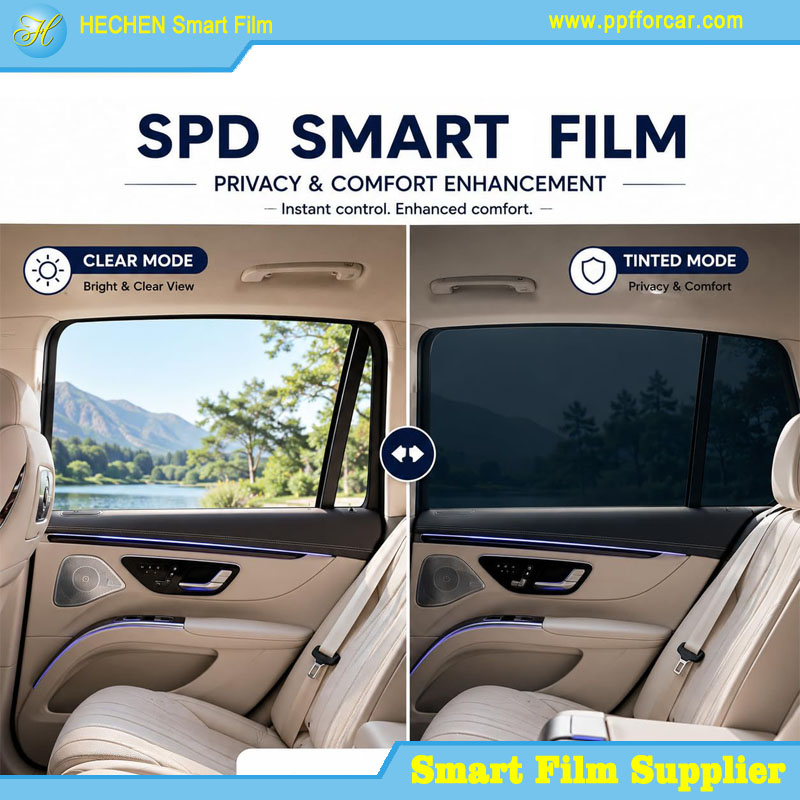
Technology Comparison: SPD Smart Film vs PDLC Smart Film
Understanding the difference between SPD and PDLC starts with understanding how each technology works.
Both systems use electrical control to change glass appearance, but the internal structures and operating mechanisms are completely different.
SPD vs PDLC: Core Technology Differences
| Feature | SPD Smart Film | PDLC Smart Film |
|---|---|---|
| Technology | Suspended Particle Device | Polymer Dispersed Liquid Crystal |
| Main Function | Variable tint control | Privacy switching |
| Light Control | Continuous adjustment | ON/OFF switching |
| Normal State | Dark tint | Frosted |
| Powered State | Adjustable transparency | Transparent |
| Main Application | Automotive glazing | Architectural privacy glass |
| Best Use | Heat and glare management | Privacy protection |
Light Transmission Comparison
Light transmission is one of the most important factors when comparing SPD smart film vs PDLC smart film for vehicles.
Modern vehicles require glass that can adapt to changing environmental conditions.
For example:
Bright sunlight during daytime driving
Low-light conditions at night
Passenger comfort during long journeys
SPD Smart Film Light Transmission
The biggest advantage of SPD is adjustable transparency.
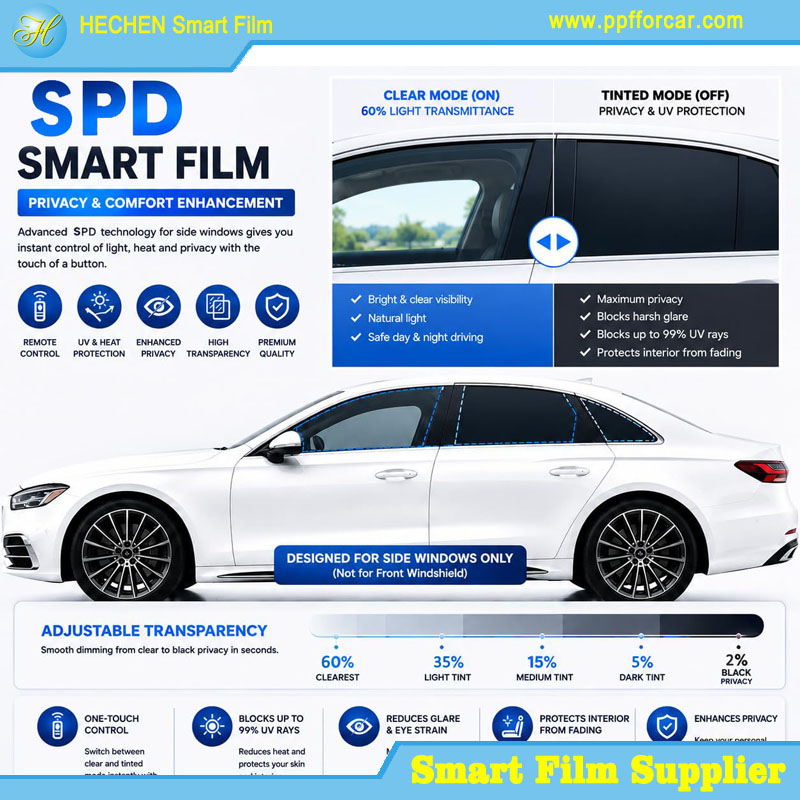
SPD allows continuous control of visible light transmission (VLT).
Drivers can adjust the glass from dark to clear depending on conditions.
Typical applications include:
Panoramic roofs
Smart sunroofs
Rear passenger windows
When sunlight becomes intense, the system can reduce light transmission.
When visibility is needed, the glass can become clearer.
This creates a more comfortable driving environment.
PDLC Smart Film Light Transmission
PDLC works differently.
It does not provide continuous tint adjustment.
Instead:
OFF state creates privacy through light scattering
ON state provides transparency
Although PDLC becomes clear when powered, it does not effectively control sunlight intensity.
This means PDLC is excellent for privacy but less effective for managing glare and solar radiation.
Heat Rejection Comparison
Heat management is another major difference between SPD and PDLC.
Modern vehicles, especially electric vehicles, require better thermal efficiency.
Reducing cabin temperature helps:
Improve passenger comfort
Reduce air conditioning load
Increase EV efficiency
| Feature | SPD Smart Film | PDLC Smart Film |
|---|---|---|
| Solar Heat Control | Excellent | Moderate |
| Infrared Blocking | High | Limited |
| Glare Reduction | Excellent | Moderate |
| EV Application | Highly suitable | Limited |
| Panoramic Roof Use | Excellent | Less common |
Privacy Comparison: SPD Smart Film vs PDLC Smart Film
Privacy is an important consideration in automotive applications, especially for luxury vehicles, executive cars, and premium passenger cabins.
However, SPD and PDLC achieve privacy in completely different ways.
Privacy Comparison Table
| Feature | SPD Smart Film | PDLC Smart Film |
|---|---|---|
| Privacy Level | Medium to High | Very High |
| Privacy Method | Dark tint | Opaque switching |
| Outside Visibility | Maintained | Blocked when OFF |
| Best Application | Panoramic roof, windows | Privacy partitions |
| Luxury Vehicle Use | Excellent | Selective |
Response Speed Comparison
Switching speed is another important factor when comparing SPD smart film vs PDLC smart film.
Modern vehicles require fast response systems that can adapt to changing light conditions.
| Feature | SPD Smart Film | PDLC Smart Film |
|---|---|---|
| Switching Speed | Fast | Very Fast |
| Transition Type | Smooth adjustment | Instant ON/OFF |
| Automatic Control | Excellent | Good |
| Dynamic Tint Control | Yes | No |
Power Consumption Comparison
Energy efficiency is becoming increasingly important as electric vehicles continue to grow.
Both SPD and PDLC require electricity, but their power characteristics are different.
| Feature | SPD Smart Film | PDLC Smart Film |
|---|---|---|
| Power Type | AC voltage | AC voltage |
| Energy Efficiency | High | Medium |
| Heat Reduction Benefit | Excellent | Limited |
| EV Suitability | Excellent | Moderate |
Installation Comparison
Installation requirements are another key factor when choosing between SPD and PDLC for vehicles.
Automotive environments are much more demanding than architectural applications.
Vehicles experience:
Temperature changes
Vibration
Humidity
Mechanical stress
UV exposure
Therefore, smart film installation requires professional engineering.
| Feature | SPD Smart Film | PDLC Smart Film |
|---|---|---|
| Installation Difficulty | High | Medium |
| Automotive Integration | Excellent | Moderate |
| Curved Glass Compatibility | Requires engineering | Easier |
| OEM Application | Common | Limited |
| Aftermarket Installation | Difficult | Easier |
Which Is Better for Cars: SPD or PDLC?
The answer depends on the vehicle application.
If the goal is:
Dynamic tint control
Heat reduction
Glare management
Premium appearance
Electric vehicle efficiency
SPD smart film is the better choice.
It provides a more advanced automotive experience through variable tint control and intelligent light management.
If the goal is:
Maximum privacy
Instant opaque switching
Passenger separation
PDLC smart film may be more suitable.
For example:
VIP limousine partitions
Rear passenger privacy glass
Luxury transportation cabins
Why Luxury Cars Prefer SPD Smart Film
Luxury vehicle manufacturers focus on creating a premium passenger experience.
SPD technology provides several advantages:
1. Premium Appearance
Large panoramic glass roofs are becoming a signature design element.
SPD allows manufacturers to offer:
Glass roof aesthetics
Adjustable shading
Improved comfort
2. Better Passenger Experience
Passengers can enjoy natural light without excessive heat or glare.
3. Energy Efficiency
Reducing solar heat helps:
Lower cabin temperature
Reduce HVAC workload
Improve EV efficiency
4. Smart Vehicle Integration
SPD can connect with:
Vehicle sensors
Intelligent climate systems
Digital controls
Mobile applications
This matches the future direction of smart vehicles.
Conclusion
When comparing SPD Smart Film vs PDLC Smart Film, both technologies have unique advantages, but they serve different automotive needs.
PDLC smart film technology is mainly designed for privacy, providing instant switching between transparent and opaque states.
SPD smart film for cars is designed for intelligent light management, offering variable tint adjustment, superior heat rejection, glare reduction, and a premium driving experience.
For luxury vehicles, panoramic roofs, electric vehicles, and advanced automotive glazing systems, SPD represents the future direction of automotive smart glass.
As vehicles become more intelligent and energy-efficient, SPD smart glass technology will continue to play an important role in creating safer, cooler, and more comfortable driving environments.
Recommended linking:
Everything You Need to Know About SPD Smart Film for Cars
Recommend related products:
SPD Smart Film For Car VLT 60%