Beyond Privacy: 5 Surprising Uses for PDLC Smart Film in Your Home
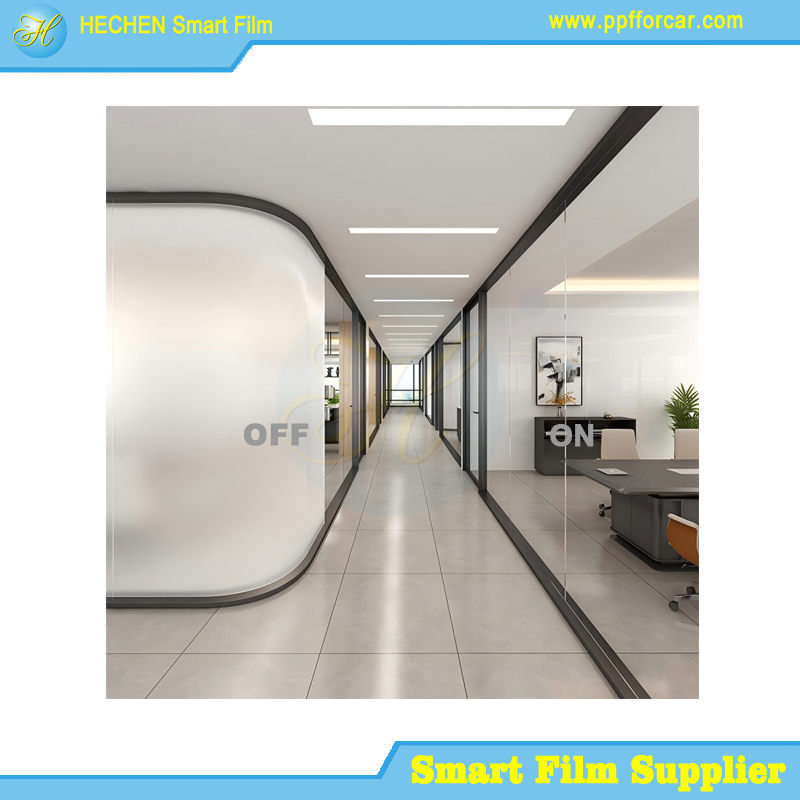
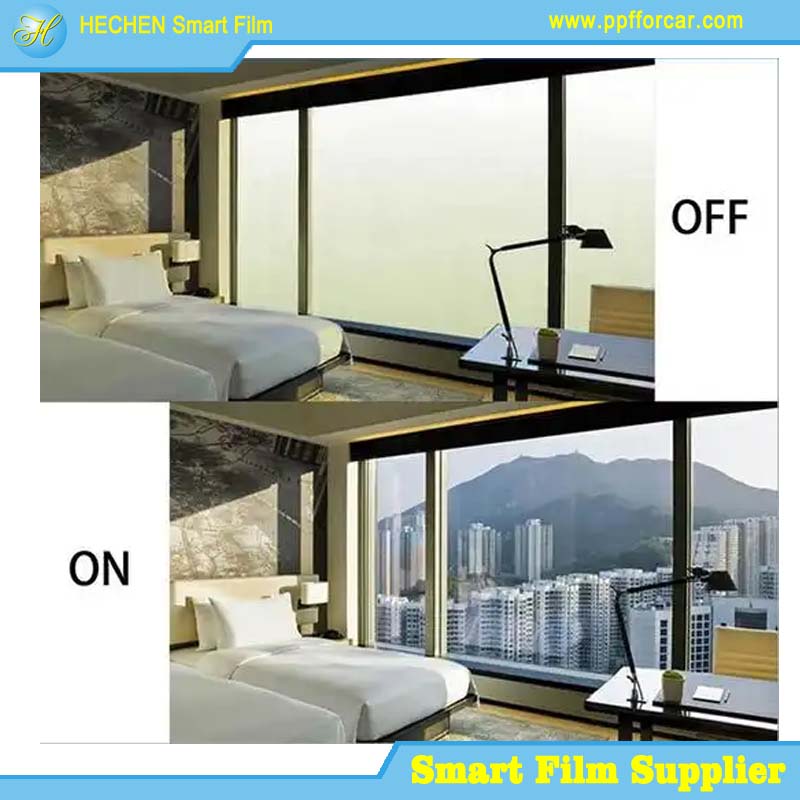
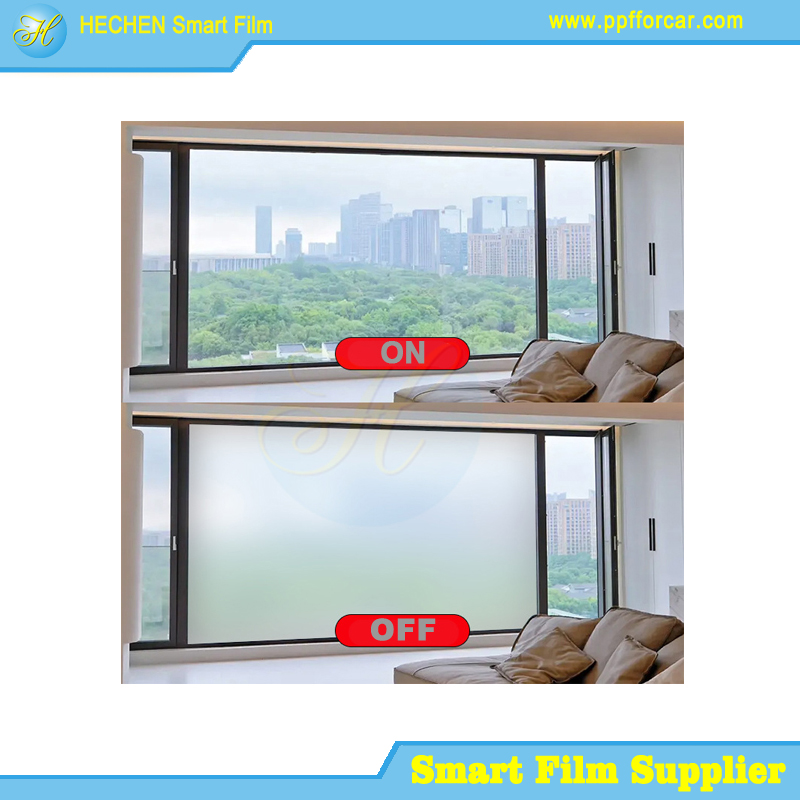
When most people think of PDLC smart film, they envision its most obvious application: instant privacy at the flick of a switch. And indeed, transforming a clear glass window into a frosted, opaque surface is where this technology shines. But to limit PDLC film to privacy alone is to overlook its remarkable versatility. This thin, switchable material can do far more than hide what’s inside your home—it can project images, create dynamic design elements, manage energy, and even serve as an interactive surface. Here are five surprising ways to use PDLC smart film in your home that go well beyond privacy.
1. A High-Performance Projection Screen That Appears from Nowhere
Imagine having a home theater screen that exists only when you need it—and when you don’t, it simply vanishes. PDLC smart film in its opaque state provides an excellent surface for front or rear projection. Because the film scatters light evenly when power is off, it functions much like a professional projection screen, delivering bright, clear images without the need for permanent screen hardware.
This capability opens up remarkable design possibilities. A glass partition between your living room and kitchen can become a movie screen for family movie night, then return to clear glass the next morning. A large window in a multi-purpose room can display presentations for a home office meeting, then switch back to transparent to let in natural light. For rear projection applications, the projector can be hidden behind the glass, creating a sleek, cable-free installation that seems almost magical.
The projection performance of PDLC film depends on several factors. In its opaque state, the film typically achieves high haze—often exceeding 90%—which ensures that projected light is scattered evenly across the surface rather than passing through. This results in a bright, uniform image with good viewing angles. The milky white appearance of standard PDLC film in privacy mode provides a neutral canvas that reproduces colors faithfully. Newer formulations, sometimes described as dye-doped or blackout films, offer a gray-black opaque state that delivers even higher contrast, making them particularly well-suited for dedicated media rooms.
For homeowners who love entertaining, this dual-function capability means you can create a cinematic experience without dedicating an entire room to a permanent screen. The same glass wall that opens your space during the day becomes the centerpiece of evening entertainment.
2. Dynamic Art Installations That Change with Your Mood
Your walls don’t have to be static. PDLC smart film can transform ordinary glass surfaces into dynamic art installations that change at your command. By combining PDLC film with backlighting, creative patterns, or layered graphics, you can create living artworks that evolve throughout the day.
Consider a glass panel installed in a hallway or living room wall. Behind the film, you place a carefully designed graphic, a photographic print, or even a collection of colored lights. When the film is powered on and transparent, the hidden artwork remains concealed—the glass appears clear and unobtrusive. When you switch the film off, it becomes opaque, and the artwork behind it becomes visible, seemingly appearing out of nowhere. The effect is dramatic: a blank glass surface transforms into a luminous piece of art with the flip of a switch.
This concept can be taken further. By using multiple sections of film controlled independently, you can create patterns or animations. Imagine a glass wall in your entryway that displays a calming landscape when you come home in the evening, or a bathroom mirror that reveals integrated lighting and digital information when activated. For those who appreciate fine art, PDLC film offers a way to display valuable pieces without exposing them to constant light—the artwork remains hidden behind clear glass until you choose to reveal it.
Lighting plays a crucial role in these installations. LED backlighting placed behind the film can be tuned to different color temperatures, allowing the revealed image to appear warm and inviting or cool and contemporary. Edge lighting can create a glowing effect that makes the entire glass panel appear to emanate light when privacy mode is activated.
3. An Intelligent Skylight That Mimics the Outdoors
For rooms without windows, or for spaces where natural light is limited, PDLC smart film combined with artificial lighting can create the illusion of a skylight—one that changes throughout the day to mimic the natural cycle of the sun and sky.
This application is particularly compelling for basements converted into living spaces, interior bathrooms, or windowless hallways. By installing a PDLC-equipped glass panel in the ceiling, with a carefully designed lighting system above it, you can simulate the experience of looking up at the sky. During the day, the film remains transparent, allowing artificial light from above to filter through, creating a soft, diffused glow. As evening approaches, the film can be switched to opaque, and the backlighting can shift to warmer tones, simulating sunset. For nighttime, the film can be turned off completely, or set to a deep blue that suggests a starlit sky.
Advanced systems can be programmed to follow the natural progression of daylight, changing both the transparency of the film and the color temperature of the backlighting over the course of hours. Some homeowners integrate these systems with their smart home platforms, creating morning routines where the "skylight" brightens gradually to simulate sunrise, helping to regulate circadian rhythms.
Beyond the aesthetic benefits, this application also serves a practical purpose. In rooms where privacy is a concern—such as a bathroom without windows—the skylight can provide a sense of openness and connection to the outdoors while maintaining complete seclusion. The combination of naturalistic lighting and the psychological effect of looking upward transforms enclosed spaces into rooms that feel far larger and more inviting.
4. A Hidden Display for Kitchen and Bathroom Surfaces
In kitchens and bathrooms, where functionality often competes with aesthetics, PDLC film offers a way to integrate displays and information surfaces without compromising clean, minimalist design.
Imagine your kitchen backsplash, normally a simple glass panel, that transforms into a recipe display when you begin cooking. With PDLC film applied to the glass and a screen or tablet mounted behind it, the glass can remain clear and unobtrusive when not in use—your kitchen maintains its clean, uncluttered appearance. But when you need it, you switch the film to opaque, and suddenly you have a large-format display showing recipes, cooking videos, or family calendars.
In bathrooms, the same concept applies to mirrors. A glass mirror can incorporate PDLC film to reveal integrated displays behind the reflective surface. When the film is transparent, you see only the mirror; when switched to opaque, a screen behind it becomes visible, displaying news, weather, or your daily schedule while you prepare for the day.
This hidden display concept works particularly well in spaces where technology would otherwise feel intrusive. By making the screen visible only when needed, PDLC preserves the serenity of your living spaces. The installation requires careful planning: the glass must be positioned with sufficient depth behind it to accommodate the screen, and the lighting in the room must be considered to ensure the display remains readable when activated. But when executed well, the result is both highly functional and elegantly understated.
For homeowners who entertain frequently, these hidden displays can serve another purpose. Imagine a glass-topped island in your kitchen that becomes a cocktail recipe guide during parties, or a bathroom mirror that displays ambient visuals to create a spa-like atmosphere. The versatility of PDLC film makes it possible to embed technology into your home in ways that feel natural rather than intrusive.
5. A Child’s Creativity Surface and Interactive Play Space
For families with children, PDLC film can transform ordinary glass surfaces into ever-changing canvases for creativity and play. A glass door, a section of a wall, or a low partition can become a space where children draw, learn, and interact—without permanent markers or messy cleanup.
Here’s how it works: when the film is powered on and transparent, the glass functions normally. When switched off and opaque, the frosted surface becomes an ideal canvas for dry-erase markers or even digital projection. Children can draw directly on the glass, erase, and draw again. Because the film is applied to the interior surface, the drawing tools never touch the underlying glass, and the surface is easily cleaned.
For interactive play, a projector mounted behind or in front of the film can display games, educational content, or guided drawing activities. With the film opaque, the projected image appears crisp and bright. Children can interact with the content, tracing letters, solving puzzles, or creating digital art. When playtime is over, the film returns to transparent, and the space reverts to its original purpose—no dedicated playroom required.
This application also works beautifully in playrooms or children’s bedrooms where wall space is limited. A large glass panel becomes a multifunctional surface that supports art, learning, and even quiet time activities like projected stories. For parents who value open, flexible spaces, PDLC film offers a way to dedicate surfaces to creativity without permanently sacrificing the clean aesthetic of the room.
The educational potential is significant. For homeschooling families or remote learning environments, a PDLC-equipped glass wall can serve as an interactive whiteboard that rivals dedicated classroom technology. Teachers or parents can project lessons onto the surface, and children can write directly on the glass to solve problems or practice writing. When the lesson ends, the surface disappears, preserving the home’s living space for other uses.
Beyond the Surface: Practical Considerations
Each of these surprising applications shares a common foundation: PDLC film that is properly selected, professionally installed, and thoughtfully integrated into your home. The success of these creative uses depends on understanding a few key principles.
First, the type of film matters. Standard PDLC film works well for most applications, delivering the familiar milky white opaque state. For projection and high-contrast applications, dye-doped or blackout films offer superior performance, with a darker opaque state that enhances image clarity. For applications involving backlighting or revealed artwork, the transmission characteristics of the film in both states should be evaluated to ensure the desired visual effect.
Second, installation quality is paramount. These applications often involve complex integration with lighting, projection, or digital displays. The film must be applied perfectly flat, with all edges properly sealed to prevent moisture ingress. Electrical connections must be reliable and safely concealed. For applications involving rear projection or backlighting, the alignment between the film, the light source, and any artwork or screen must be precise.
Third, control systems should be chosen to match how you want to use the space. Simple wall switches work for basic applications, but for dynamic installations, integration with home automation platforms allows for scheduling, scenes, and voice control. A morning scene might set your skylight to a bright, cool white while keeping your kitchen display hidden. An evening entertainment scene might switch your projection surface to opaque, dim the room lights, and start your movie—all with a single command.
Conclusion
PDLC smart film is far more than a privacy solution. When understood as a versatile, switchable optical surface, it becomes a tool for creativity, entertainment, energy management, and interactive design. From projection screens that appear from nowhere to dynamic art installations, intelligent skylights that mimic the outdoors to hidden displays in kitchens and bathrooms, and interactive play surfaces for children—the possibilities extend well beyond what most homeowners imagine.
As this technology continues to evolve, with improved optical clarity, more sophisticated control options, and new formulations that expand its capabilities, the line between glass, display, and surface will continue to blur. For homeowners willing to think creatively, PDLC film offers a way to make the spaces we live in more flexible, more responsive, and more surprising—revealing new possibilities at the flick of a switch.
For more about Beyond Privacy: 5 Surprising Uses for PDLC Smart Film in Your Home. Everything you need to know, you can pay a visit to https://www.ppfforcar.com/product/PDLC-Smart-Film/ for more info.