Energy-Saving Smart Window Film with Remote Control: Cut Bills & Boost Comfort
In a world increasingly focused on sustainability and smart living, energy-saving smart window film with remote control represents a breakthrough in home and building efficiency. This innovative technology allows users to dynamically adjust window properties—such as tint, opacity, and heat transmission—via apps, remotes, or voice commands, cutting energy bills while enhancing indoor comfort. As energy costs rise and climate concerns mount, smart window films offer a practical solution by reducing reliance on heating, ventilation, and air conditioning (HVAC) systems. For instance, these films can block excessive heat in summer and retain warmth in winter, potentially saving homeowners up to 25% on energy bills. By 2025, advancements in integration with smart home ecosystems like Alexa or Google Home make this technology even more accessible and automated.
Smart window films are not just about cost savings; they boost comfort by controlling glare, providing on-demand privacy, and protecting against harmful UV rays. Unlike traditional blinds or static tints, these films are dynamic, adapting to user needs or environmental conditions. This article explores the technology behind smart window films, their energy-saving mechanisms, comfort benefits, remote control features, installation considerations, applications, and future trends. Drawing on recent developments, we'll see how this tech is transforming spaces from homes to offices, aligning with global pushes for energy efficiency and green building standards.
What is Smart Window Film?
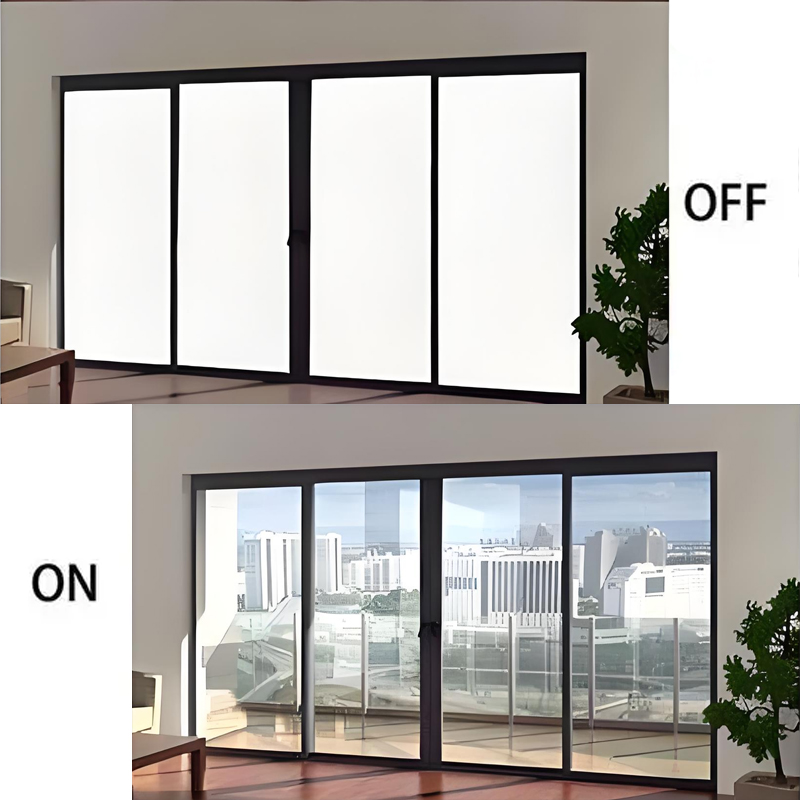
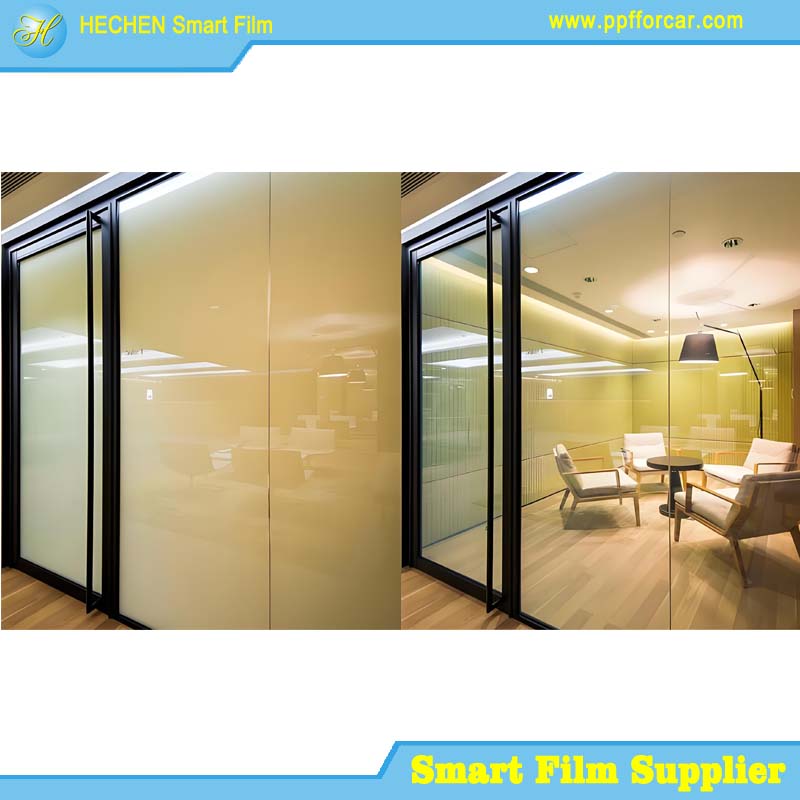
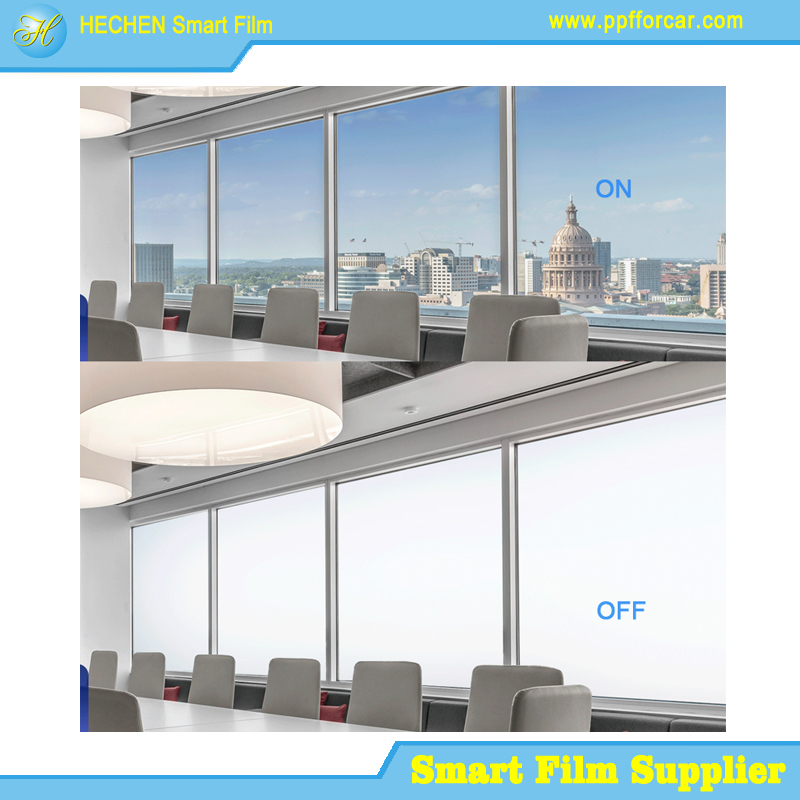
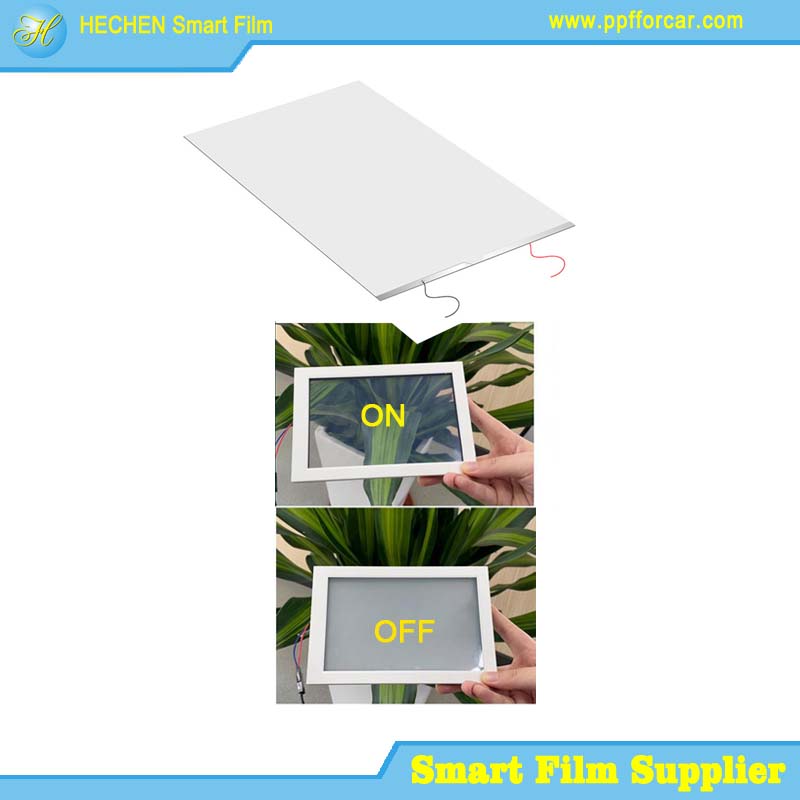
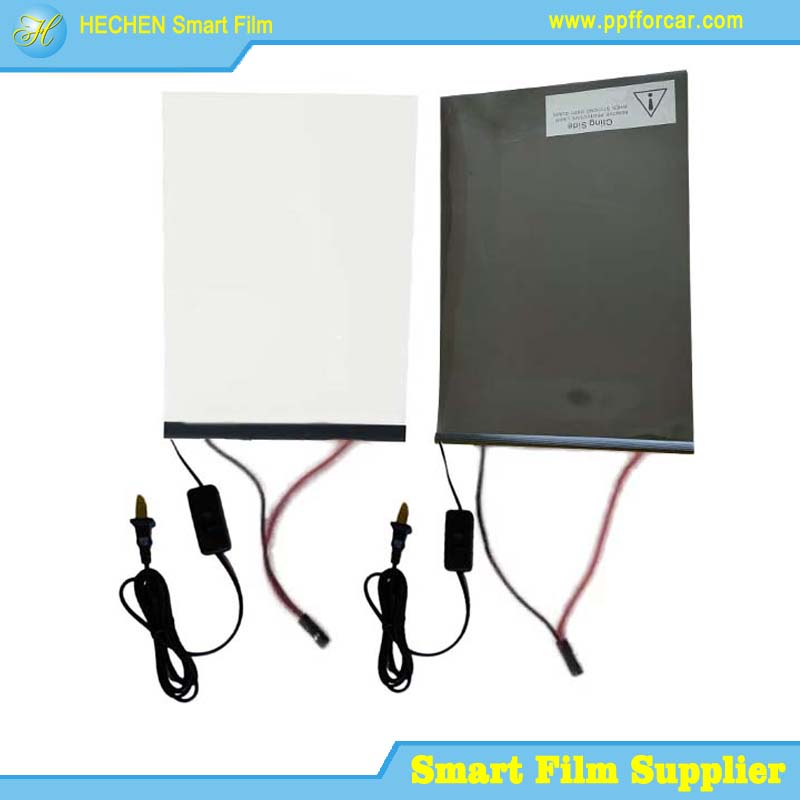
Smart window film is a thin, adhesive layer applied to glass surfaces that can alter its optical and thermal properties in response to external stimuli or user input. Unlike conventional window treatments, which are passive and fixed, smart films are active, allowing real-time adjustments for light, heat, and privacy. The core technologies include Polymer Dispersed Liquid Crystal (PDLC) for switchable opacity, electrochromic for tinting via electricity, and thermochromic for temperature-based changes. PDLC films scatter light when off, creating opacity for privacy, and become transparent when voltage aligns the crystals. Electrochromic films use ions to shift between clear and tinted states, blocking heat and UV. Thermochromic films automatically darken with rising temperatures, requiring no power. These differ from traditional tints by offering versatility without mechanical parts, reducing wear and maintenance.
By 2025, smart films have evolved with higher transparency (over 85% in clear mode) and durability (10+ year lifespans). They integrate seamlessly with IoT devices, making them ideal for retrofitting existing windows. This evolution stems from materials science advances, enabling thinner, more efficient films that cater to residential, commercial, and automotive needs. Overall, smart window films provide a cost-effective upgrade, enhancing energy performance without full window replacements.
How Smart Window Film Works and Saves Energy
At its core, smart window film regulates solar heat gain coefficient (SHGC) and visible light transmittance (VLT) to optimize indoor environments. For electrochromic types, a low-voltage current (typically 1-5V) triggers ion movement between layers, darkening the film to reduce heat entry by up to 88.9%. PDLC films use liquid crystals to switch states, blocking views while allowing diffused light. Thermochromic variants rely on heat-sensitive materials that transition without electricity.
Energy savings stem from minimized HVAC loads. In cooling-dominated climates, films can cut cooling energy by 6–30 kWh/ft² annually, up to 40% reduction. Studies show 14-37% overall savings with model predictive controls in regions like Germany. For instance, applying films like 3M 70 EXT reduces cooling by 28-32%. In offices, dual-band electrochromic windows enhance efficiency by 27%. Remote control amplifies savings by enabling automation: films tint during peak sun hours, reducing heat gain and lighting needs by up to 36%. Integration with sensors adjusts based on weather, occupancy, or time, preventing energy waste. In testbeds, peak cooling loads dropped 25-58% compared to standard glazing. This not only cuts bills—potentially 15-30% on cooling—but also downsizes HVAC systems, offsetting costs. Environmentally, widespread adoption could save $10 billion yearly in the U.S. alone, reducing carbon footprints significantly.
Boosting Comfort with Smart Window Film
Comfort is a hallmark of smart window films, addressing glare, temperature fluctuations, and privacy. By reducing glare up to 80%, these films create eye-friendly spaces for work or relaxation, minimizing headaches and eyestrain. UV blockage (up to 99%) protects skin and prevents furniture fading, while maintaining natural light views.
Privacy control is instant: switch to opaque for bathrooms or meetings, then clear for openness. In hot climates, adaptive shading keeps interiors cool, enhancing thermal comfort without drafts. Health benefits include better circadian rhythms from controlled daylight, leading to 37 minutes more sleep and 42% higher cognitive scores. In healthcare, daylight via smart films shortens patient stays by 16-41% and reduces pain medication needs. Overall, these films foster productive, comfortable environments, with users reporting higher satisfaction and fewer symptoms like fatigue.
The Role of Remote Control in Smart Window Films
Remote control elevates smart films from passive to interactive. Via apps or remotes, users adjust tint levels remotely—e.g., darkening windows before arriving home. Electrochromic films support dimming for precise control, integrating with smart homes for voice commands or automation.
Features include scheduling (tint at noon), sensor-based adjustments (darken if hot), and AI analysis of humidity/light. This customization boosts comfort and savings, with no manual effort. In 2025, faster transitions (under 5 minutes) and solar-powered options enhance usability.
Applications Beyond Homes
Smart films extend to offices (energy efficiency up to 27%), vehicles (UV/privacy), and healthcare (patient comfort). Retail uses for dynamic displays, while smart cities integrate for green buildings.
Installation and Cost Considerations
Installation is straightforward: self-adhesive for DIY, or professional for wired types. Costs range $20-150/ft², with ROI in 2-5 years via savings. Incentives like rebates help offset.
Environmental and Economic Impact
Films reduce emissions by cutting energy use, aligning with sustainability. Economically, they save billions, with grid benefits from peak demand reduction.
Future of Smart Window Film Technology
By 2025, hybrids, solar-powered films, and AI integration promise wider adoption. Trends include energy-positive windows and lower costs.
Conclusion
Smart window film with remote control cuts bills, boosts comfort, and promotes sustainability. Embrace this tech for a efficient future.
For more about the energy-saving smart window film with remote control: cut bills & boost comfort, you can pay a visit to Hechen PDLC Smart Film Manufacturers for more info.