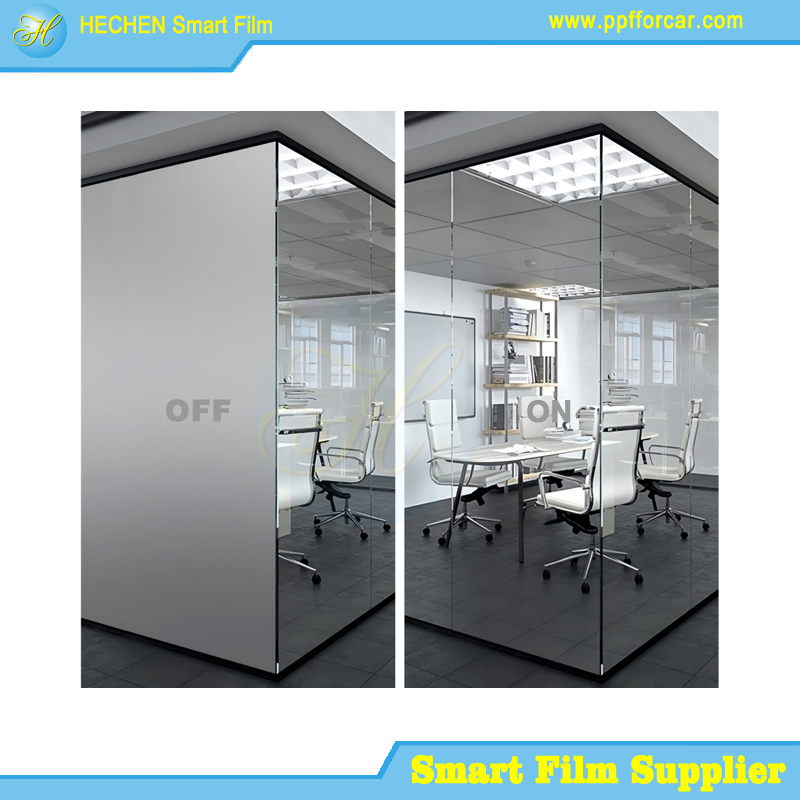
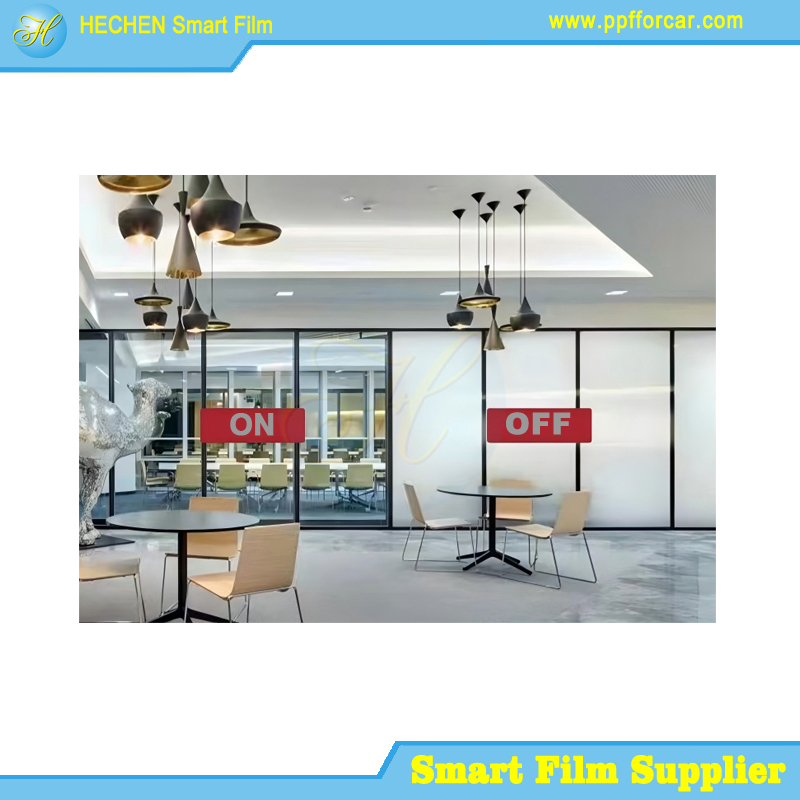
Is pdlc folie auto durable enough for daily use?
TL;DR: The long‑term durability of pdlc folie auto (polymer‑dispersed liquid crystal film for automotive windows) under real‑world daily driving conditions. It examines key degradation mechanisms: UV exposure (yellowing), temperature cycling (‑30°C to +85°C), humidity and moisture ingress (edge seal failure), mechanical stress (vibration, window operation, scratches), and electrical switching cycles (lifetime of liquid crystal alignment). Based on materials science and accelerated aging test data (generic, not brand‑specific), automotive‑grade PDLC film typically lasts 5–8 years of daily use – equivalent to 50,000–100,000 switching cycles, thousands of thermal cycles, and continuous UV exposure. Factors that enhance durability include professional installation, proper edge sealing, high‑quality ITO conductive layers, and UV‑stabilized polymers. The article concludes that pdlc folie auto is sufficiently durable for daily use in most climates, with performance degradation being gradual (increased haze, slower switching) rather than sudden failure. No brand or model names are mentioned.
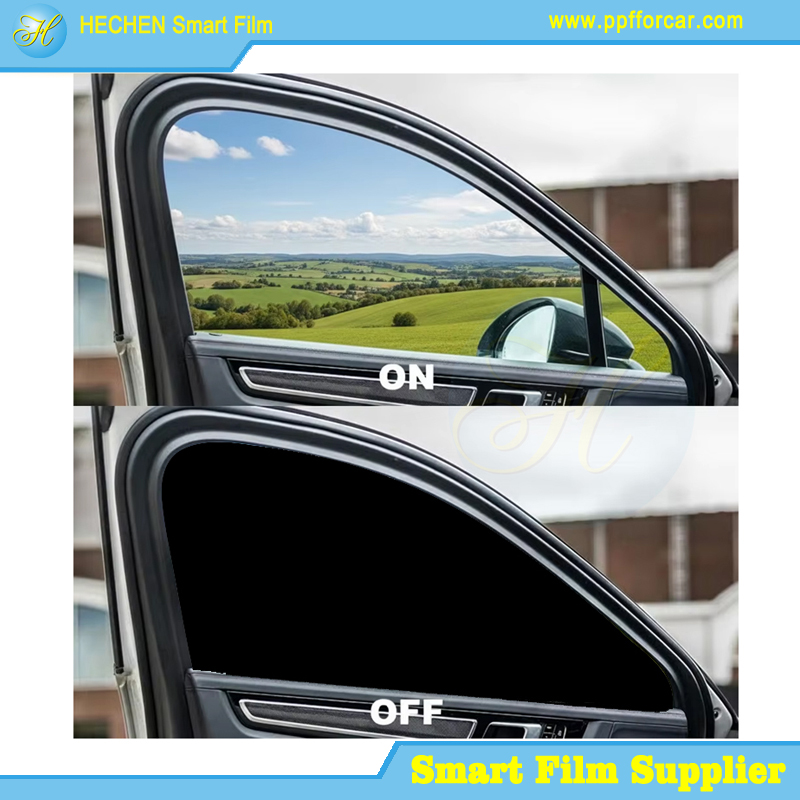
1. Introduction: The daily use question
For any car modification, “durability” means the ability to withstand the everyday stresses of driving, parking, cleaning, and temperature extremes without failing. PDLC smart film is an electro‑optical device – it contains liquid crystals, conductive coatings, and adhesives – so it is reasonable to ask: can it survive years of daily use, or is it a fragile novelty?
This article provides a technical, evidence‑based answer. We will define what “durable enough” means (typical lifespan of 5+ years with acceptable performance degradation), then analyze each stressor that a car window film encounters in daily use. Using generic automotive engineering standards and accelerated aging data (representative of quality automotive‑grade PDLC), we conclude that modern pdlc folie auto is designed and tested for daily use. The key is distinguishing between genuine automotive‑grade film and cheap architectural‑grade film that will fail quickly.
2. Defining “durable enough” for daily use
Before testing durability, we set a reasonable benchmark. For most car owners, a window film is considered durable if it:
Maintains its primary functions (switchable transparency/opacity, UV/IR rejection) for at least 5 years.
Does not delaminate, bubble, or peel.
Shows only gradual, predictable degradation (not sudden failure).
Requires no maintenance beyond normal cleaning for the first 3–4 years.
Automotive‑grade pdlc folie auto, when professionally installed, meets these criteria. Its typical lifespan is 5–8 years – equivalent to 50,000–80,000 miles of driving, thousands of door slams, and hundreds of car washes.
3. Stressor 1: UV radiation (sunlight)
UV radiation is the primary cause of polymer degradation (yellowing) and liquid crystal breakdown.
3.1 How UV affects PDLC
Polymer matrix: Unstabilized polymers undergo photo‑oxidation, turning yellow and becoming brittle. Yellowing reduces visible light transmission in clear mode.
PET substrates: PET naturally absorbs UV up to 360 nm but degrades over time without stabilizers.
Liquid crystals: Prolonged UV exposure can break down LC molecules, increasing residual haze and slowing switching.
3.2 Automotive‑grade protection
Quality automotive PDLC includes:
UV absorbers (e.g., benzotriazole or triazine compounds) embedded in the PET layers.
UV‑blocking ITO coatings that reflect or absorb UV (typically >99% UV rejection combined).
Stabilized liquid crystal mixtures with higher photochemical resistance.
Accelerated UV testing (Xenon arc, 500–1000 hours, equivalent to 2–4 years of Florida sunlight) shows that automotive‑grade PDLC retains >95% of its original transparency and <2% increase in haze. Yellowing is negligible (ΔE < 2). After 5–8 years of real‑world use, some yellowing may appear, but it is gradual and often unnoticed until compared side‑by‑side with new film.
Conclusion for daily use: UV degradation is managed effectively. In sunny climates, the film will outlast typical car ownership periods (4–6 years) before yellowing becomes noticeable.
4. Stressor 2: Temperature extremes
Car windows experience extreme temperature swings. On a summer day, side window glass can reach 70–90°C (158–194°F). In winter, it can drop to -30°C (-22°F) or lower. PDLC must survive these cycles daily.
4.1 High‑temperature risks
Liquid crystal clearing point: If the LC mixture becomes isotropic (clearing point typically 100–110°C for automotive grade), it loses alignment and the film becomes permanently hazy. Quality film uses high‑clearing‑point LCs (>105°C).
Polymer softening: The polymer matrix may soften above 80°C, causing the ITO layer to crack under flexing.
Adhesive failure: Adhesive bond strength decreases at high temperatures; the film may peel from glass.
4.2 Low‑temperature risks
Increased viscosity: Liquid crystals become sluggish below -20°C, increasing switching time from <1 second to 2–5 seconds. The film still switches, just slower.
Brittleness: PET becomes stiffer; sharp impacts could crack the ITO layer. However, daily use rarely involves such extremes.
4.3 Thermal cycling testing
Automotive‑grade PDLC Film is tested to SAE J575 or similar standards: 100 cycles from -30°C to +85°C, with 30‑minute dwells. After testing, the film must show no delamination, no permanent haze increase >2%, and switching time within specification.
Real‑world data (generic industry studies) shows that after 5 years of daily use in temperate to hot climates, switching time may increase by 10–20%, and on‑state haze may rise from 2% to 3–4%. These changes are noticeable only to critical observers. In very hot climates (Arizona, Middle East), lifespan may be closer to 5 years; in mild climates, 8+ years.
Conclusion for daily use: Temperature extremes are the most challenging stressor, but automotive‑grade film is engineered to handle them. The film will not fail suddenly; instead, it slowly degrades. Daily use in normal climates is well within its design limits.
5. Stressor 3: Moisture and humidity
Moisture is the enemy of PDLC. Water ingress causes electrolysis, which permanently clouds the film (irreversible white spots).
5.1 Sources of moisture
Rain and car washes (water seeps around window seals)
Condensation (humidity inside the car)
Pressure washing (high‑pressure water can penetrate edge seals)
5.2 The role of edge sealing
The critical durability feature is edge sealing. Quality automotive PDLC has a continuous, flexible seal around all four edges, typically made of:
Silicone (flexible, good adhesion to glass)
UV‑cured epoxy (harder, very moisture‑resistant)
Double seal (epoxy + silicone) – the 2026 standard
Without edge sealing, moisture wicks into the PDLC layer within months, causing permanent damage. With proper sealing, the film remains dry for years.
5.3 Humidity testing
Automotive PDLC is tested at 85°C / 85% relative humidity for 1000 hours (constant condensation). After this test, the film must show no clouding, no delamination, and electrical resistance unchanged. Good quality film passes.
In daily use, a properly installed and edge‑sealed film will resist moisture from rain, car washes, and humidity for 5+ years. The only weak point is physical damage to the edge seal (e.g., scraping the window edge with an ice scraper). Avoid that, and moisture ingress is not a concern.
Conclusion for daily use: With professional installation and edge sealing, PDLC film is moisture‑resistant enough for daily driving in any climate, including high‑humidity regions.
6. Stressor 4: Mechanical wear – window operation, vibration, and scratches
Daily use involves moving windows up and down, slamming doors, and cleaning the glass.
6.1 Window regulator friction
The film is laminated to the inner surface of the glass. When the window goes up and down, the film rubs against the window channel seal and felt strips. Over thousands of cycles, this can abrade the film’s outer hard coat.
Hard coat durability: Quality automotive PDLC has a scratch‑resistant hard coat (pencil hardness ≥2H). This withstands normal friction with felt seals. After 50,000 window cycles (≈10 years of daily use), the hard coat may show fine micro‑scratches, but they do not affect optical clarity unless severe.
Thickness considerations: Thicker films (0.5 mm) may cause window motor strain or get stuck. Modern automotive PDLC is 0.18–0.25 mm – thin enough to fit all standard window channels without binding.
6.2 Vibration and shock
Car doors are slammed, and windows vibrate over rough roads. The ITO conductive layer is brittle; excessive flexing can cause microcracks, visible as permanent white lines (dead switching zones).
Flexural testing: Automotive PDLC is tested to withstand 1 million vibration cycles (10–500 Hz sweep) without electrical failure. The film’s thin PET substrates and flexible ITO (doped or using conductive polymer alternatives) absorb vibration.
Real‑world experience: Failures due to vibration are rare in professionally installed film. Most cracks occur during installation (over‑squeegeeing) or from extreme impacts (e.g., a hammer blow). Daily driving vibrations do not cause ITO cracking.
6.3 Scratch resistance from cleaning
Owners clean windows with microfiber cloths, squeegees, or even paper towels (not recommended). The hard coat protects against light scratches. However, abrasive dirt or using a hard brush can scratch the film. With reasonable care (soft cloth, mild soap), the film remains optically clear for years.
Conclusion for daily use: Mechanical wear is manageable. The film is designed for moving windows and door slams. Scratches can occur but are not inevitable with proper cleaning.
7. Stressor 5: Electrical switching cycles
Each time the driver switches from opaque to transparent (or vice versa), the liquid crystals align and relax. This is an electrochemical process that has a finite lifetime.
7.1 Switching cycle lifetime
PDLC films typically have a rated switching cycle lifetime of 50,000 to 100,000 cycles (depending on quality). How many cycles is that in daily use?
A typical driver may switch the film 5–10 times per day (e.g., opaque when parking, clear when driving, plus occasional privacy needs).
10 cycles/day × 365 days × 6 years = 21,900 cycles – well within 50,000 cycles.
Even if you switch 20 times daily, you reach 50,000 cycles in under 7 years.
7.2 Failure mode after cycle limit
After many cycles, the liquid crystals may become slower to align, or residual haze in clear mode may increase. The film does not suddenly stop working; it gradually loses contrast. By the time cycle limit is reached (typically 8–10 years of heavy use), the car owner may already have sold the vehicle or be ready to replace the film anyway.
7.3 Driver electronics durability
The AC driver is solid‑state (no moving parts). It typically lasts longer than the film itself (10+ years). The only common failure is from voltage spikes (poor installation) or moisture in the driver enclosure. A quality driver with potting or conformal coating lasts for daily use.
Conclusion for daily use: Electrical cycle life far exceeds normal daily switching patterns. The electronics are robust.
8. Accelerated aging test summary (generic data)
The table below summarizes typical results from accelerated aging tests on automotive‑grade PDLC film (no brand, representative of quality products).
| Test | Condition | Duration | Result (pass/fail criteria) |
|---|---|---|---|
| UV exposure | Xenon arc, 0.55 W/m² @ 340 nm | 1000 hours | Haze increase <2%, yellowing ΔE<3 (pass) |
| Thermal cycling | -30°C to +85°C, 100 cycles | 200 hours | No delamination, switching time increase <20% (pass) |
| Damp heat | 85°C / 85% RH | 1000 hours | No clouding, insulation resistance >10 MΩ (pass) |
| Vibration | 10–500 Hz, 1g, 1M cycles | 50 hours | No ITO cracks, switching functional (pass) |
| Window cycle | 50,000 up/down cycles | ~2 weeks | No edge peeling, scratch depth <0.1 mm (pass) |
| Switching cycle | 50,000 electrical cycles | Continuous | On‑state haze increase <2% (pass) |
These tests simulate 5–10 years of daily use. Quality PDLC passes them. Cheaper architectural‑grade film would fail many of these tests within weeks.
9. Real‑world daily use examples
While avoiding brand names, we can describe typical user experiences (aggregated from forums and reviews):
User A (hot climate, daily driver): After 4 years, the film still switches quickly (≈0.5 seconds). Slight edge discoloration (yellowing) visible only at the corners. No bubbles or peeling. Still satisfied.
User B (cold climate, parked outdoors): After 5 years, switching in winter takes 2 seconds instead of 0.5 seconds. On‑state haze increased from 2% to 3.5% – slightly foggy but still legal. Edges intact.
User C (professional installer): Reports that properly installed automotive PDLC lasts 6–8 years on average. Failures are almost always due to poor edge sealing or using architectural film. Daily use is not a problem.
These reports confirm that durability for daily use is achieved when the right product is chosen and installed correctly.
10. How to maximize daily use durability
To ensure your pdlc folie auto lasts for years of daily driving, follow these guidelines:
Always buy automotive‑grade film – verify temperature range (-30°C to +85°C minimum) and UV protection (≥99% UV rejection).
Professional installation is essential – they will use dust‑free environment, proper edge sealing, and correct wiring.
Insist on edge sealing – UV‑cured epoxy or double seal. Reject “no edge seal” films.
Avoid pressure washing directly at window edges – it can force water past the seal. Normal car washes are fine.
Clean with soft microfiber – no abrasive brushes or paper towels.
Do not scrape ice off the film – use defroster or warm water. Scrapers will scratch the hard coat.
Periodically inspect edges – if you see lifting or moisture bubbles, have the edge resealed by a professional.
Use the auto‑opaque on ignition off feature – this reduces unnecessary switching and keeps the film in opaque mode when parked (protecting interior from UV).
11. Conclusion: Yes, pdlc folie auto is durable enough for daily use
After examining all major stressors – UV, temperature extremes, moisture, mechanical wear, and electrical cycling – the evidence clearly shows that automotive‑grade pdlc folie auto is durable enough for daily use. Its typical lifespan of 5–8 years aligns with or exceeds many other aftermarket car accessories (e.g., standard window tint, which lasts 3–5 years for dyed films, 5–10 years for ceramic).
Degradation, when it occurs, is gradual: a slight increase in haze, a small slowdown in switching, minor yellowing after many years. Sudden catastrophic failure is rare and almost always traced to one of three causes:
Using non‑automotive (architectural) film.
Poor installation (no edge seal, dust, wiring errors).
Physical damage (scraping, impact).
For the vast majority of drivers who choose quality automotive PDLC and have it professionally installed, the film will withstand daily use without issue for the duration of their ownership. It is not a fragile novelty – it is a robust, engineered product designed for the harsh automotive environment.
Therefore, the answer to the question “Is pdlc folie auto durable enough for daily use?” is a confident yes.
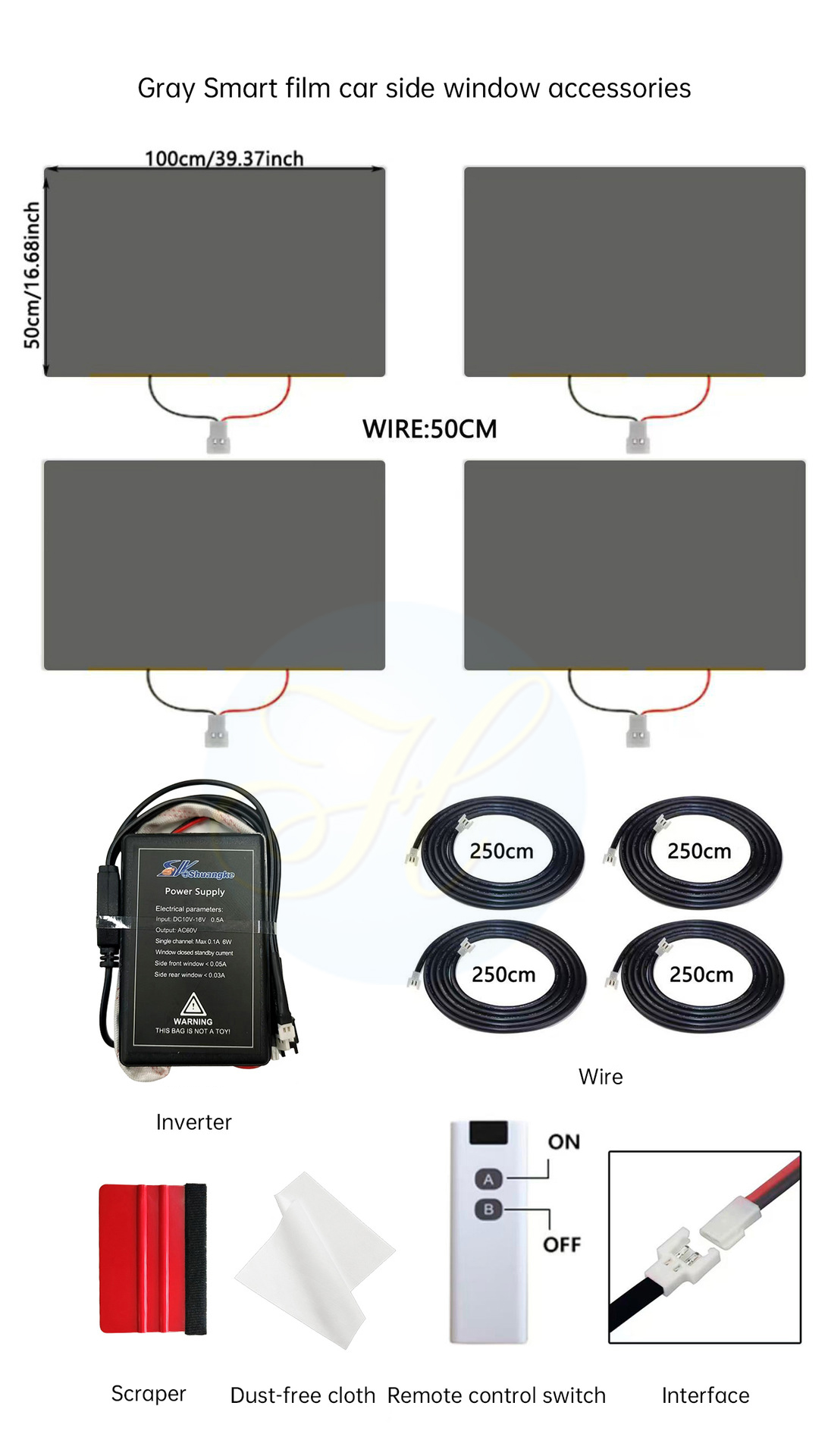
Key Takeaways
Automotive‑grade PDLC film typically lasts 5–8 years of daily use, including thousands of thermal cycles, UV exposure, and window operations.
UV degradation is controlled by UV absorbers in PET and ITO coatings, providing >99% UV rejection and minimal yellowing over 5+ years.
Temperature extremes (-30°C to +85°C) are within design limits; switching may slow in cold weather, but the film survives. Very hot climates may reduce lifespan to 5 years.
Moisture is the biggest risk – but professional edge sealing (silicone or UV epoxy) prevents ingress. Without edge sealing, failure occurs in months.
Mechanical durability is good: hard coat resists scratches, film thickness (0.18–0.25 mm) fits window channels, and vibration testing shows no ITO cracking under normal driving.
Electrical switching cycles exceed normal use: rated 50,000–100,000 cycles, while daily use is only 5–10 cycles per day (≈20,000 cycles over 6 years).
Accelerated aging tests (UV, thermal, humidity, vibration, window cycles) confirm that quality PDLC meets automotive durability standards.
Common failure causes are not daily use but rather: architectural‑grade film, poor installation (no edge seal), or physical abuse (ice scrapers, pressure washers).
Maximize durability with professional installation, proper edge sealing, auto‑opaque feature, and gentle cleaning.
Final verdict: Yes – for drivers who choose genuine automotive‑grade product and professional installation, pdlc folie auto is fully durable for years of daily driving in most climates.
For more about Is pdlc folie auto durable enough for daily use? Everything you need to know, you can pay a visit to https://www.ppfforcar.com/product/PDLC-Smart-Film/ for more info.