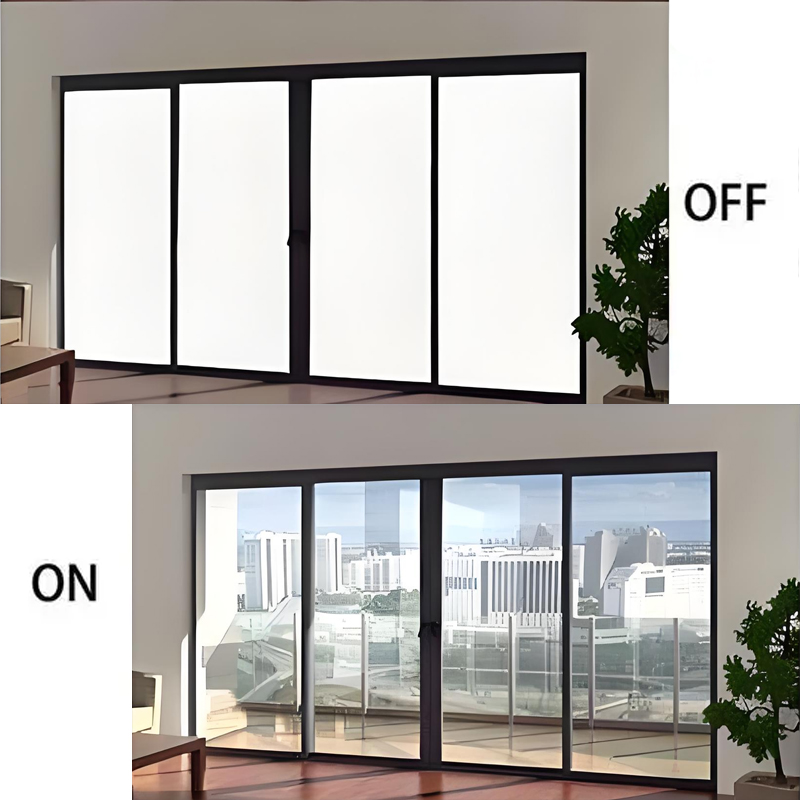
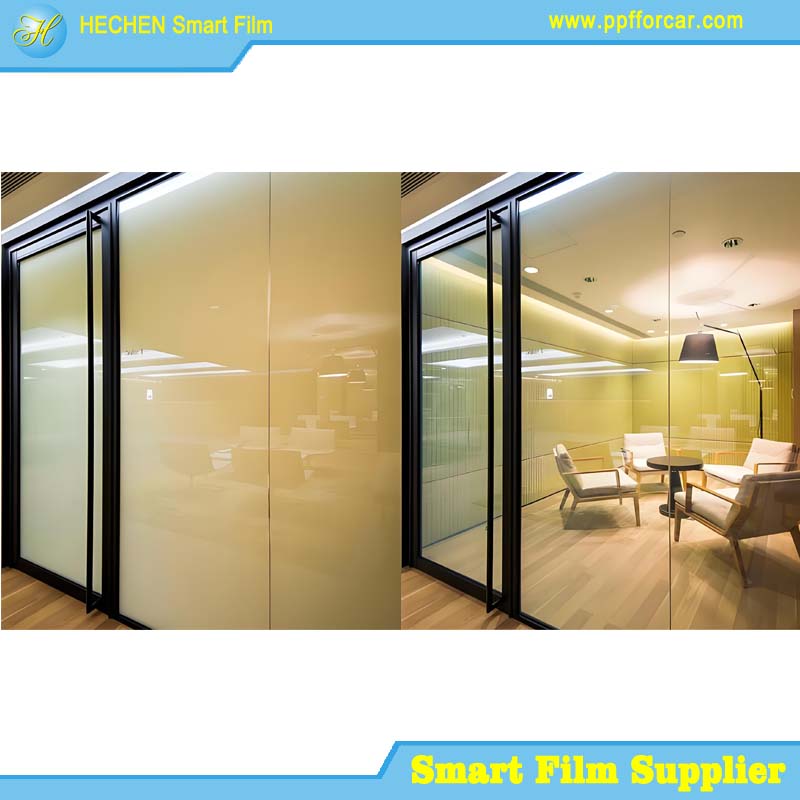
Protecting Business Secrets - The Meeting Room's PDLC Smart Film Is Now Available
In today's hyper-competitive business landscape, where corporate espionage and data breaches make headlines almost daily, safeguarding sensitive information has never been more critical. Imagine a high-stakes strategy session where executives discuss groundbreaking innovations, merger details, or proprietary formulas—only for that conversation to be intercepted by a hidden microphone or overheard through thin walls. The consequences could be devastating: lost competitive edges, legal battles, or even the downfall of a company. According to industry reports, trade secret theft costs global businesses an estimated $600 billion annually, with many incidents stemming from internal vulnerabilities like unsecured meeting spaces. This is where the revolutionary PDLC smart film for meeting rooms comes into play. Newly available from leading tech integrators, this integrated system transforms ordinary conference rooms into fortified sanctuaries, ensuring that business secrets remain just that—secret.
PDLC smart film isn't just a buzzword; it's a comprehensive suite of technologies designed to counter modern threats like audio surveillance, visual snooping, and digital leaks. Drawing from advancements in smart glass, sound masking, and signal disruption, it activates with a single command via voice, app, or panel, instantly securing the space. As of 2025, with hybrid work models amplifying risks—think remote participants on unsecured networks or open-plan offices prone to eavesdropping—this feature is a game-changer for enterprises ranging from startups to Fortune 500 giants. In this article, we'll explore the perils of unprotected business secrets, delve into how PDLC smart film works, highlight its benefits, and provide practical guidance on implementation. By the end, you'll see why adopting this technology isn't optional—it's essential for survival in a world where information is the ultimate currency.
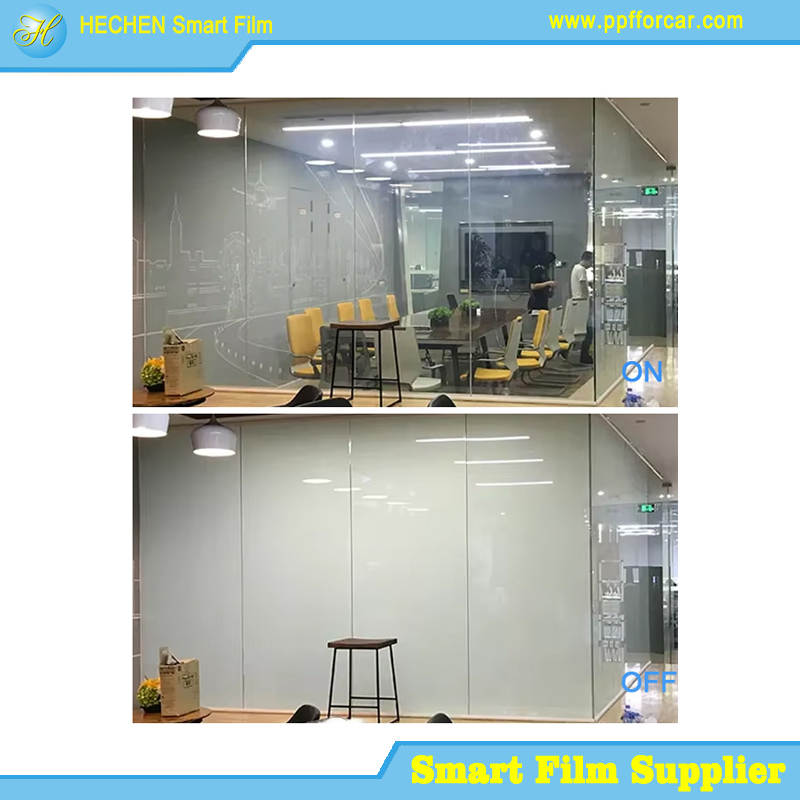
Understanding the Threats to Business Secrets
Business secrets, often referred to as trade secrets, encompass any confidential information that provides a company with a competitive advantage. This could include customer lists, manufacturing processes, algorithms, or marketing strategies. Unlike patents, which require public disclosure, trade secrets derive their value from secrecy, protected under laws like the U.S. Defend Trade Secrets Act (DTSA) and international frameworks from the World Intellectual Property Organization (WIPO). However, protection hinges on companies taking "reasonable steps" to maintain confidentiality, such as non-disclosure agreements (NDAs), employee training, and physical security measures. The threats are multifaceted and increasingly sophisticated. Industrial espionage, once the domain of spies with hidden cameras, now involves everyday tools like smartphones turned into recording devices or laser microphones that capture vibrations from windows hundreds of feet away.
In conference rooms, common vulnerabilities include thin glass walls allowing visual access to screens displaying sensitive data, HVAC ducts channeling sound to adjacent areas, or even colleagues unintentionally overhearing discussions in open offices. A 2024 Reddit discussion on cybersecurity highlighted advanced tactics like signal jammers and specialized paints, underscoring the growing paranoia among professionals. Virtual meetings add another layer of risk. With platforms like Zoom, uninvited participants or screen-sharing mishaps can expose secrets. One infamous case involved a company losing trade details during a public Zoom call due to reused meeting IDs.
Physical eavesdropping remains rampant too; bug sweeps in executive suites often uncover hidden devices in outlets or under tables. To combat this, businesses must foster a culture of vigilance: regular training on identifying risks, secure document handling, and avoiding open displays of screens. Yet, human error persists—employees might discuss secrets in coworking spaces without realizing nearby listeners. Enter PDLC smart film, which automates much of this protection, reducing reliance on manual protocols.
Introducing PDLC smart film: A Shield for Sensitive Discussions
PDLC smart film represents the pinnacle of meeting room innovation, now widely available through providers specializing in smart office tech. At its core, it's an on-demand activation system that combines visual, auditory, and electronic safeguards into one seamless operation. Picture this: As a meeting begins, the room's AI detects occupancy and prompts activation. With a simple "Enable PDLC smart film," walls frost over, sound barriers engage, and signals are jammed— all without disrupting the flow. Key components include switchable smart glass, which toggles from transparent to opaque via electric current, ideal for glass-walled conference rooms. This technology, popularized by companies like Smart Glass Tech, allows for instant privacy while maintaining natural light and an open feel when not in use. Complementing this is Casper Cloaking film, a specialized layer applied to glass that obscures LED screens from external views by filtering light oscillations, ensuring projected data remains invisible to outsiders. For audio protection, PDLC smart film incorporates sound masking systems like those from Biamp, which emit low-level white noise tuned to human speech frequencies, making conversations unintelligible beyond the room.
Audio jammers add another layer, generating interference that drowns out recordings from hidden mics or phones left on. In modular setups, pods like the Framery Six integrate these with A-class soundproofing and embedded masking, achieving up to 30dB noise reduction. Electronic defenses round it out: encrypted video feeds, bug detectors that scan for RF signals, and even HVAC maskers to block duct-transmitted sound. This holistic approach addresses the "six-sided enclosure" model of secure rooms, covering walls, doors, windows, ceilings, floors, and utilities. Available as retrofits for existing rooms or built-in for new constructions, PDLC smart film starts at around $5,000 per room, scaling with features.
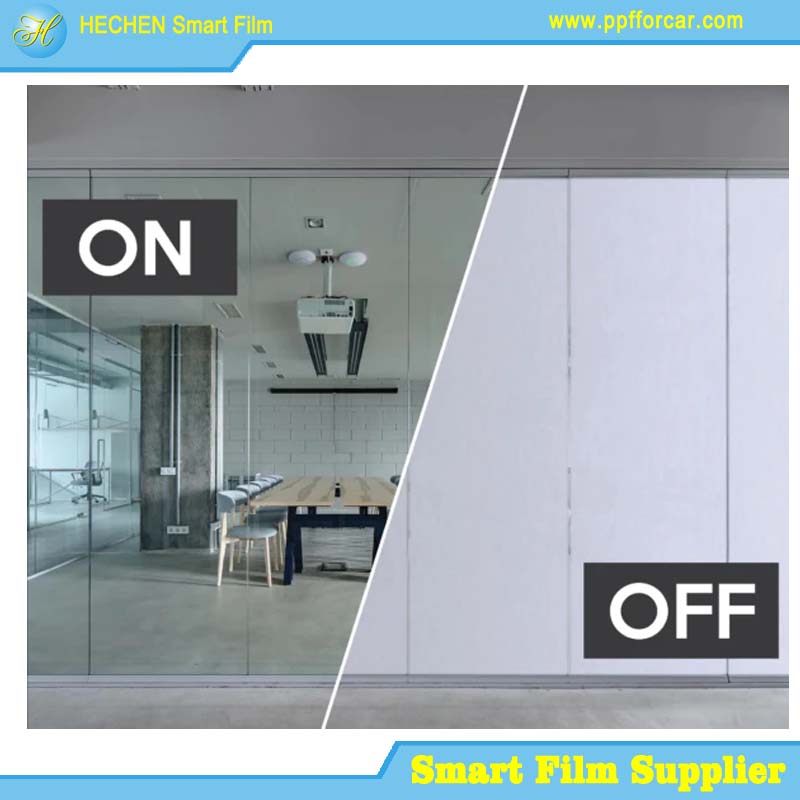
How PDLC smart film Works: A Technical Deep Dive
Activating PDLC smart film is effortless, often via integrated apps like Microsoft Teams or custom panels. Once engaged, smart glass uses polymer-dispersed liquid crystals (PDLC) to scatter light, turning clear panels frosted in seconds. This not only blocks visual prying but enhances focus by minimizing distractions. Auditory protection kicks in with sound masking: Emitters in ceilings or walls produce ambient noise at 40-50 dB, overlapping speech spectra to render words garbled. Biamp's DS2500 series, for instance, includes door and window maskers that vibrate surfaces to counter laser mics. Audio jammers like the AJ-34 vary frequencies to evade filters, covering up to 150 square feet. For electronic threats, RF scanners detect bugs, while jammers block transmissions—though users must comply with local laws prohibiting interference with public signals. In pods like Framery Six, radar sensors auto-adjust ventilation and lighting, ensuring energy efficiency while maintaining privacy. Casper film selectively blocks LED light, allowing room visibility but blacking out screens. Integration with smart ecosystems—think IoT controls for lighting, climate, and access—adds layers like biometric locks and end-to-end encryption for hybrid calls. Portable versions, like Biamp's DS2600 pack, extend protection to travel or temporary setups. Overall, this multi-pronged defense ensures comprehensive coverage against both passive (overhearing) and active (bugging) threats.
Benefits, Case Studies, and Potential Drawbacks
The benefits of PDLC smart film are profound: enhanced productivity through focused meetings, reduced legal risks from breaches, and a boost to employee trust knowing discussions are secure. In coworking spaces, it prevents accidental leaks, while in corporate HQs, it safeguards IP during investor pitches. Consider a tech firm that implemented PDLC smart film post-breach: After a competitor stole algorithm details via a window-viewed screen, they installed Casper film and sound masking, reporting zero incidents since. Another case: A law firm using Framery pods for client consultations saw a 40% drop in confidentiality concerns. Drawbacks include initial costs and potential over-reliance, but ROI from averted losses justifies it. Legal compliance is key, especially with jammers.
Implementation and Best Practices
To implement, assess room vulnerabilities with a bug sweep, then integrate components via AV specialists. Combine with NDAs, training, and policies like waiting rooms for virtual calls. Regular audits ensure efficacy.
Conclusion: Secure Your Future Today
PDLC smart film is more than tech—it's peace of mind in an insecure world. As threats evolve, so must defenses. Adopt it now to protect your business secrets and thrive.
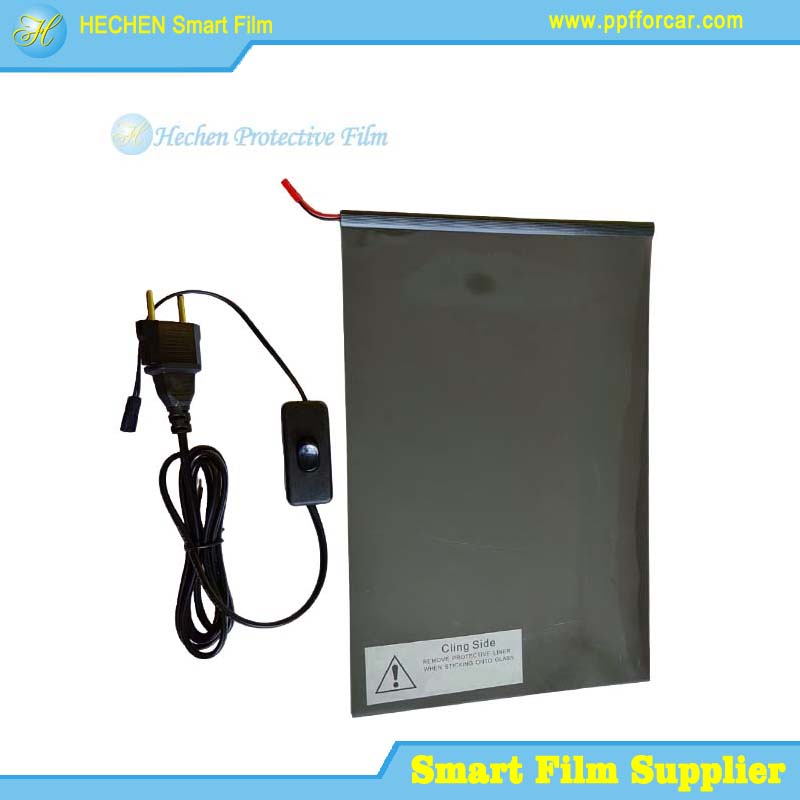
For more about the protecting business secrets - the meeting room's PDLC smart film is now available, you can pay a visit to Hechen PDLC Smart Film Manufacturers for more info.