What is the Temperature Resistance Range of Self Sticky Dimming Film?
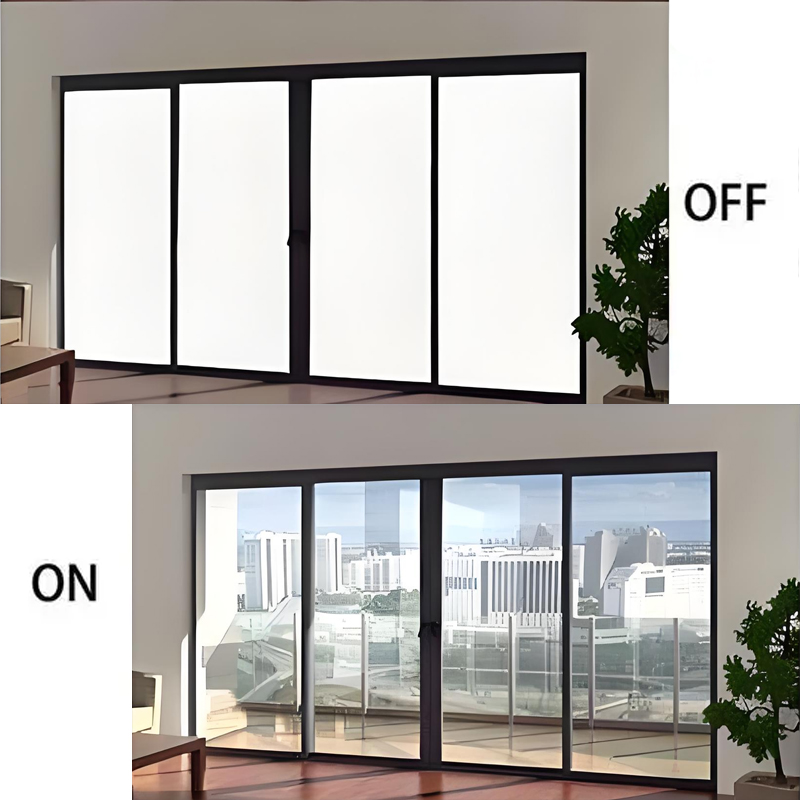
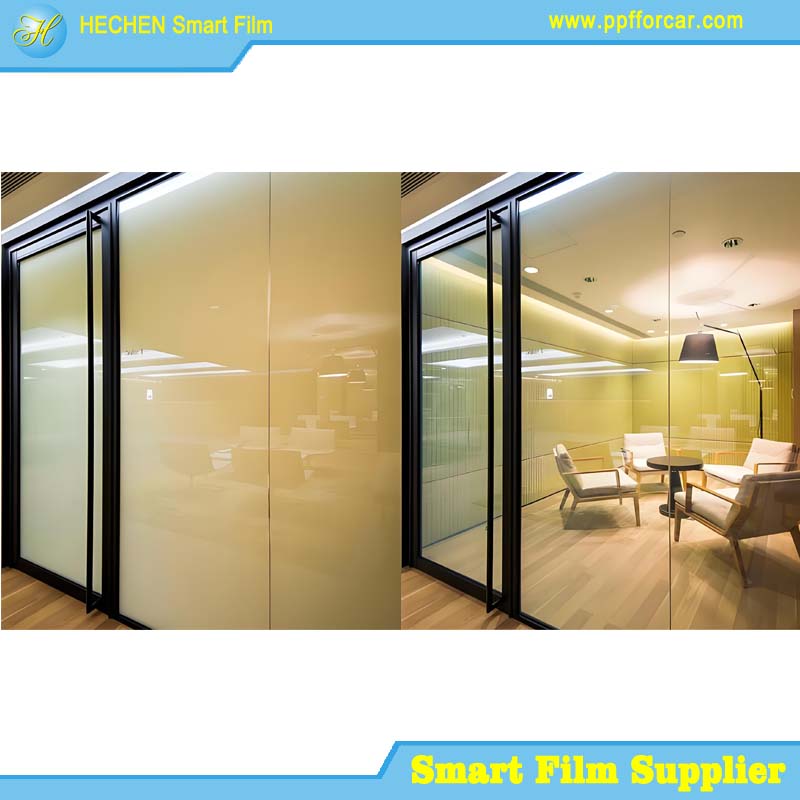
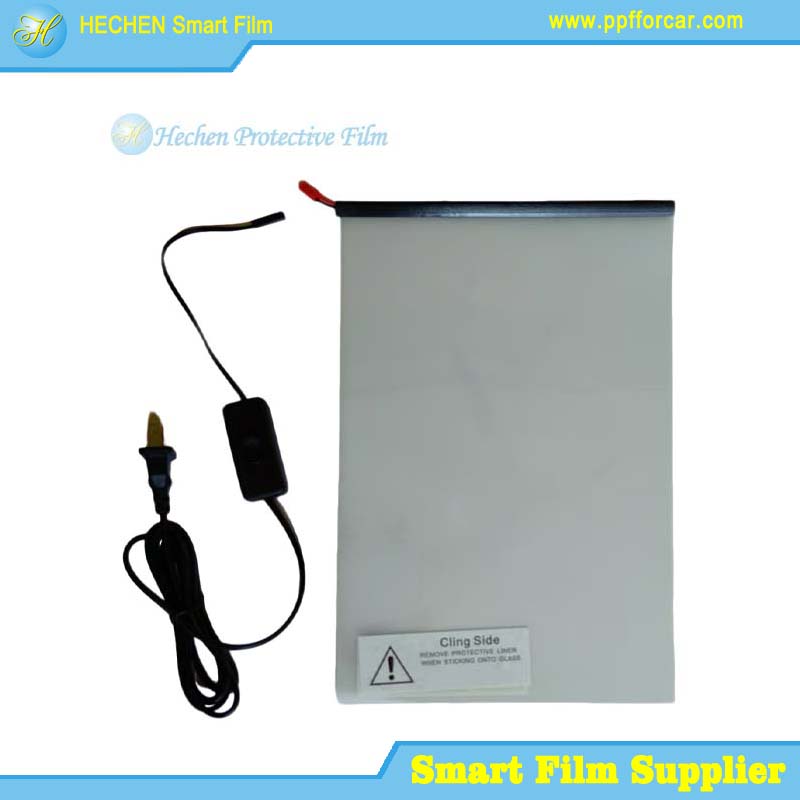
Self sticky dimming film, often referred to as switchable smart film or PDLC (Polymer Dispersed Liquid Crystal) film, represents a cutting-edge technology in the realm of adaptive materials. This innovative film allows users to control the transparency of glass surfaces with the flick of a switch, transforming from opaque to transparent almost instantaneously. The "self sticky" aspect refers to its adhesive backing, which enables easy application to existing glass without the need for complex lamination processes during installation. This makes it particularly appealing for retrofitting windows, partitions, and displays in residential, commercial, and automotive settings.
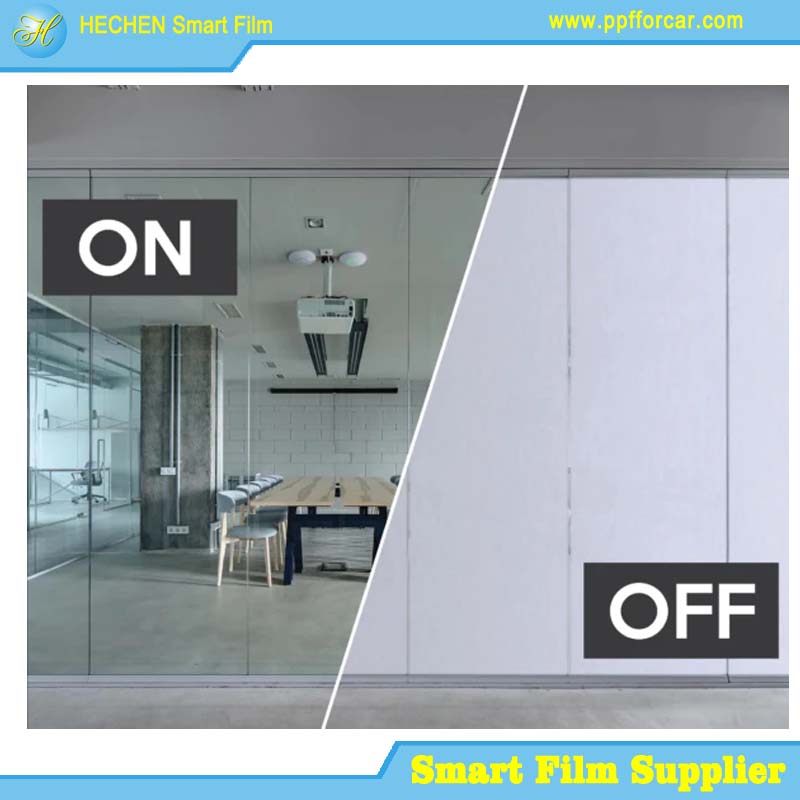
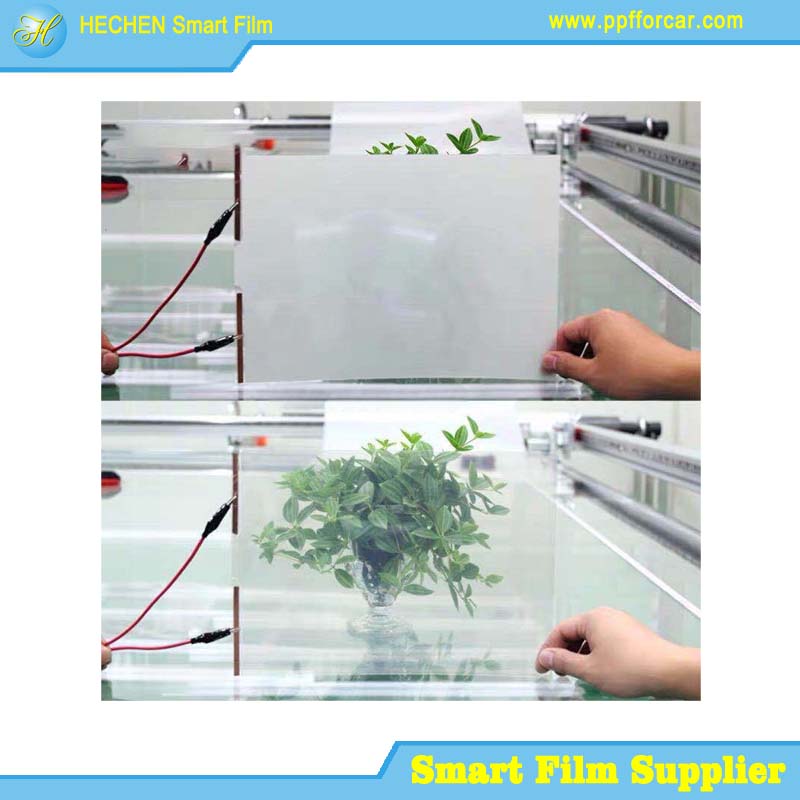
At its core, self sticky dimming film is composed of a thin layer of liquid crystals dispersed within a polymer matrix, sandwiched between two conductive films. When no voltage is applied, the liquid crystals are randomly oriented, scattering light and rendering the film opaque for privacy. Upon applying an electric field (typically 60-110V AC), the crystals align, allowing light to pass through and making the film transparent. This electro-optical switching capability has revolutionized interior design, energy efficiency, and user privacy.
The technology traces its roots back to the 1980s when researchers began exploring liquid crystal applications beyond displays. Early developments focused on encapsulated liquid crystals, but advancements in polymer dispersion techniques led to the commercial viability of PDLC films in the 1990s. Today, manufacturers like Gauzy, Smart Tint, and others produce variants tailored for diverse environments, including self-adhesive versions that simplify deployment.
Beyond aesthetics, self sticky dimming film offers practical benefits such as UV protection (often blocking over 99% of harmful rays), infrared reflection to reduce heat gain, and energy savings by minimizing the need for artificial lighting or air conditioning. However, one critical factor influencing its adoption is environmental resilience, particularly temperature resistance. Users in extreme climates—such as arctic regions or desert areas—need assurance that the film performs reliably. This article delves into the temperature resistance range of self sticky dimming film, examining whether it can function normally at -30°C or 85°C, drawing on technical specifications, scientific studies, and manufacturer data.
How Self Sticky Dimming Film Works
To understand temperature's impact, it's essential to grasp the film's operational mechanics. The PDLC structure involves micron-sized droplets of nematic liquid crystals embedded in a polymer network. The polymer provides structural integrity, while the liquid crystals handle light modulation. Conductive layers, usually indium tin oxide (ITO), apply the electric field.
In the off-state (no power), the refractive index mismatch between the liquid crystals and polymer causes light scattering, creating a frosted appearance with haze levels exceeding 90%. In the on-state, alignment reduces this mismatch, achieving light transmission rates of 80-85% and haze below 5%. Response times are typically under 100 milliseconds, making switching seamless.
Self sticky versions incorporate a pressure-sensitive adhesive (PSA) layer, allowing adhesion to glass without additional tools. This adhesive must maintain bond strength across temperatures to prevent delamination. Power consumption is low—around 3-5W per square meter when on—making it energy-efficient, but continuous operation in extreme conditions could strain components.
Factors like film thickness (0.3-0.5mm), voltage requirements, and material composition influence performance. Premium films use advanced liquid crystals with wider phase transition ranges, enhancing stability. However, temperature extremes can alter viscosity, birefringence, and electrical properties, potentially degrading switching efficiency.
General Specifications of Self Sticky Dimming Film
Before focusing on temperature, consider broader specs that contextualize its robustness. Typical dimensions include rolls up to 1.8m wide and 50m long, with customizable cuts. Voltage input is safe (low amperage, 50-60Hz), and lifespan exceeds 10 years indoors with proper use. UV and IR blocking rates are high—99% UV and 80-90% IR—contributing to energy savings by reducing solar heat gain by up to 15°C in buildings.
Adhesive quality is crucial; high-end films use silicone-based PSAs that resist yellowing and maintain clarity. Installation involves cleaning the glass, peeling the backing, and applying with a squeegee, often requiring professional handling to avoid bubbles. Compatibility with tempered, laminated, or curved glass expands applications.
In terms of environmental tolerance, humidity resistance is strong (5-95% RH non-condensing), but temperature is the wildcard. Manufacturers specify operating and storage ranges separately: operating for active use, storage for dormant states. Variations exist due to formulations—standard vs. high-temperature grades.
Temperature Resistance Range: An Overview
The temperature resistance range of self sticky dimming film varies by manufacturer and grade, but common benchmarks emerge from industry data. Standard PDLC films operate reliably from -20°C to 70°C, with storage from -30°C to 80°C. This covers most indoor and moderate outdoor scenarios, such as office partitions or vehicle windows in temperate climates.
For instance, Gauzy's Extended Outdoor Performance LCG® (EOP-LCG®) extends this to -20°C to +90°C, designed for harsh conditions with maintained durability under humidity, UV, and IR exposure. This broader range suits outdoor applications like architectural facades. Similarly, some Chinese manufacturers offer films rated -30°C to 76°C operating and -45°C to 100°C storage, emphasizing longevity of 10-15 years indoors.
Advanced formulations push boundaries further. A study on optimized PDLC films using wide-temperature liquid crystals (e.g., SLC1717 with clearing points up to 122°C and crystallization below -40°C) achieved effective operation from -20°C to 90°C. These incorporate monomers like hexyl acrylate for better mesh morphology, yielding high contrast ratios (48 at 90°C) and response times (74ms on, 895ms off at -20°C).
Storage ranges are wider because no electrical activity occurs, reducing stress on liquid crystals. However, prolonged exposure beyond specs risks phase separation or degradation. Factors influencing range include liquid crystal type (high birefringence for better high-temp stability), polymer matrix (UV-cured for flexibility), and additives (e.g., SiO2 microspheres for enhanced thermal management).
Performance in Low Temperature Environments (-30°C)
Low temperatures pose challenges by increasing liquid crystal viscosity, slowing alignment and raising response times. At -30°C, standard films rated to -20°C may fail to switch properly, remaining hazy or requiring higher voltages. However, many modern self sticky dimming films are engineered for sub-zero conditions.
Products from manufacturers like those offering -30°C to 76°C ranges perform normally at -30°C, with electro-optical properties intact. For example, switchable PDLC glass maintains response times of 10-40ms and power consumption of 5W/m², though switching may slow by 15-20% due to viscosity. Scientific evaluations confirm good performance down to -20°C, with extensions to -30°C via low-viscosity crystals.
In automotive applications, such as privacy windows in electric vehicles, films endure -30°C winters without delamination, provided adhesives are cold-resistant. Testing shows no significant haze increase or transmission drop, but users should avoid rapid thermal cycling to prevent condensation. For regions like Siberia or Canada, selecting films with -40°C ratings ensures reliability. Overall, yes, many self sticky dimming films work normally at -30°C, but verify specs to avoid reduced efficiency.
Performance in High Temperature Environments (85°C)
High temperatures test thermal stability, potentially causing liquid crystal clearing (loss of anisotropy) or polymer softening, leading to permanent opacity or reduced contrast. Standard films cap at 70°C, but premium ones handle 85°C effectively.
Gauzy's EOP-LCG® operates up to +90°C, maintaining switching and durability in extreme heat. Studies on doped PDLC films show excellent electro-optical performance at 90°C, with contrast ratios preserved and no discoloration. For instance, SiO2-doped variants reduce surface temperatures by 8.7°C via high mid-infrared emissivity (94.2%), enhancing heat dissipation.
At 85°C, response times may shorten due to lower viscosity, but overexposure risks shortening lifespan (from 10+ years to 5 outdoors). Curing temperature during manufacture also matters; films cured at higher temps (up to 85°C) exhibit finer droplet morphology, higher switching voltages, but consistent performance. In desert climates like the Middle East, these films are used in smart buildings, blocking IR to keep interiors cool. Thus, select high-temp variants for normal operation at 85°C.
Factors Affecting Temperature Resistance
Several elements determine a film's temperature resilience:
Liquid Crystal Composition: Wide-nematic-range crystals (e.g., high clearing points) prevent phase transitions at heat extremes.
Polymer Matrix: UV-cured polymers offer flexibility; curing at 25-85°C optimizes droplet size for better electro-optics.
Additives and Doping: SiO2 microspheres improve high-temp stability by enhancing network strength.
Adhesive Layer: Self-sticky PSAs must resist softening or brittleness.
Installation and Usage: Proper sealing prevents moisture ingress, which exacerbates temp effects.
Temperature-dependent studies reveal exponential changes: transmittance decreases with heat due to scattering, while voltages rise. Outdoor use demands UV coatings to mitigate degradation.
Testing and Standards for Temperature Resistance
Manufacturers test via accelerated aging: cycling between extremes, measuring haze, transmission, and response post-exposure. Standards like ASTM E2141 (electrochromic glazing) guide evaluations. A study cycled films at -20°C to 90°C, confirming stable performance.
Indoor tests simulate buildings; outdoor ones assess real-world durability.
Certifications ensure compliance, with warranties covering temp-related failures.
Applications and Case Studies
In architecture, self sticky dimming film at -30°C provides privacy in ski resorts without frosting. At 85°C, it's used in solar-greenhouses, regulating light. Automotive examples include Tesla-like privacy glass enduring heat waves. A Dubai project employed 90°C-rated film for facades, reducing cooling costs by 20%.
Conclusion
The temperature resistance range of self sticky dimming film typically spans -20°C to 70°C, but advanced models extend to -30°C to 90°C or beyond. It can work normally at -30°C with potential minor response delays and at 85°C if rated accordingly, maintaining switching and optical properties. Always consult manufacturer specs for specific applications to ensure optimal performance and longevity. As technology evolves, wider ranges will broaden its utility in extreme environments.
For more about what is the temperature resistance range of self sticky dimming film, you can pay a visit to Hechen PDLC Smart Film Manufacturers for more info.